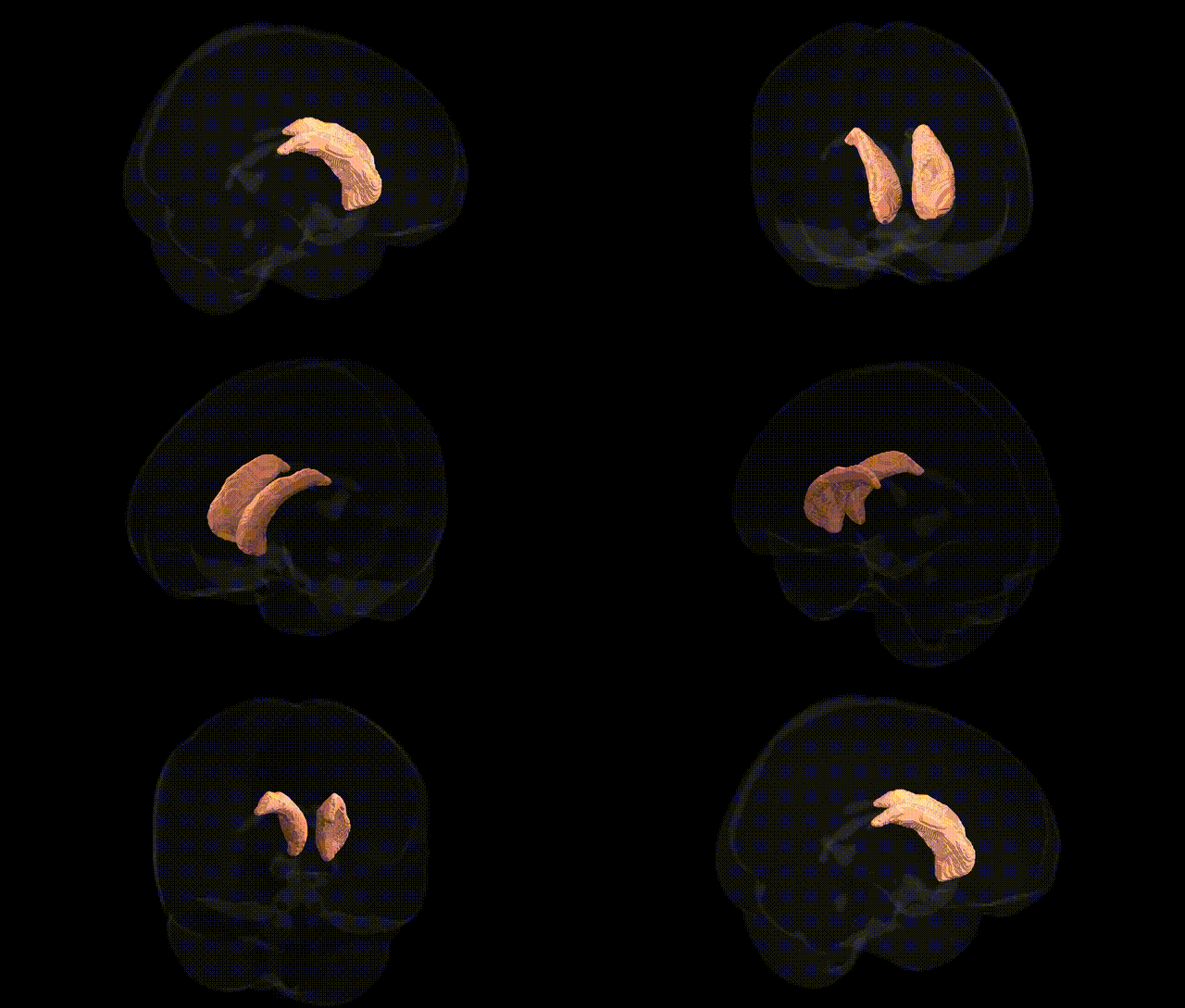
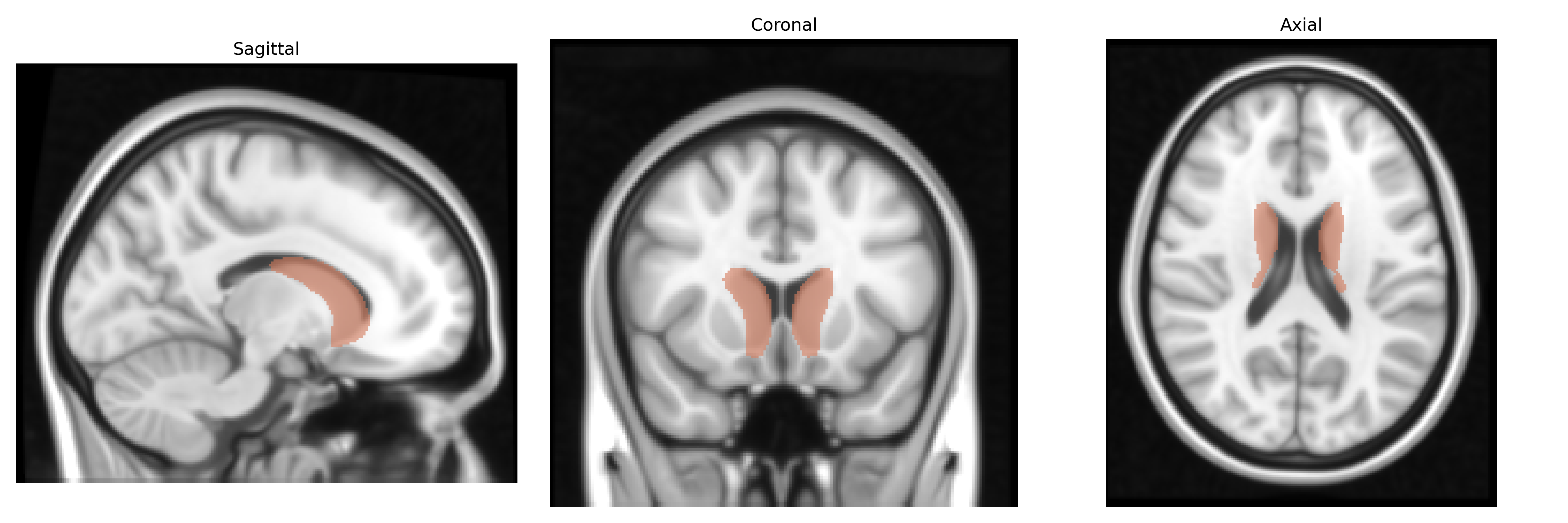
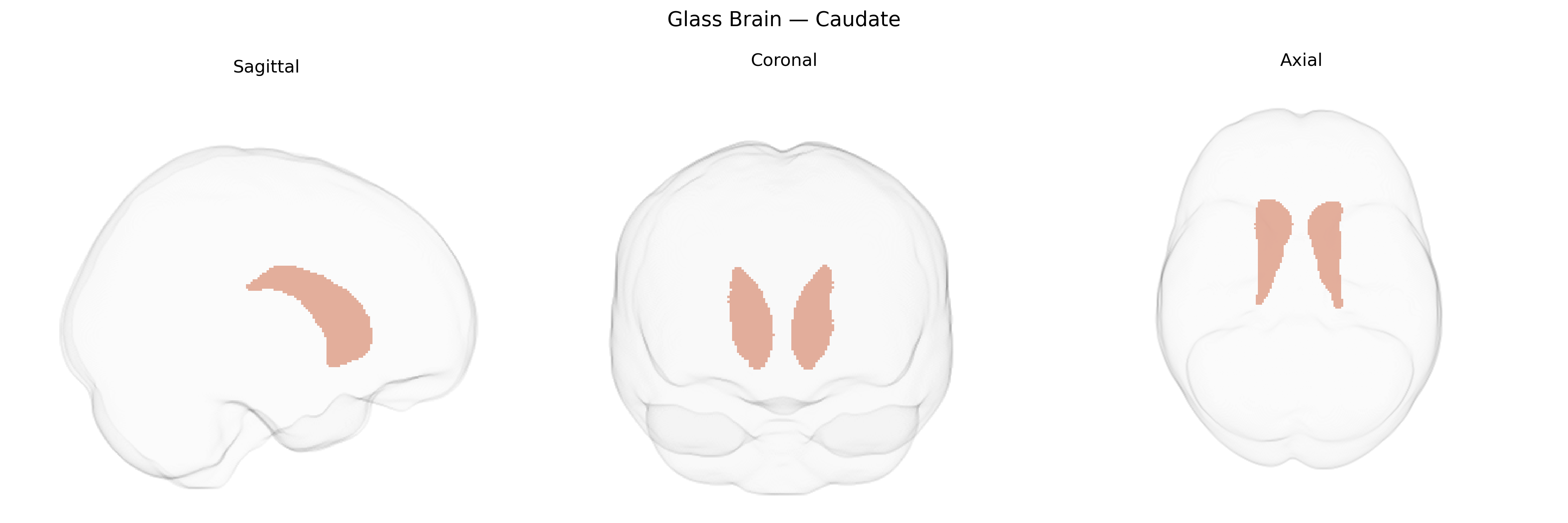
The bilateral caudate nucleus is a paired C-shaped gray matter structure located deep within the telencephalon, forming a major component of the dorsal striatum and basal ganglia circuitry. It is divided into head, body, and tail, and lies adjacent to the lateral ventricles, with dense afferent inputs from the cortex (especially frontal and association areas) and thalamus, and efferent projections via the internal segment of the globus pallidus and substantia nigra pars reticulata. The caudate plays critical roles in motor control, procedural and associative learning, action selection, goal-directed behavior, and aspects of cognition and motivation, integrating sensorimotor, limbic, and cognitive information to influence cortical output via basal ganglia–thalamocortical loops. It is heavily modulated by dopaminergic input from the substantia nigra pars compacta, and structural or functional abnormalities in this region are implicated in movement disorders (such as Parkinson’s disease and Huntington’s disease), obsessive-compulsive disorder, and other neuropsychiatric conditions. Caudate nucleus
The bilateral caudate nucleus, as defined in the MNI Structural maxprob thr25 1mm atlas, has been implicated in multiple genetic and GWAS findings related to cognitive, psychiatric, and neurodegenerative phenotypes. Large-scale brain imaging GWAS (e.g., ENIGMA, UK Biobank) have identified common variants near genes such as C4A within the major histocompatibility complex, DRD2, BDNF, and CNTNAP2 associated with caudate volume and morphology, reflecting roles in dopaminergic signaling, synaptic plasticity, and immune-related neurodevelopmental pathways. Polygenic risk for schizophrenia, bipolar disorder, major depression, and ADHD has shown correlations with caudate structural metrics, and variants in dopamine-related genes (including DRD2 and DAT1/SLC6A3) have been linked to reward processing and habit learning functions supported by the caudate. GWAS of Parkinson’s disease, Huntington’s disease, and related movement disorders highlight the susceptibility of caudate circuits to mutations in HTT and other genes affecting basal ganglia integrity. Additionally, loci associated with intelligence, educational attainment, and general cognitive performance show enrichment in networks that include the caudate, and several substance use and addiction GWAS (alcohol, nicotine, and other drugs) implicate dopaminergic and glutamatergic genes affecting caudate-mediated reinforcement learning and compulsive behaviors.
Overview generated by GPT-4o (2026).
Region ID: 1
Hemisphere: bilateral
Atlas: MNI Structural maxprob thr25 1mm
Full Quality Version: Download MP4
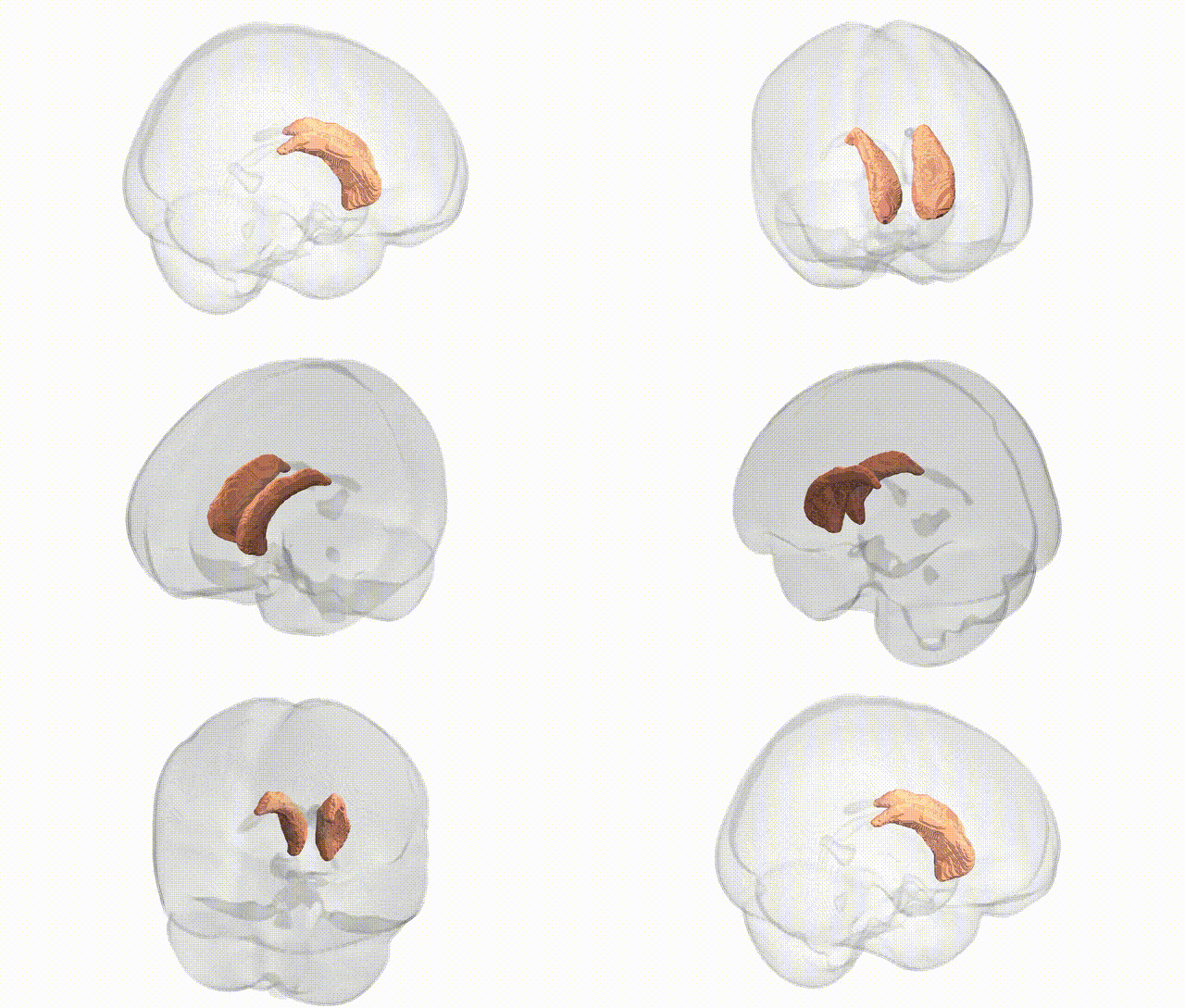
Full Quality Version: Download MP4
Wali Sidiqyar*, Gaurav Rudravaram*, Elyssa M. McMaster, Trent M. Schwartz, Adam M. Saunders, Kurt G. Schilling, Bennett A. Landman "Introducing SPINS: A Shared Public Visualization Library of Neuroanatomical Structures." Medical Imaging with Deep Learning- short paper
This resource is licensed under CC0 1.0 Universal (Public Domain).