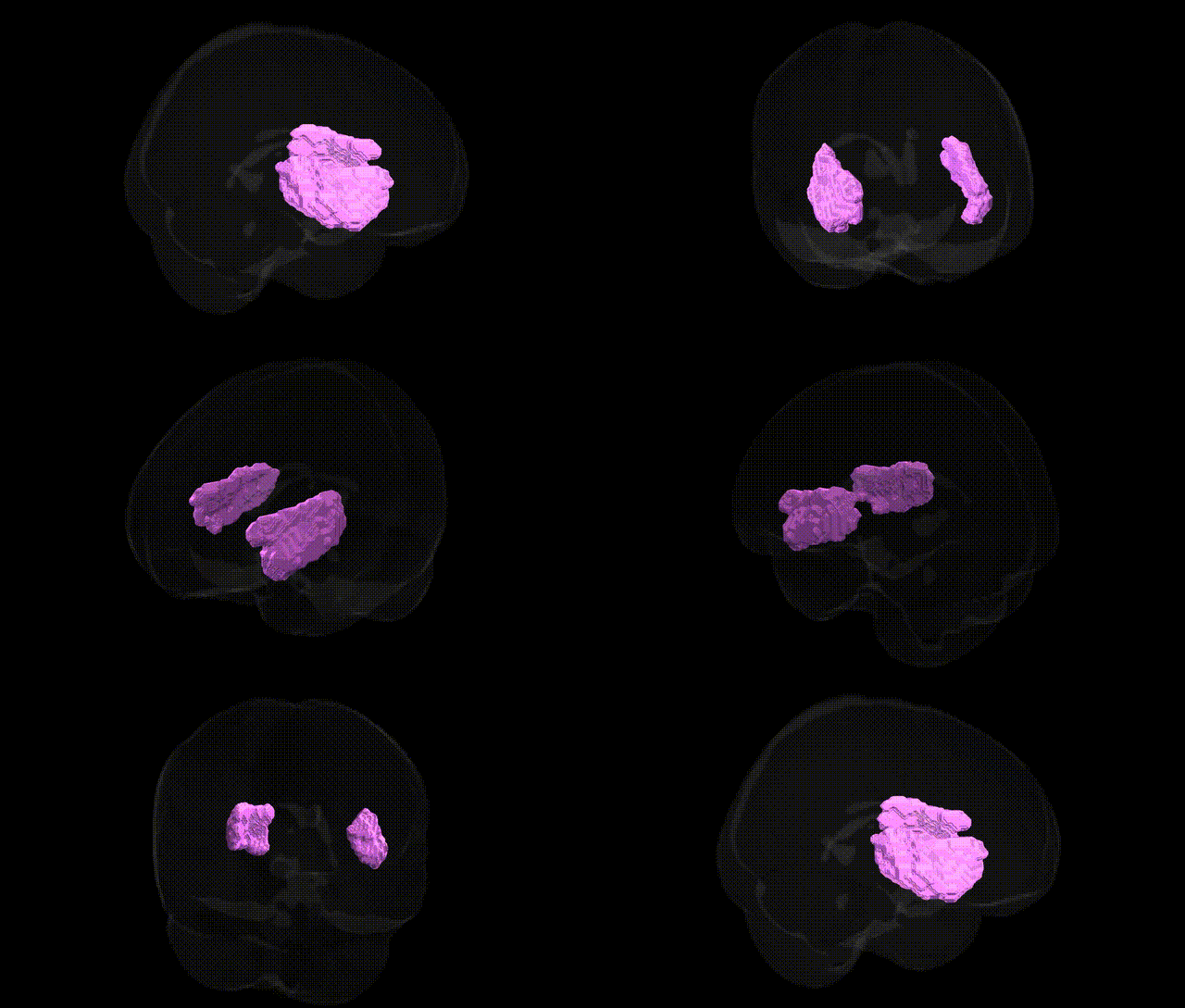
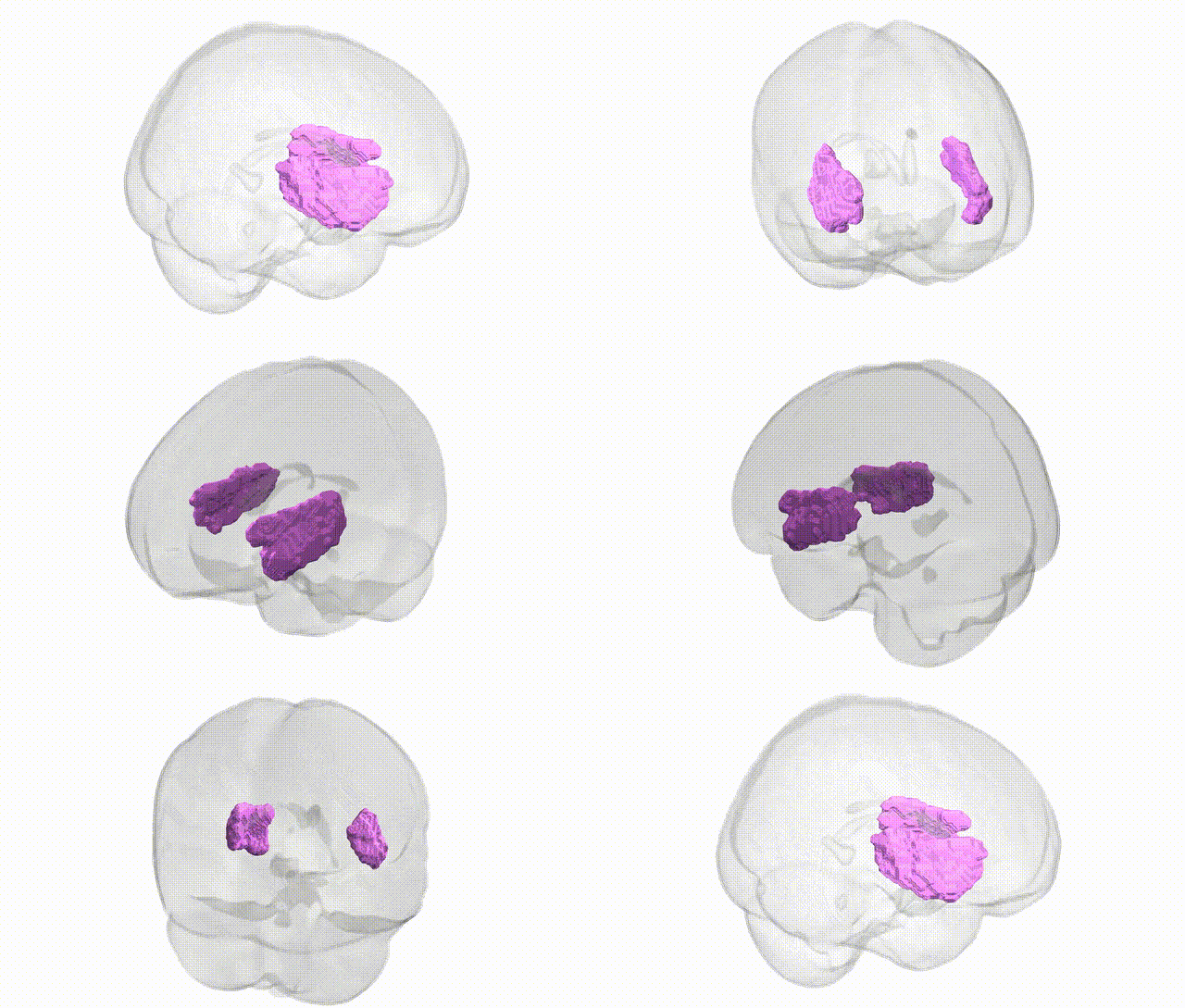
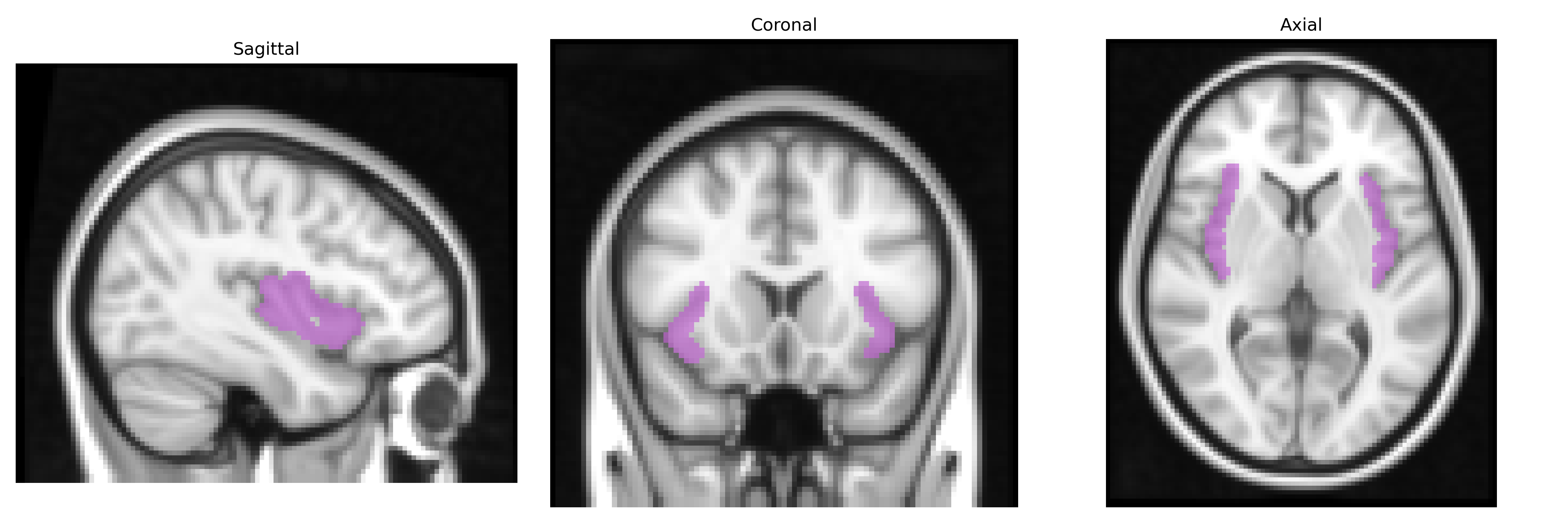
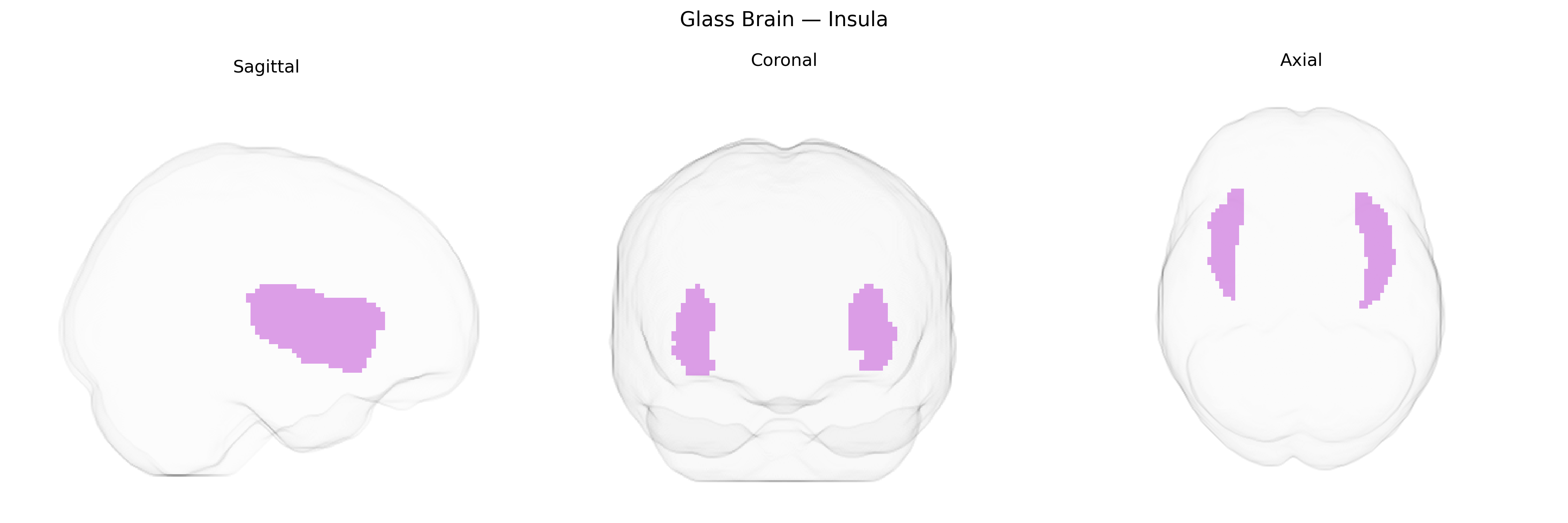
The bilateral insula, as defined in the MNI Structural maxprob thr25 2 mm Atlas, comprises cortical regions buried deep within the lateral sulcus on both hemispheres, forming a distinct lobe separated from the frontal, parietal, and temporal opercula by the circular sulcus of the insula. Structurally, it contains anterior and posterior subdivisions with characteristic granular, dysgranular, and agranular cortical lamination patterns, and is richly interconnected with limbic, paralimbic, and association cortices as well as subcortical structures such as the thalamus, basal ganglia, and amygdala. Functionally, the insula is implicated in multimodal sensory integration, interoception (including visceral and autonomic processing), affective and pain processing, gustation, and aspects of cognitive control and salience detection, serving as a key hub that links internal bodily states with emotional and higher-order cognitive networks. Insular cortex
The bilateral insula, as defined in the MNI Structural maxprob thr25 2 mm atlas, has been implicated in a range of genetic associations from GWAS and imaging-genetics studies, particularly through its roles in interoception, emotion, and salience processing. Variants in genes affecting synaptic plasticity and neurotransmission—such as CACNA1C, GRIN2B, and BDNF—have been repeatedly linked to insular structure and function, often in the context of psychiatric disorders including schizophrenia, bipolar disorder, and major depressive disorder. Large-scale neuroimaging GWAS (e.g., ENIGMA and UK Biobank) have associated common variants near genes involved in neurodevelopment and cell adhesion (such as DCC, CNTNAP2, and LINGO1) with insular cortical thickness and surface area, and these same loci show pleiotropic links to cognitive performance, risk-taking behavior, and pain sensitivity. Insular alterations genetically correlated with substance use traits (alcohol and nicotine dependence), anxiety, and neuroticism have also emerged, consistent with findings that polygenic risk for these traits predicts insular volume and connectivity changes. In neurodegenerative and pain-related conditions, risk variants in genes like APOE and COMT, as well as loci associated with migraine and chronic pain, show downstream effects on insular morphology or activation, further supporting a genetically mediated role of this region in affective and somatosensory integration.
Overview generated by GPT-4o (2026).
Region ID: 4
Hemisphere: bilateral
Atlas: MNI Structural maxprob thr25 2mm
Full Quality Version: Download MP4
Full Quality Version: Download MP4
Wali Sidiqyar*, Gaurav Rudravaram*, Elyssa M. McMaster, Trent M. Schwartz, Adam M. Saunders, Kurt G. Schilling, Bennett A. Landman "Introducing SPINS: A Shared Public Visualization Library of Neuroanatomical Structures." Medical Imaging with Deep Learning- short paper
This resource is licensed under CC0 1.0 Universal (Public Domain).