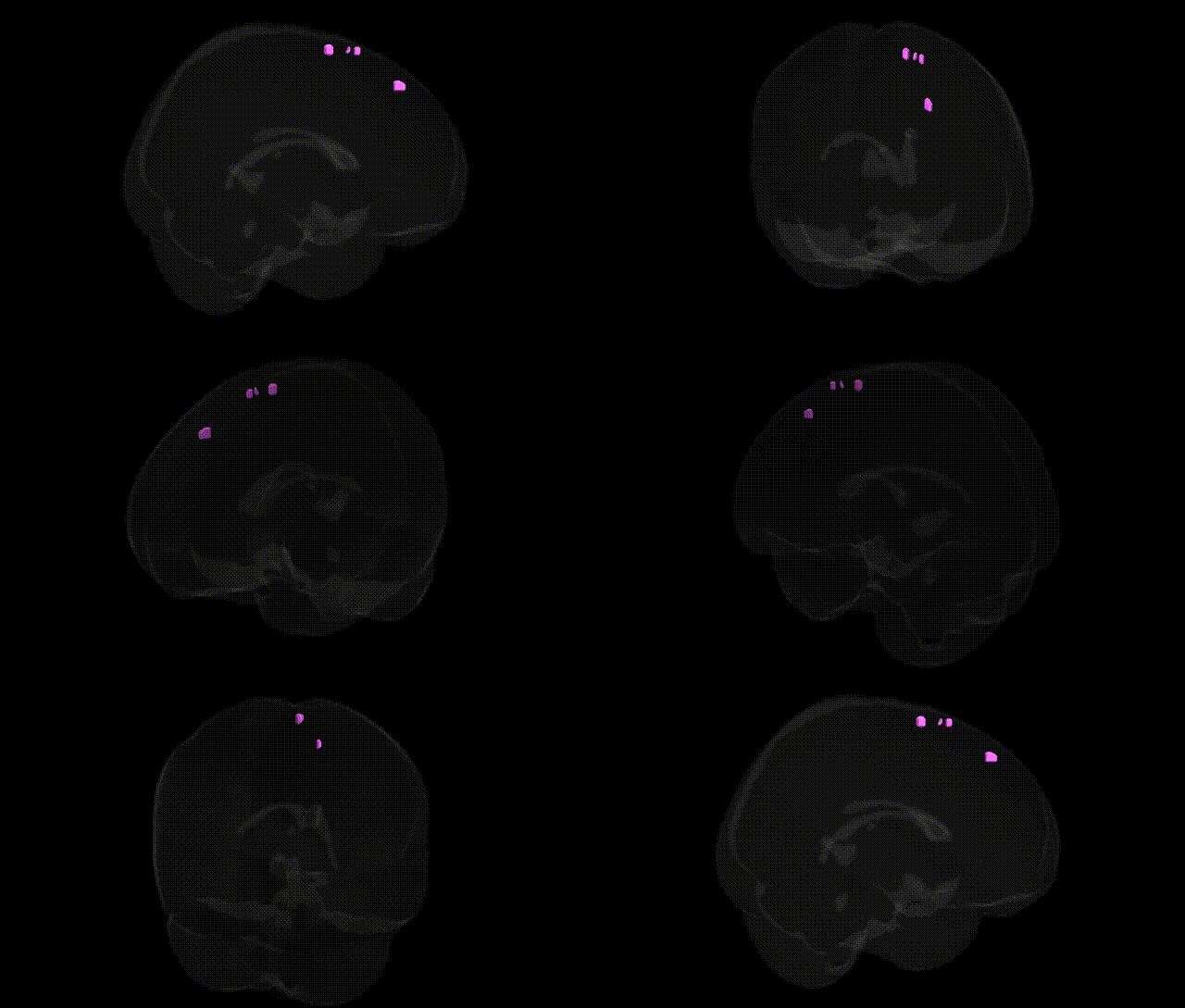
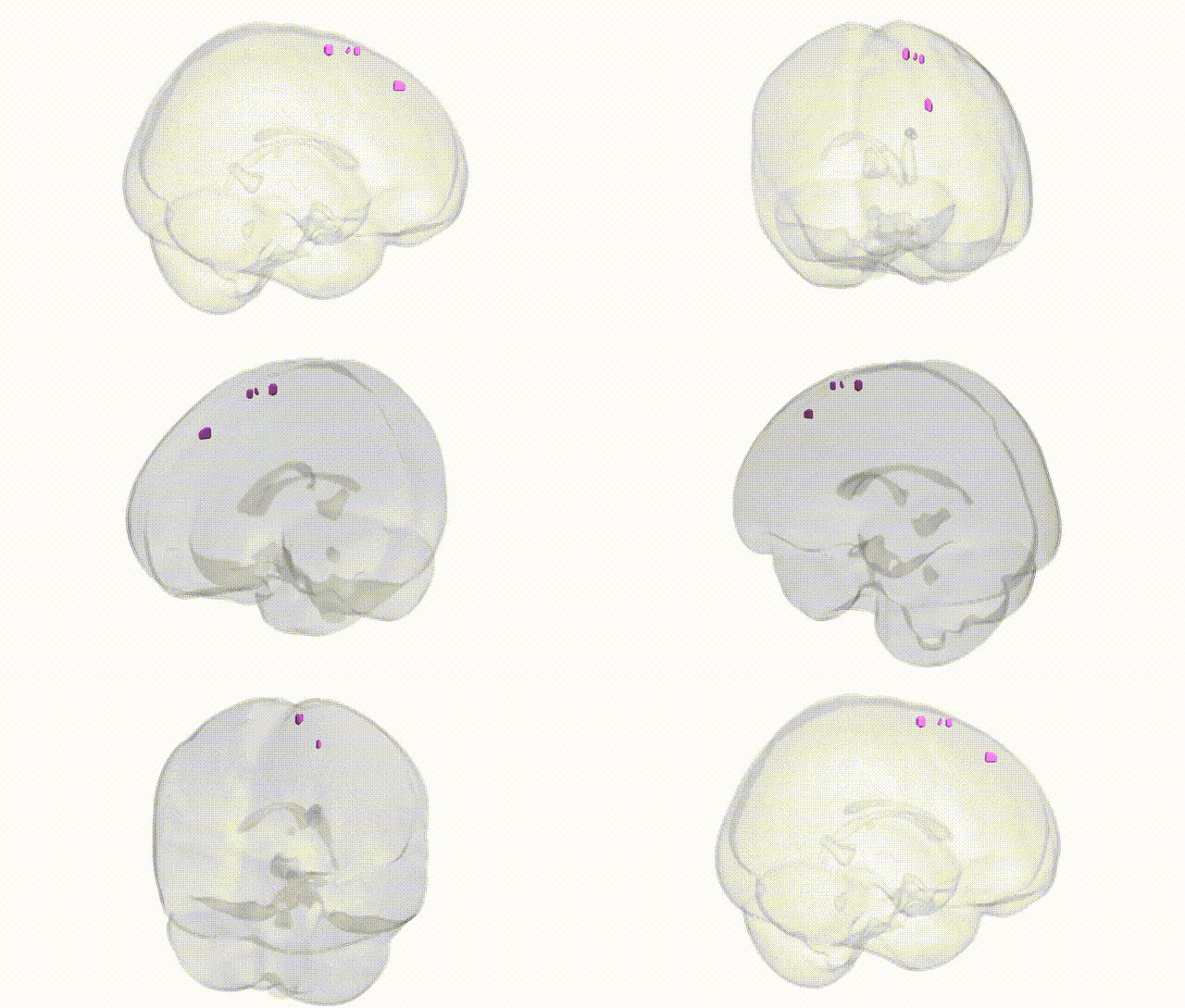
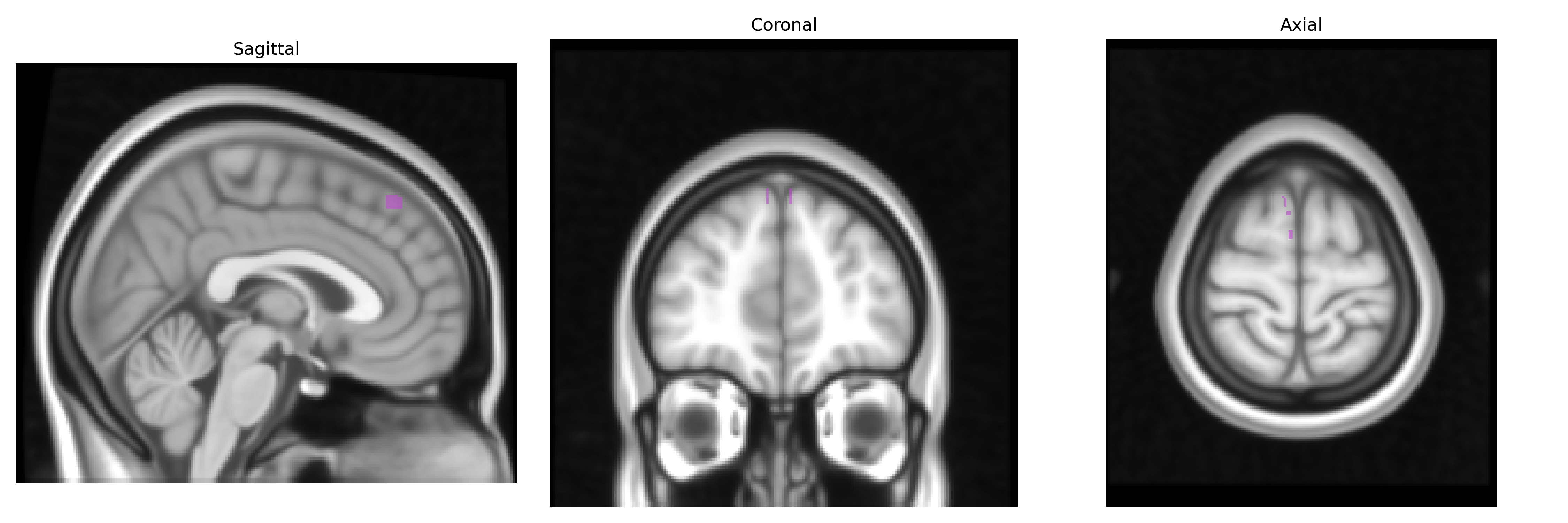
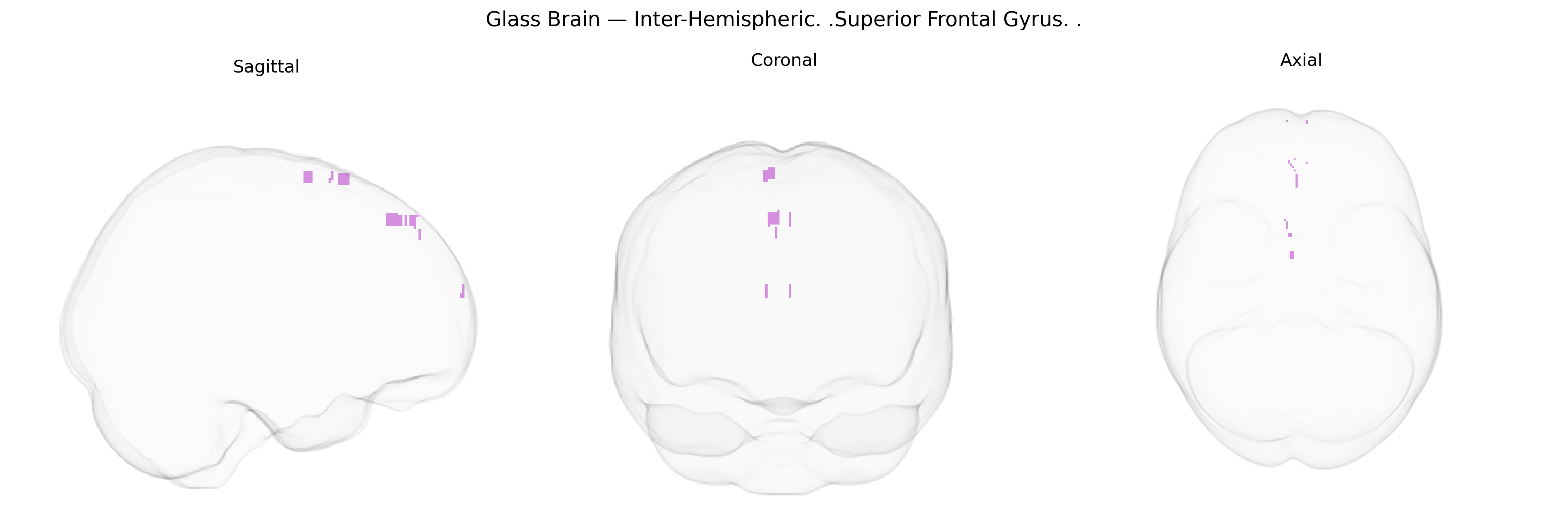
The bilateral inter-hemispheric Superior Frontal Gyrus, as defined in the Talairach 1 mm Atlas, refers to the medial portions of the superior frontal gyrus that lie adjacent to and across the longitudinal fissure in both hemispheres. This region is part of the medial prefrontal cortex and is implicated in higher-order executive functions, including working memory, attentional control, and aspects of self-referential and internally directed cognition. It participates in large-scale networks such as the default mode and frontoparietal control networks, integrating information related to planning, decision-making, and regulation of behavior. Cytoarchitectonically, it overlaps with medial Brodmann areas (e.g., BA 8, 9, and 10), and structurally it maintains dense interhemispheric connectivity via the corpus callosum, supporting coordinated activity between the left and right frontal lobes.
The bilateral inter-hemispheric superior frontal gyrus (SFG), corresponding largely to medial and dorsomedial prefrontal cortex in the Talairach 1 mm atlas, has been repeatedly implicated in genetic imaging and GWAS-based neuroimaging studies, although associations are typically reported under broader labels such as medial prefrontal cortex, dorsomedial prefrontal cortex, or superior frontal cortical thickness and volume. SNP-based heritability analyses from large consortia (e.g., ENIGMA, UK Biobank) indicate moderate heritability of SFG thickness and surface area, with common variants in genes involved in neurodevelopment, synaptic function, and myelination (for example, loci near MAPT, WNT signaling genes, and cell-adhesion molecules) contributing to individual differences. Polygenic risk for schizophrenia, bipolar disorder, major depressive disorder, and ADHD has been associated with altered superior frontal/medial prefrontal volumes or cortical thickness, and specific risk loci (e.g., within or near CACNA1C, ZNF804A, DRD2, and other psychiatric GWAS hits) have been linked to structural or functional changes in this region in imaging–genetics studies. The SFG’s role in executive control, self-referential processing, and default-mode network function underlies its repeated involvement in genetic associations with cognitive traits (e.g., intelligence, working memory, educational attainment) and personality dimensions (e.g., neuroticism), in which higher polygenic scores frequently correlate with subtle differences in SFG structure or activity. Additionally, APOE and other Alzheimer’s disease–related loci show associations with medial/superior frontal cortical measures, reflecting early vulnerability of this region in neurodegenerative processes. Overall, genetic studies converge on the superior frontal gyrus as a moderately heritable, polygenic hub linking psychiatric risk, cognitive performance, and neurodegeneration, even though few findings are exclusive to the precise bilateral inter-hemispheric SFG label of the Talairach atlas.
Overview generated by GPT-4o (2026).
Region ID: 904
Hemisphere: bilateral
Atlas: Talairach labels 1mm
Full Quality Version: Download MP4
Full Quality Version: Download MP4
Wali Sidiqyar*, Gaurav Rudravaram*, Elyssa M. McMaster, Trent M. Schwartz, Adam M. Saunders, Kurt G. Schilling, Bennett A. Landman "Introducing SPINS: A Shared Public Visualization Library of Neuroanatomical Structures." Medical Imaging with Deep Learning- short paper
This resource is licensed under CC0 1.0 Universal (Public Domain).