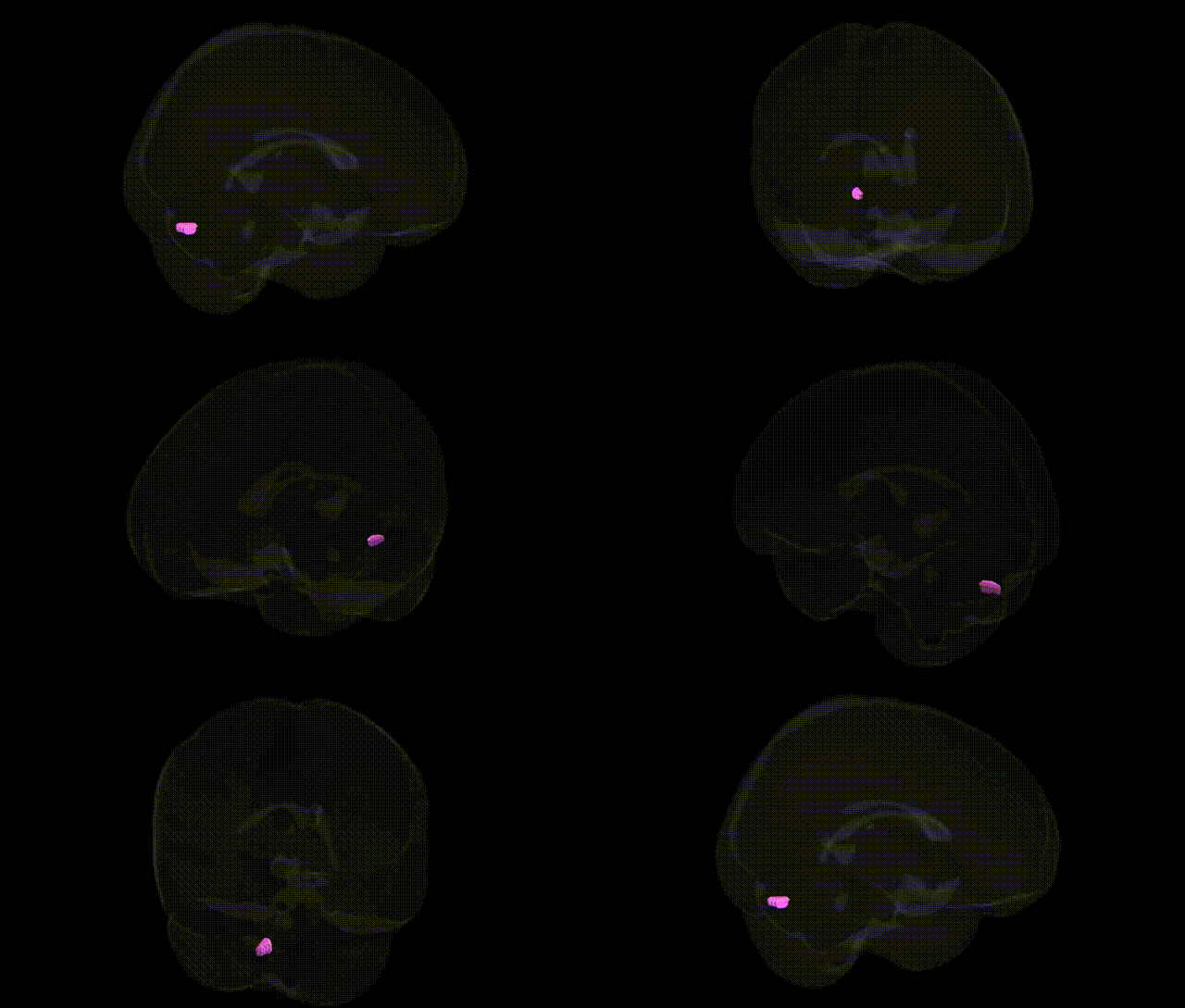
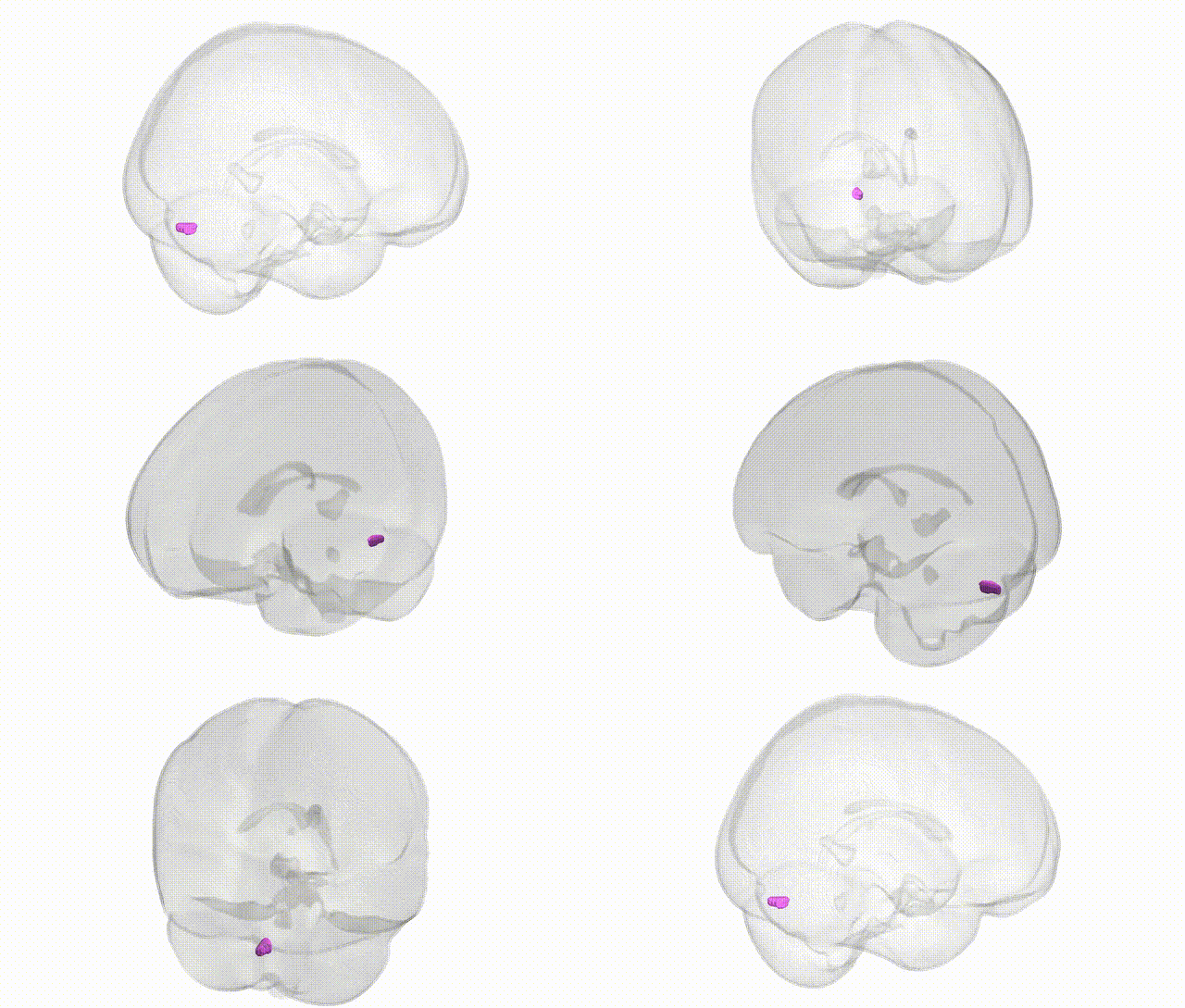
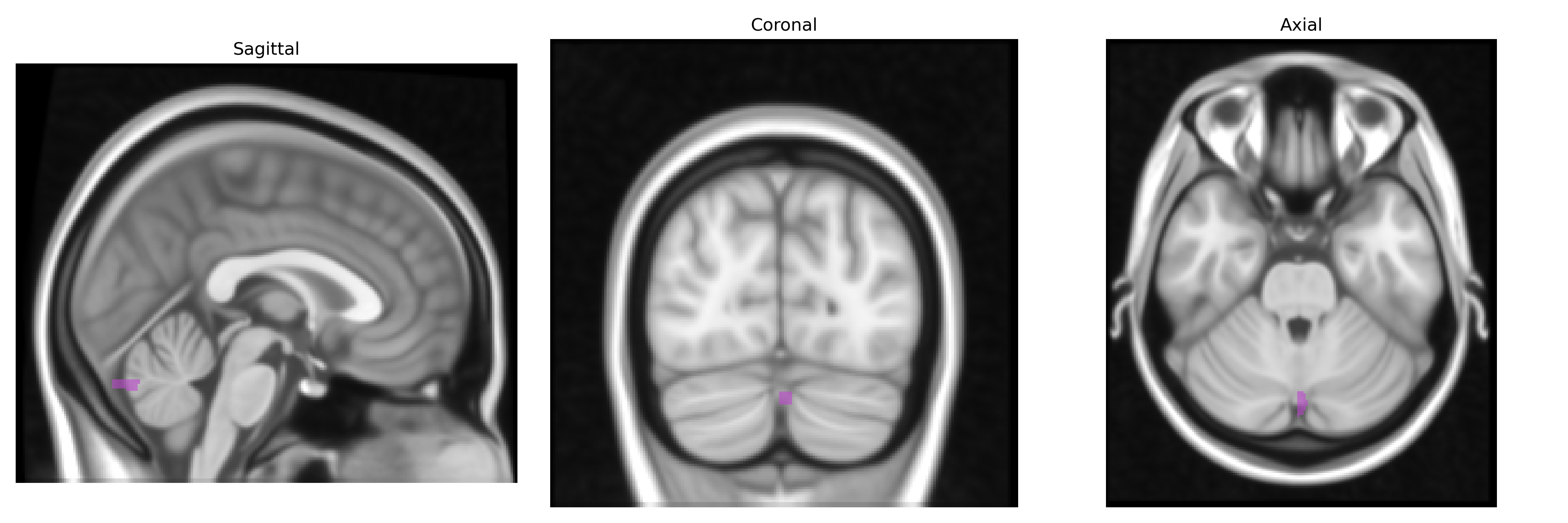
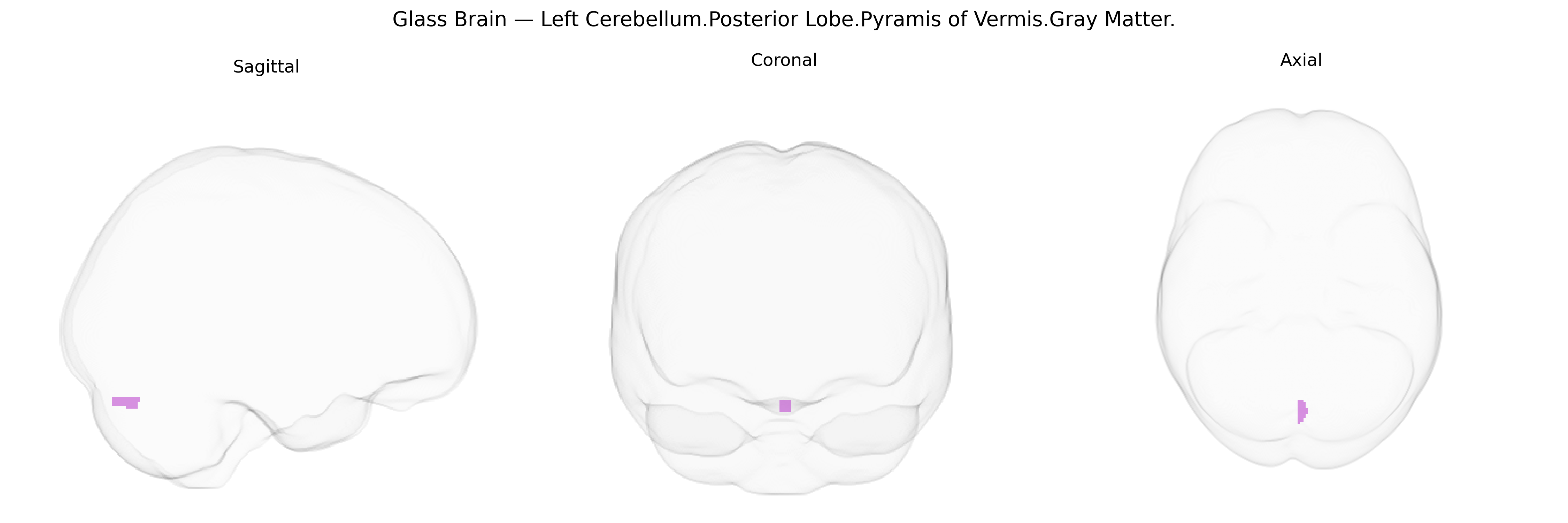
The bilateral Left Cerebellum.Posterior Lobe.Pyramis of Vermis.Gray Matter corresponds to gray matter within the pyramis, a midline (vermal) structure located in the posterior lobe of the cerebellum, deep to the overlying fissures and aligned along the cerebellar midline. This region is part of the spinocerebellum and is implicated in the regulation of axial musculature and posture, integration of somatosensory input, and fine-tuning of motor execution, particularly for trunk and proximal limb movements. Neuronal circuitry here includes Purkinje cells projecting primarily to deep cerebellar nuclei (notably the fastigial nucleus), contributing to cerebellar output pathways that influence vestibular, reticular, and other motor-related brainstem structures. There is no direct Wikipedia article for the pyramis of vermis; a related structure is the Cerebellar vermis.
The bilateral Left Cerebellum.Posterior Lobe.Pyramis of Vermis.Gray Matter region, as defined in the Talairach 1 mm atlas, lies within the posterior vermis and adjacent cerebellar hemispheric tissue, a sector repeatedly implicated in genetic studies of motor coordination, balance, affective regulation, and neurodevelopmental disorders. Although few GWAS report associations at the exact parcellation level of the pyramis, large-scale imaging-genetics consortia (e.g., ENIGMA, UK Biobank) have shown that gray matter volume and surface measures in the posterior cerebellum, including vermal territories, exhibit significant SNP-based heritability and polygenic influences, often involving genes related to synaptic function, neuronal development, and axonal guidance (for example, variants in GRM5, CACNA1C, and other calcium-channel or glutamatergic pathway genes have been linked to broader cerebellar morphology and function). Posterior vermis abnormalities, which overlap the pyramis region, have been associated with autism spectrum disorder, ADHD, bipolar disorder, schizophrenia, and mood and anxiety phenotypes, and genetic risk scores for these conditions sometimes correlate with deviations in cerebellar gray matter volume or structure in this territory. Additionally, rare variant and copy-number studies in disorders such as Dandy–Walker malformation and other cerebellar hypoplasias implicate genes involved in hindbrain patterning (e.g., ZIC1/4, FOXC1) that can affect the posterior vermis, while polygenic influences on balance, gait, and motor learning traits also show associations with posterior cerebellar regions that include the pyramis. Overall, current genetic findings support a heritable contribution to structural and functional variation in this region, but precise gene-level and locus-specific associations to the pyramis of the vermis remain indirect, inferred from broader posterior cerebellar or vermal clusters rather than from this Talairach-defined label alone.
Overview generated by GPT-4o (2026).
Region ID: 82
Hemisphere: bilateral
Atlas: Talairach labels 1mm
Full Quality Version: Download MP4
Full Quality Version: Download MP4
Wali Sidiqyar*, Gaurav Rudravaram*, Elyssa M. McMaster, Trent M. Schwartz, Adam M. Saunders, Kurt G. Schilling, Bennett A. Landman "Introducing SPINS: A Shared Public Visualization Library of Neuroanatomical Structures." Medical Imaging with Deep Learning- short paper
This resource is licensed under CC0 1.0 Universal (Public Domain).