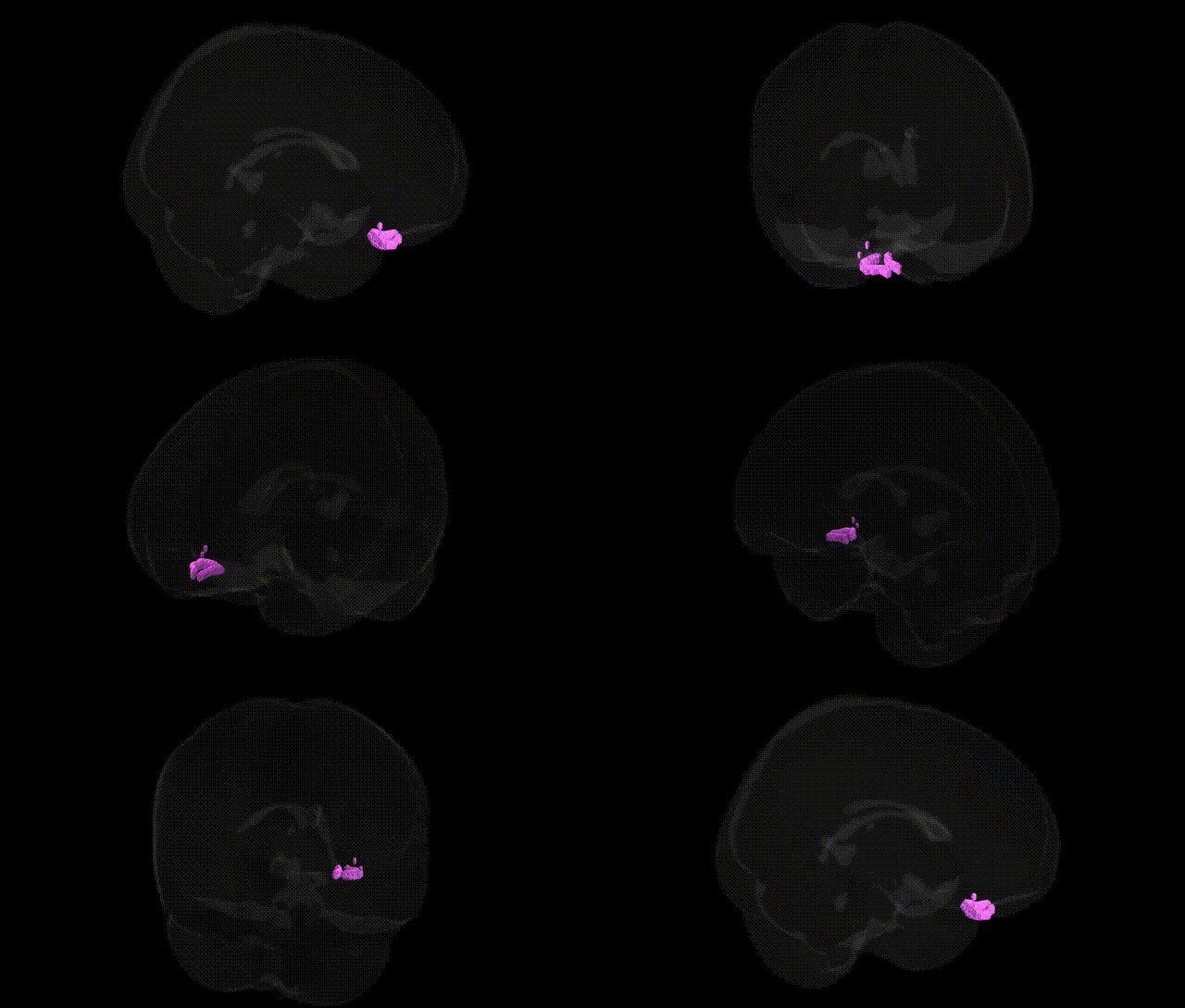
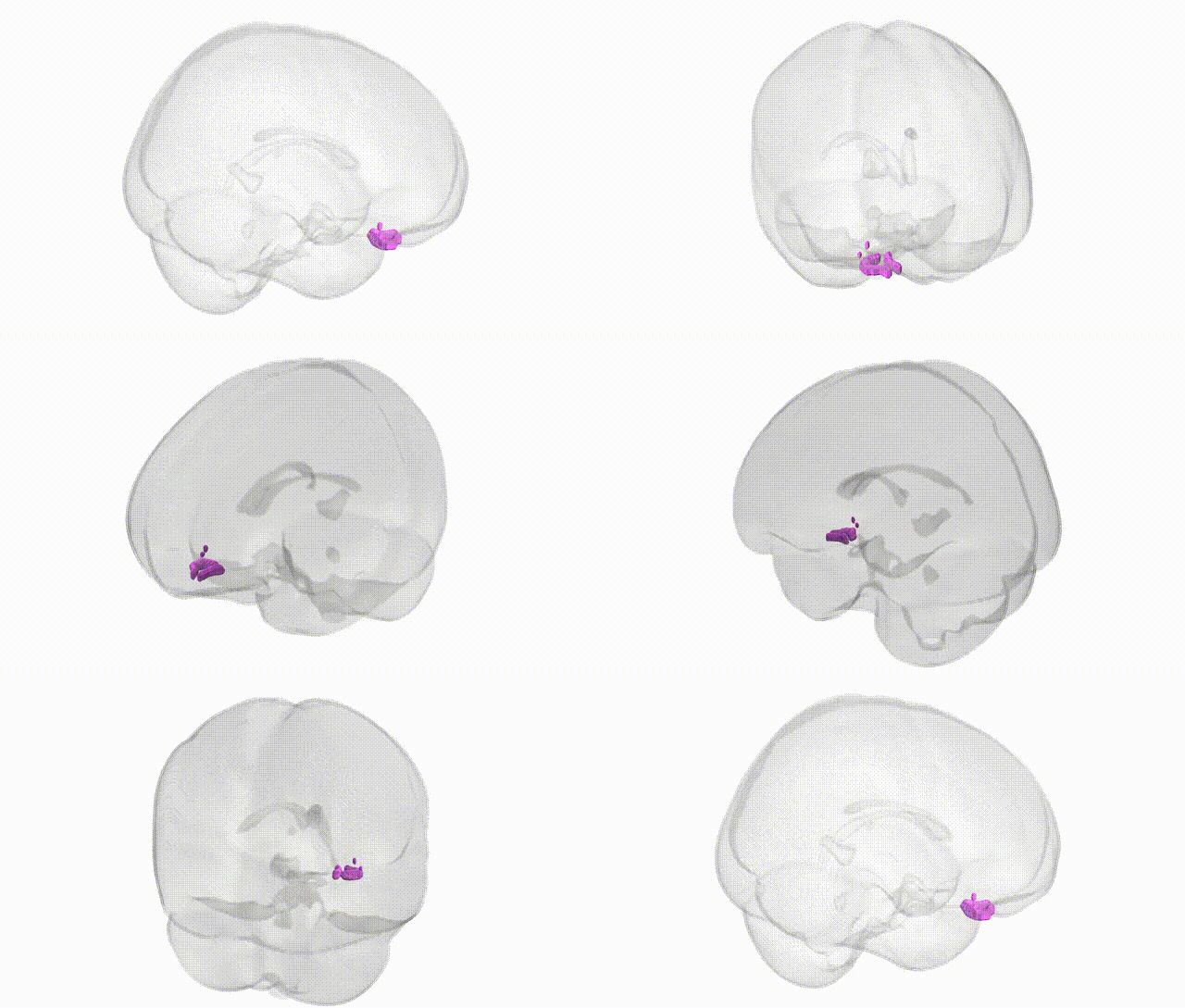
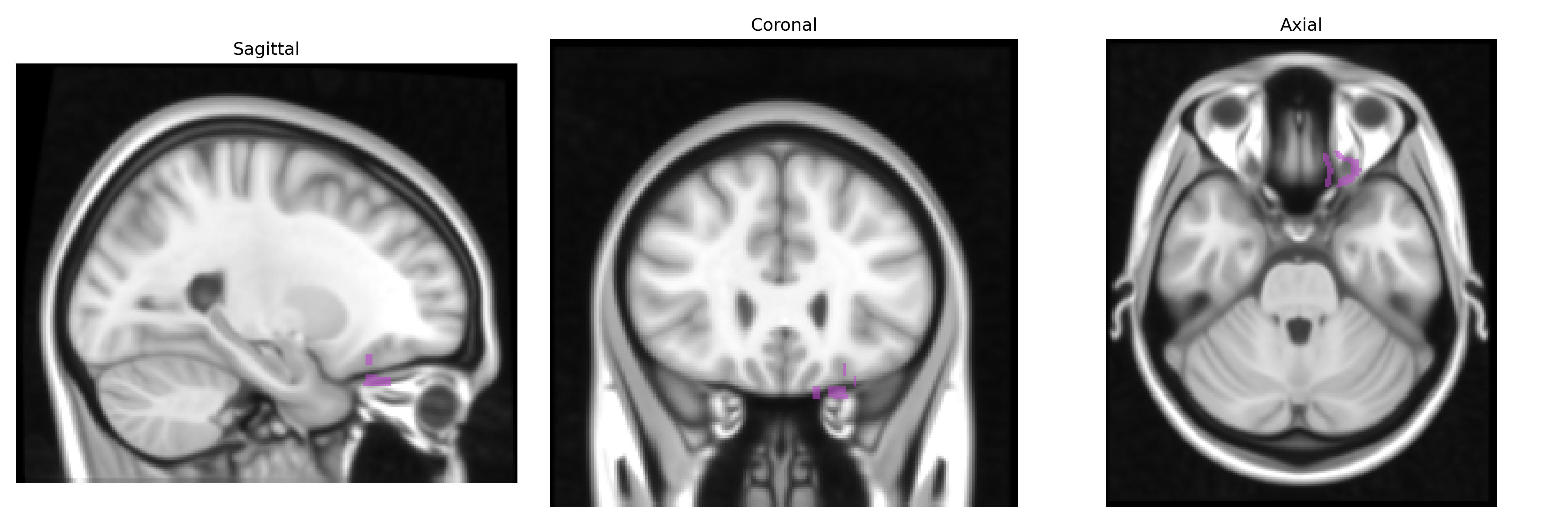
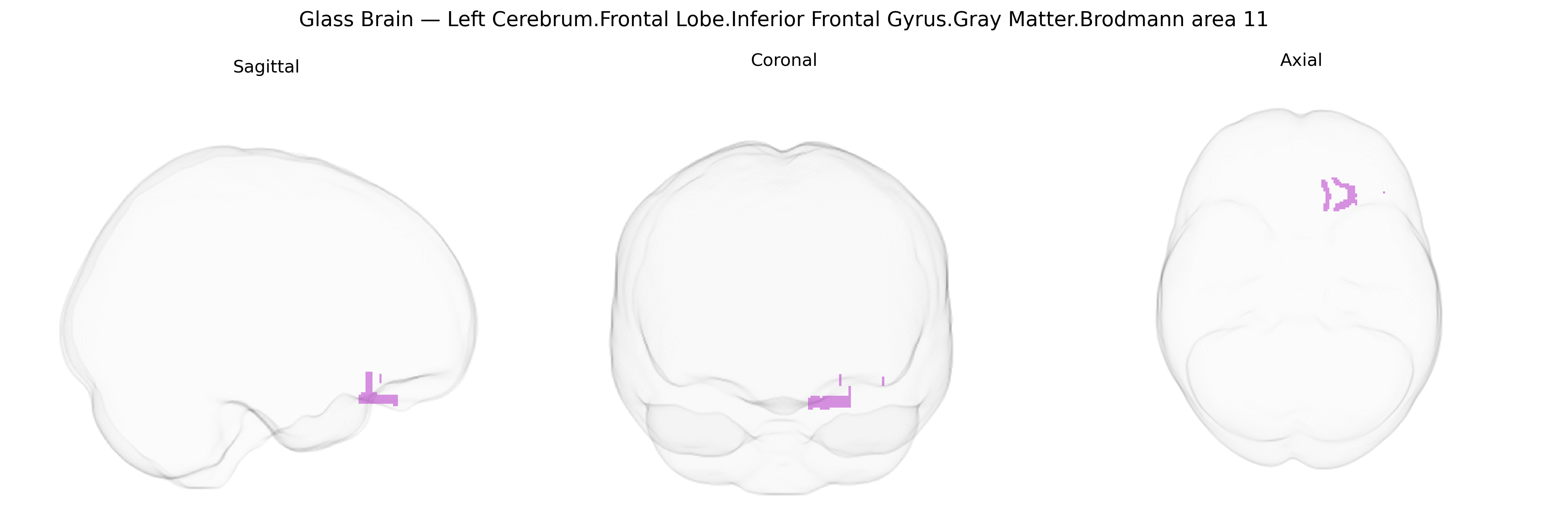
The bilateral Left Cerebrum.Frontal Lobe.Inferior Frontal Gyrus.Gray Matter.Brodmann area 11 corresponds to orbitofrontal portions of the inferior frontal gyrus within the prefrontal cortex, situated on the ventral surface of the frontal lobe just above the orbits. This region is primarily associated with higher-order integrative functions including evaluation of reward and punishment, decision-making under uncertainty, social and emotional behavior, and modulation of affect and personality traits. It receives multimodal sensory input (including olfactory and limbic signals) and projects to other prefrontal, limbic, and subcortical structures, contributing to adaptive behavioral responses and inhibitory control. In the Talairach 1 mm atlas, this label designates gray matter in Brodmann area 11 localized to the inferior frontal gyrus, though functionally it is often discussed as part of the broader orbitofrontal cortex. Orbitofrontal cortex
The bilateral left inferior frontal gyrus gray matter in Brodmann area 11, an orbitofrontal subdivision of the frontal lobe, has been implicated in multiple genetic and GWAS-based associations spanning cognition, psychiatric liability, and brain morphometry. Numerous imaging-genetics studies and large-scale GWAS of cortical thickness, surface area, and regional gray matter volume (e.g., ENIGMA, UK Biobank) have identified common variants in genes involved in neurodevelopment, synaptic function, and intracellular signaling (such as variants near or within genes like GRIN2B, BDNF, and several calcium-channel and cell-adhesion genes) that influence structure and connectivity in orbitofrontal and inferior frontal regions, including BA11. This area’s involvement in reward valuation, decision making, and social-emotional processing is reflected in genetic correlations between orbitofrontal/inferior frontal measures and risk for major depressive disorder, bipolar disorder, schizophrenia, and obsessive-compulsive and anxiety-related traits, with polygenic risk scores for these conditions often predicting reduced or altered gray matter in adjacent orbitofrontal and inferior frontal parcels. GWAS of cognitive performance, educational attainment, and personality traits such as neuroticism and impulsivity have also shown that polygenic architectures for these traits overlap significantly with genetic influences on orbitofrontal and inferior frontal morphology, suggesting shared heritable mechanisms for executive and affective control. While Talairach-specific labels are not generally used as direct phenotypes in GWAS, the convergent evidence from atlas-based parcellations that approximate BA11 indicates that this region is a key heritable node within fronto-limbic networks implicated in psychiatric vulnerability, decision-making traits, and individual differences in higher-order cognition.
Overview generated by GPT-4o (2026).
Region ID: 191
Hemisphere: bilateral
Atlas: Talairach labels 1mm
Full Quality Version: Download MP4
Full Quality Version: Download MP4
Wali Sidiqyar*, Gaurav Rudravaram*, Elyssa M. McMaster, Trent M. Schwartz, Adam M. Saunders, Kurt G. Schilling, Bennett A. Landman "Introducing SPINS: A Shared Public Visualization Library of Neuroanatomical Structures." Medical Imaging with Deep Learning- short paper
This resource is licensed under CC0 1.0 Universal (Public Domain).