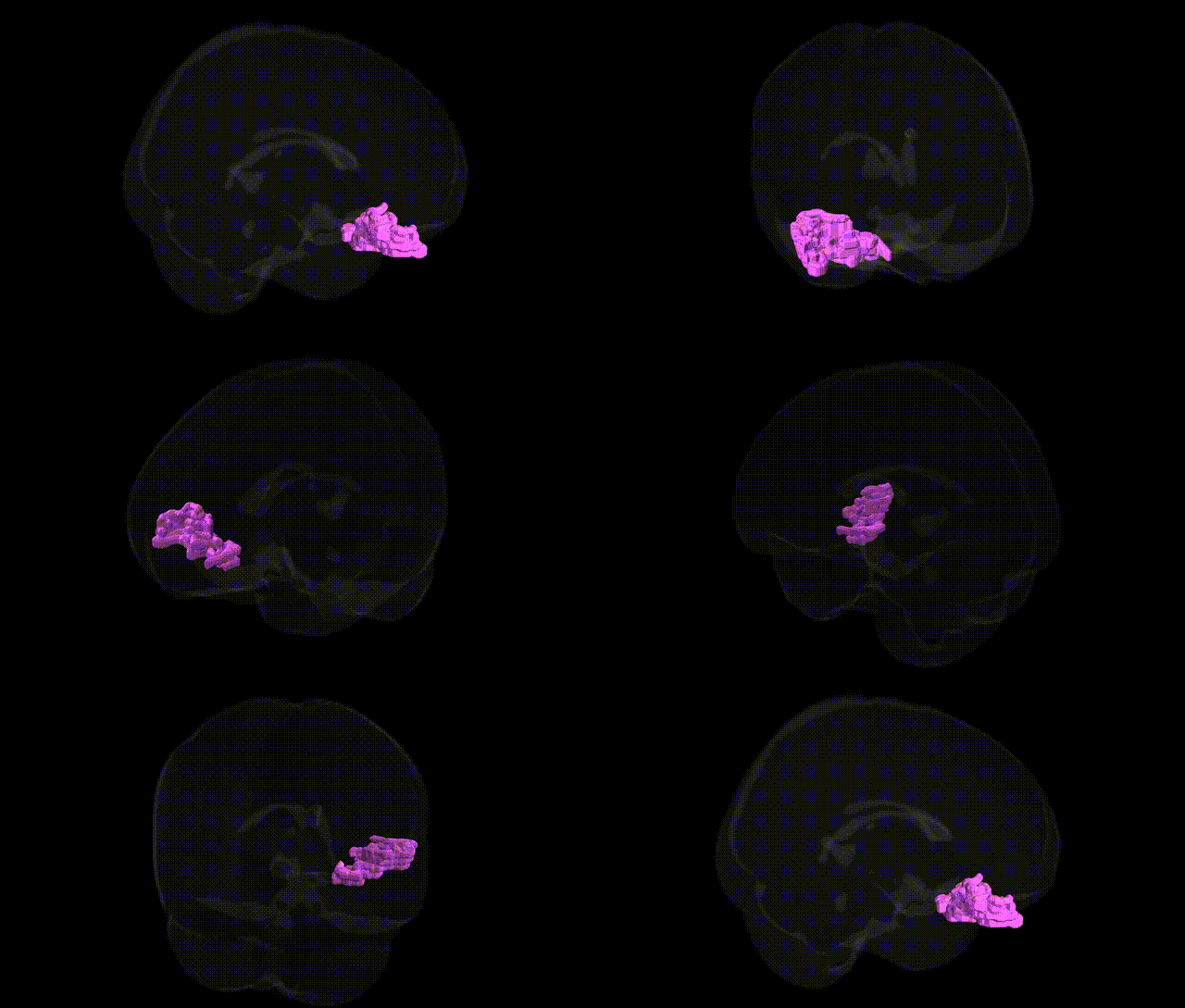
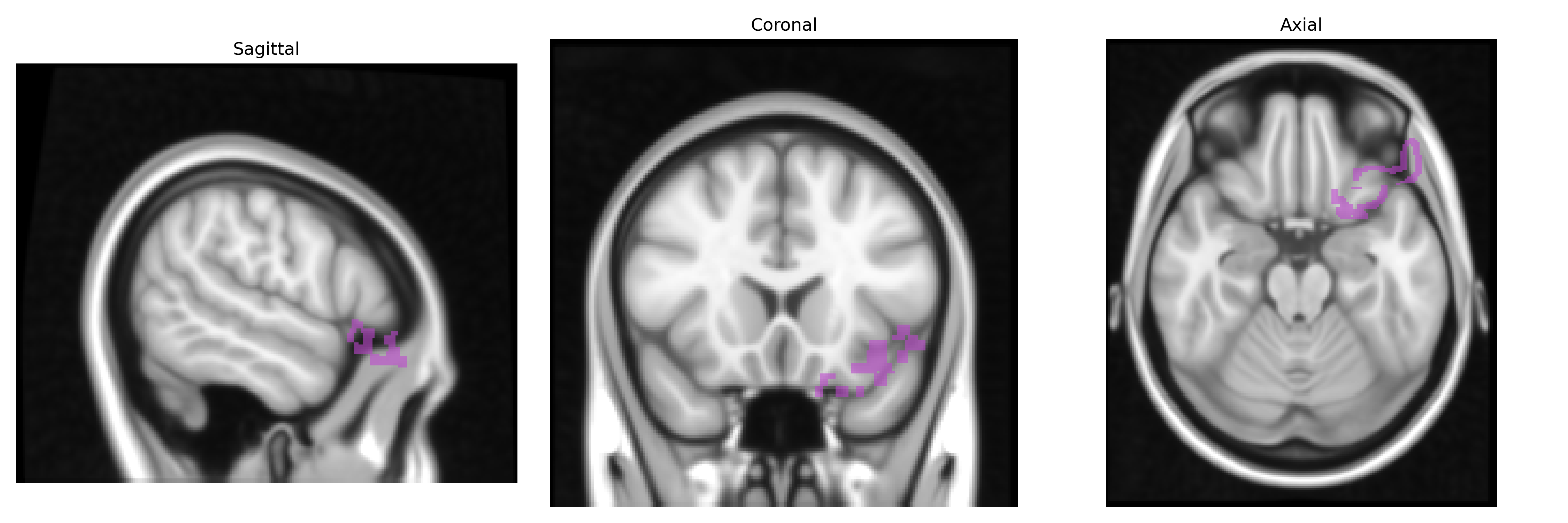
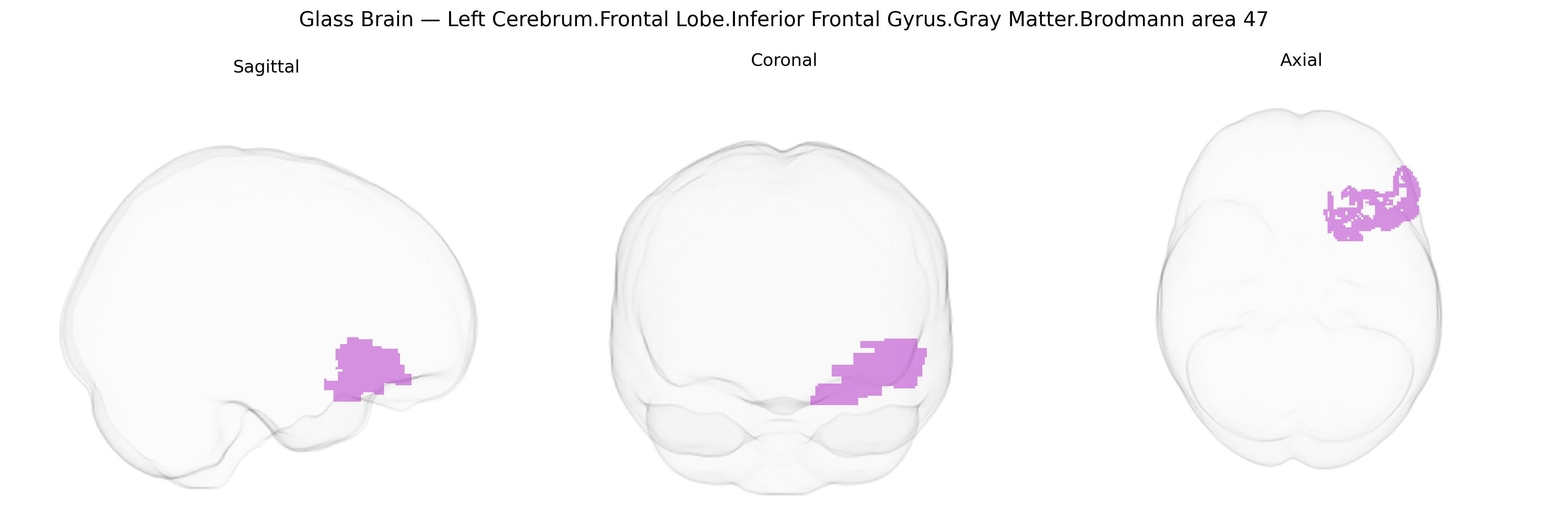
The bilateral Left Cerebrum.Frontal Lobe.Inferior Frontal Gyrus.Gray Matter.Brodmann area 47 corresponds to a ventrolateral prefrontal cortical region situated on the orbital and inferior frontal surfaces, overlapping parts of the orbitalis portion of the inferior frontal gyrus and extending toward the frontal operculum. This association cortex is implicated in higher-order cognitive and affective processes, including aspects of semantic processing, language comprehension, inhibitory control, reward-related decision-making, and the integration of emotional and social information. Cytoarchitectonically, Brodmann area 47 is characterized by its granular prefrontal lamination pattern and its connectivity with temporal, limbic, and other prefrontal regions, forming part of large-scale networks supporting executive function and valuation. Brodmann area 47
The inferior frontal gyrus (IFG), particularly Brodmann area 47 in the left frontal lobe, has been repeatedly implicated in genetic imaging and GWAS-related work linking common variants to structural and functional differences in language, cognitive control, and psychiatric risk. Polygenic scores for schizophrenia, bipolar disorder, major depressive disorder, and autism spectrum disorder have been associated with altered gray matter volume and cortical thickness in the IFG, including BA47, in large imaging-genetics consortia such as ENIGMA and UK Biobank analyses. Variants in genes related to synaptic function and neurodevelopment (e.g., CACNA1C, ZNF804A, NRGN, and other schizophrenia- and mood-disorder–associated loci) have been associated with IFG activation differences during tasks involving working memory, response inhibition, and emotional processing, as shown in candidate gene fMRI and polygenic risk score studies. GWAS of brain morphology and cortical measures have identified loci that influence frontal lobe and inferior frontal volumes, with some overlap with risk loci for psychiatric traits, educational attainment, and general cognitive ability, indicating a shared genetic architecture. Additionally, genetic risk for substance use (e.g., alcohol and nicotine dependence) and impulsivity has been linked to structural and functional variation in IFG/BA47, consistent with this region’s role in inhibitory control and reward-related decision-making, while language-related genetic effects (including FOXP2-associated pathways and polygenic influences on reading and language ability) have also been associated with IFG structure and activation, reflecting the region’s involvement in semantic and syntactic processing.
Overview generated by GPT-4o (2026).
Region ID: 185
Hemisphere: bilateral
Atlas: Talairach labels 1mm
Full Quality Version: Download MP4
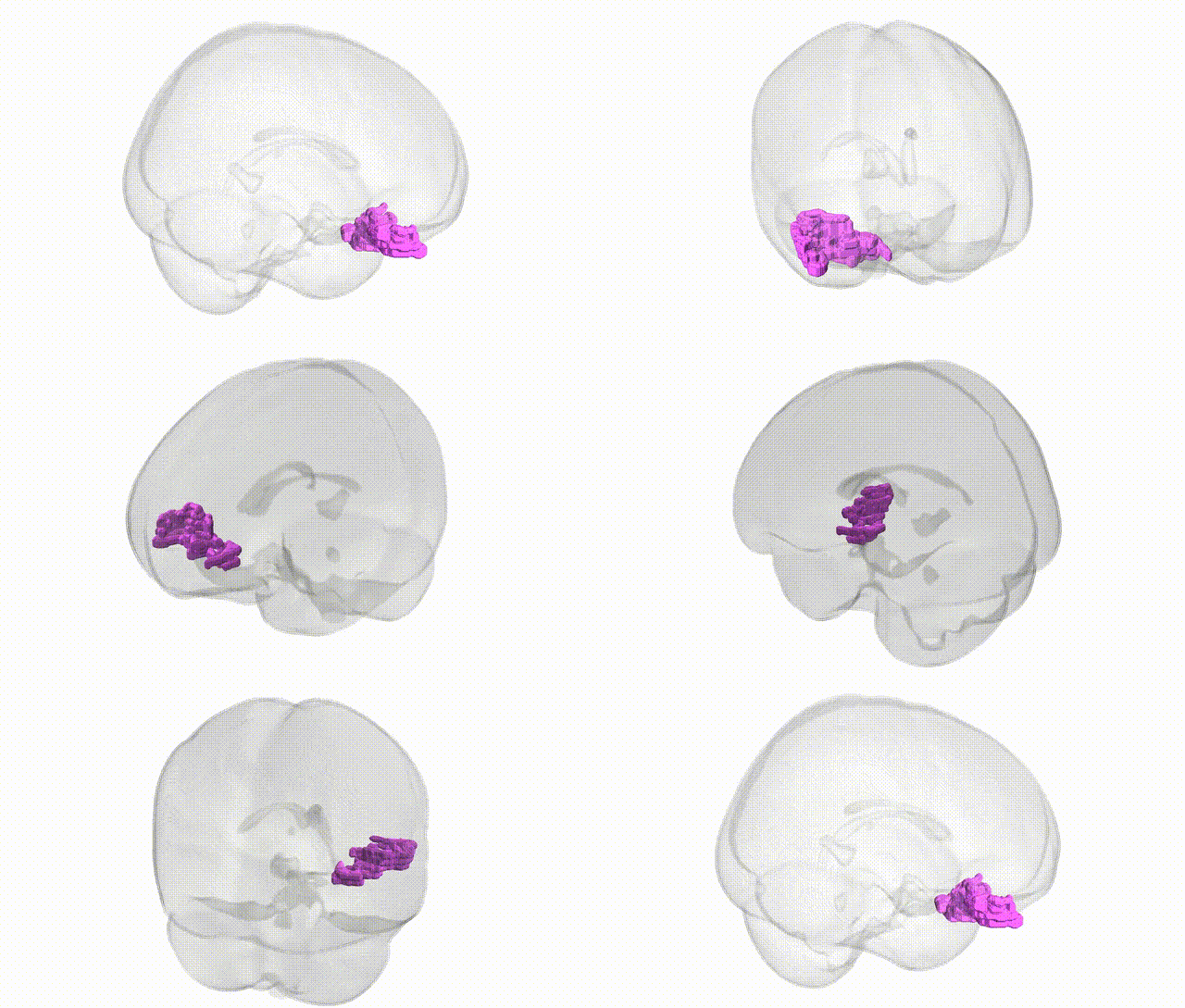
Full Quality Version: Download MP4
Wali Sidiqyar*, Gaurav Rudravaram*, Elyssa M. McMaster, Trent M. Schwartz, Adam M. Saunders, Kurt G. Schilling, Bennett A. Landman "Introducing SPINS: A Shared Public Visualization Library of Neuroanatomical Structures." Medical Imaging with Deep Learning- short paper
This resource is licensed under CC0 1.0 Universal (Public Domain).