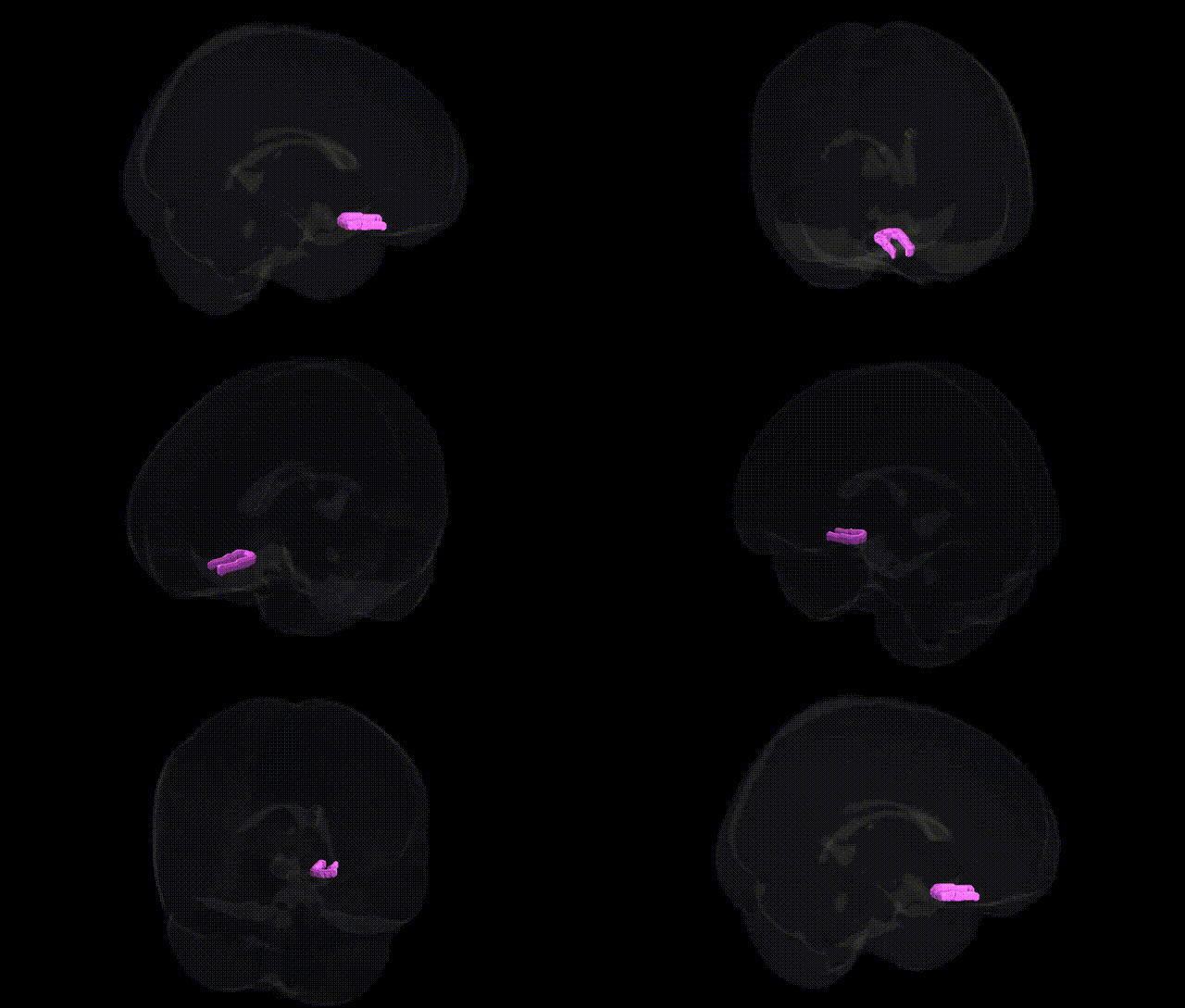
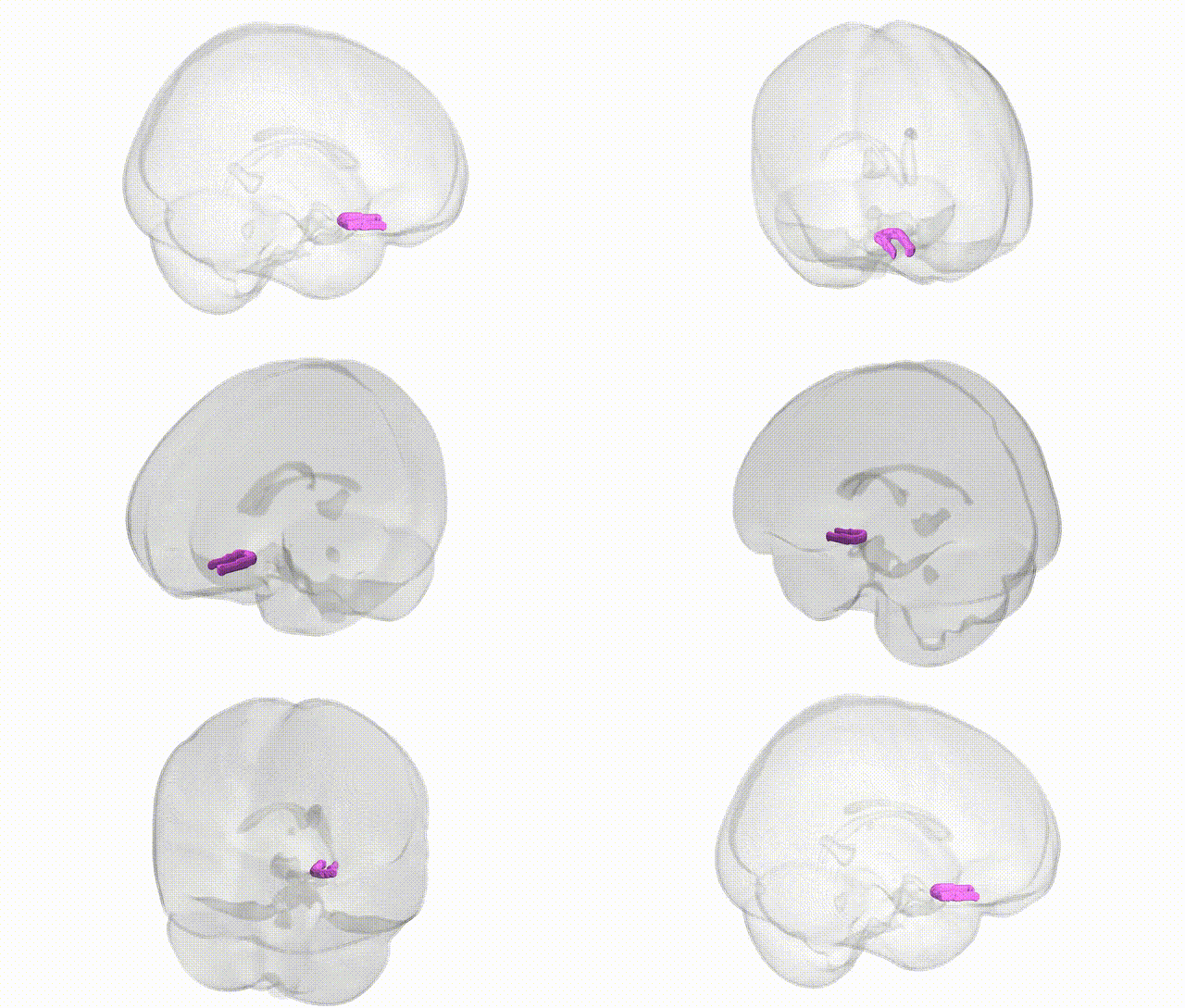
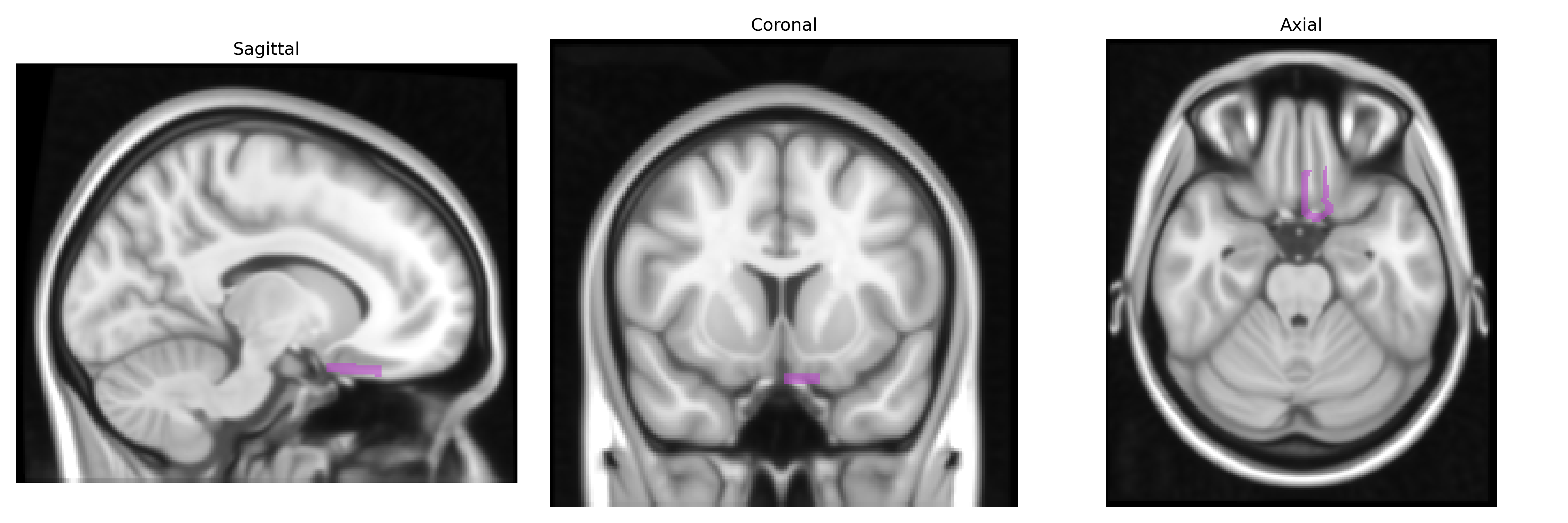
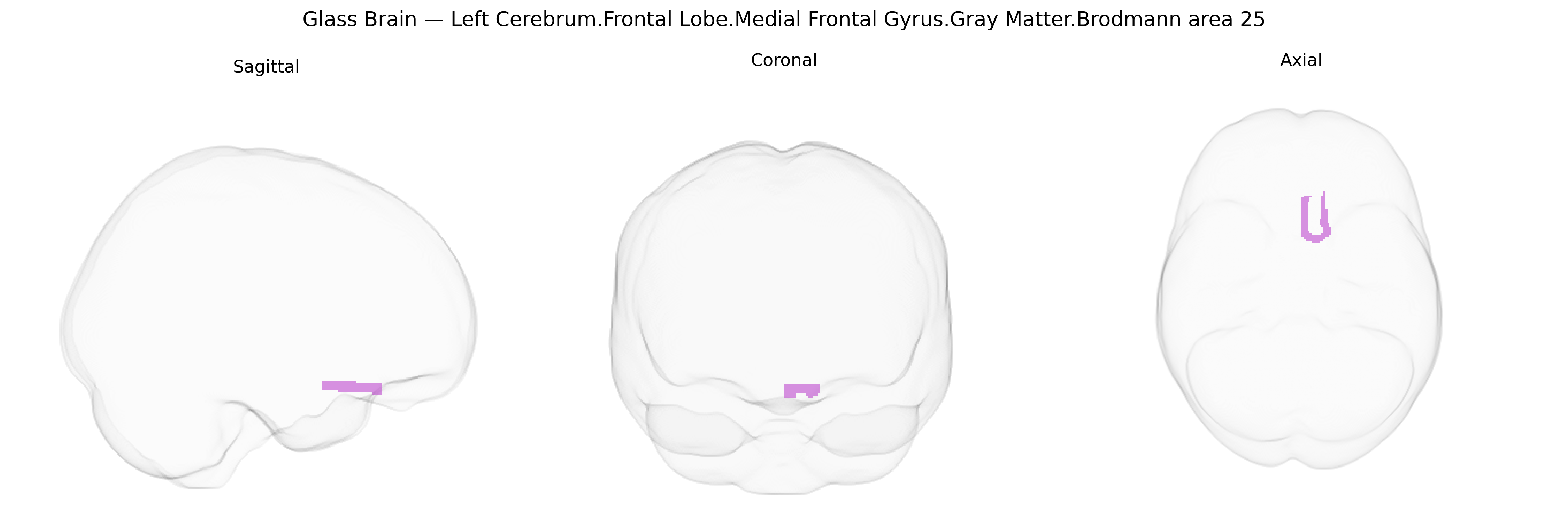
The bilateral Left Cerebrum.Frontal Lobe.Medial Frontal Gyrus.Gray Matter.Brodmann area 25 corresponds to a ventromedial prefrontal cortical region located in the subgenual portion of the cingulate gyrus, lying beneath the genu of the corpus callosum and closely associated with limbic structures. This area is heavily interconnected with the amygdala, hypothalamus, ventral striatum, and other orbitofrontal and medial prefrontal regions, supporting roles in mood regulation, autonomic and endocrine control, valuation of reward and punishment, and integration of emotional and visceral states with decision-making. Brodmann area 25 has been strongly implicated in affective disorders, particularly major depression, where altered activity and metabolism have been reported and where it has been targeted by deep brain stimulation as a potential treatment site. (No direct link; related structure: Subgenual anterior cingulate cortex)
Genetic associations for the medial frontal gyrus gray matter in Brodmann area 25—part of subgenual/ventromedial prefrontal cortex implicated in mood regulation—arise primarily from imaging genetics and large-scale GWAS of brain structure and psychiatric phenotypes rather than from region-specific Talairach-based studies. BA25 volume and cortical thickness show modest heritability, with polygenic contributions dispersed across the genome; recent brain MRI GWAS (e.g., ENIGMA and UK Biobank–based studies) have identified loci in and near genes involved in neurodevelopment, synaptic function, and cortical patterning (such as variants near DCX, DCC, and multiple glutamatergic and GABAergic pathway genes) that influence medial prefrontal or subgenual cingulate morphology, although findings are typically reported at coarser parcellation levels than the Talairach 1 mm atlas. Functionally, BA25 has been linked to major depressive disorder, bipolar disorder, and anxiety conditions, with genetic risk for these disorders—indexed by polygenic risk scores from large GWAS (e.g., for MDD, bipolar disorder, PTSD)—predicting altered activity, connectivity, or structure in this region; several studies have shown that higher polygenic burden for depression and related traits correlates with reduced gray matter volume or abnormal activation in subgenual/medial frontal regions during affective tasks. Variants in genes such as SLC6A4 (serotonin transporter), BDNF, and FKBP5 have been associated with BA25 or closely adjacent medial prefrontal functional responses to emotional stimuli and antidepressant treatment in candidate-gene imaging genetics work, though these results are less robust than genome-wide findings and sometimes fail to replicate. In addition, GWAS of neuroticism, negative affect, and stress sensitivity yield polygenic scores that explain variance in subgenual/medial frontal activity and connectivity within fronto-limbic circuits, supporting a genetically mediated role of BA25 in affective regulation and vulnerability to mood and anxiety disorders, but no single variant with specific, strong, and consistently replicated association uniquely targets bilateral BA25 gray matter in the Talairach framework.
Overview generated by GPT-4o (2026).
Region ID: 226
Hemisphere: bilateral
Atlas: Talairach labels 1mm
Full Quality Version: Download MP4
Full Quality Version: Download MP4
Wali Sidiqyar*, Gaurav Rudravaram*, Elyssa M. McMaster, Trent M. Schwartz, Adam M. Saunders, Kurt G. Schilling, Bennett A. Landman "Introducing SPINS: A Shared Public Visualization Library of Neuroanatomical Structures." Medical Imaging with Deep Learning- short paper
This resource is licensed under CC0 1.0 Universal (Public Domain).