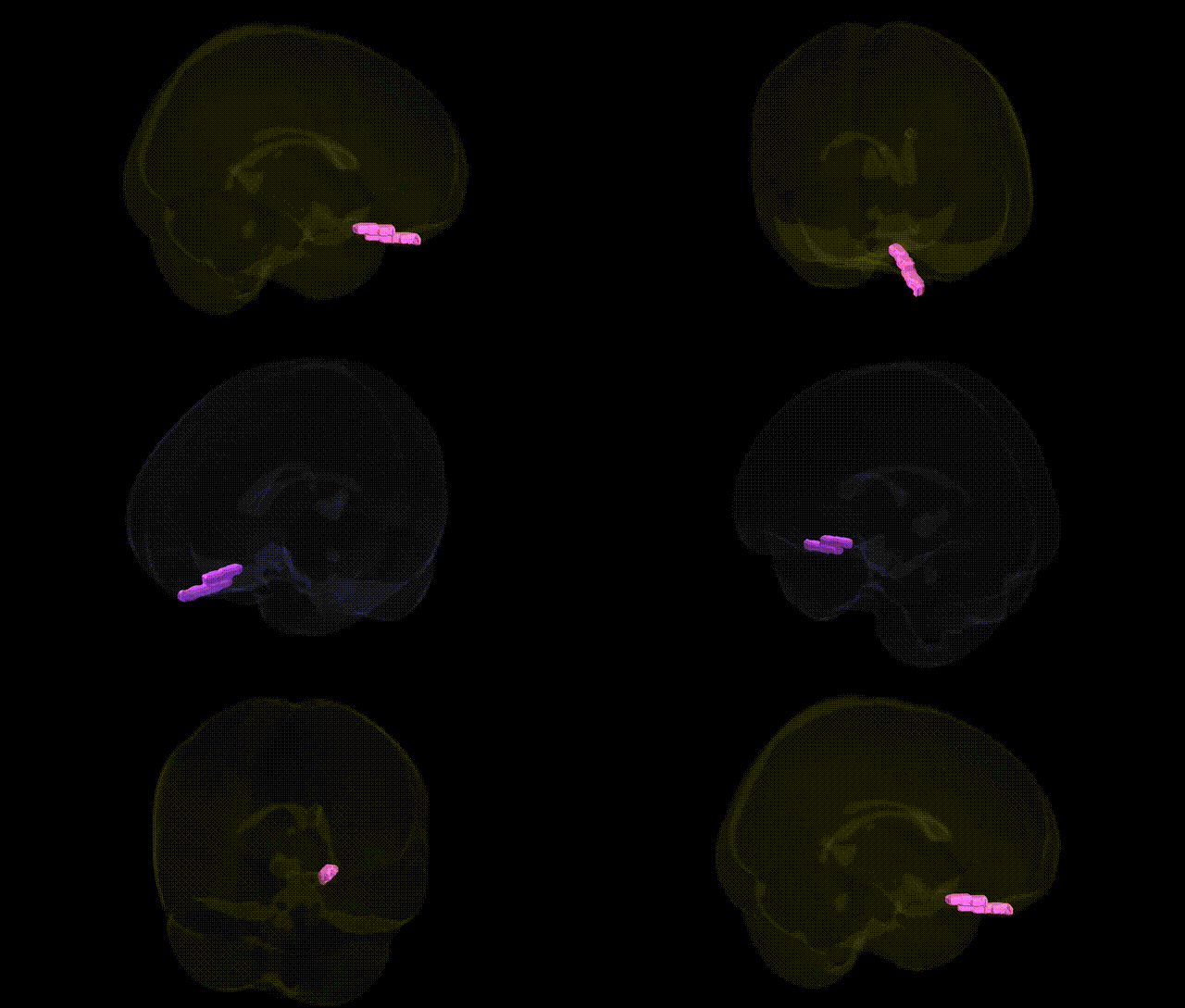
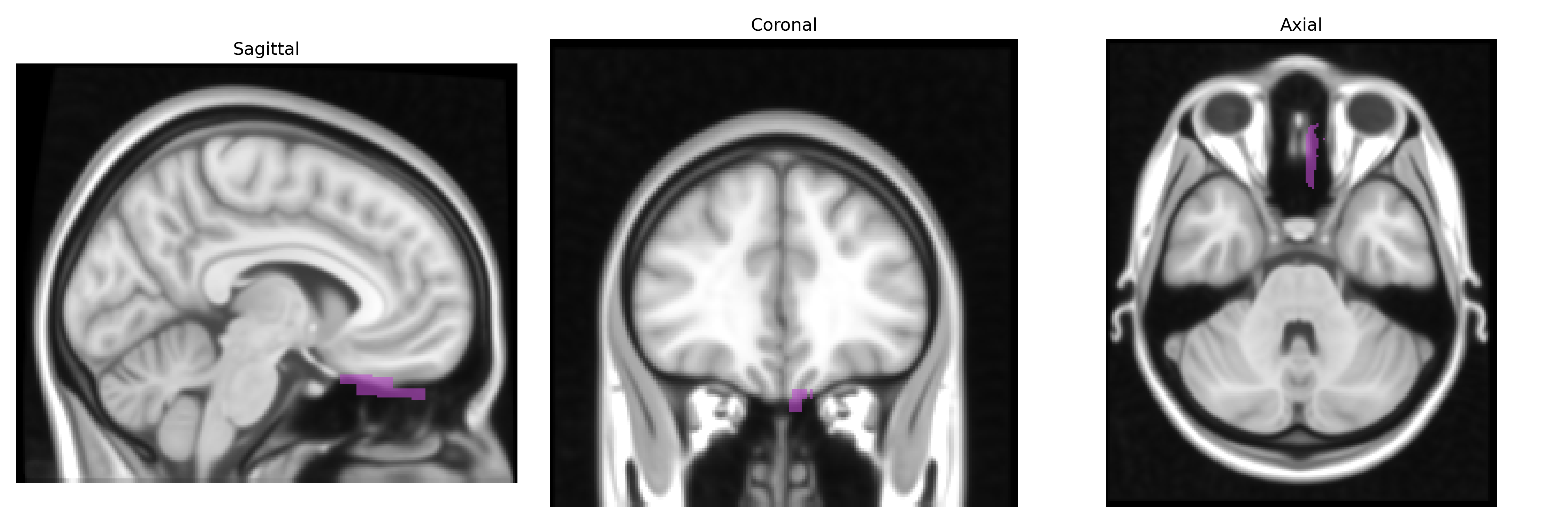
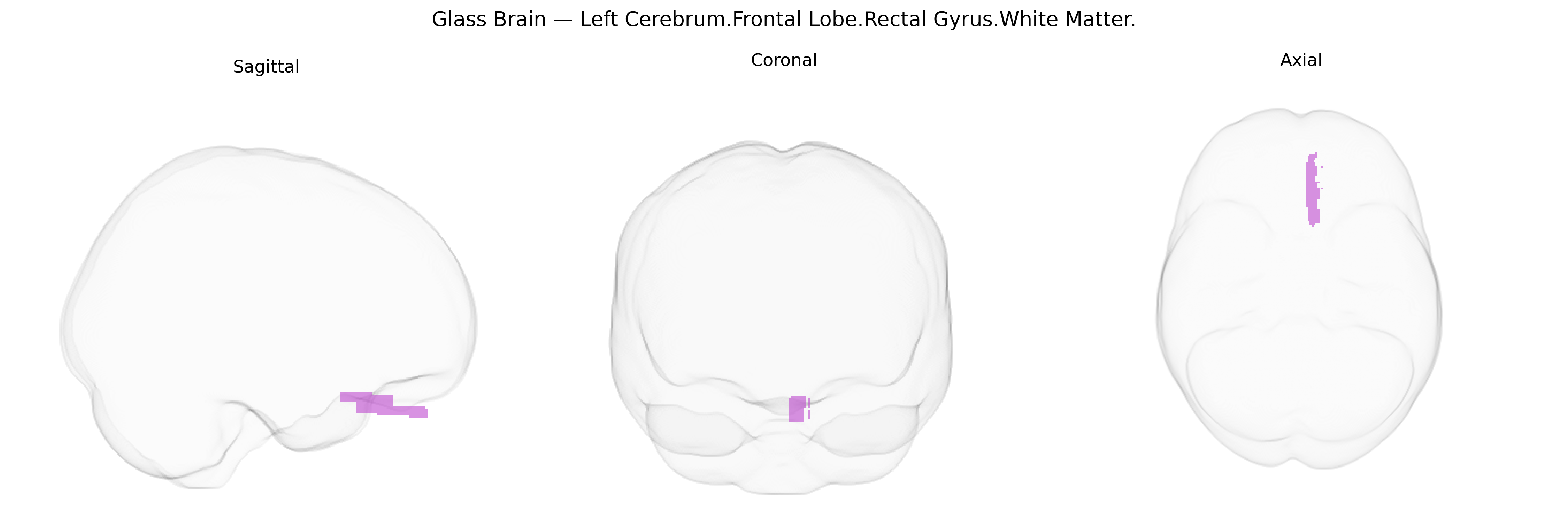
The bilateral Left Cerebrum.Frontal Lobe.Rectal Gyrus.White Matter corresponds to the subcortical myelinated fiber pathways underlying the rectus (straight) gyrus of the medial orbitofrontal cortex, situated on the ventromedial surface of the frontal lobe directly above the orbital roof. This white matter region contains association fibers that interconnect medial and lateral orbitofrontal areas and link these regions with other prefrontal and limbic structures, supporting integrative functions related to affective evaluation, reward processing, decision-making, and autonomic-visceral regulation. It is supplied by branches of the anterior cerebral artery (notably the orbitofrontal branches) and is adjacent to the olfactory tract and gyrus rectus cortex, with which it forms part of the broader ventromedial prefrontal network. There is no direct link for “rectal gyrus white matter”; related cortical territory and function are described under the Gyrus rectus.
Genetic associations specifically targeting the bilateral Left Cerebrum Frontal Lobe Rectal (rectus) Gyrus White Matter, as defined in the Talairach 1 mm atlas, are not well characterized at the fine-grained regional level, but converging evidence from imaging-genetics and GWAS implicates this orbitofrontal/ventromedial frontal territory and its underlying white matter in several heritable traits and disorders. Large-scale cortical and white matter GWAS (e.g., ENIGMA and UK Biobank–based studies) indicate that orbitofrontal thickness, surface area, and adjacent inferior frontal and medial prefrontal white matter tracts show significant SNP-based heritability and associations with genes involved in neurodevelopment (such as those affecting axon guidance, myelination, and synaptic plasticity), with notable loci including variants near genes like HMGA2, WNT signaling components, and cell-adhesion/migration genes that broadly influence frontal lobe morphology. Polygenic risk for major depressive disorder, bipolar disorder, schizophrenia, and anxiety-related traits has been linked to structural differences in ventromedial and orbitofrontal cortical regions and their white matter connections, including reduced volume or altered integrity in tracts such as the uncinate fasciculus and cingulum bundle that intersect or pass near the rectus gyrus white matter. Additionally, GWAS of cognitive performance, educational attainment, and personality traits (e.g., neuroticism) show that higher polygenic scores for these traits correlate with structural and connectivity variation in frontal midline and orbitofrontal regions, suggesting that the genetic architecture influencing frontal white matter microstructure contributes to individual differences in executive function, reward processing, and emotion regulation. While no robust, widely replicated GWAS locus appears uniquely specific to the rectus gyrus white matter, this region participates in ventromedial prefrontal networks whose structure and connectivity are repeatedly implicated in genetically influenced vulnerability to mood and psychotic disorders, as well as in normal variation in affective and cognitive traits.
Overview generated by GPT-4o (2026).
Region ID: 148
Hemisphere: bilateral
Atlas: Talairach labels 1mm
Full Quality Version: Download MP4
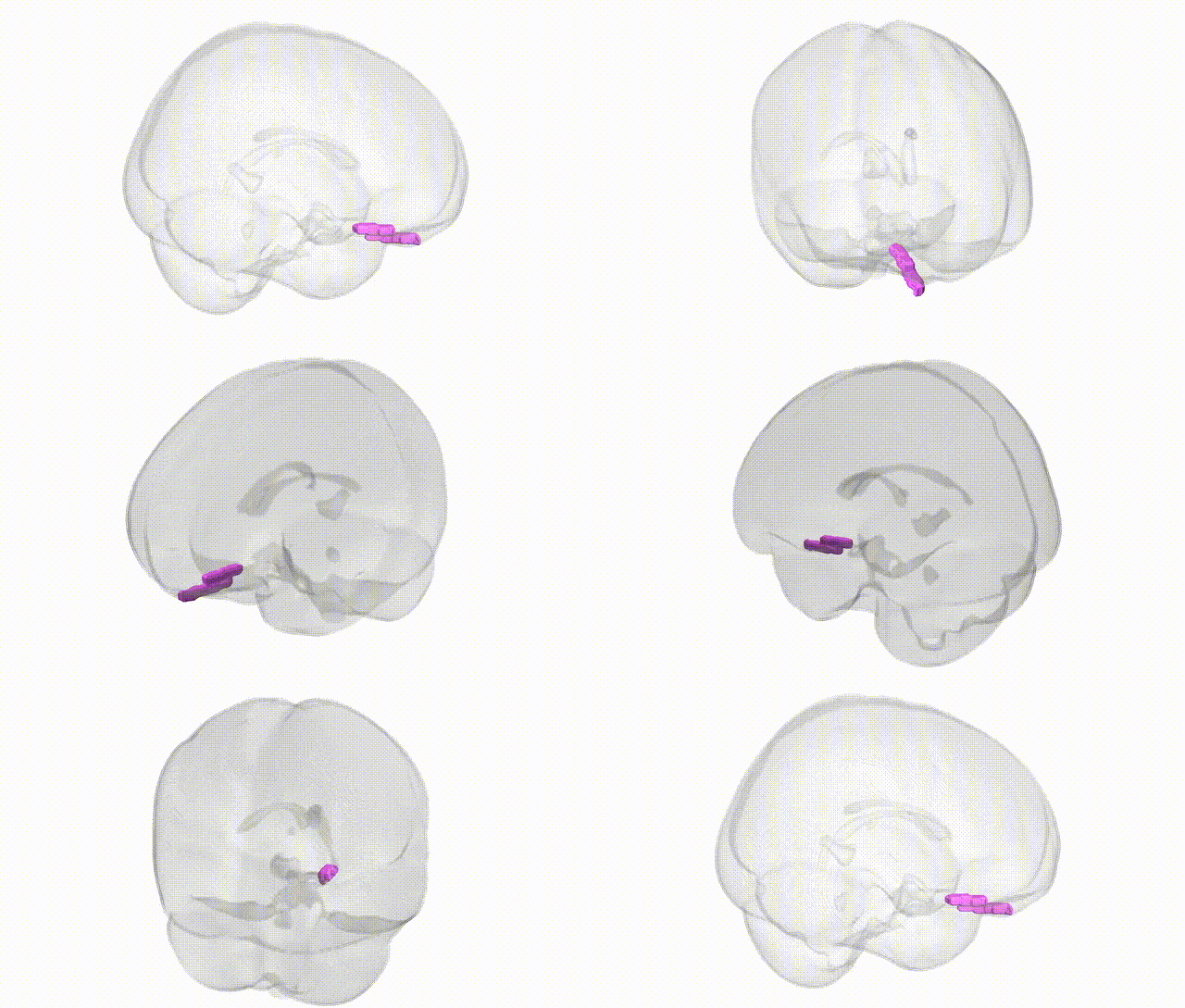
Full Quality Version: Download MP4
Wali Sidiqyar*, Gaurav Rudravaram*, Elyssa M. McMaster, Trent M. Schwartz, Adam M. Saunders, Kurt G. Schilling, Bennett A. Landman "Introducing SPINS: A Shared Public Visualization Library of Neuroanatomical Structures." Medical Imaging with Deep Learning- short paper
This resource is licensed under CC0 1.0 Universal (Public Domain).