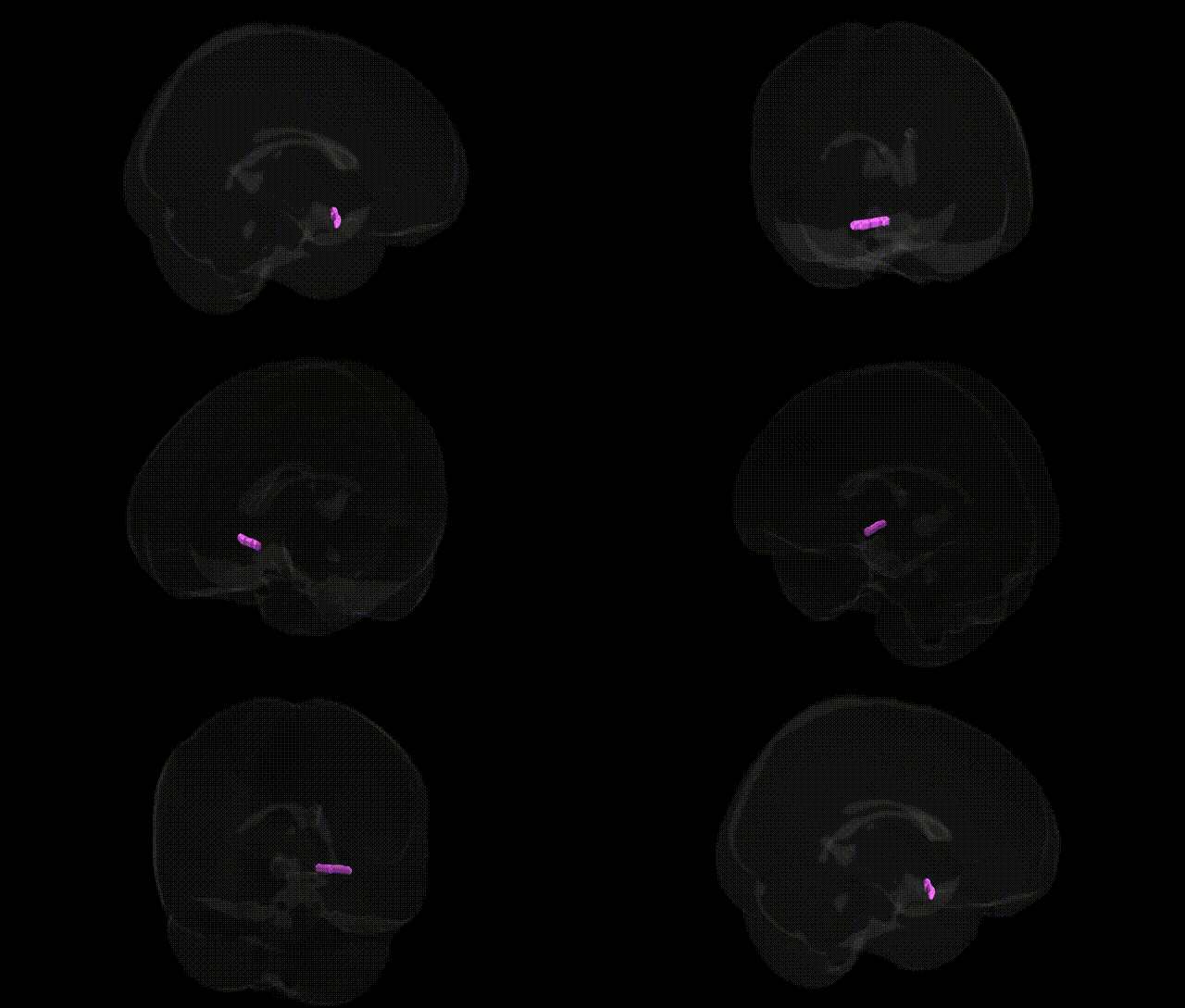
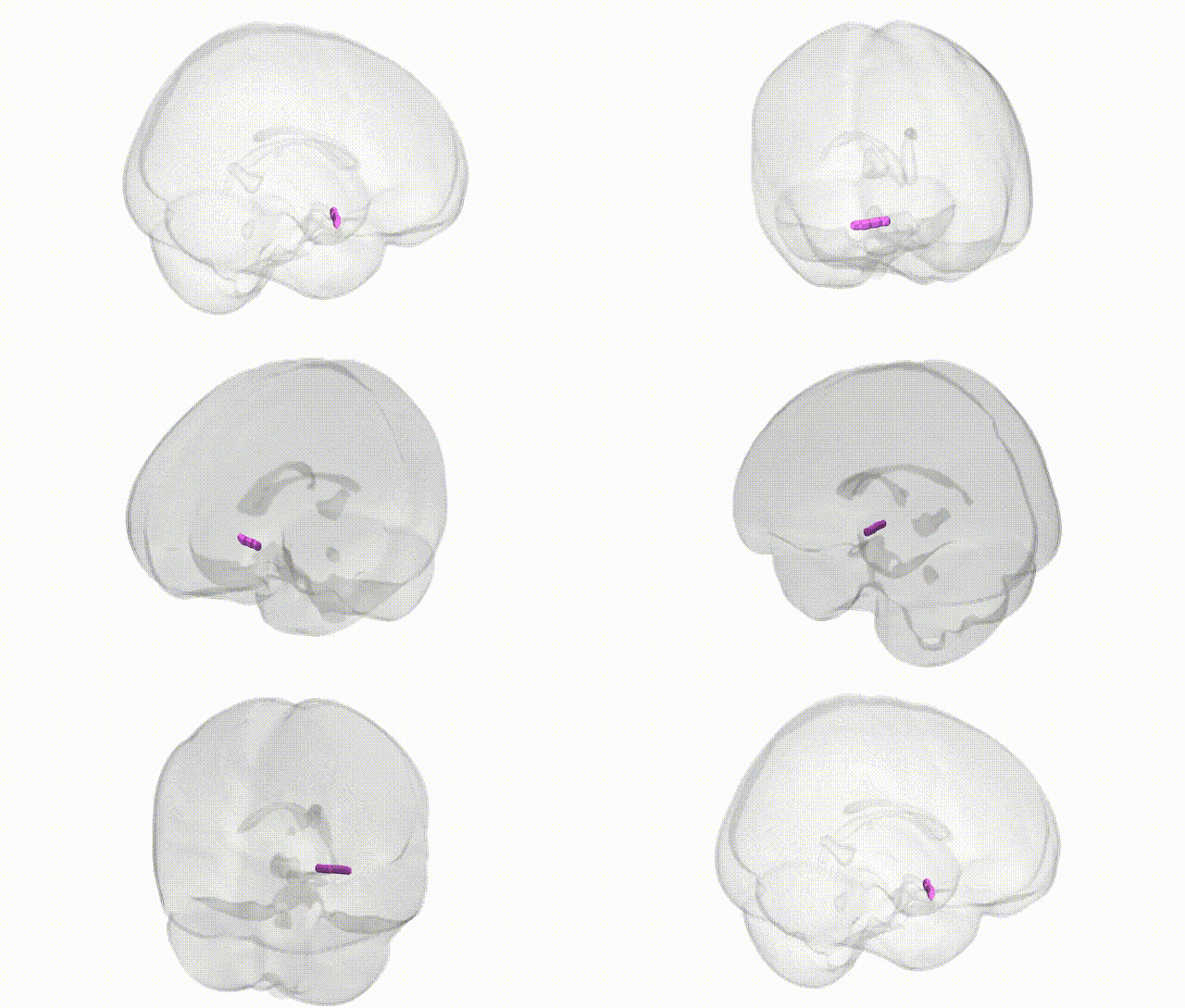
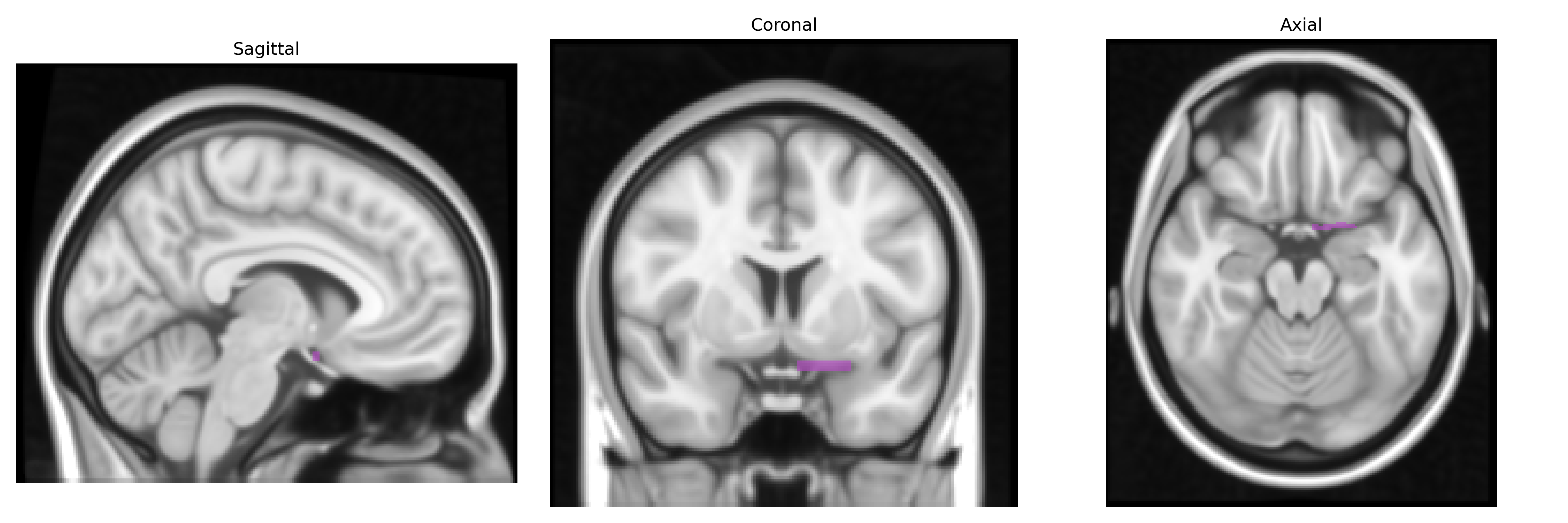
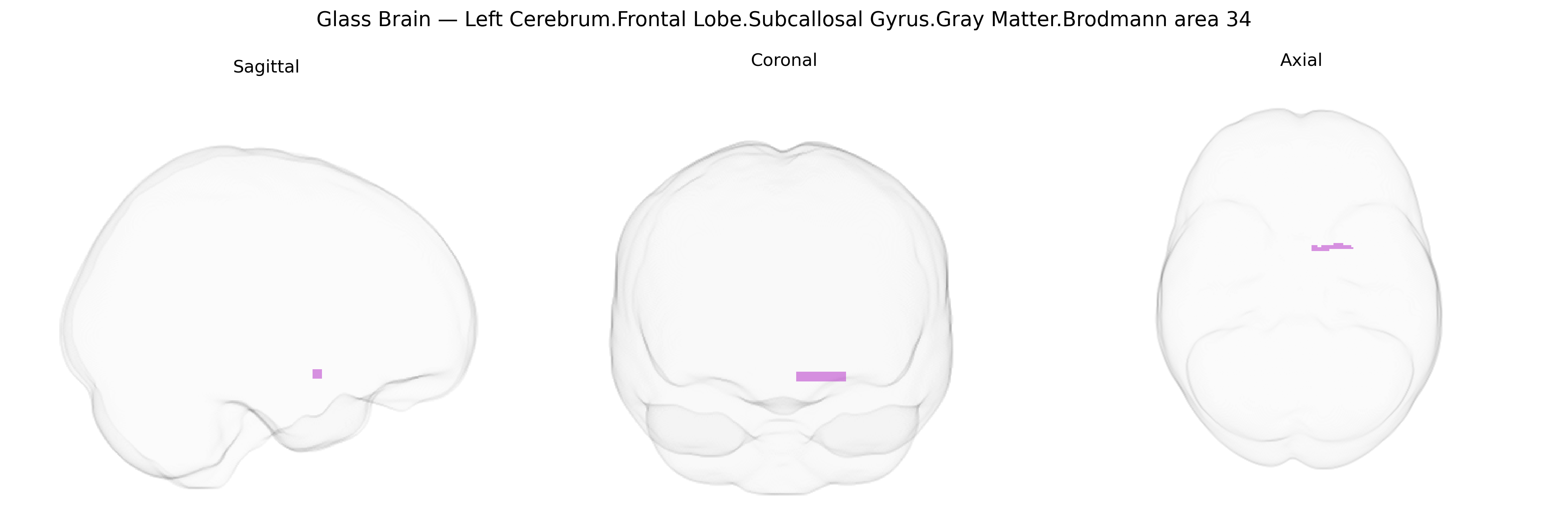
The bilateral Left Cerebrum.Frontal Lobe.Subcallosal Gyrus.Gray Matter.Brodmann area 34 corresponds primarily to cortex located in the ventromedial region at the base of the frontal lobe, closely apposed to the inferior aspect of the genu of the corpus callosum and extending into the transition zone between orbitofrontal and medial limbic structures. In the Talairach framework, this area is cytoarchitectonically related to perirhinal and entorhinal-associated cortices and often grouped functionally within the ventral limbic network, contributing to integration of visceral-autonomic signals with affective processing and memory-related circuitry. It receives multimodal input from olfactory, limbic, and prefrontal regions and projects to structures such as the amygdala, hypothalamus, and hippocampal formation, thereby participating in modulation of emotional valence, autonomic responses, and contextual aspects of memory. There is no dedicated Wikipedia article for Brodmann area 34 in the subcallosal gyrus; a closely related and encompassing structure is the Subcallosal gyrus.
The subcallosal gyrus (often overlapping with subgenual/ventromedial prefrontal cortex and Brodmann area 25 more than classic BA34, but falling in the Talairach-defined “subcallosal” region) has been repeatedly implicated in genetic and genome-wide association studies of mood and affective traits, particularly major depressive disorder and related endophenotypes. Structural and functional MRI–GWAS work from large consortia such as ENIGMA and UK Biobank has shown that variation in gray matter volume and cortical thickness in this ventromedial/subcallosal region is heritable and associated with common variants in genes involved in synaptic function, neurodevelopment, and HPA-axis regulation, though individual loci are often shared with broader limbic and frontal networks rather than specific to this gyrus. Polygenic risk scores for major depression, neuroticism, and anxiety-related traits correlate with altered morphology and activation of the subcallosal region, and risk variants near genes such as SLC6A4, BDNF, FKBP5, and others influencing serotonergic signaling, neurotrophic support, and stress responsivity have been linked to structural or functional differences in adjacent ventromedial prefrontal and anterior cingulate regions that include or border the subcallosal gyrus. GWAS for bipolar disorder, schizophrenia, and suicidality have also identified polygenic effects on this region’s structure and connectivity, generally as part of broader fronto-limbic circuits. Overall, genetic findings converge on the subcallosal/vmPFC area as a key node in heritable vulnerability to mood and stress-related disorders, although precise, region-specific GWAS hits for Talairach-defined “Left Cerebrum.Frontal Lobe.Subcallosal Gyrus.Gray Matter.Brodmann area 34” remain limited and are typically inferred from larger-scale parcellations rather than from this atlas label alone.
Overview generated by GPT-4o (2026).
Region ID: 280
Hemisphere: bilateral
Atlas: Talairach labels 1mm
Full Quality Version: Download MP4
Full Quality Version: Download MP4
Wali Sidiqyar*, Gaurav Rudravaram*, Elyssa M. McMaster, Trent M. Schwartz, Adam M. Saunders, Kurt G. Schilling, Bennett A. Landman "Introducing SPINS: A Shared Public Visualization Library of Neuroanatomical Structures." Medical Imaging with Deep Learning- short paper
This resource is licensed under CC0 1.0 Universal (Public Domain).