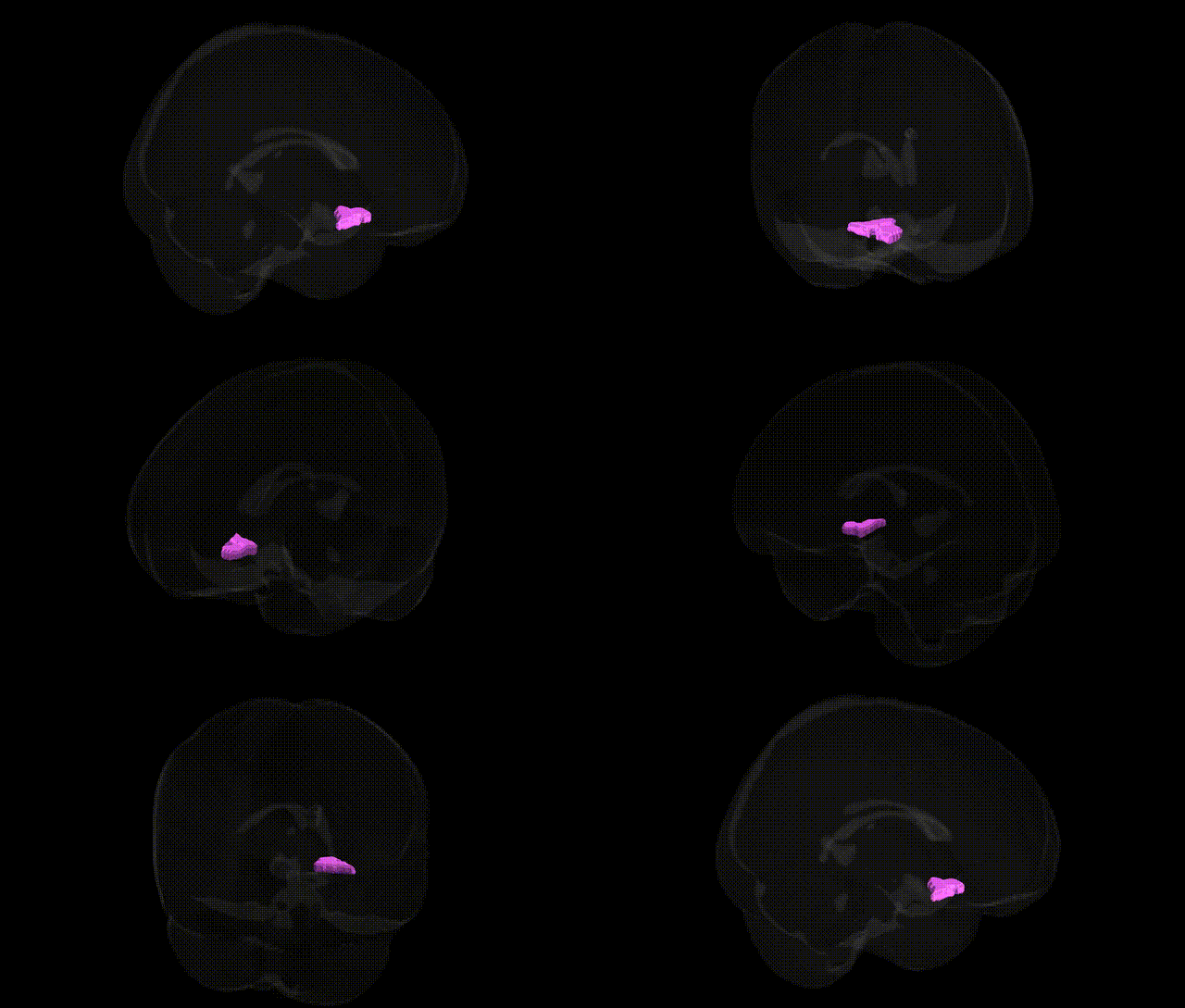
The bilateral Left Cerebrum.Frontal Lobe.Subcallosal Gyrus.White Matter corresponds to the deep myelinated fiber tracts underlying the subcallosal gyrus (also known as the subgenual area), a ventral medial prefrontal region located beneath the genu of the corpus callosum and anterior to the lamina terminalis. This white matter contains association fibers that connect medial prefrontal, orbitofrontal, limbic, and subcortical structures, including components of the cingulate cortex and basal forebrain, supporting integration of affective, autonomic, and visceromotor information. Functionally, the subcallosal region has been strongly implicated in mood regulation and is a key target in studies of major depressive disorder and deep brain stimulation interventions. There is no direct link for this specific white matter label; a closely related structure is the Subcallosal gyrus.
The bilateral Left Cerebrum.Frontal Lobe.Subcallosal Gyrus.White Matter (subgenual/subcallosal cingulate region) has been repeatedly implicated in genetic and imaging-genetics studies of mood and affective traits, particularly major depressive disorder (MDD), bipolar disorder, and related endophenotypes such as altered white-matter integrity and structural connectivity of fronto-limbic circuits. GWAS and large imaging consortia (e.g., ENIGMA) have linked common variants in genes involved in neurodevelopment, axon guidance, and myelination (such as those near genes like BDNF, NTRK2, NCAM1, and oligodendrocyte-related loci) to microstructural measures (fractional anisotropy, mean diffusivity) and volume in subgenual cingulate and adjacent white matter, which often overlaps with the Talairach subcallosal gyrus region. Risk alleles for MDD, bipolar disorder, and anxiety disorders from large GWAS (e.g., variants in CACNA1C, SLC6A4 regulatory regions, and several polygenic risk scores for depression and neuroticism) have been associated with altered connectivity between the subcallosal white matter and limbic structures (amygdala, hippocampus) and with abnormal activation patterns during emotional processing. Additional associations include links to suicidal behavior, treatment response to antidepressants and deep brain stimulation targeting the subcallosal cingulate, and broader personality traits such as neuroticism and negative affect, suggesting that genetic variation influencing this region’s white-matter properties contributes to the heritable risk architecture of mood, stress-related, and some cognitive–affective phenotypes.
Overview generated by GPT-4o (2026).
Region ID: 290
Hemisphere: bilateral
Atlas: Talairach labels 1mm
Full Quality Version: Download MP4
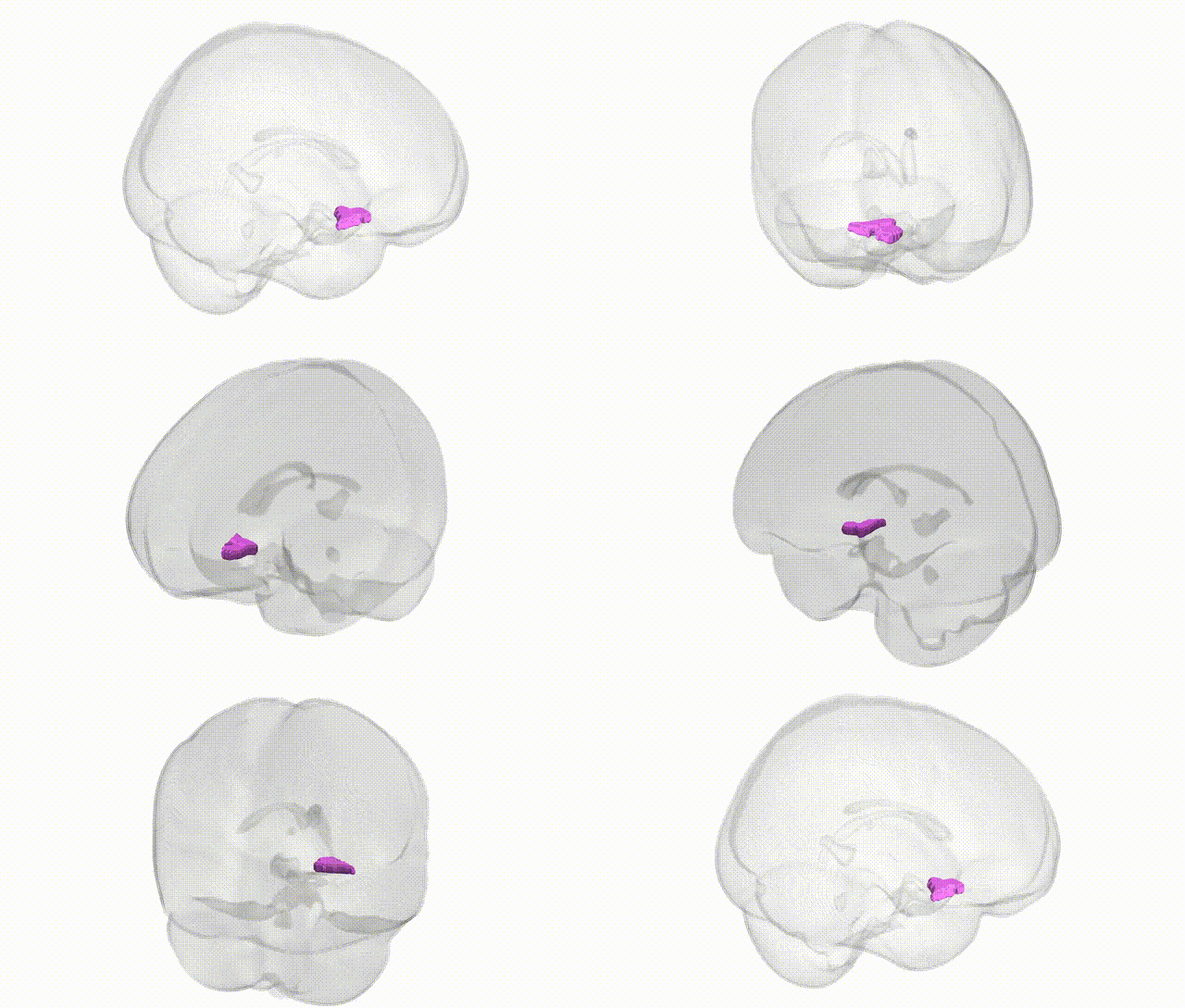
Full Quality Version: Download MP4
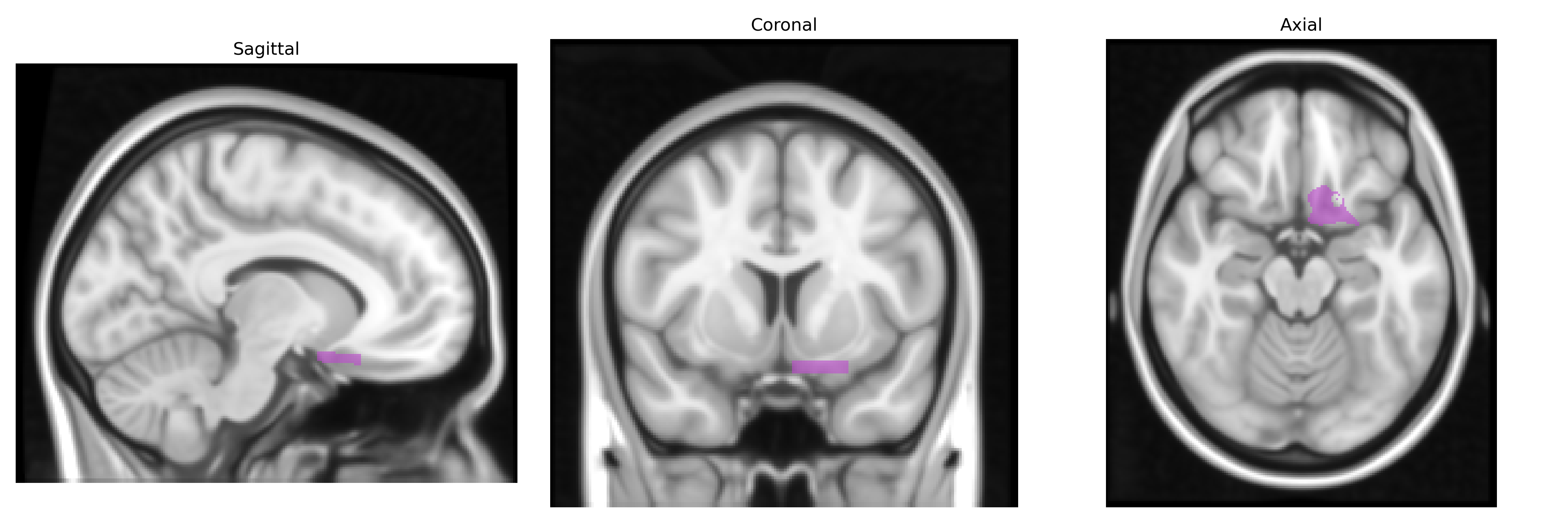
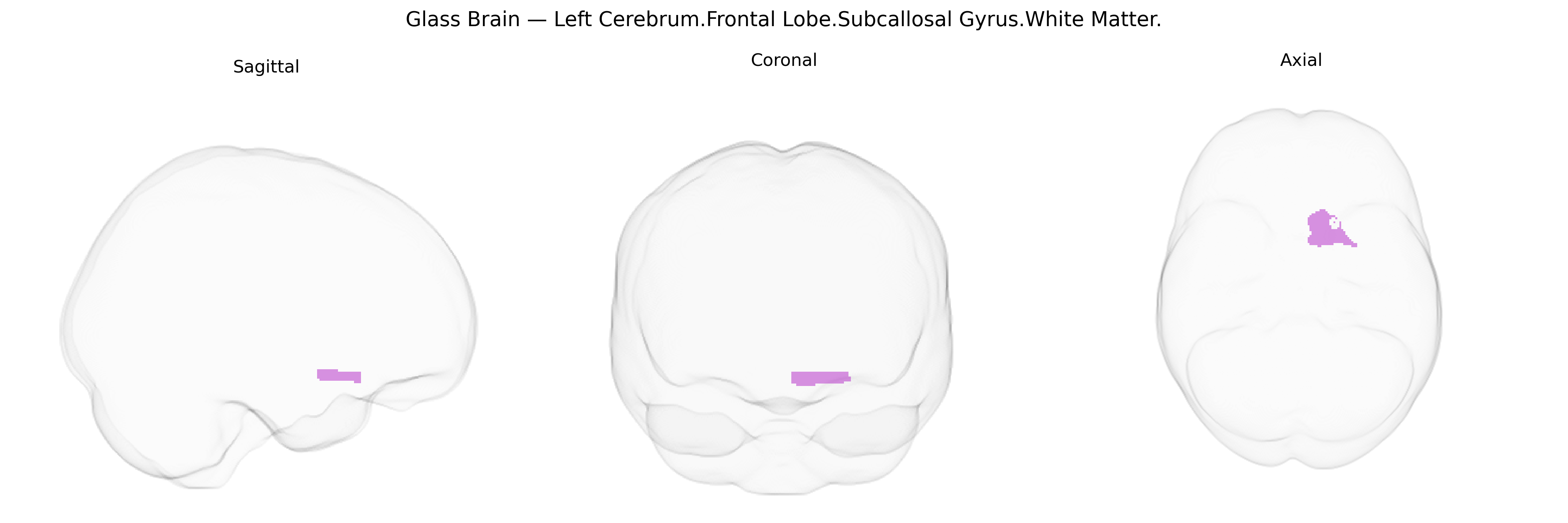
Wali Sidiqyar*, Gaurav Rudravaram*, Elyssa M. McMaster, Trent M. Schwartz, Adam M. Saunders, Kurt G. Schilling, Bennett A. Landman "Introducing SPINS: A Shared Public Visualization Library of Neuroanatomical Structures." Medical Imaging with Deep Learning- short paper
This resource is licensed under CC0 1.0 Universal (Public Domain).