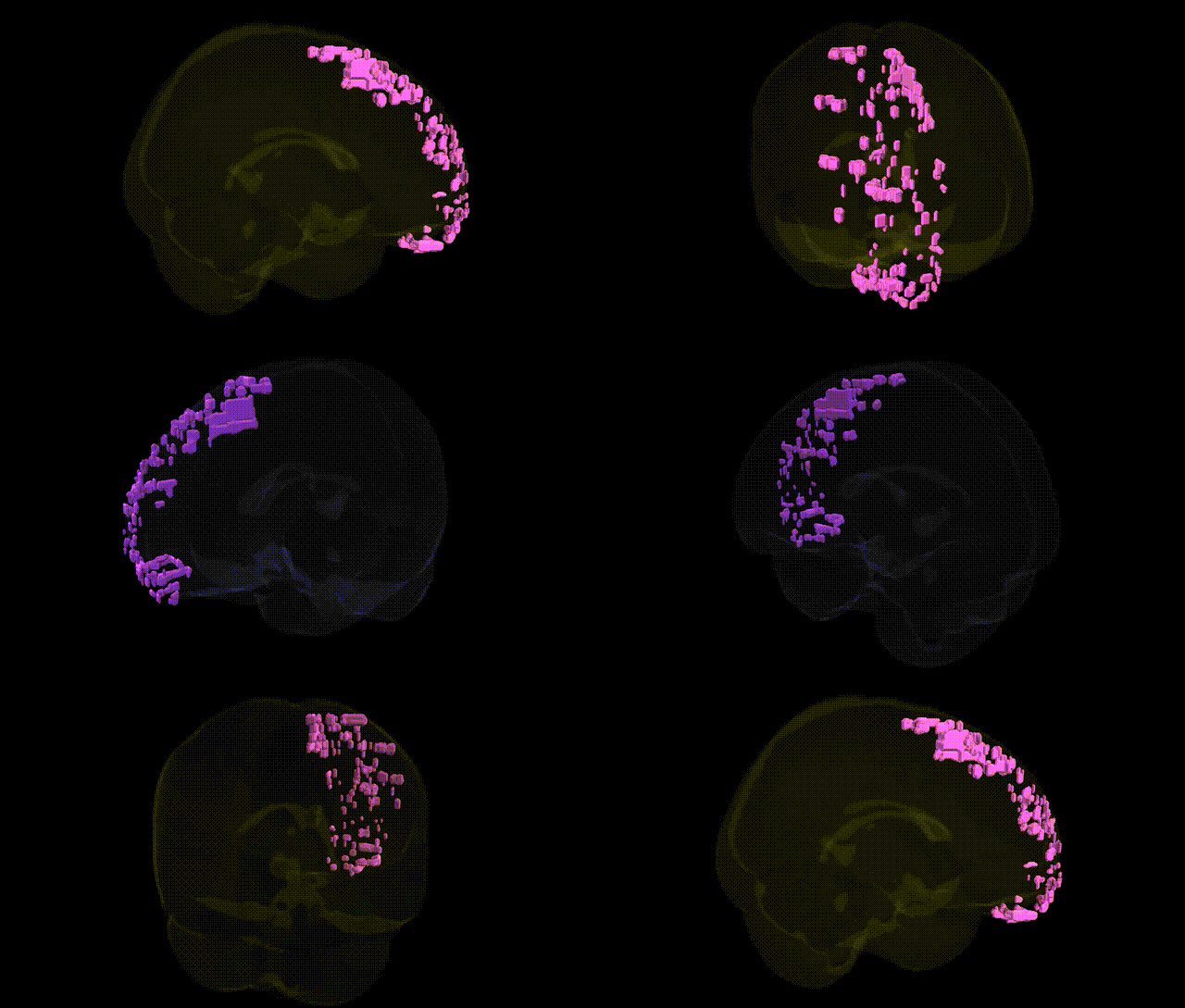
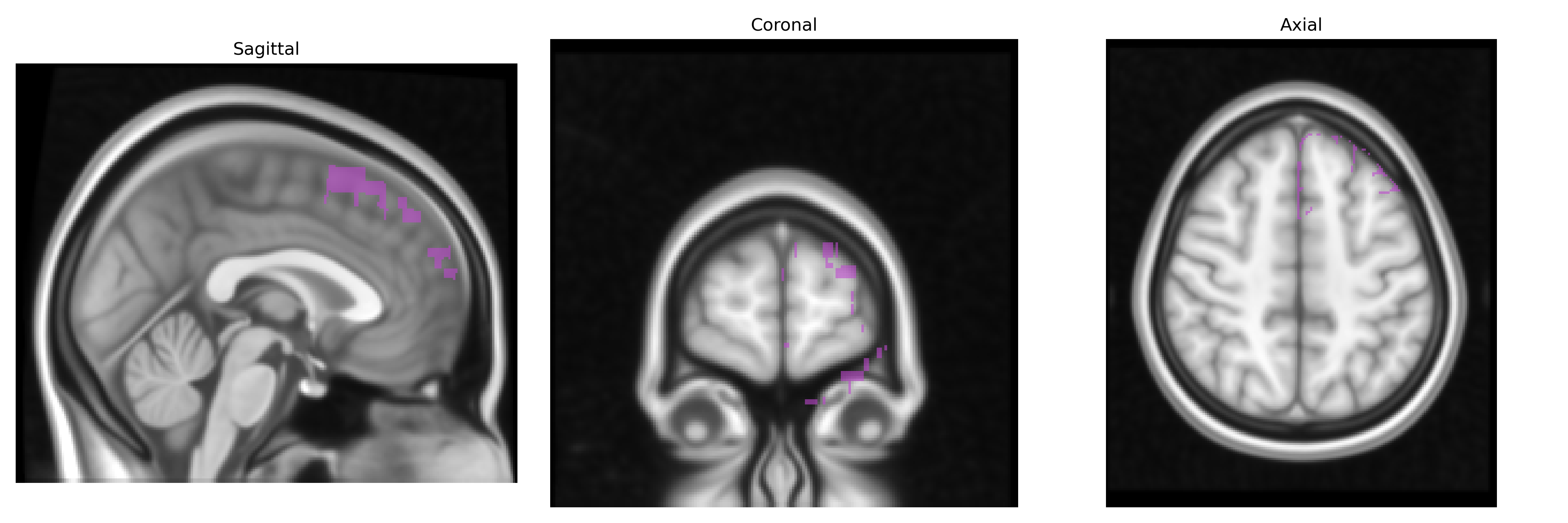
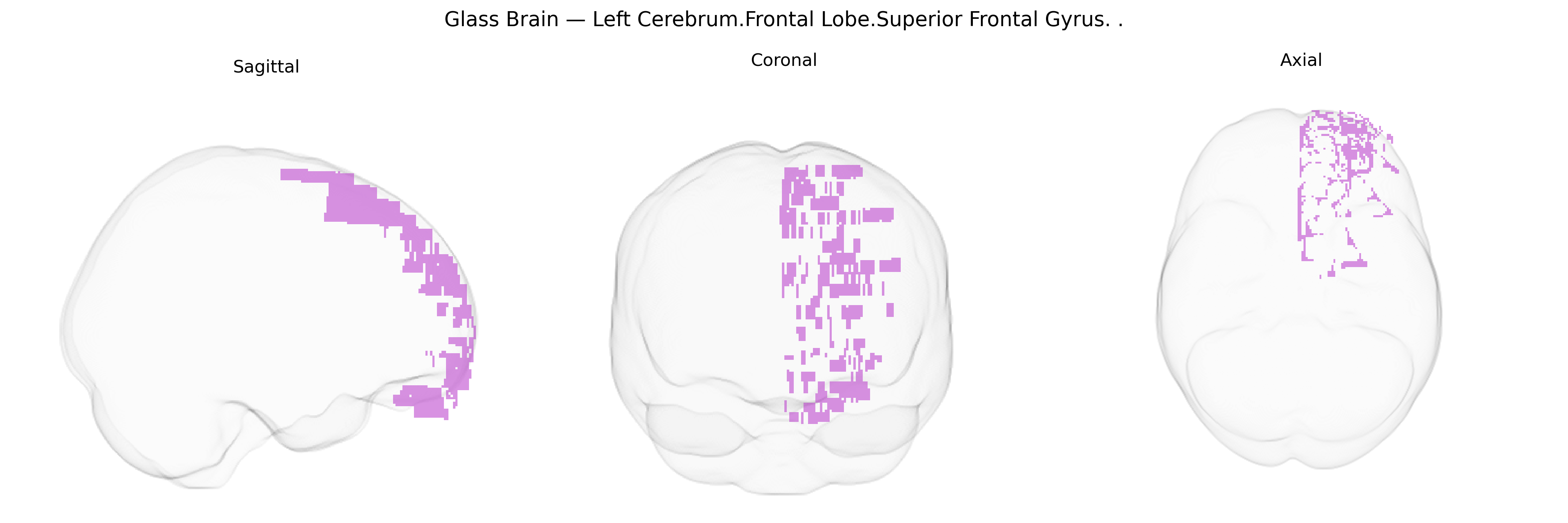
The bilateral Left Cerebrum.Frontal Lobe.Superior Frontal Gyrus, as defined in the Talairach labels (1 mm), corresponds to the dorsal portion of the frontal lobe situated along the superior frontal sulcus and extending medially toward the interhemispheric fissure, encompassing parts of the dorsomedial and dorsolateral prefrontal cortex. This region is implicated in higher-order cognitive processes, including working memory, executive control, internally guided action planning, and aspects of self-referential and default-mode network activity, as well as contributing to motor-related functions via its connections with premotor and supplementary motor areas. Anatomically, it is supplied primarily by branches of the anterior cerebral artery medially and the middle cerebral artery laterally, and it is interconnected with multiple cortical and subcortical structures such as the parietal cortex, basal ganglia, and thalamus, supporting integrative roles in cognition and behavior. There is no direct link for “Superior Frontal Gyrus” as a Talairach-specific entry; see the related structure Superior frontal gyrus.
The bilateral left superior frontal gyrus (SFG) in the frontal lobe has been implicated in multiple genetic and neuropsychiatric associations, largely through imaging genetics and GWAS of brain structure and function. Large-scale GWAS of cortical morphology (e.g., ENIGMA, UK Biobank) have shown that variation in genes involved in neurodevelopment, synaptic plasticity, and axon guidance (including loci near genes such as MAPT, CNTNAP2, DCC, and various cadherins) is associated with SFG cortical thickness and surface area, with some effects showing lateralization to the left hemisphere. Polygenic risk scores for schizophrenia, bipolar disorder, and major depressive disorder correlate with altered gray matter volume and cortical thickness in the SFG, and specific risk genes such as CACNA1C, ZNF804A, and variants in the major histocompatibility complex region have been tied to frontal structural and functional differences, including in this region. GWAS of cognitive traits, such as general intelligence, executive function, and working memory, have linked genetic variants (for example near genes like KL, TCF4, and others) to both cognitive performance and SFG morphology, consistent with the role of this region in higher-order cognition. SFG activity and connectivity patterns associated with common psychiatric risk loci have been observed in fMRI and resting-state studies in disorders including ADHD, OCD, and anxiety, as well as in traits like neuroticism and risk-taking, where fronto-parietal and default-mode network nodes in the SFG show genotype-dependent modulation. Although specific Talairach 1 mm atlas labels do not have unique genetic datasets, the broader left SFG region is repeatedly implicated as a structural and functional mediator of polygenic effects on cognition, mood, and psychosis-related phenotypes, as captured by large GWAS and imaging-genetic consortia.
Overview generated by GPT-4o (2026).
Region ID: 151
Hemisphere: bilateral
Atlas: Talairach labels 1mm
Full Quality Version: Download MP4
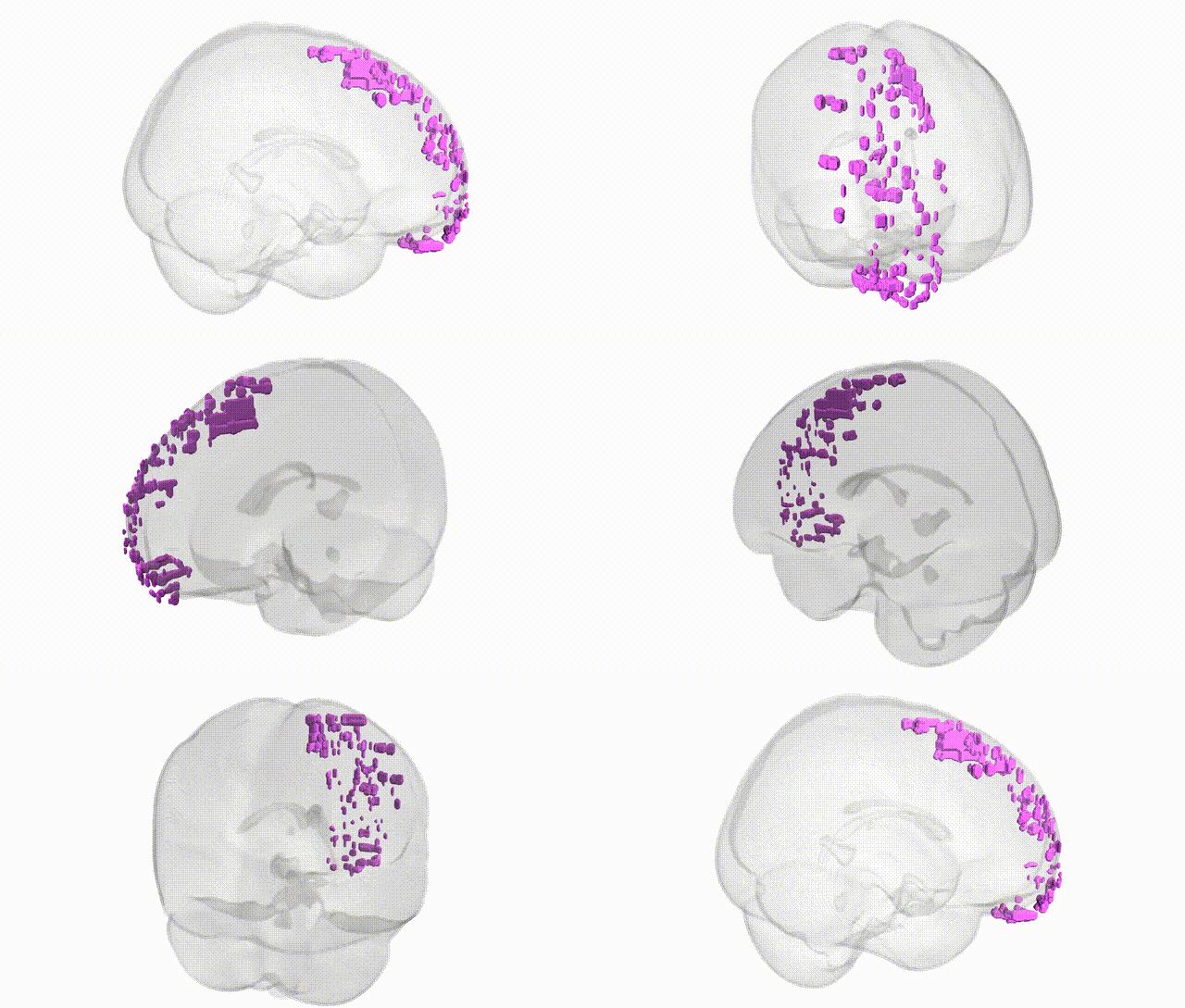
Full Quality Version: Download MP4
Wali Sidiqyar*, Gaurav Rudravaram*, Elyssa M. McMaster, Trent M. Schwartz, Adam M. Saunders, Kurt G. Schilling, Bennett A. Landman "Introducing SPINS: A Shared Public Visualization Library of Neuroanatomical Structures." Medical Imaging with Deep Learning- short paper
This resource is licensed under CC0 1.0 Universal (Public Domain).