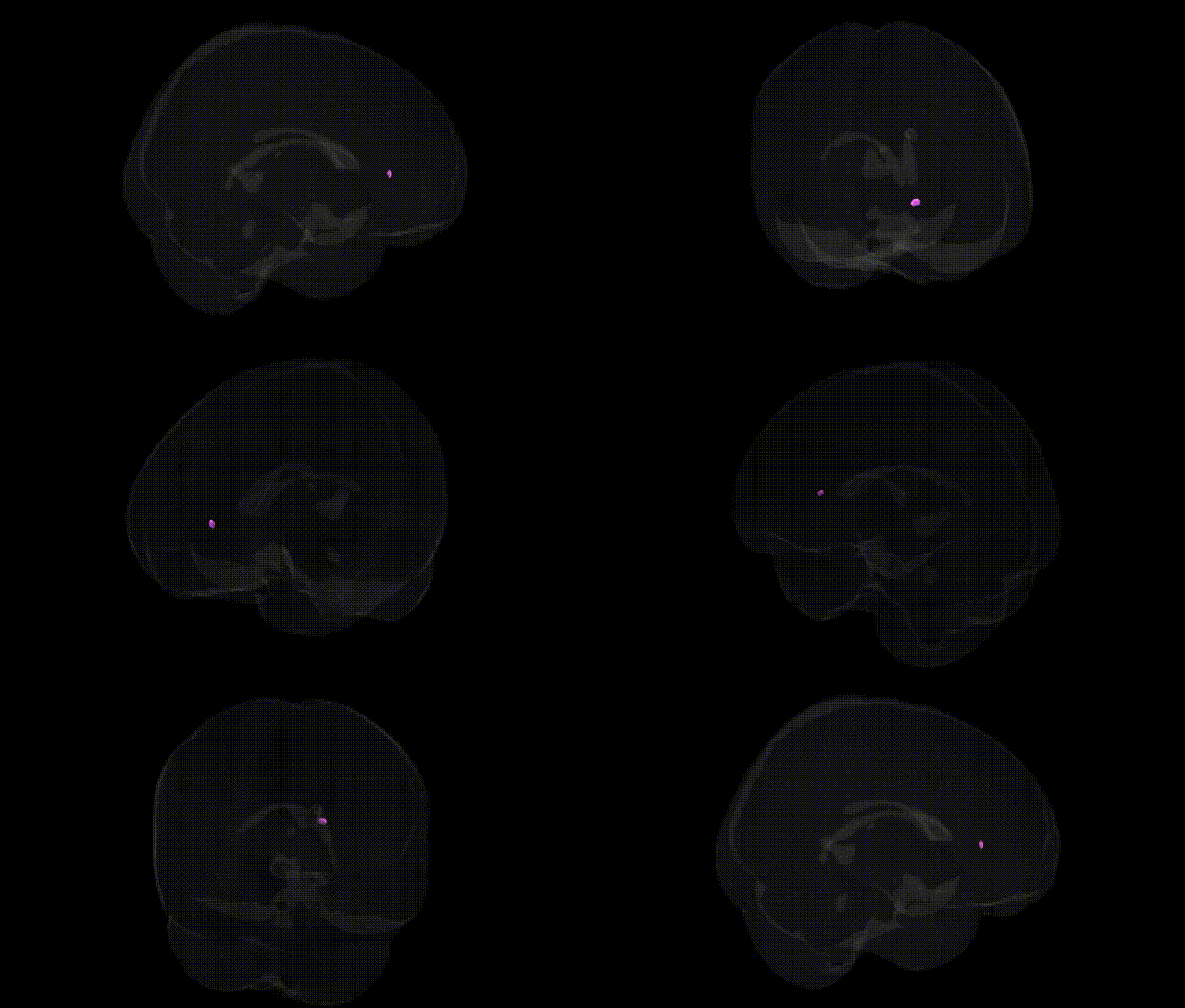
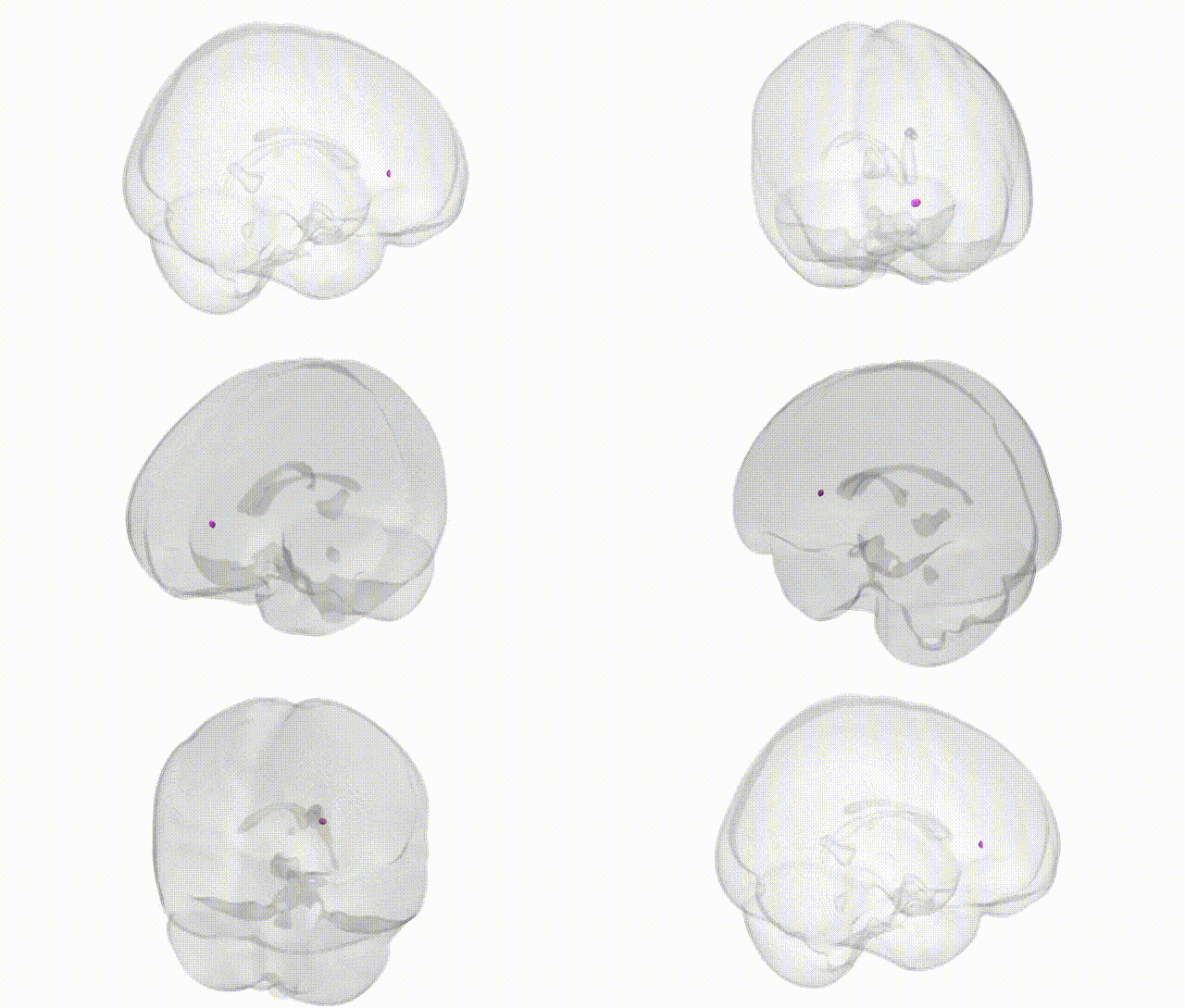
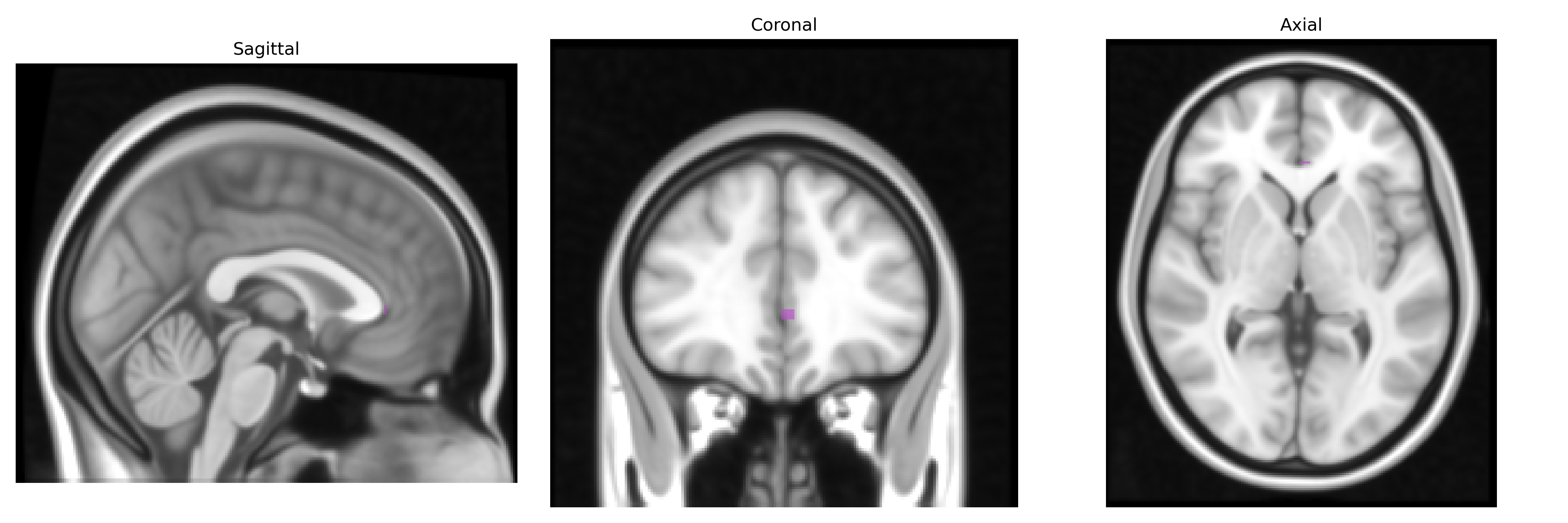
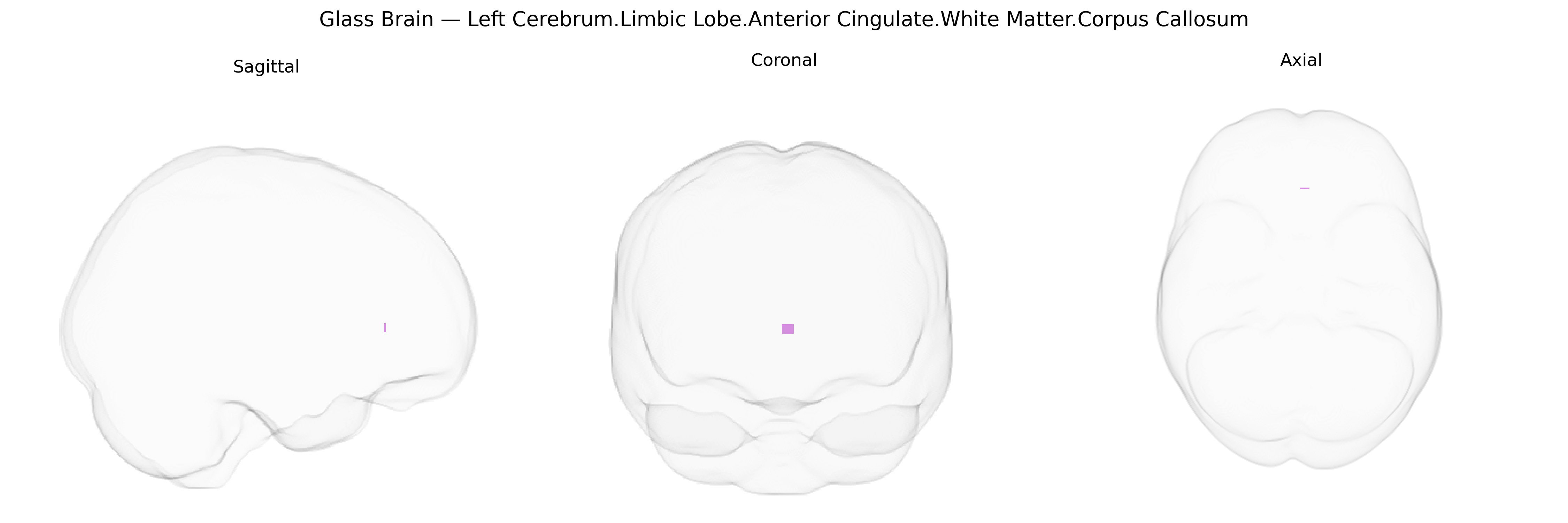
The bilateral Left Cerebrum.Limbic Lobe.Anterior Cingulate.White Matter.Corpus Callosum region in the Talairach 1 mm atlas refers to interhemispheric white matter tracts within the corpus callosum that connect limbic and anterior cingulate cortices of both hemispheres. This structure is composed predominantly of myelinated commissural fibers that facilitate rapid communication between homologous anterior cingulate and adjacent limbic regions, supporting integration of emotional, motivational, and cognitive control processes across the two cerebral hemispheres. Functionally, these fibers contribute to coordinated regulation of attention, error monitoring, affective processing, and autonomic responses, and disruption can lead to deficits in interhemispheric transfer, altered emotional regulation, and changes in higher-order executive functions.
The bilateral Left Cerebrum Limbic Lobe Anterior Cingulate White Matter/Corpus Callosum region corresponds primarily to interhemispheric frontal–limbic connectivity, and genetic associations identified in GWAS tend to reflect its role in emotion regulation, cognitive control, and white matter integrity rather than this specific Talairach parcel per se. Large imaging-genetics studies (e.g., ENIGMA, UK Biobank) have linked common variants in genes affecting myelination, axon guidance, and synaptic plasticity—such as those in or near NRG1/NRG3, MAG, CNTN4, and CADM2—to global and regional corpus callosum and anterior cingulate white matter microstructure (fractional anisotropy, mean diffusivity), which in turn show genetic correlations with traits like general cognitive ability, educational attainment, neuroticism, risk-taking, and depression-related measures. Polygenic risk scores for major depressive disorder, schizophrenia, bipolar disorder, autism spectrum disorder, and ADHD are associated with altered callosal and cingulum bundle integrity, implicating highly polygenic loci across the genome, including CACNA1C, GRIN2A, and multiple immune-related genes within the MHC region. Rare variants and CNVs (e.g., 22q11.2 deletions, 1q21.1 and 16p11.2 CNVs) frequently show callosal anomalies and anterior cingulate connectivity changes on MRI, supporting a role for neurodevelopmental genes involved in axonal pathfinding (e.g., ROBO1/2, SLIT2). Although no single gene is uniquely tied to this specific Talairach-defined region, convergent genetic evidence links its structure and connectivity to polygenic architectures underlying mood and psychotic disorders, impulsivity and suicidality, and broader cognitive and personality traits through effects on white matter development and maintenance.
Overview generated by GPT-4o (2026).
Region ID: 694
Hemisphere: bilateral
Atlas: Talairach labels 1mm
Full Quality Version: Download MP4
Full Quality Version: Download MP4
Wali Sidiqyar*, Gaurav Rudravaram*, Elyssa M. McMaster, Trent M. Schwartz, Adam M. Saunders, Kurt G. Schilling, Bennett A. Landman "Introducing SPINS: A Shared Public Visualization Library of Neuroanatomical Structures." Medical Imaging with Deep Learning- short paper
This resource is licensed under CC0 1.0 Universal (Public Domain).