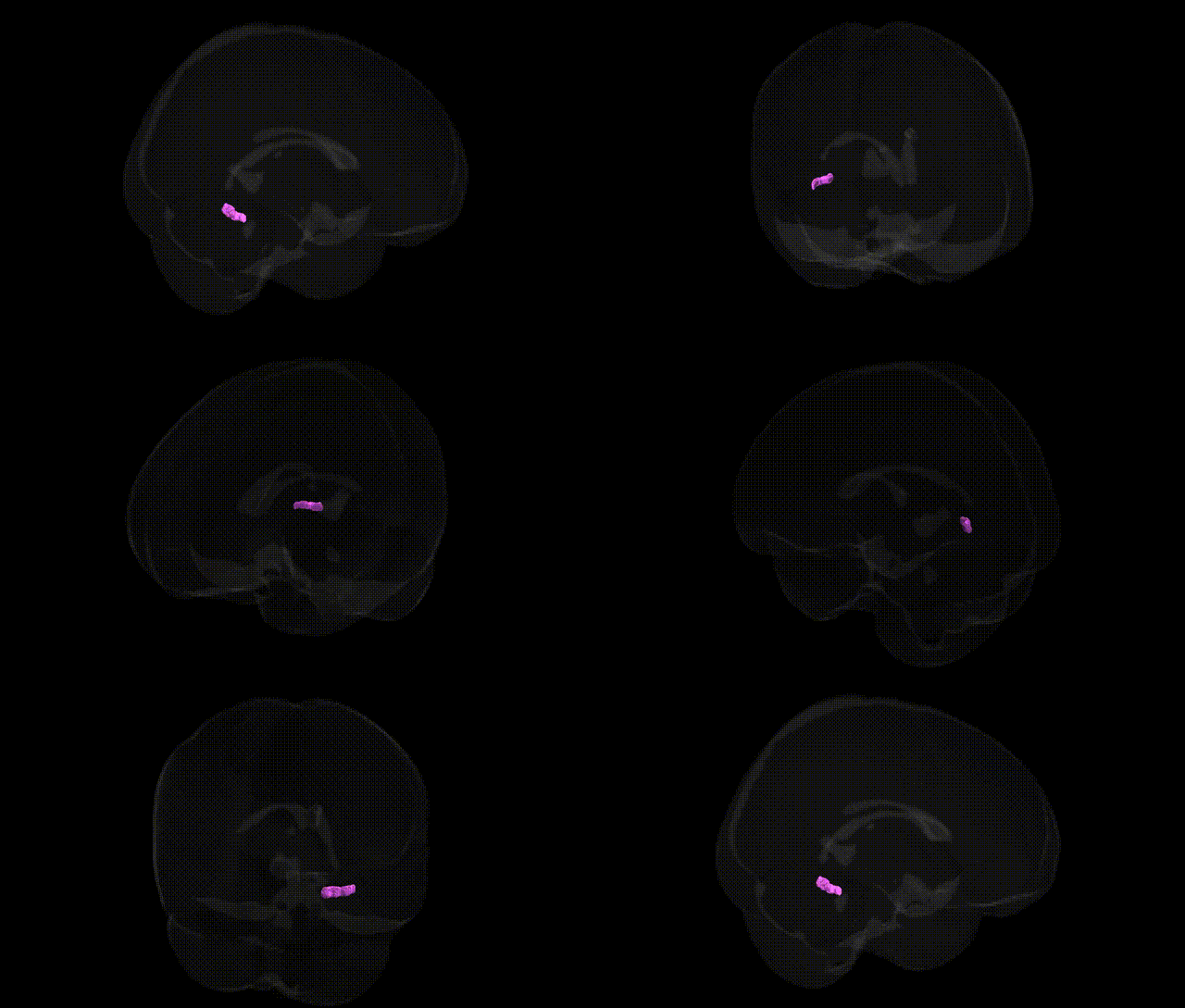
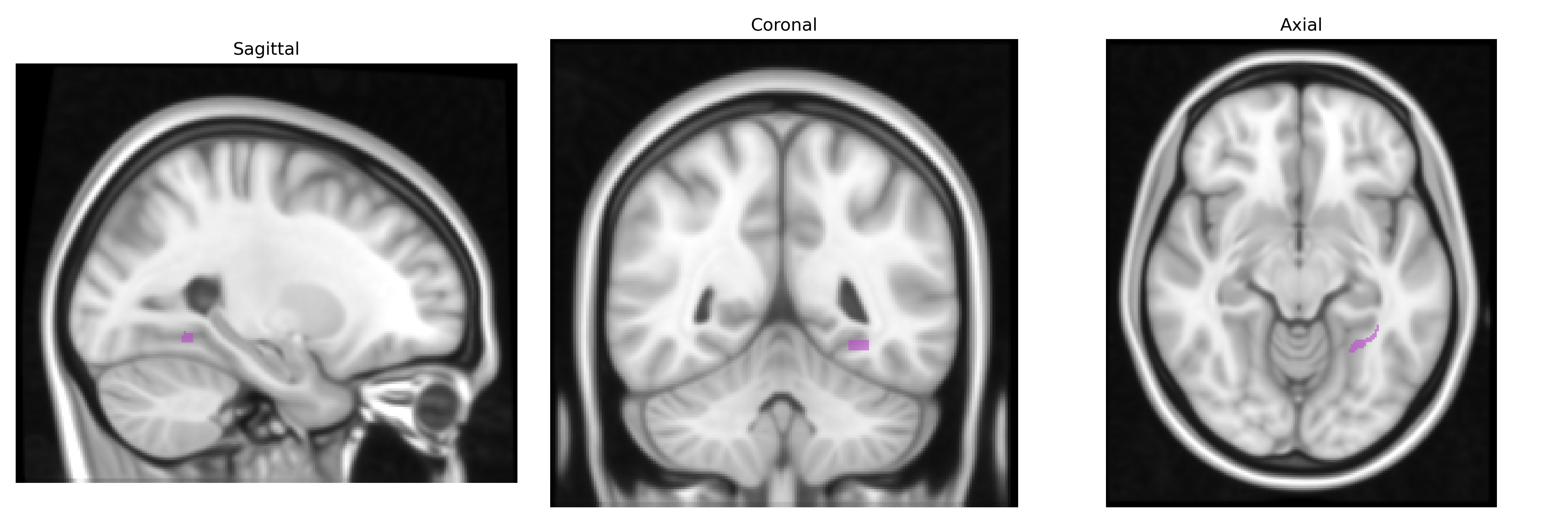
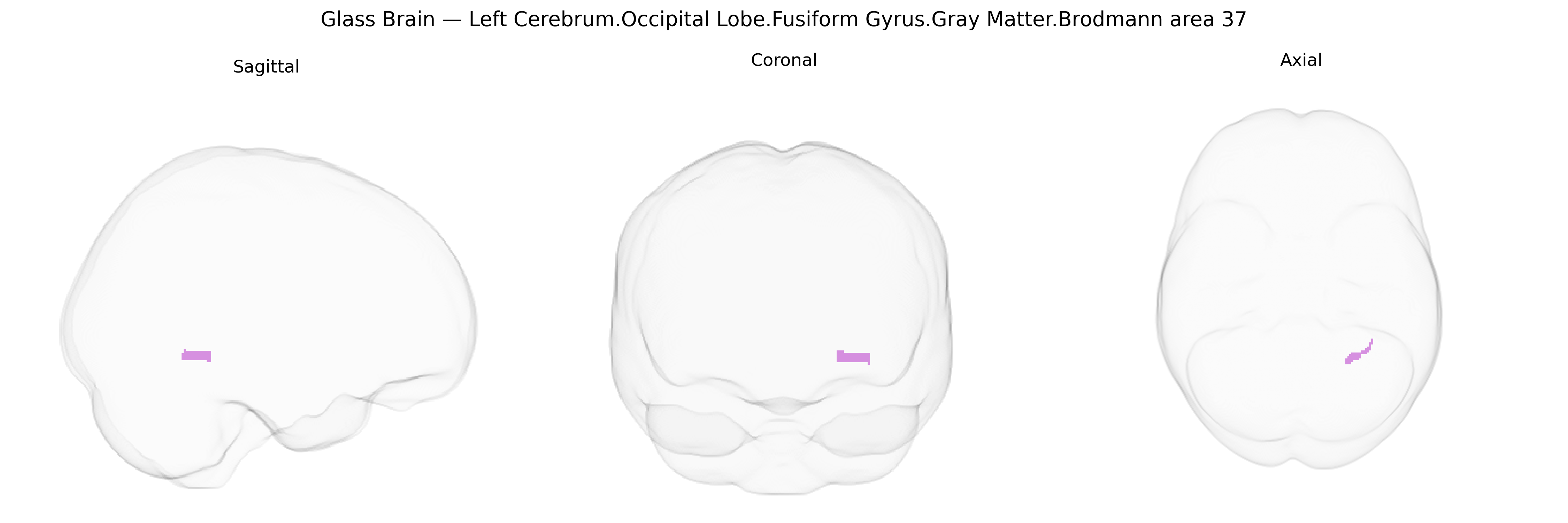
The bilateral Left Cerebrum.Occipital Lobe.Fusiform Gyrus.Gray Matter.Brodmann area 37 corresponds to a cortical territory in the posterior–inferior temporal–occipital region, localized on the fusiform gyrus and associated with higher-order visual processing. Brodmann area 37 is implicated in the recognition of complex visual stimuli, including faces, words, and objects, and contributes to multimodal integration involved in semantic processing and visual memory. Neuronal populations in this gray matter region show category-selective responses (for example, in the fusiform face area and visual word form area) and maintain strong connectivity with adjacent temporal, occipital, and limbic structures, supporting functions related to visual perception, language, and higher cognition. There is no direct Wikipedia article for this full Talairach label; a closely related structure is the fusiform gyrus: Fusiform gyrus.
The bilateral left occipital fusiform gyrus (BA37), a high-level visual region implicated in object, face, and word-form processing, shows genetic associations across several neuroimaging and psychiatric GWAS: large-scale imaging-genetics consortia (e.g., ENIGMA, UK Biobank) have linked common variants in genes involved in neurodevelopment (such as MAPT, BDNF, and multiple synaptic and axon-guidance loci) to fusiform gray matter volume and cortical thickness, while SNP-based heritability analyses indicate substantial genetic influence on its structure and function. Polygenic risk scores for schizophrenia, bipolar disorder, and major depressive disorder have been associated with altered fusiform and adjacent occipito-temporal cortical morphology, and autism spectrum disorder GWAS, together with rare CNV studies, implicate genes affecting synaptic plasticity and cortical circuit formation in atypical fusiform development, particularly in social and face-processing networks. Dyslexia and reading-related GWAS have identified variants near genes involved in neuronal migration and axonal connectivity (such as KIAA0319 and DCDC2) that are associated with structural and functional differences in the left occipito-temporal “visual word form” area overlapping BA37, while face-recognition traits and developmental prosopagnosia have been linked, in smaller genetic and family-based studies, to loci affecting fusiform gyrus organization and ventral visual stream connectivity, although specific risk variants remain less well established compared with broader cortical and disorder-level associations.
Overview generated by GPT-4o (2026).
Region ID: 329
Hemisphere: bilateral
Atlas: Talairach labels 1mm
Full Quality Version: Download MP4
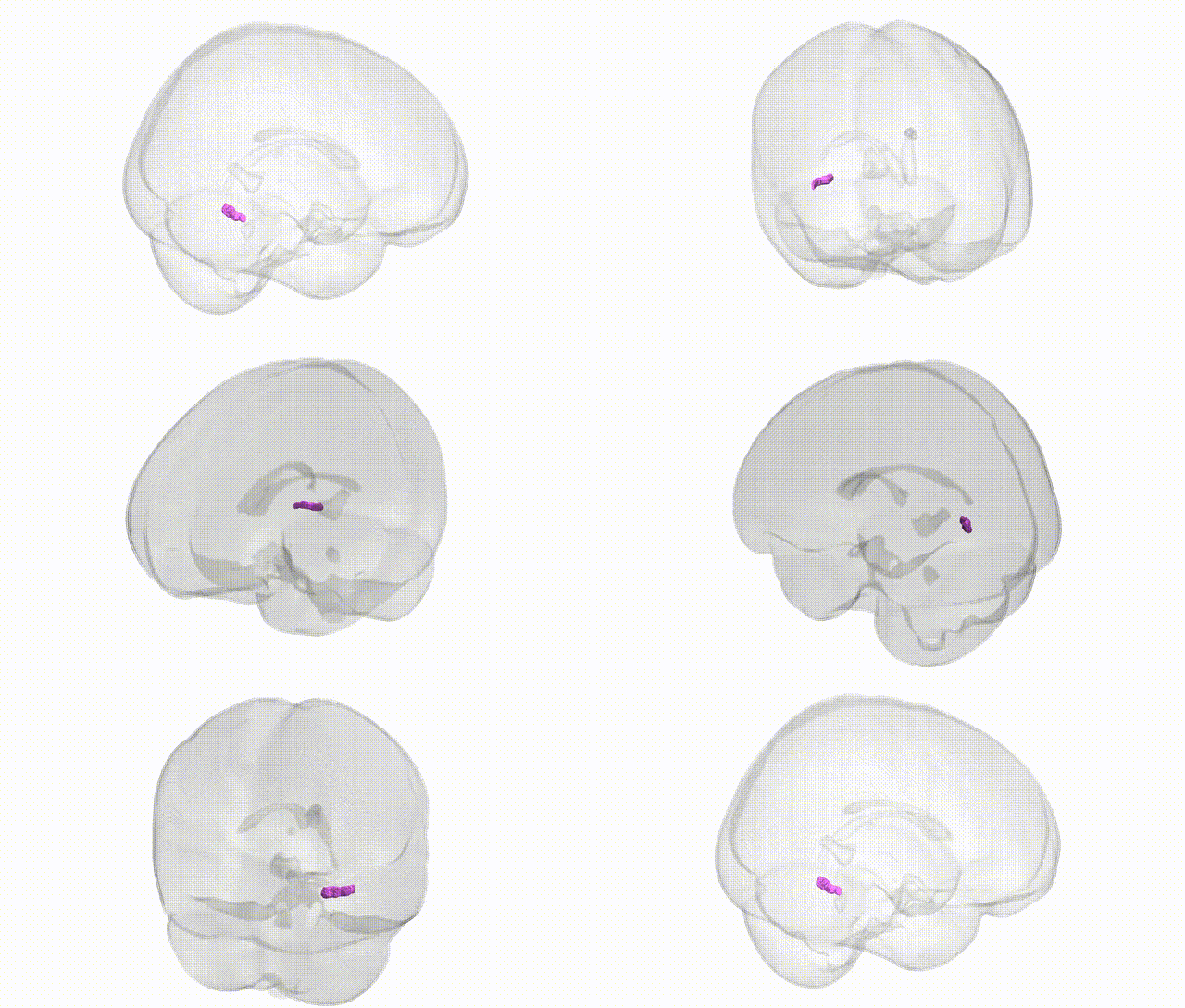
Full Quality Version: Download MP4
Wali Sidiqyar*, Gaurav Rudravaram*, Elyssa M. McMaster, Trent M. Schwartz, Adam M. Saunders, Kurt G. Schilling, Bennett A. Landman "Introducing SPINS: A Shared Public Visualization Library of Neuroanatomical Structures." Medical Imaging with Deep Learning- short paper
This resource is licensed under CC0 1.0 Universal (Public Domain).