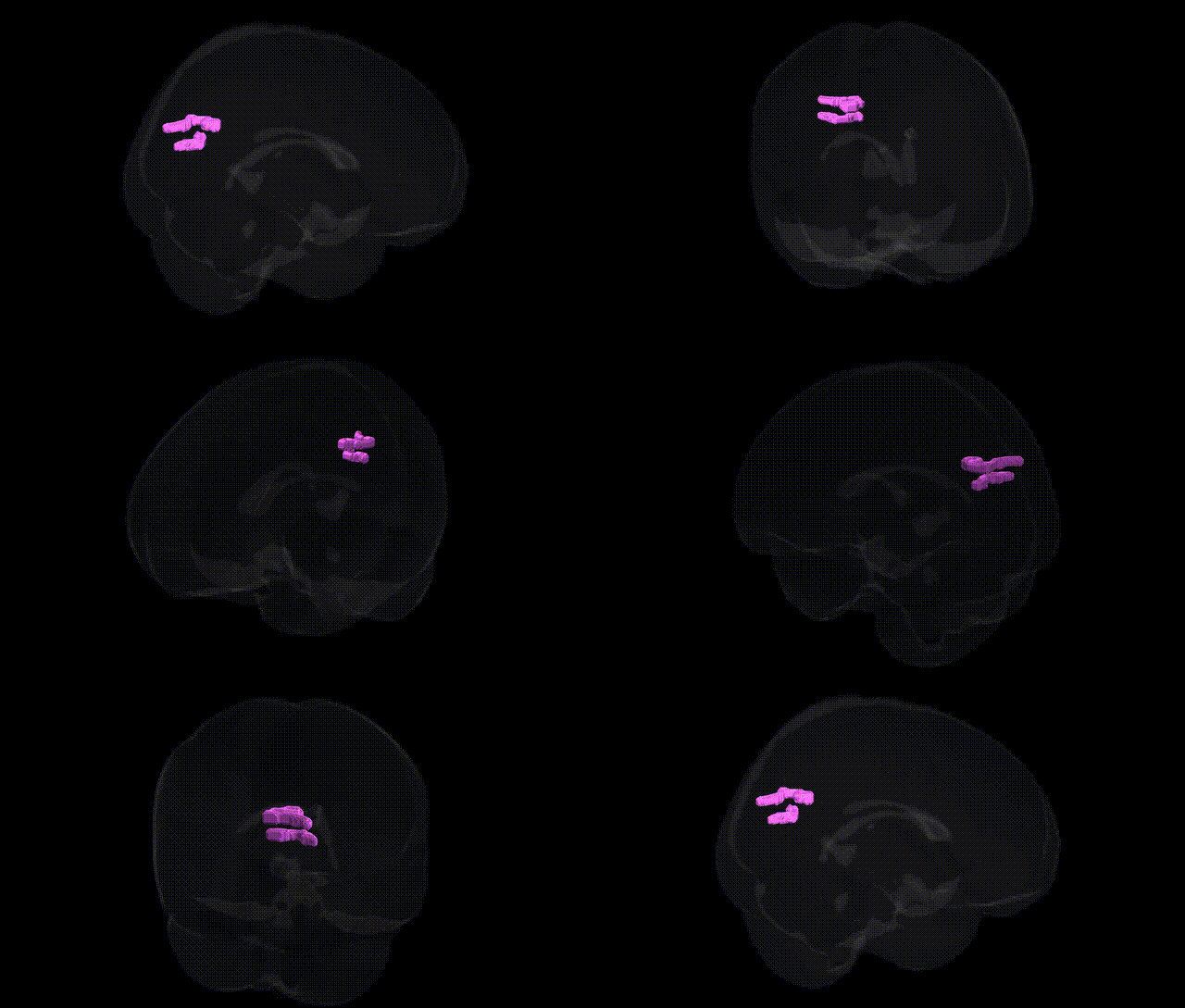
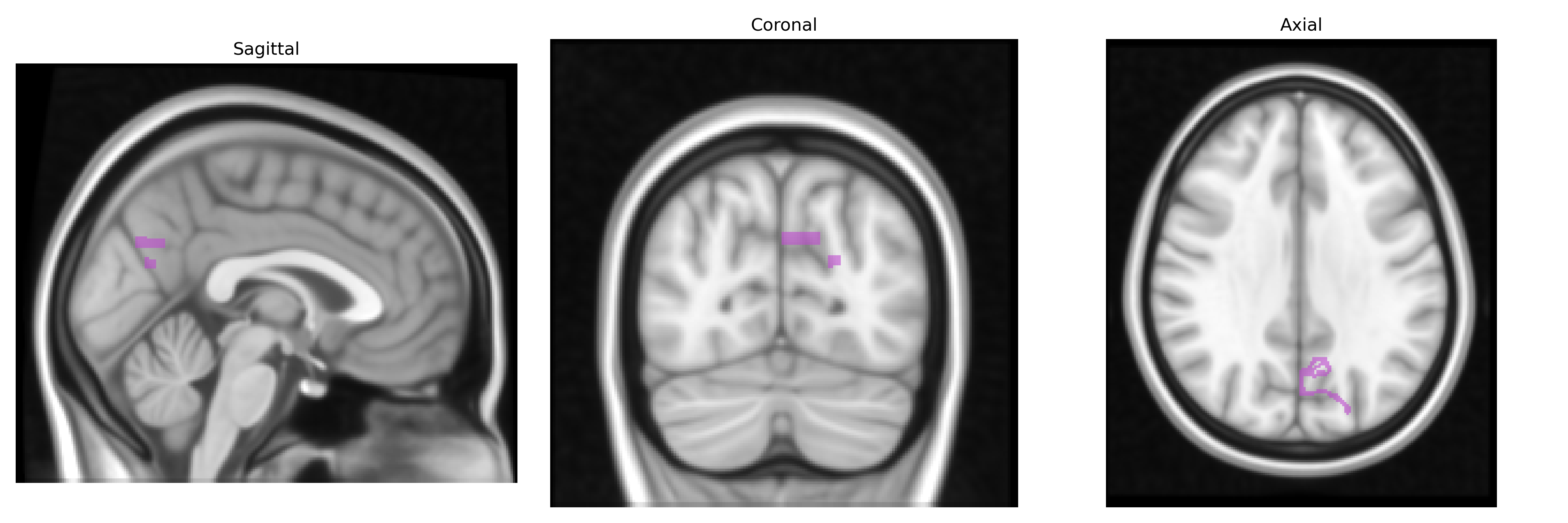
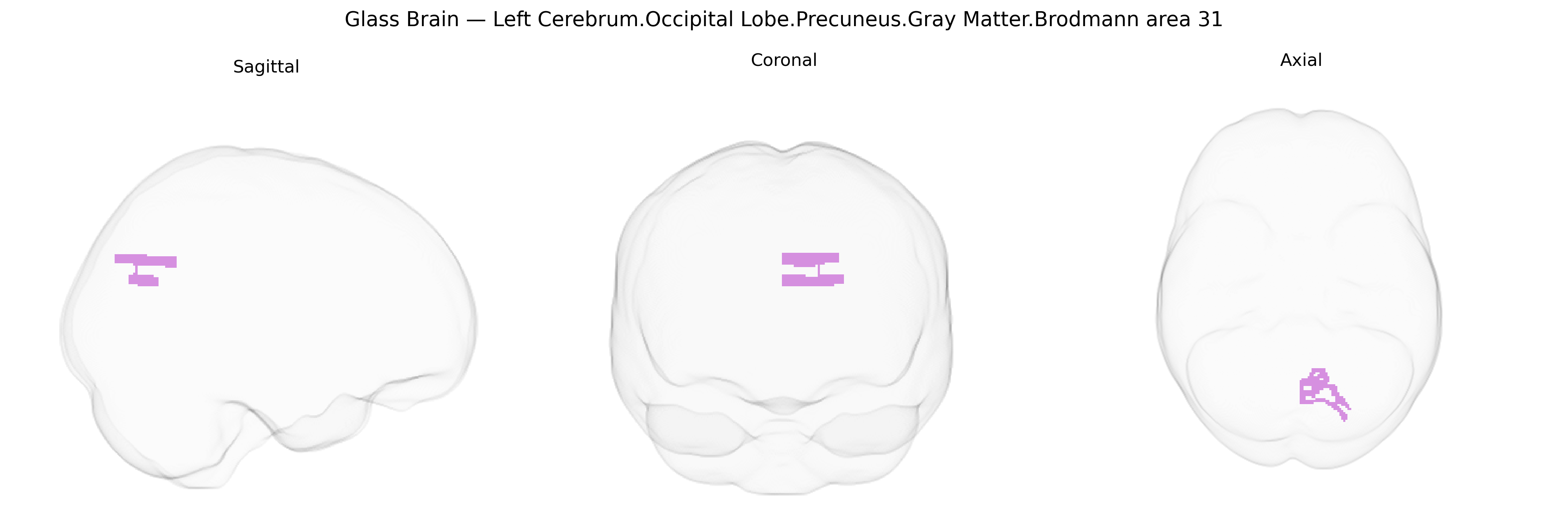
The bilateral Left Cerebrum.Occipital Lobe.Precuneus.Gray Matter.Brodmann area 31 corresponds to a posterior segment of the medial parietal cortex extending toward the occipital lobe, situated within the precuneus and encompassing part of Brodmann area 31, which is typically assigned to the posterior cingulate/retrosplenial–precuneus region. This region is implicated in high-level associative processes, including visuospatial imagery, episodic memory retrieval, self-referential processing, and integration of visual and contextual information, and forms a crucial hub of the default mode network with extensive reciprocal connections to the posterior cingulate cortex, medial temporal lobe, and lateral parietal and occipital association cortices. Functionally, it participates in internal mentation and conscious awareness of internal states, while structurally it represents association cortex gray matter with relatively high synaptic density and multimodal convergence, consistent with its role in integrating sensory, mnemonic, and cognitive information. Related article: Precuneus.
The bilateral Left Cerebrum Occipital Lobe Precuneus Gray Matter Brodmann area 31 region—part of the posteromedial cortex and default mode network—has been implicated in multiple genetic and GWAS-based associations, primarily via imaging genetics and large-scale neuroimaging consortia (e.g., ENIGMA, UK Biobank). Variants in genes involved in synaptic function, neurodevelopment, and myelination (such as MAPT, APOE, and schizophrenia- or autism-associated loci) have been linked to structural measures (gray matter volume, cortical thickness, and surface area) and functional connectivity in or near BA31, including the broader precuneus and posterior cingulate. GWAS of cortical morphology have identified loci affecting medial parietal/precuneus regions that overlap BA31, with some signals also associated with cognitive performance, educational attainment, and default mode network integrity. BA31/precuneus structural or functional alterations show heritable components and have been genetically associated with neuropsychiatric disorders such as Alzheimer’s disease (especially in APOE ε4 carriers where posterior cingulate–precuneus hypometabolism is characteristic), schizophrenia, major depression, and autism spectrum disorder, as well as traits like mind-wandering, self-referential processing, and consciousness-related networks; however, most findings implicate the broader precuneus/posterior cingulate area rather than BA31 specifically, and locus-level causal variants remain incompletely resolved.
Overview generated by GPT-4o (2026).
Region ID: 823
Hemisphere: bilateral
Atlas: Talairach labels 1mm
Full Quality Version: Download MP4
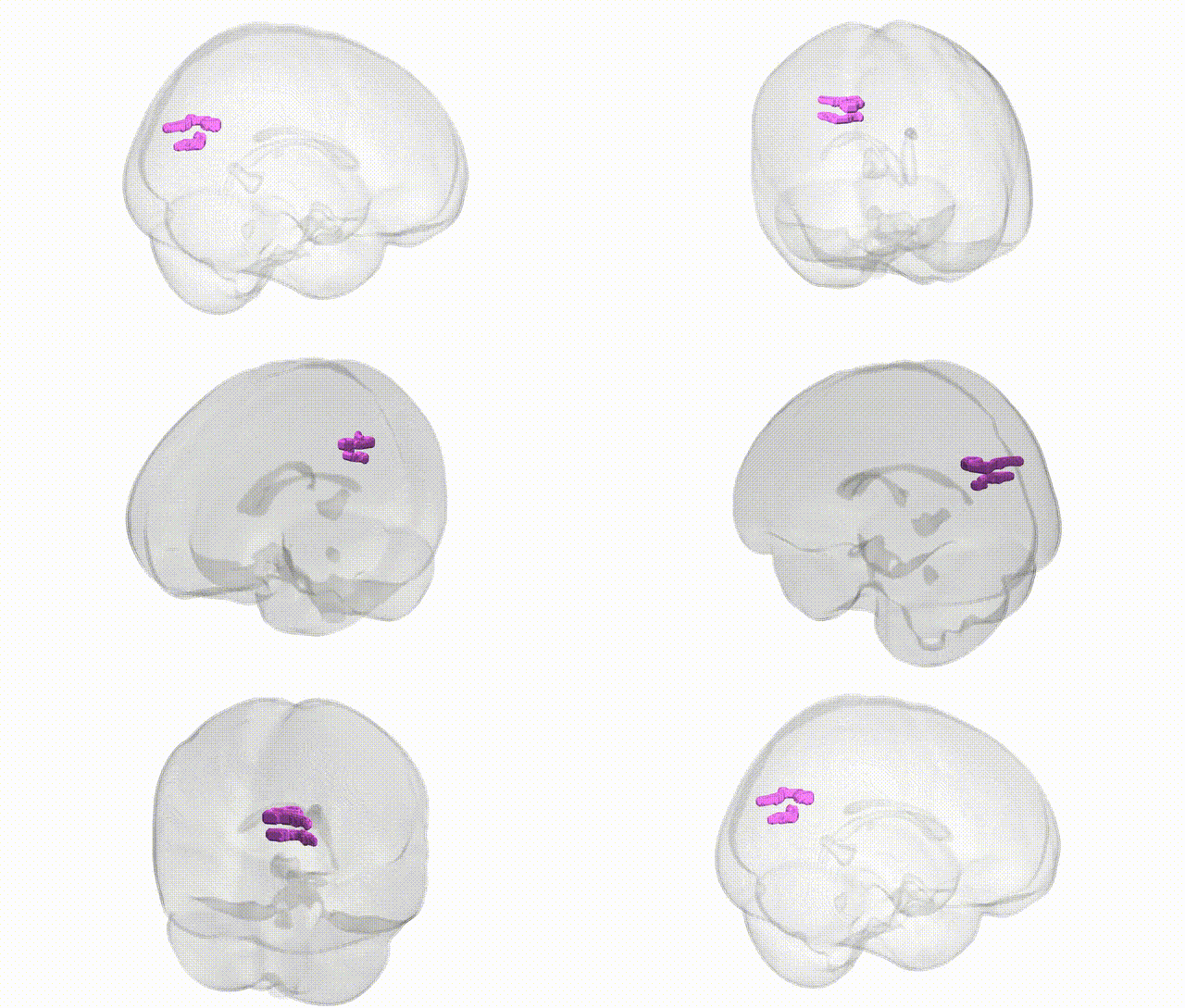
Full Quality Version: Download MP4
Wali Sidiqyar*, Gaurav Rudravaram*, Elyssa M. McMaster, Trent M. Schwartz, Adam M. Saunders, Kurt G. Schilling, Bennett A. Landman "Introducing SPINS: A Shared Public Visualization Library of Neuroanatomical Structures." Medical Imaging with Deep Learning- short paper
This resource is licensed under CC0 1.0 Universal (Public Domain).