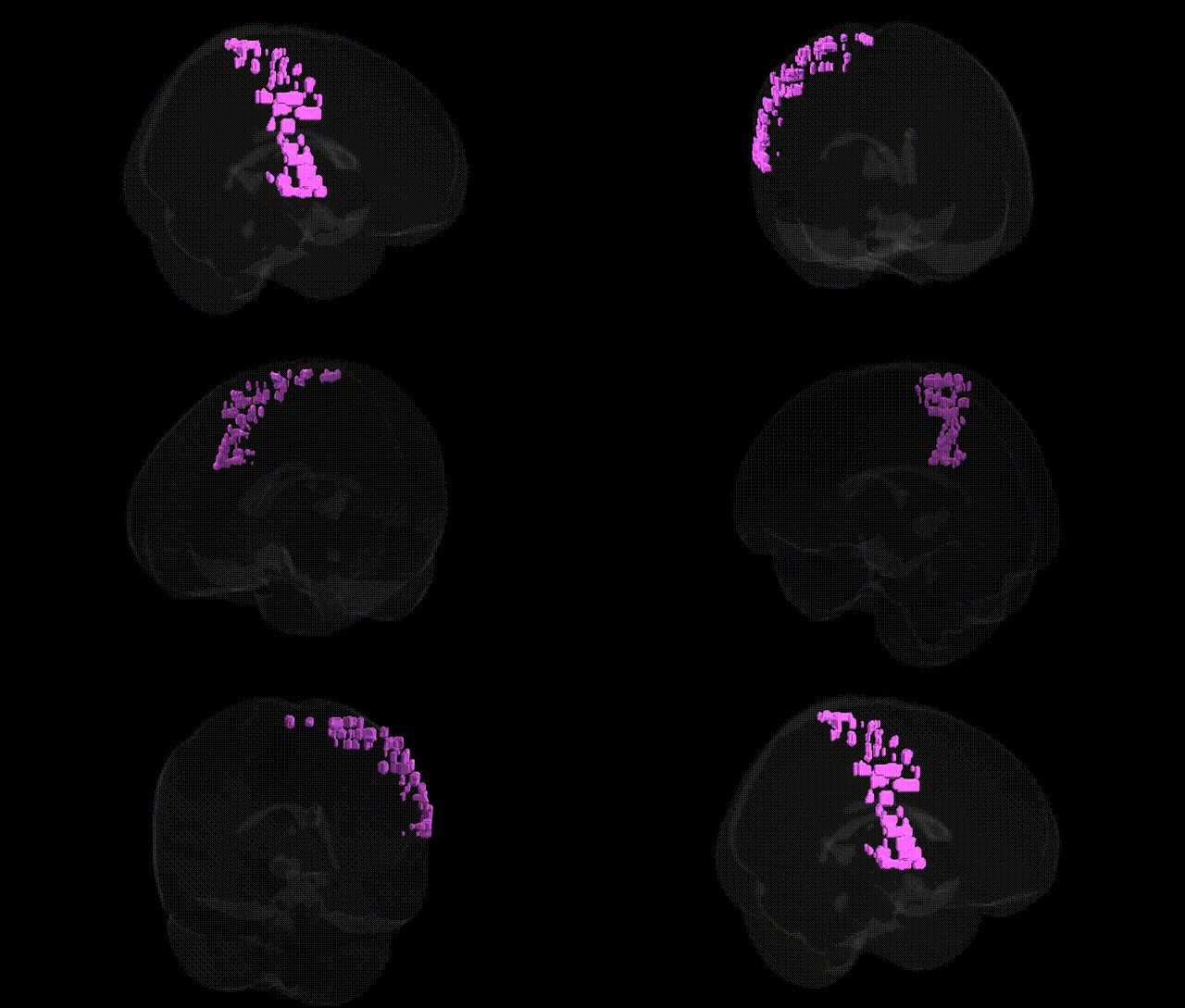
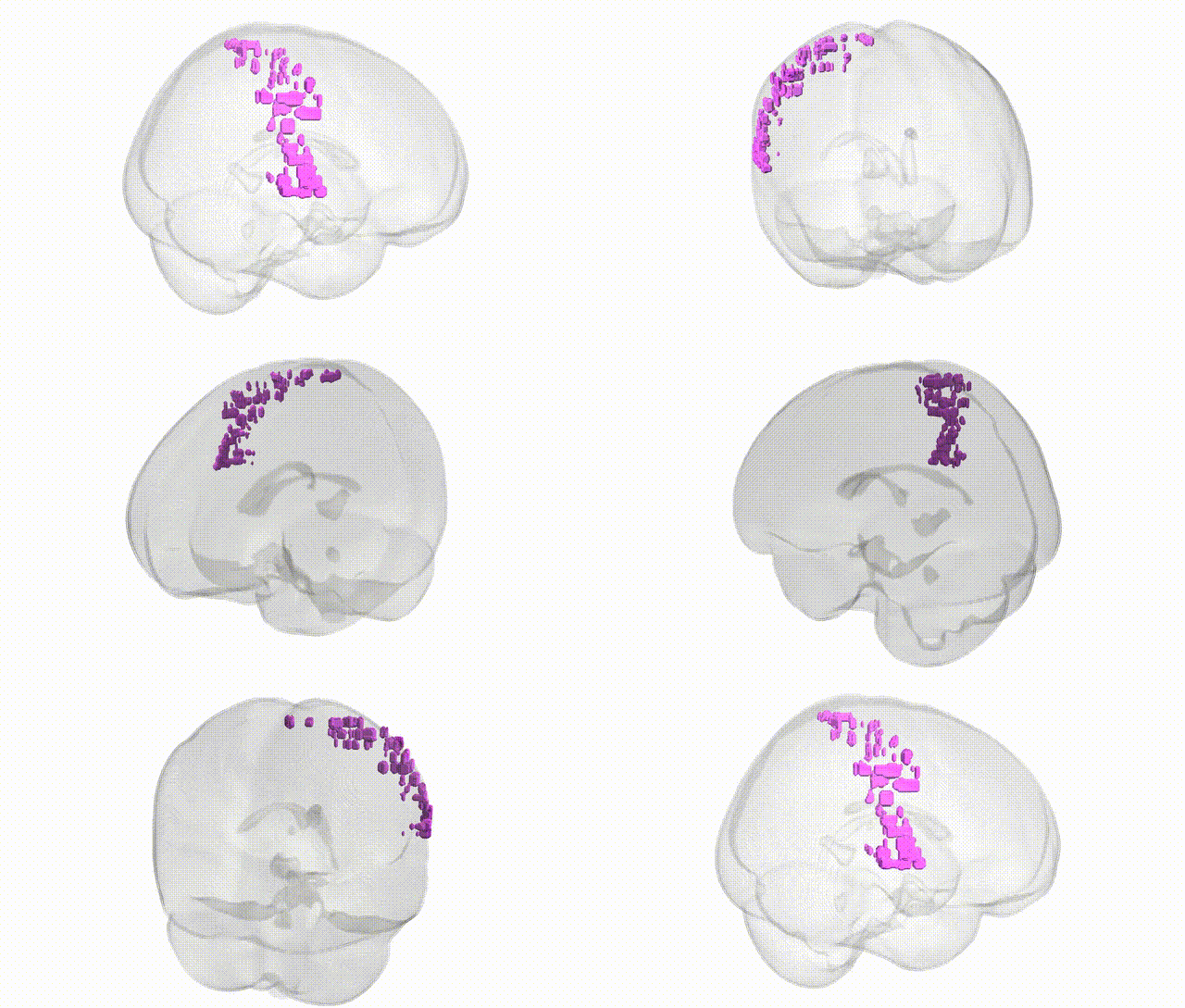
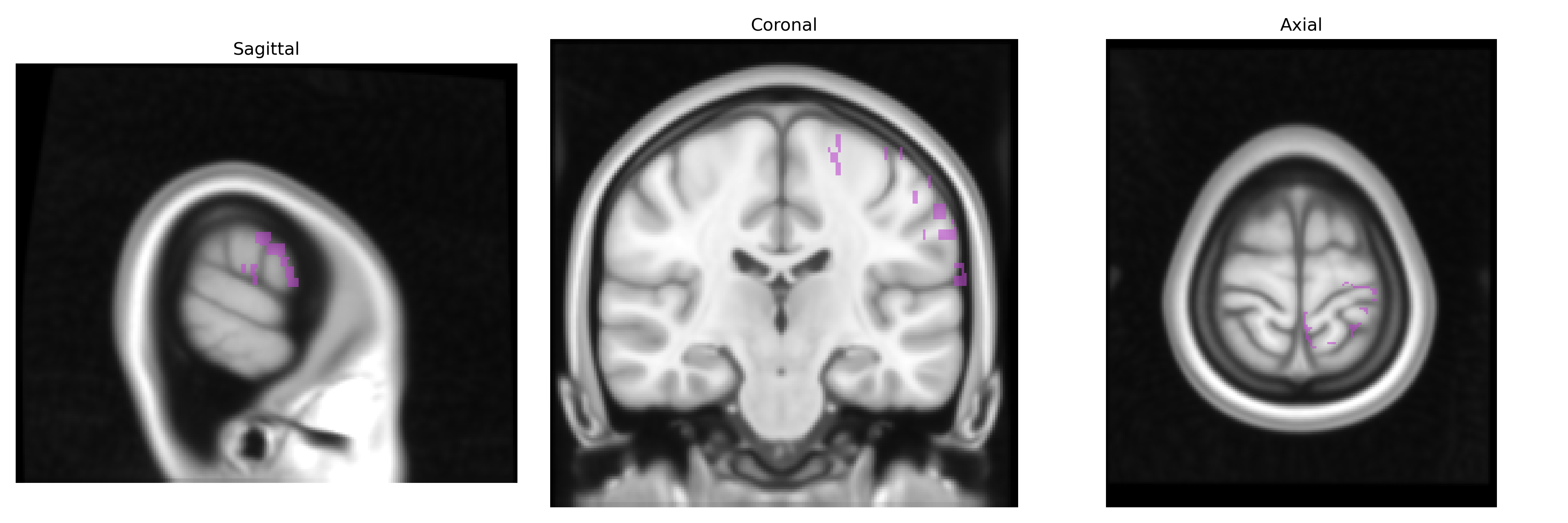
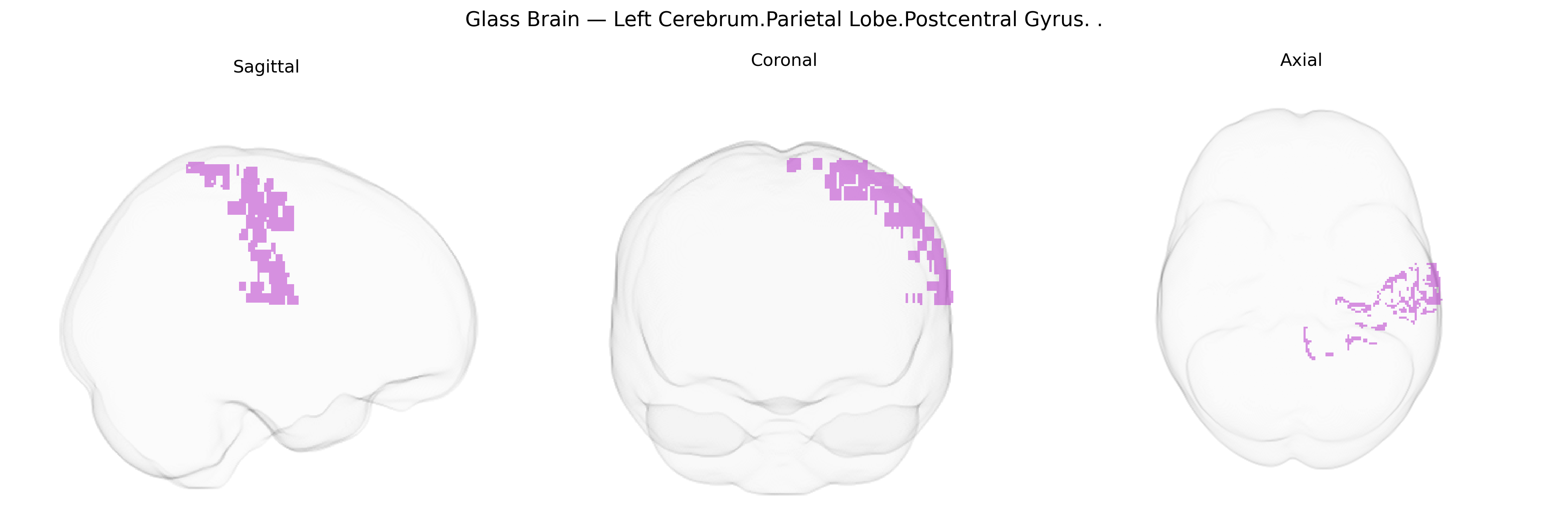
The bilateral Left Cerebrum.Parietal Lobe.Postcentral Gyrus corresponds to the primary somatosensory cortex (Brodmann areas 3, 1, and 2) located in the parietal lobe immediately posterior to the central sulcus, extending across the midline from the left hemisphere representation. This region is organized somatotopically, receiving dense thalamocortical input from the ventral posterior nuclei of the thalamus and processing tactile, proprioceptive, nociceptive, and temperature information from the contralateral side of the body. Neurons in the postcentral gyrus contribute to perception of body position, texture, shape, and intensity of stimuli, and play a key role in sensorimotor integration by providing detailed sensory feedback to motor and premotor areas. Lesions in this cortex can result in sensory deficits such as impaired tactile discrimination, astereognosis, or altered body representation.
Postcentral gyrus
Genetic associations involving the bilateral Left Cerebrum Parietal Lobe Postcentral Gyrus (primary somatosensory cortex) emerge largely from imaging‑genetics and GWAS of cortical structure and sensorimotor traits. Large consortia such as ENIGMA and UK Biobank have identified common variants in genes regulating neurodevelopment, synaptic function, and cortical patterning (for example, loci near HMGA2, MIR2113, TBR1, and genes in WNT and FGF signaling pathways) that influence regional cortical thickness and surface area in postcentral and adjacent parietal regions; many of these loci overlap with general brain size and intracranial volume GWAS hits. Polygenic risk for neurodevelopmental and psychiatric disorders—including autism spectrum disorder, schizophrenia, and ADHD—has been associated with altered structure or activation of the postcentral and broader parietal cortices, suggesting shared genetic architectures affecting sensory integration and higher‑order cognition. Variants in genes related to axon guidance and myelination have been implicated in somatosensory and motor phenotypes (e.g., fine motor control, reaction time, tactile processing) that map functionally to postcentral gyrus activity in task‑based fMRI. Additionally, stroke and white‑matter lesion GWAS highlight vascular and inflammatory genes whose risk alleles are overrepresented in individuals showing structural damage or atrophy in postcentral/parietal territories, linking systemic vascular genetics to focal somatosensory cortex vulnerability. Overall, current evidence supports a polygenic influence on postcentral gyrus morphology and function, with overlapping loci contributing to neurodevelopmental, psychiatric, and cerebrovascular risk profiles rather than region‑exclusive genetic effects.
Overview generated by GPT-4o (2026).
Region ID: 773
Hemisphere: bilateral
Atlas: Talairach labels 1mm
Full Quality Version: Download MP4
Full Quality Version: Download MP4
Wali Sidiqyar*, Gaurav Rudravaram*, Elyssa M. McMaster, Trent M. Schwartz, Adam M. Saunders, Kurt G. Schilling, Bennett A. Landman "Introducing SPINS: A Shared Public Visualization Library of Neuroanatomical Structures." Medical Imaging with Deep Learning- short paper
This resource is licensed under CC0 1.0 Universal (Public Domain).