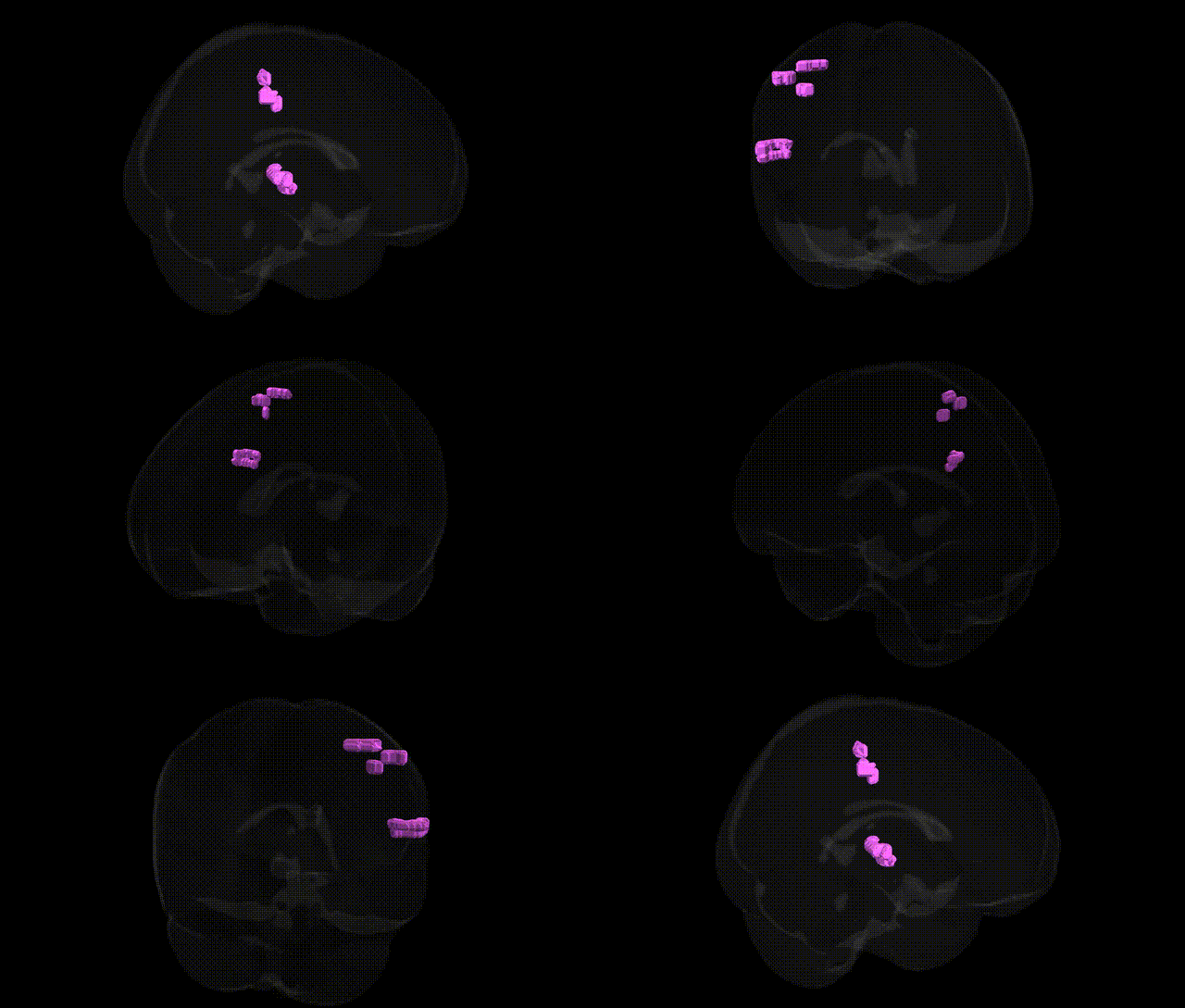
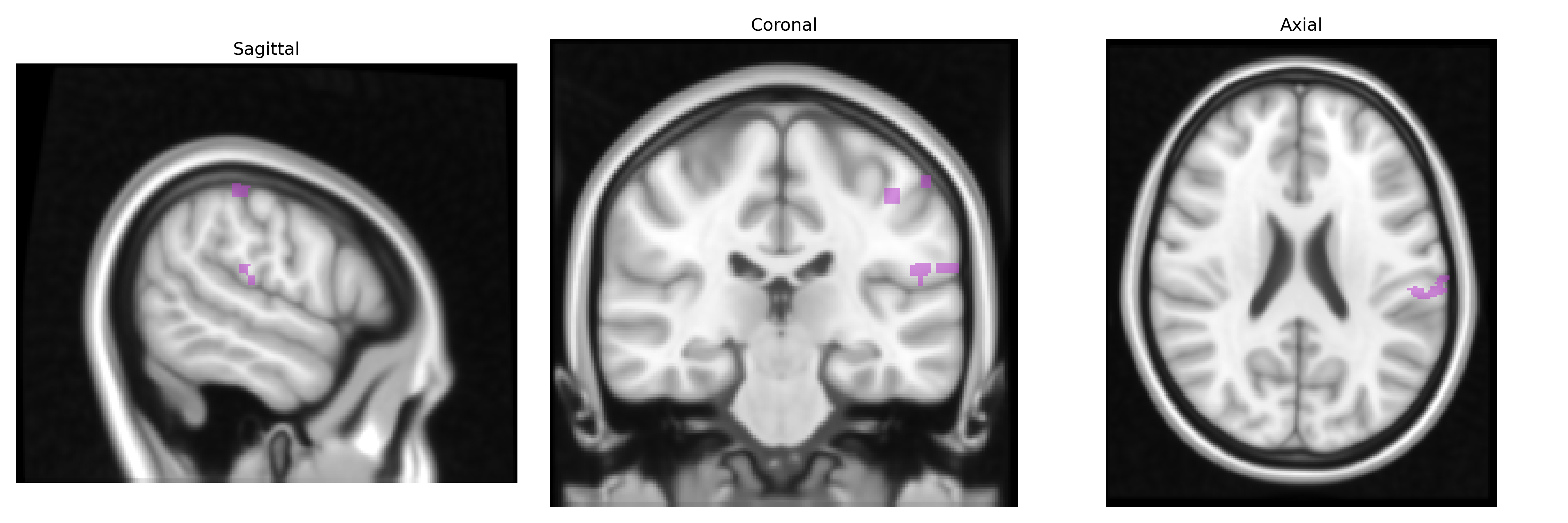
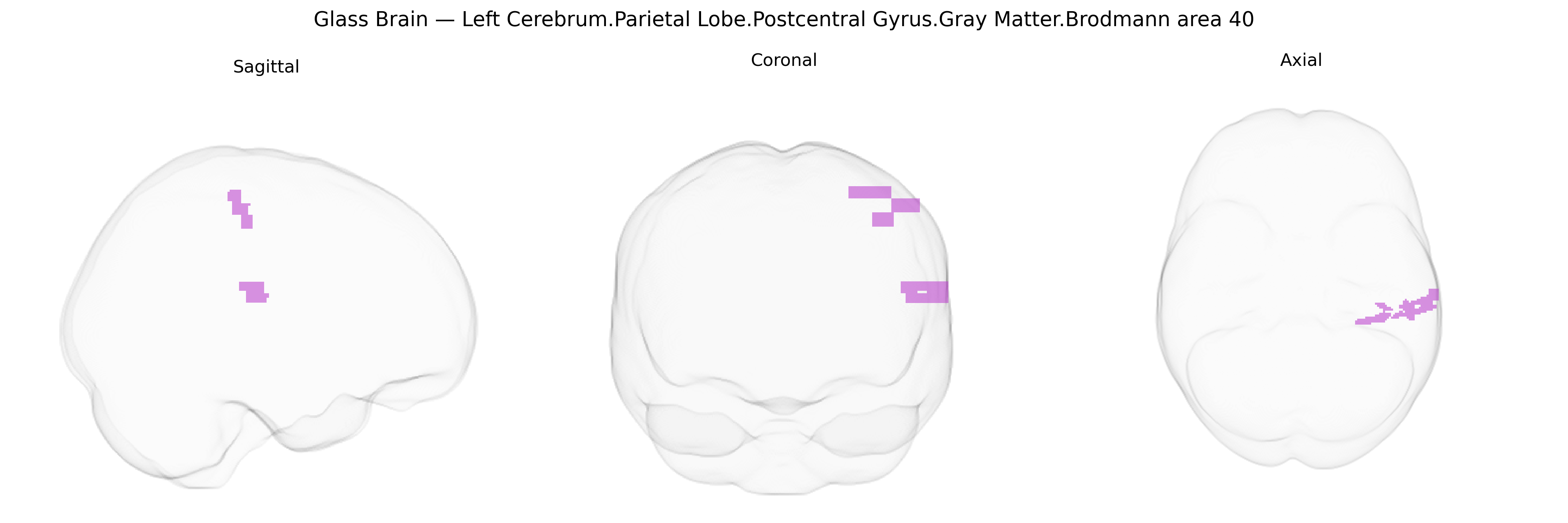
The bilateral Left Cerebrum.Parietal Lobe.Postcentral Gyrus.Gray Matter.Brodmann area 40 corresponds primarily to the supramarginal gyrus in the inferior parietal lobule, adjacent to the posterior portion of the postcentral gyrus and overlying the termination of the lateral sulcus. This region is cytoarchitectonically defined by its granular cortical layering and is implicated in higher-order somatosensory integration, phonological processing, language comprehension, and aspects of praxis and spatial attention. Functionally, it participates in multimodal integration of tactile, proprioceptive, auditory, and visual inputs, contributing to body schema, tool use, and the mapping of sensory input onto articulatory and motor representations. Lesions in this area have been associated with disorders such as conduction aphasia, ideomotor apraxia, and components of Gerstmann-like syndromes, reflecting its role at the interface of sensory processing and higher cognitive functions. Brodmann area 40
The bilateral left parietal postcentral gyrus gray matter in Brodmann area 40 (BA40), as defined in the Talairach 1 mm atlas, has been implicated in several genetic and neuropsychiatric associations, although many findings derive from broader inferior parietal/postcentral or parietal cortex regions rather than BA40 alone. GWAS and imaging-genetics studies have linked parietal cortical thickness and surface area, including regions overlapping BA40, to common variants in genes involved in neurodevelopment and synaptic function (e.g., BDNF, CNTNAP2, LRP6, and loci near PAX6), with parietal morphology contributing to polygenic architectures of cognitive performance, educational attainment, general intelligence, and reading-related skills. Variants associated with ADHD, autism spectrum disorder, and schizophrenia show convergent effects on parietal cortical structure and connectivity, with some schizophrenia and bipolar GWAS signals affecting networks involving the inferior parietal/postcentral cortex that include BA40. Parietal regions encompassing BA40 have also been repeatedly implicated in genetic risk for Alzheimer’s disease and frontotemporal dementia through APOE-related and other GWAS loci, where carriers of high-risk alleles often exhibit altered parietal gray matter volume or atrophy patterns. Additionally, somatosensory and pain-processing traits—such as chronic pain sensitivity and migraine—have been associated in imaging-genetics work with structural and functional variation in postcentral and inferior parietal regions influenced by polygenic risk scores, indirectly linking BA40 to inherited differences in sensory integration and body representation. Overall, genetic associations for this specific atlas-defined region largely reflect broader parietal and inferior parietal lobule GWAS signals tied to cognition, neurodevelopmental and psychiatric disorders, and neurodegenerative disease.
Overview generated by GPT-4o (2026).
Region ID: 774
Hemisphere: bilateral
Atlas: Talairach labels 1mm
Full Quality Version: Download MP4
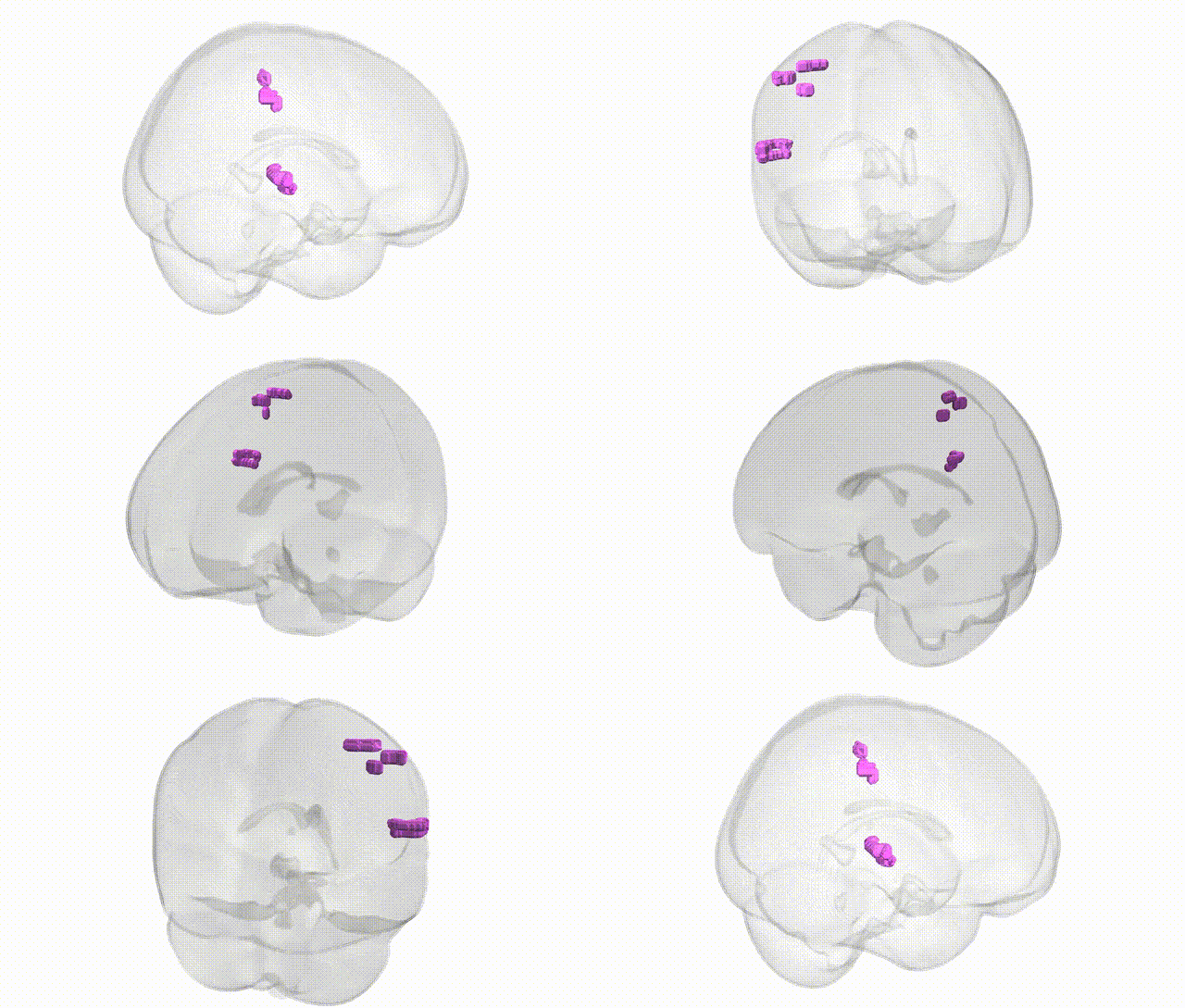
Full Quality Version: Download MP4
Wali Sidiqyar*, Gaurav Rudravaram*, Elyssa M. McMaster, Trent M. Schwartz, Adam M. Saunders, Kurt G. Schilling, Bennett A. Landman "Introducing SPINS: A Shared Public Visualization Library of Neuroanatomical Structures." Medical Imaging with Deep Learning- short paper
This resource is licensed under CC0 1.0 Universal (Public Domain).