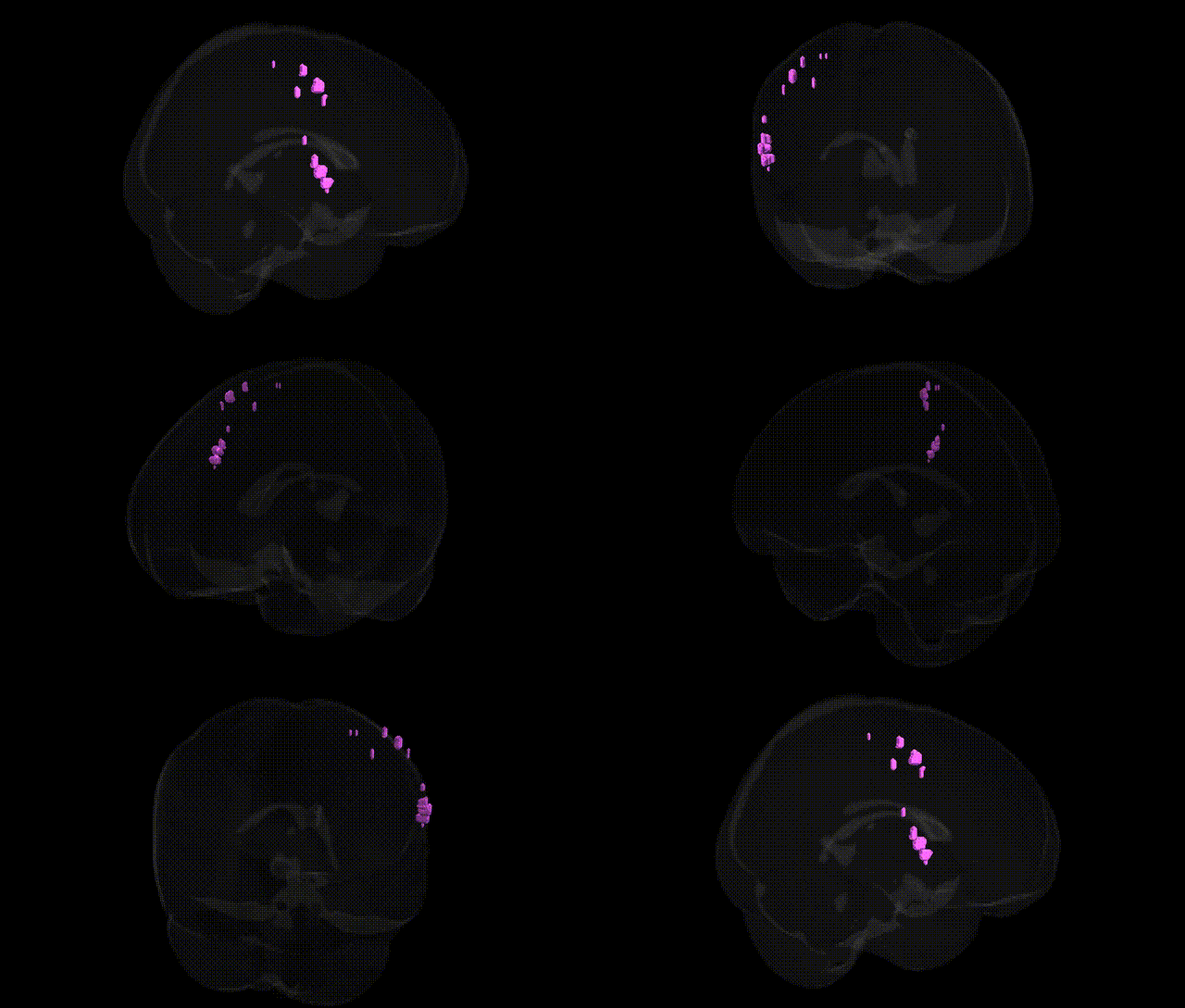
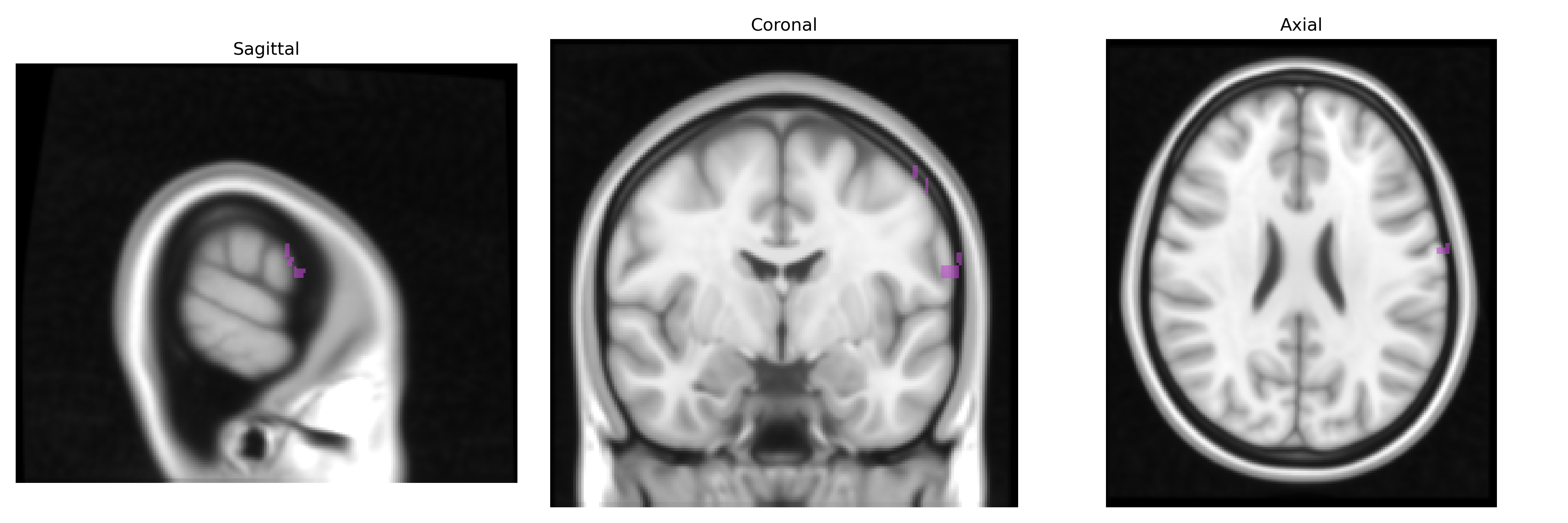
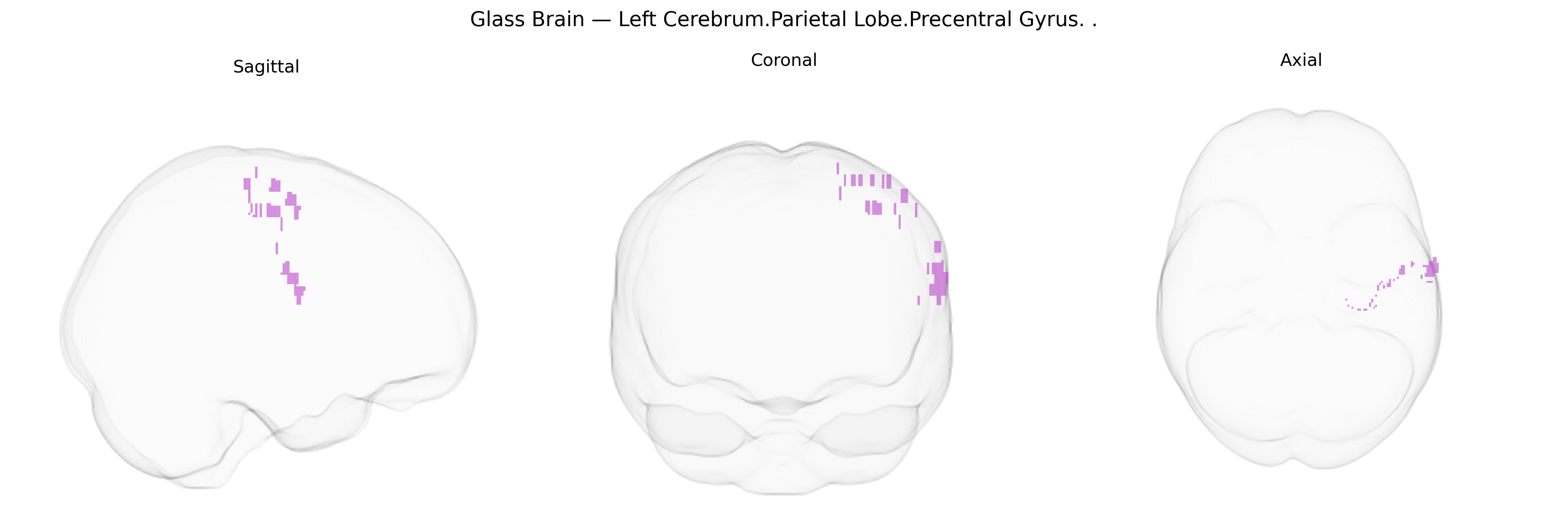
The bilateral Left Cerebrum.Parietal Lobe.Precentral Gyrus corresponds to a labeling anomaly in the Talairach 1 mm atlas, as the precentral gyrus is classically part of the frontal lobe rather than the parietal lobe. The precentral gyrus is the primary motor cortex (Brodmann area 4), situated immediately anterior to the central sulcus and organized somatotopically into the motor homunculus, with different regions controlling voluntary movements of specific body parts. Neurons in this region give rise to corticospinal and corticobulbar tracts that project to spinal and brainstem motor nuclei, enabling fine, fractionated motor control, particularly of the face, hand, and distal limb musculature. Functionally, it integrates inputs from premotor and supplementary motor areas, as well as sensory cortices, to execute planned movements and adjust motor output based on proprioceptive and tactile feedback. There is no direct Wikipedia article for the atlas label as written; a closely related and appropriate entry is Precentral gyrus.
The bilateral left cerebrum parietal lobe precentral gyrus (primary motor cortex region) has been implicated in a range of genetic findings, although most GWAS do not target this Talairach-defined parcel specifically and instead report associations with cortical surface area, thickness, or activation patterns that encompass or overlap the precentral gyrus. Large neuroimaging GWAS (e.g., ENIGMA, UK Biobank) have identified multiple loci—such as variants near genes like HMGA2, IGF1, CENPW, and MECP2—associated with global and regional cortical morphology, including motor and premotor areas that cover or border the precentral gyrus. Motor cortex structure and function have been genetically linked to disorders with motor or sensorimotor involvement, including developmental coordination disorder, cerebral palsy susceptibility, and neurodegenerative diseases like amyotrophic lateral sclerosis (ALS) and Parkinson’s disease, where GWAS-identified loci (e.g., in C9orf72, SOD1, LRRK2, SNCA) influence motor system integrity and activation patterns encompassing precentral regions. In psychiatric and neurodevelopmental conditions such as ADHD, autism spectrum disorder, and schizophrenia, polygenic burden and specific risk variants (e.g., in CACNA1C, GRIN2A, and synaptic genes) have been associated with altered cortical thickness, gyrification, or task-related activation in sensorimotor and frontal-parietal networks that include the precentral gyrus. Additionally, GWAS of motor skill learning, handedness, and general cognitive performance have reported loci (e.g., in MAPT region, microtubule and synaptic plasticity genes) that correlate with structural or functional metrics of motor cortex and surrounding parietal-frontal circuits. Overall, genetic influences on this Talairach-defined precentral gyrus parcel are inferred primarily from broader motor and frontoparietal imaging-genetics studies rather than from region-specific GWAS, with implicated loci generally relating to neurodevelopment, synaptic function, and cortical morphogenesis.
Overview generated by GPT-4o (2026).
Region ID: 803
Hemisphere: bilateral
Atlas: Talairach labels 1mm
Full Quality Version: Download MP4
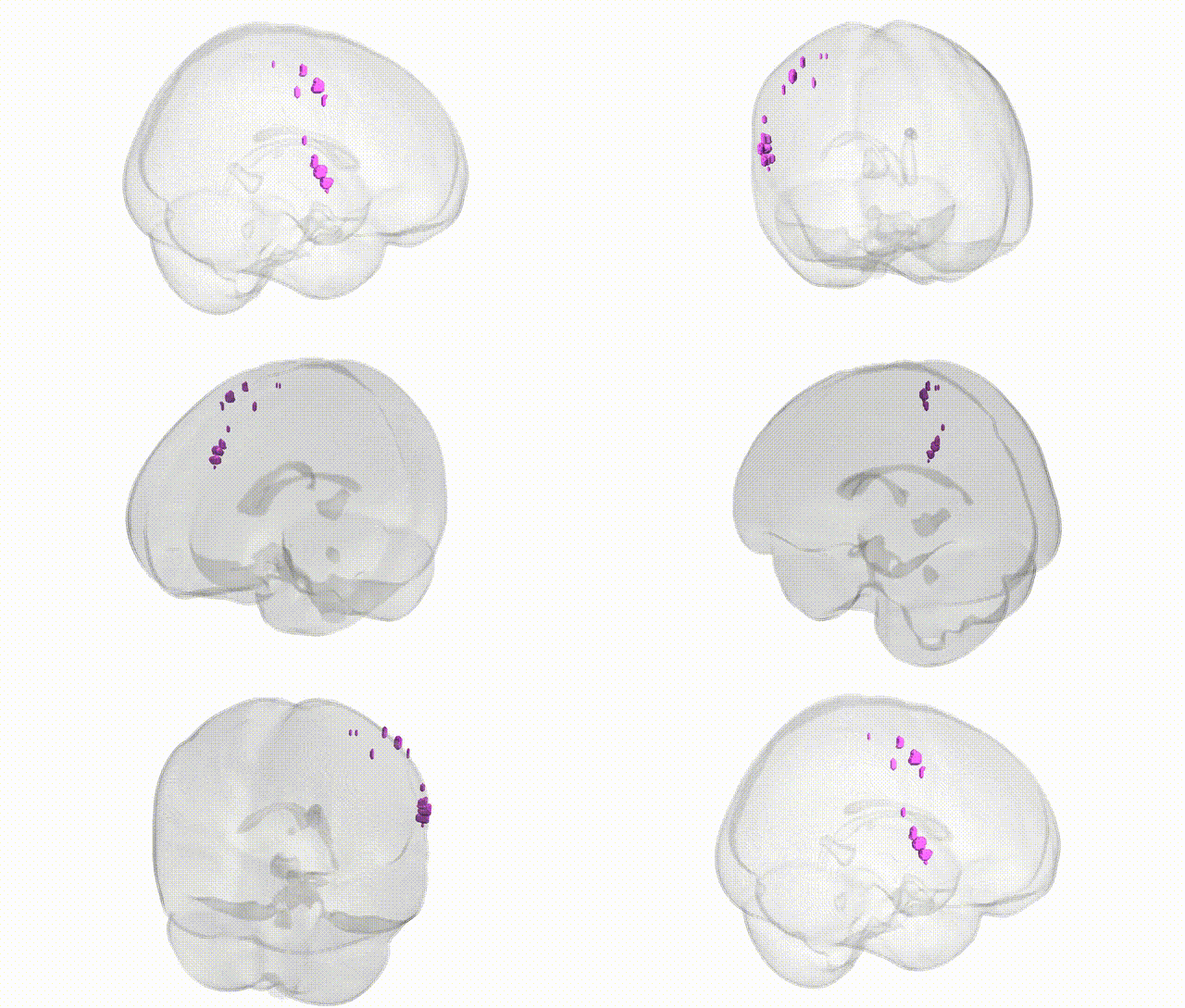
Full Quality Version: Download MP4
Wali Sidiqyar*, Gaurav Rudravaram*, Elyssa M. McMaster, Trent M. Schwartz, Adam M. Saunders, Kurt G. Schilling, Bennett A. Landman "Introducing SPINS: A Shared Public Visualization Library of Neuroanatomical Structures." Medical Imaging with Deep Learning- short paper
This resource is licensed under CC0 1.0 Universal (Public Domain).