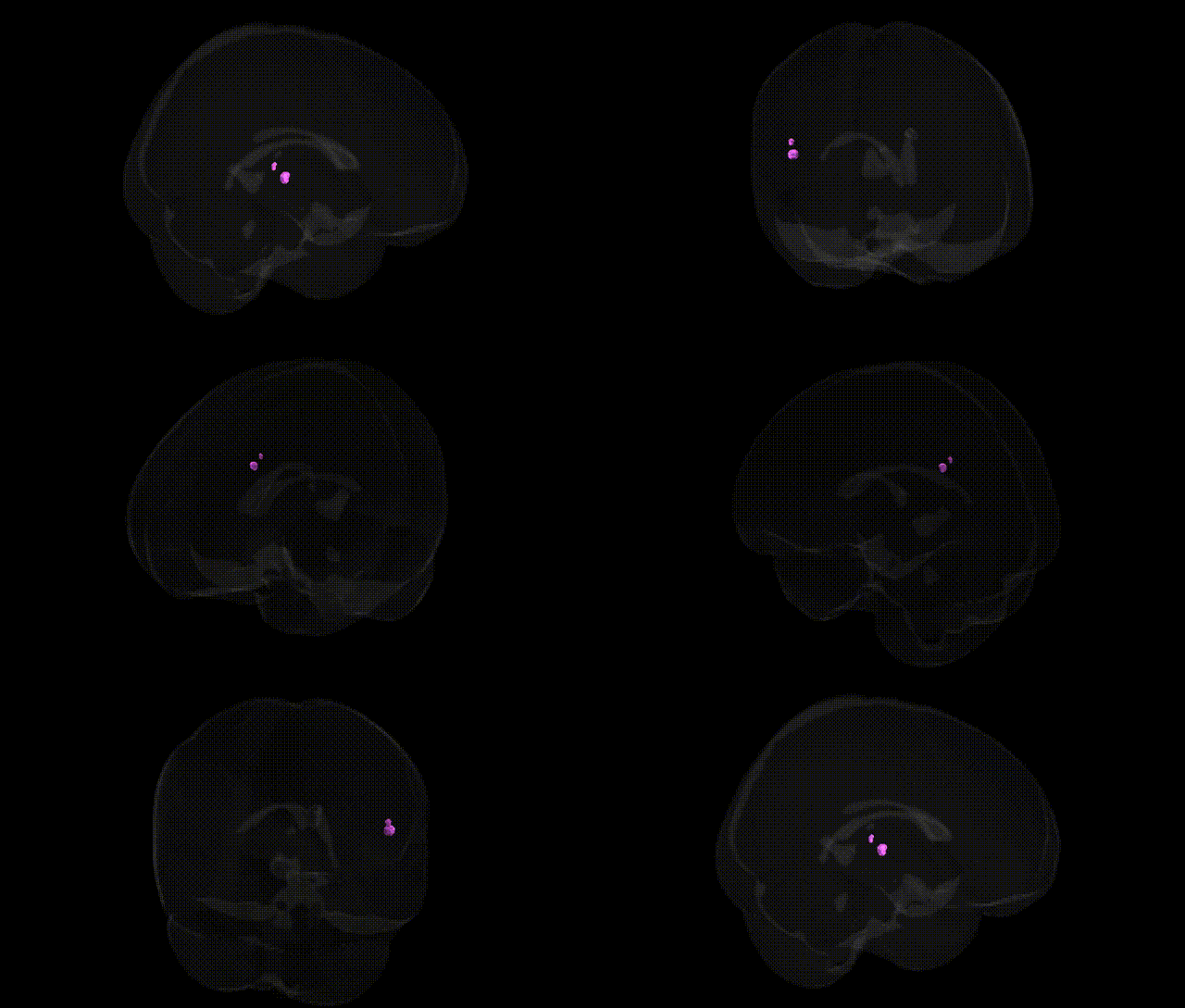
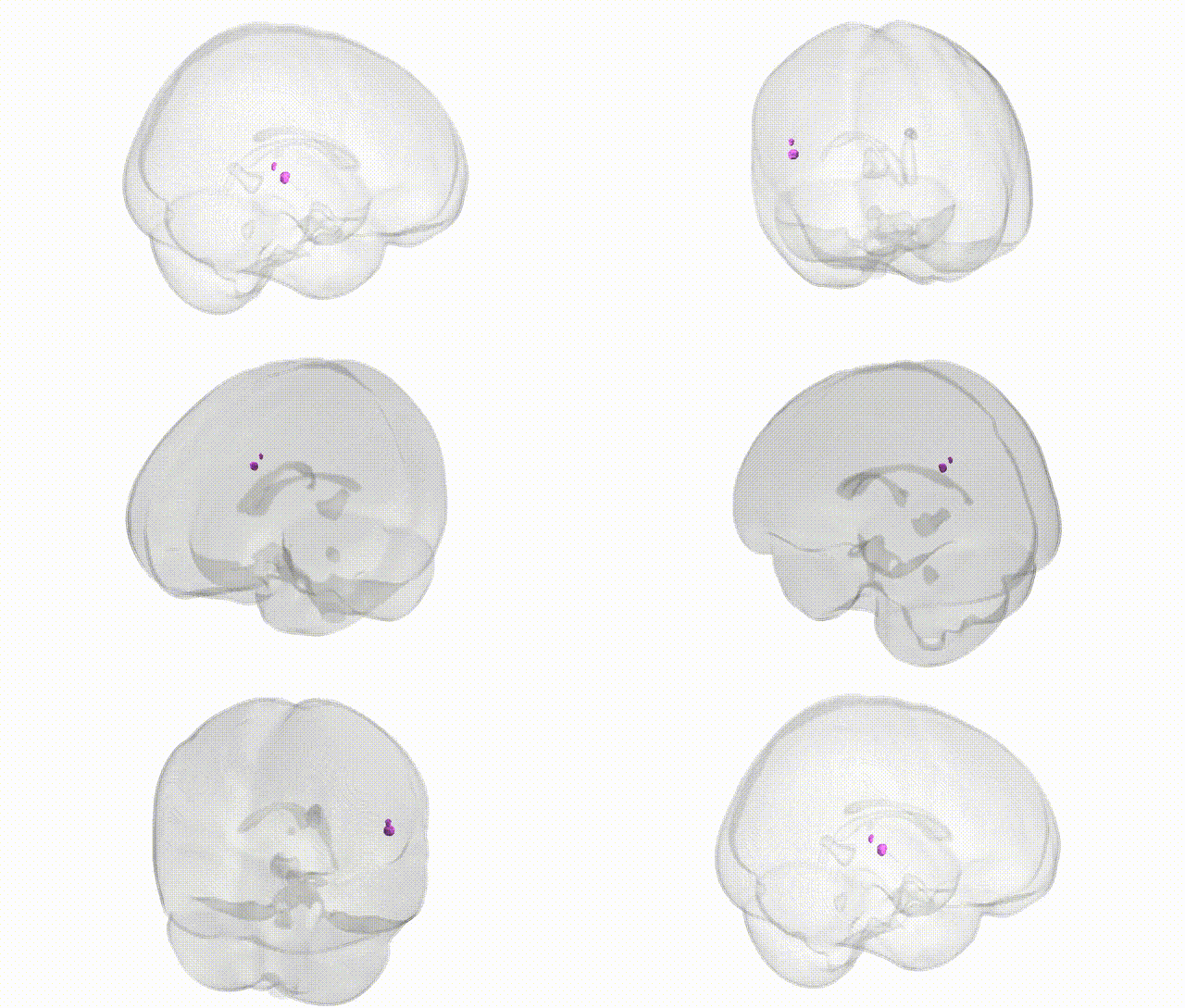
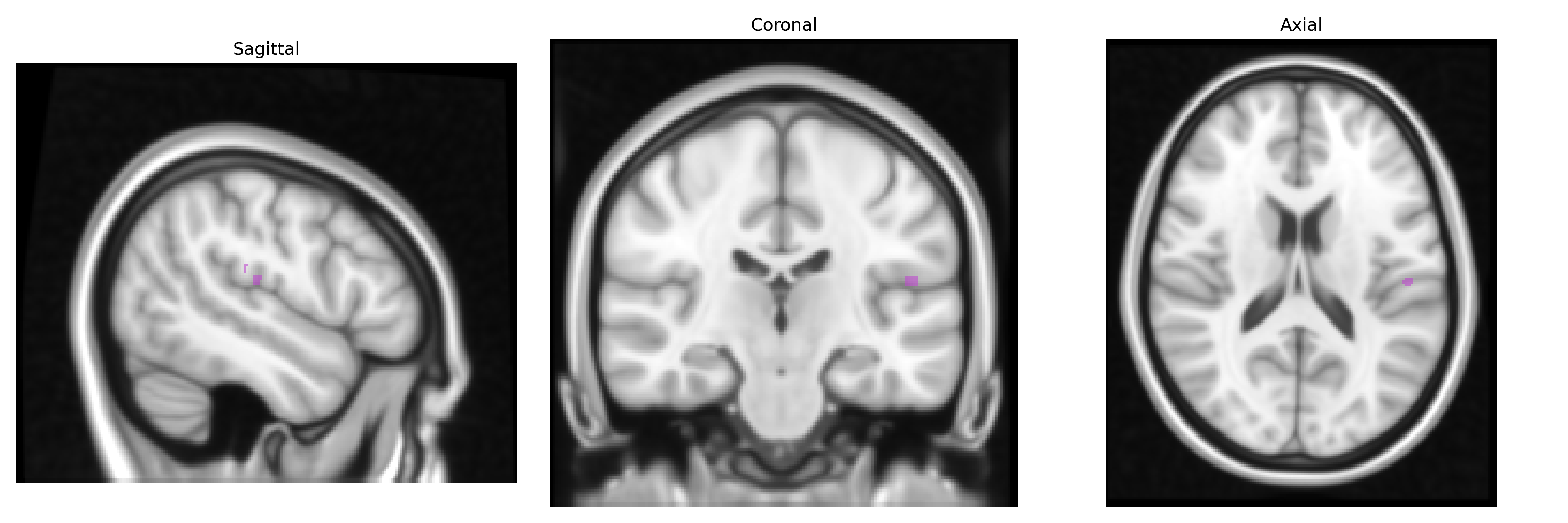
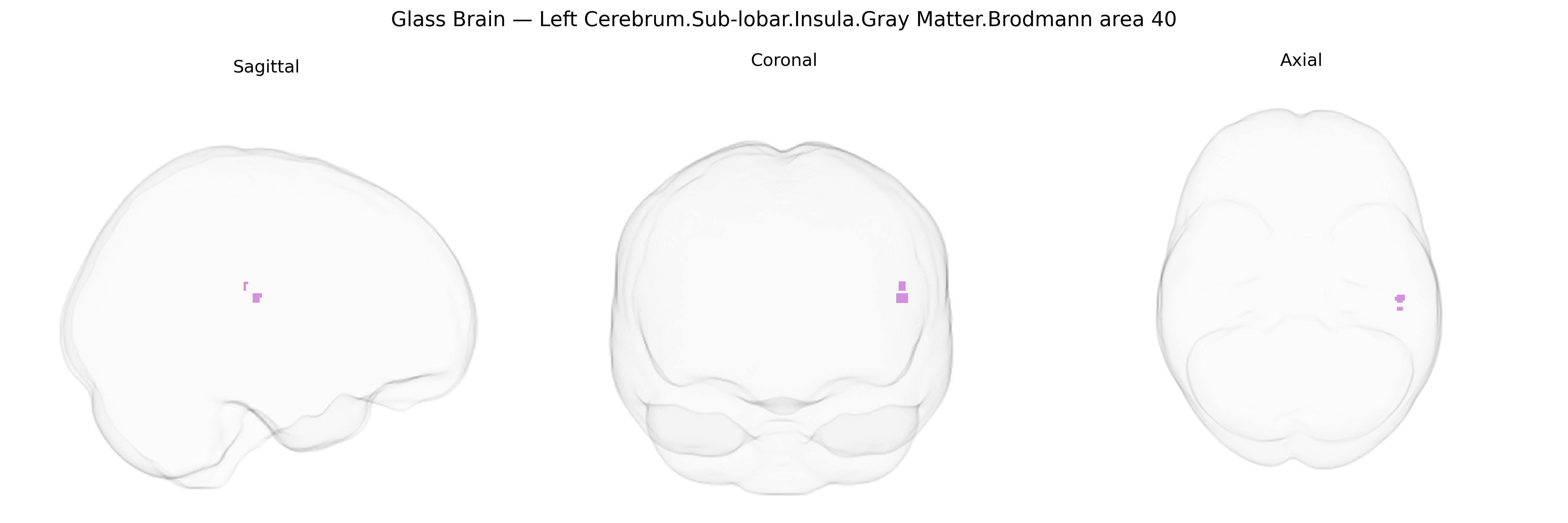
The bilateral Left Cerebrum.Sub-lobar.Insula.Gray Matter.Brodmann area 40 region, as labeled in the Talairach 1 mm Atlas, reflects a parietal–insular territory that aligns most closely with the supramarginal gyrus and adjacent perisylvian cortex functionally associated with Brodmann area 40. Although BA40 is classically localized to the inferior parietal lobule rather than the insula proper, Talairach-based parcellations may extend its label into sub-lobar regions due to individual anatomical variability and the proximity of the parietal operculum overlying the insula. This region participates in multimodal integration of somatosensory, auditory, and language-related information, contributing to phonological processing, praxis, and aspects of spatial attention and body–schema representation; bilateral involvement suggests a role in both dominant-hemisphere language and non-dominant-hemisphere attentional and sensorimotor integration networks.
The bilateral left sub-lobar insular gray matter in the Talairach 1 mm atlas (here including Brodmann area 40 territory at the parietal–insular interface) is a multimodal hub whose structure and function show substantial heritability and multiple genome-wide associations, mainly via large imaging–genetics consortia such as ENIGMA and UK Biobank. Common variants in genes related to synaptic function, neurodevelopment, and cortical morphogenesis (for example, MIR137, CACNA1C, GRIN2A, and loci near BDNF and NRSN1) have been linked to insular and adjacent inferior parietal cortical thickness or surface area, with many of these loci also implicated in schizophrenia, bipolar disorder, major depressive disorder, and autism spectrum conditions. Polygenic risk scores for schizophrenia, depression, and ADHD correlate with reduced insular and inferior parietal gray-matter volume, while Alzheimer’s disease and general cognitive ability polygenic scores show associations with structural variation in this region. GWAS of pain sensitivity, risk-taking, smoking, and alcohol use have identified overlapping genetic architectures with insula–parietal morphology or connectivity, consistent with the region’s role in interoception, salience processing, and cognitive control. Overall, the genetic architecture of this left insula/BA40 region appears highly polygenic, with shared risk loci spanning major psychiatric disorders, neurodegenerative disease, cognitive traits, and substance-use phenotypes.
Overview generated by GPT-4o (2026).
Region ID: 785
Hemisphere: bilateral
Atlas: Talairach labels 1mm
Full Quality Version: Download MP4
Full Quality Version: Download MP4
Wali Sidiqyar*, Gaurav Rudravaram*, Elyssa M. McMaster, Trent M. Schwartz, Adam M. Saunders, Kurt G. Schilling, Bennett A. Landman "Introducing SPINS: A Shared Public Visualization Library of Neuroanatomical Structures." Medical Imaging with Deep Learning- short paper
This resource is licensed under CC0 1.0 Universal (Public Domain).