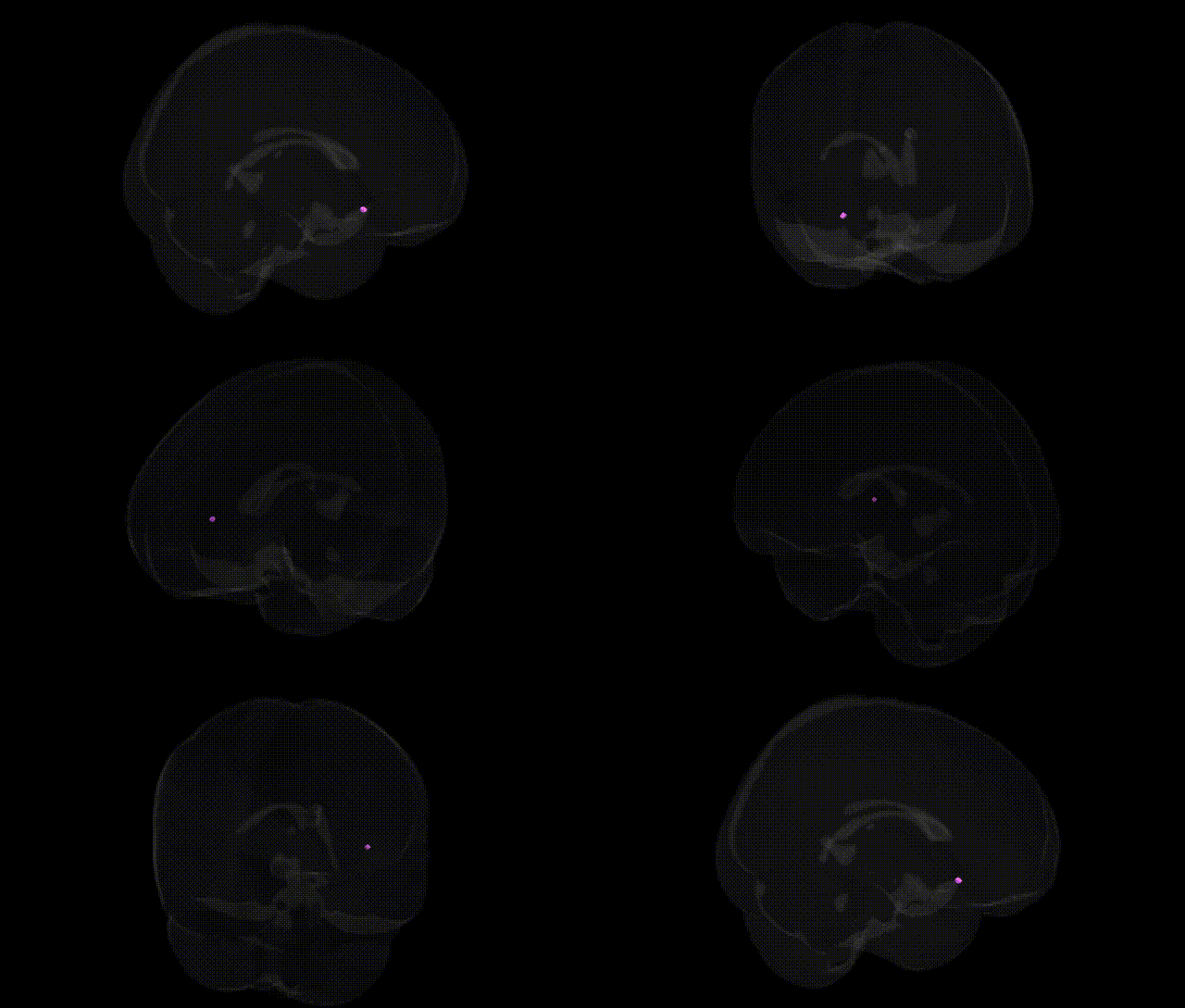
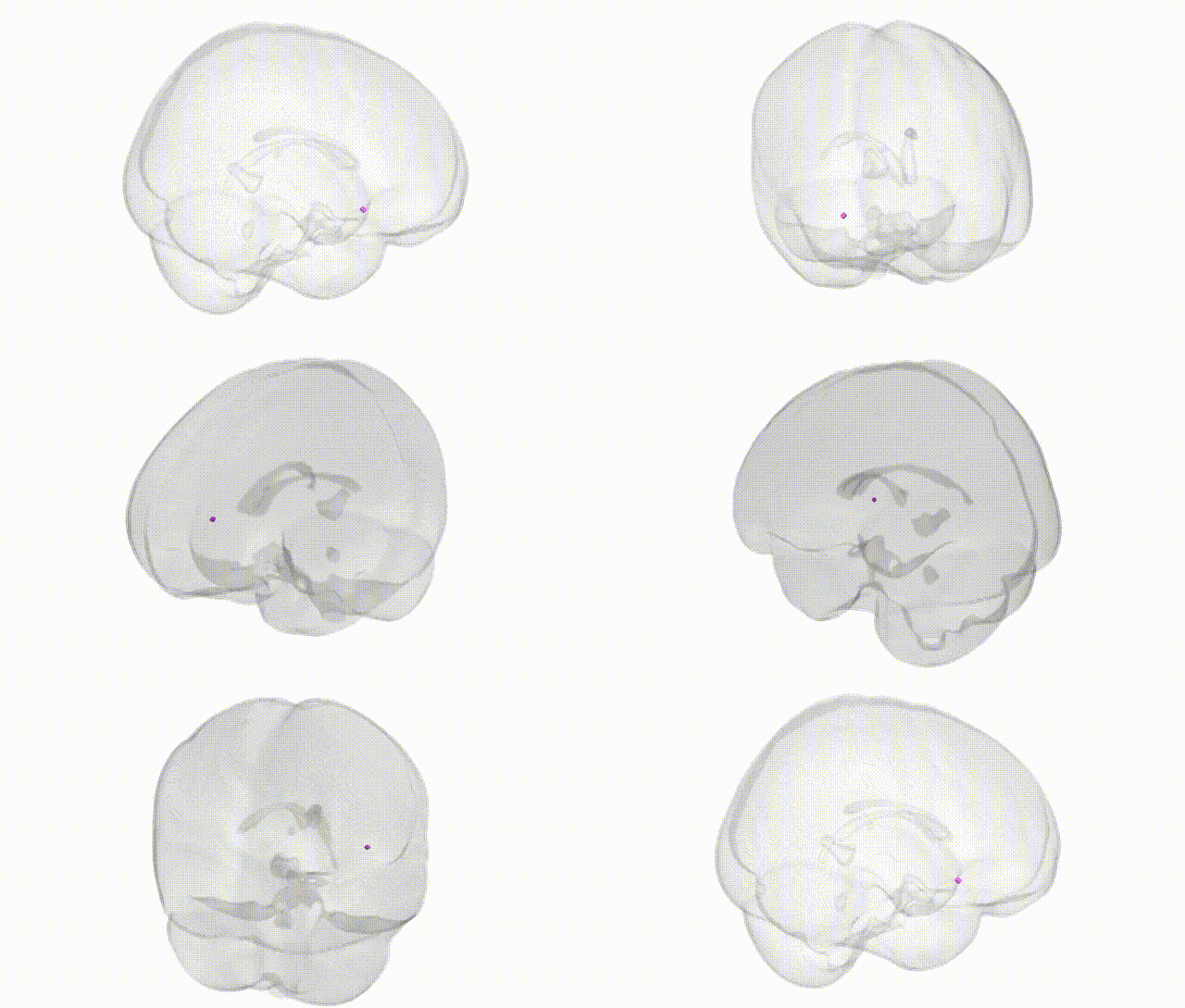
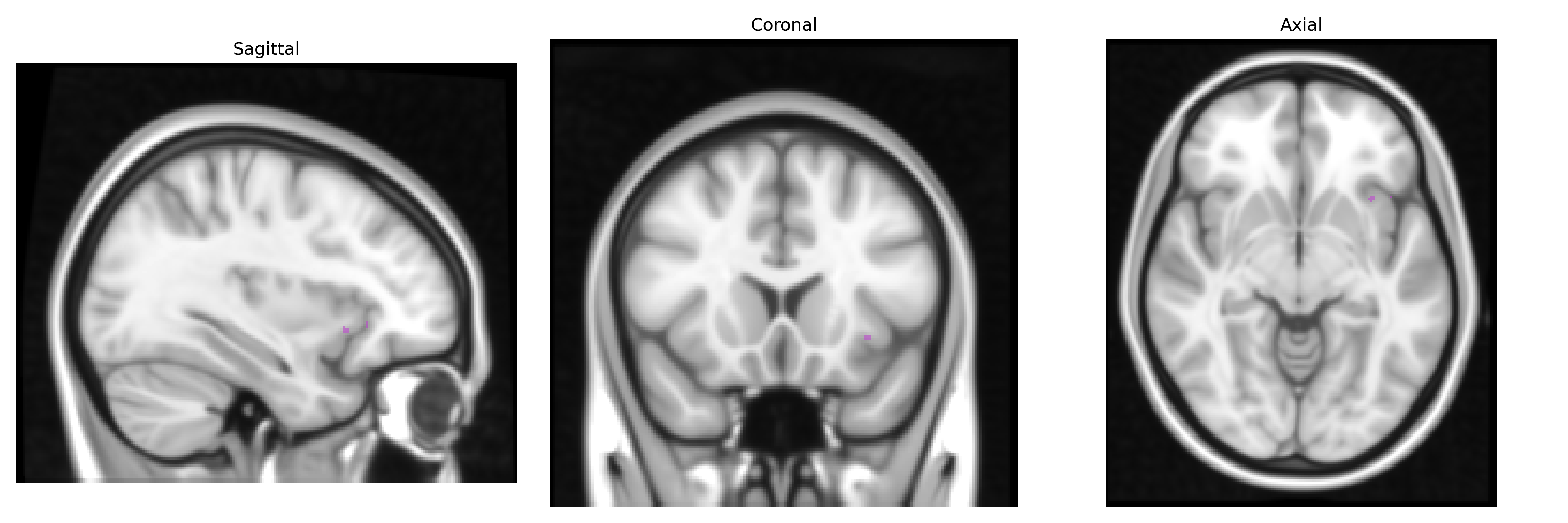
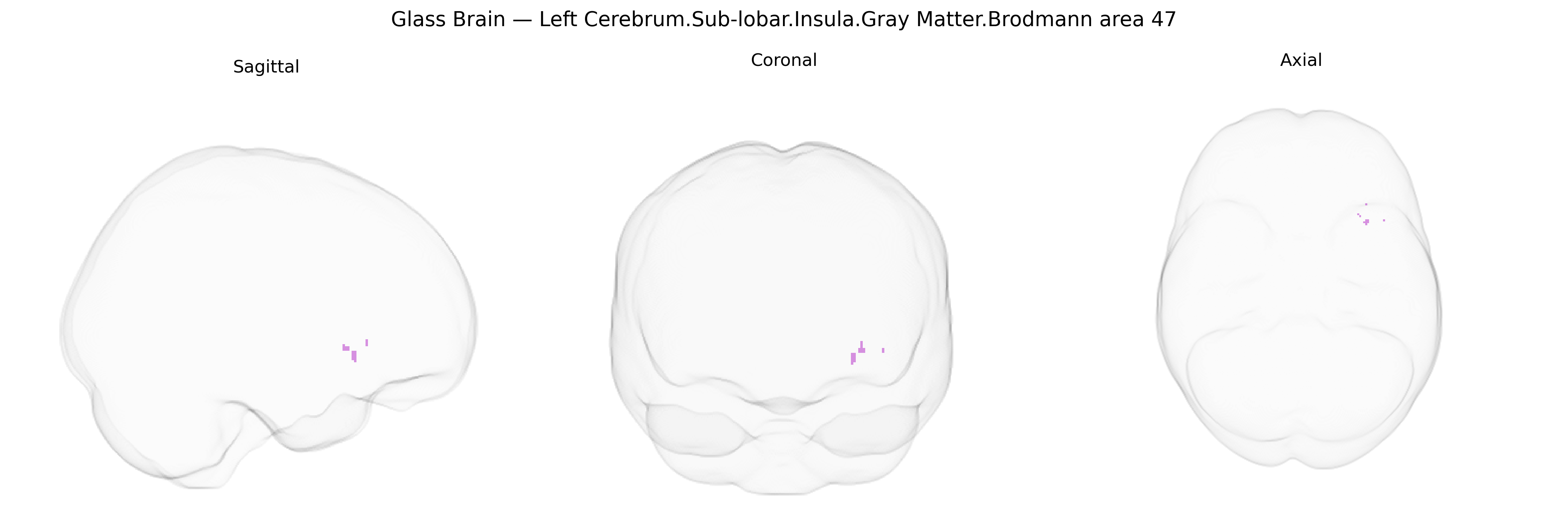
The bilateral Left Cerebrum.Sub-lobar.Insula.Gray Matter.Brodmann area 47 corresponds primarily to the ventral portion of the frontal operculum and anterior insular region, overlapping the inferior frontal gyrus and extending into the insular cortex, as defined in the Talairach 1 mm atlas. Brodmann area 47 is associated with higher-order cognitive and affective processes, including semantic processing, language comprehension, integration of emotional and reward-related information, and aspects of decision-making that link internal states with external stimuli. Functionally, this region participates in large-scale networks such as the salience and language networks, contributing to the evaluation of social and emotional cues, modulation of autonomic responses, and coordination of complex behavioral outputs. Histologically, it exhibits granular cortex typical of prefrontal association areas, with dense interconnections to limbic, temporal, and other prefrontal regions. Brodmann area 47
Genetic associations with the bilateral left sublobar insular cortex, particularly Brodmann area 47 (inferior frontal gyrus/orbitofrontal–insular transition), emerge primarily from imaging-genetics and GWAS of brain structure and psychiatric traits. Large-scale GWAS of cortical morphology (e.g., ENIGMA, UK Biobank) have identified common variants near genes such as HMGA2, FGFR3, TCF4, and WNT signaling components that influence insular and orbitofrontal cortical thickness or surface area, implicating neurodevelopmental patterning pathways in the structural variability of this region. Polygenic risk scores for major depressive disorder, schizophrenia, bipolar disorder, and autism spectrum disorder have been associated with altered gray matter volume or connectivity in the left insula/BA47, consistent with repeated case–control MRI findings of insular atrophy or dysconnectivity in these conditions. GWAS of addiction-related traits (e.g., smoking, alcohol use) and impulsivity have linked risk variants in dopaminergic and glutamatergic genes to functional and structural differences in the insula–orbitofrontal network, reflecting its role in interoception, salience processing, and craving. Additionally, genetic liability for anxiety, neuroticism, and pain sensitivity shows correlations with left insular volume and activity, suggesting that pleiotropic neurodevelopmental and neurotransmission genes modulate insular–BA47 structure and function across multiple psychiatric and behavioral phenotypes.
Overview generated by GPT-4o (2026).
Region ID: 468
Hemisphere: bilateral
Atlas: Talairach labels 1mm
Full Quality Version: Download MP4
Full Quality Version: Download MP4
Wali Sidiqyar*, Gaurav Rudravaram*, Elyssa M. McMaster, Trent M. Schwartz, Adam M. Saunders, Kurt G. Schilling, Bennett A. Landman "Introducing SPINS: A Shared Public Visualization Library of Neuroanatomical Structures." Medical Imaging with Deep Learning- short paper
This resource is licensed under CC0 1.0 Universal (Public Domain).