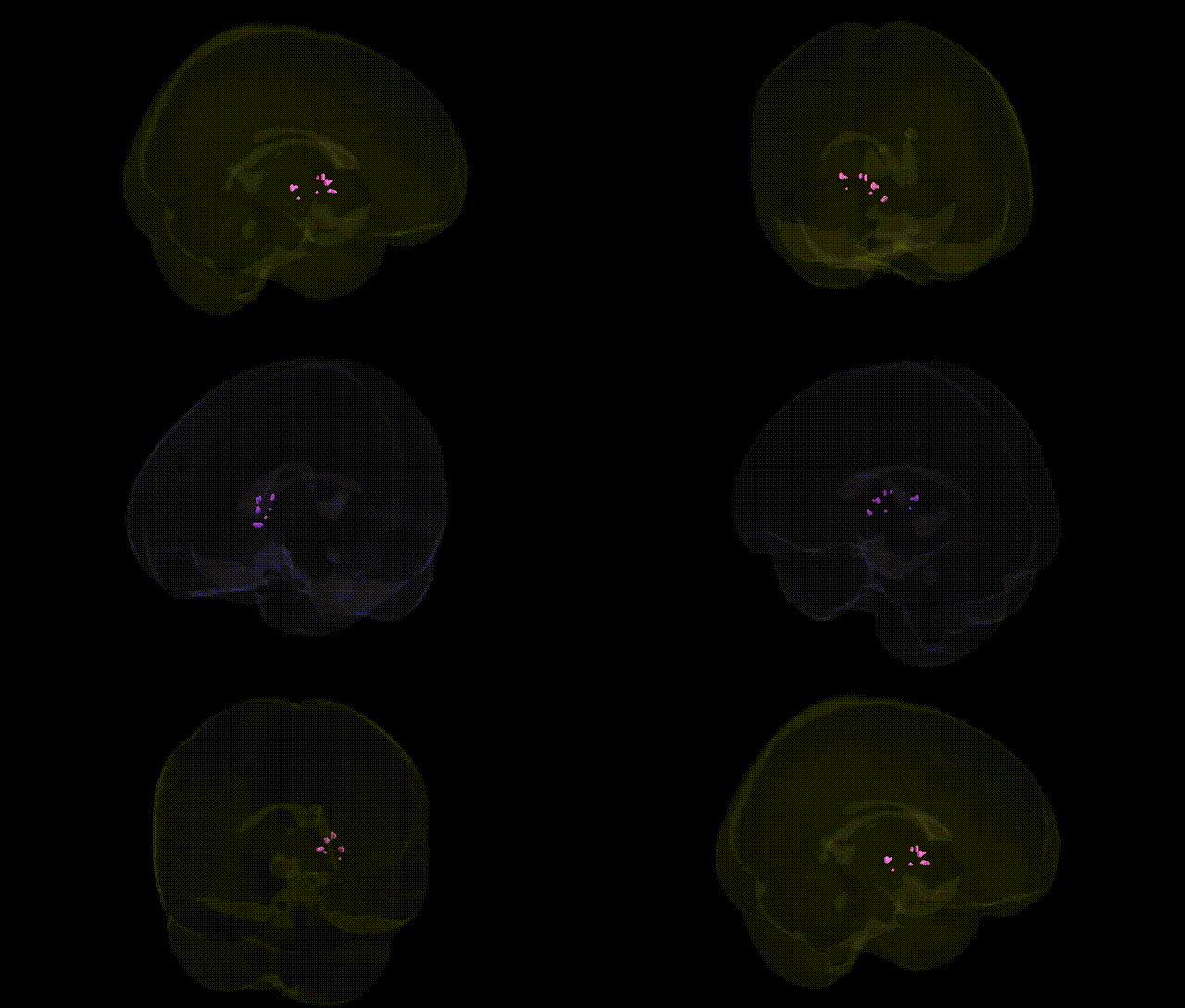
The bilateral Left Cerebrum.Sub-lobar.Lentiform Nucleus.Gray Matter refers to gray matter structures within the lentiform nucleus of the basal ganglia in the left cerebral hemisphere, including primarily the putamen and globus pallidus. These nuclei are located sub-lobarly, deep to the insular cortex and lateral to the internal capsule, and play crucial roles in motor control, procedural learning, and aspects of cognition and emotion through their extensive connections with the cortex, thalamus, and other basal ganglia components. Functionally, the lentiform nucleus participates in the regulation of voluntary movement by integrating excitatory and inhibitory signals in cortico-striato-pallido-thalamic loops, and its dysfunction is implicated in movement disorders such as Parkinson’s disease, dystonia, and chorea.
Basal ganglia
The bilateral left lentiform nucleus gray matter (a sub-lobar structure comprising putamen and globus pallidus in the Talairach 1 mm atlas) has been implicated in multiple genetic and genome-wide association studies linking its volume, morphology, and function to diverse traits and disorders. Twin and family studies show high heritability of lentiform nucleus volume (often >60%), with GWAS identifying common variants in genes involved in neurodevelopment, synaptic signaling, and dopamine pathways—such as those near or within DRD2, PPP1R1B (DARPP-32), and other dopaminergic and glutamatergic genes—that modulate basal ganglia structure. Large imaging-genetics consortia (e.g., ENIGMA, UK Biobank) have reported associations between lentiform nucleus volume and loci in or near genes related to neuronal growth (e.g., variants close to PLEKHG1, DLG2, and MAPT region signals for basal ganglia volumes), and polygenic scores for schizophrenia, bipolar disorder, major depression, ADHD, and substance use overlap with the genetic architecture influencing this region’s morphology. Disorders strongly tied to lentiform abnormalities, including Parkinson’s disease, Huntington’s disease, dystonia, and Tourette syndrome, often involve risk variants or causal mutations in genes affecting striatal neurons (e.g., HTT, TOR1A, LRRK2, SNCA), while neurodevelopmental and psychiatric conditions such as schizophrenia, OCD, and autism show GWAS-based associations where risk alleles correlate with altered lentiform nucleus gray matter volume or activity. Additionally, genetic variants associated with traits like cognitive performance, motor function, habit learning, and impulsivity exhibit convergent effects on basal ganglia structures including the lentiform nucleus, underscoring a shared polygenic basis for structural variation and behaviorally relevant phenotypes in this subcortical region.
Overview generated by GPT-4o (2026).
Region ID: 501
Hemisphere: bilateral
Atlas: Talairach labels 1mm
Full Quality Version: Download MP4
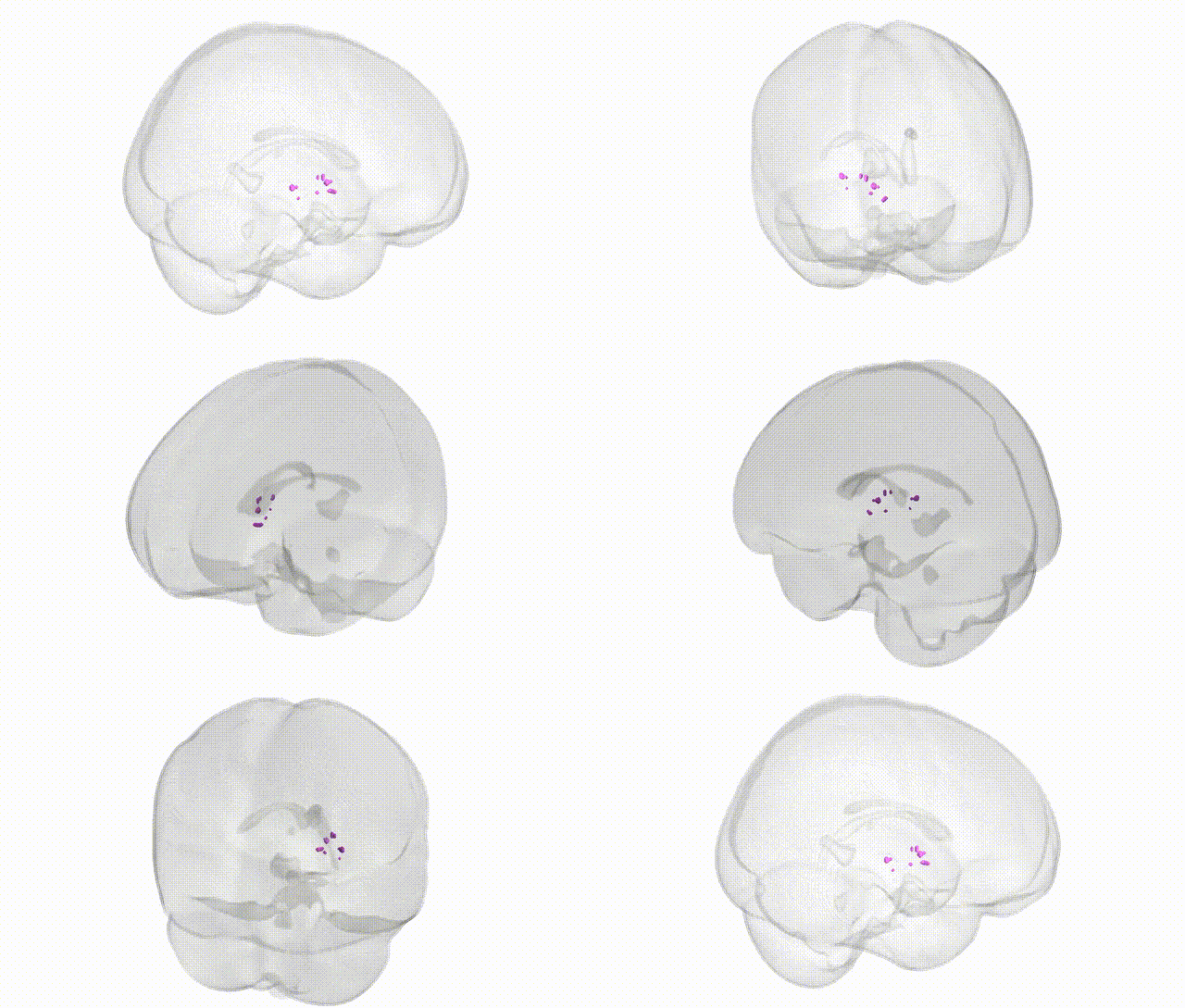
Full Quality Version: Download MP4
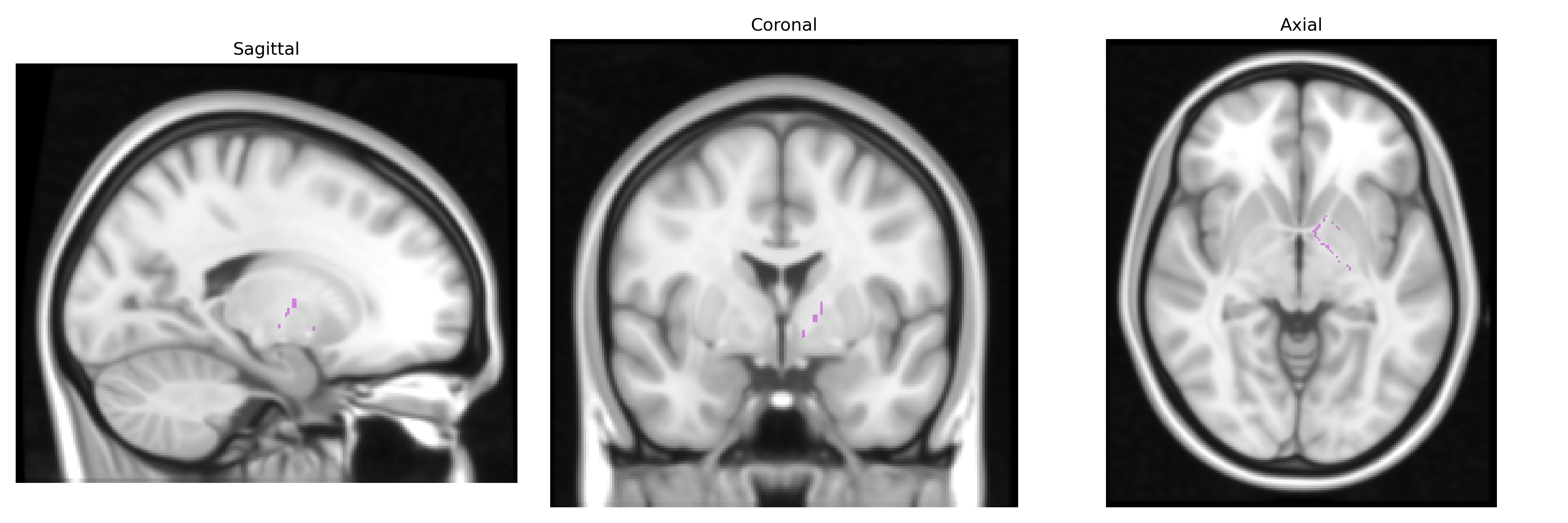
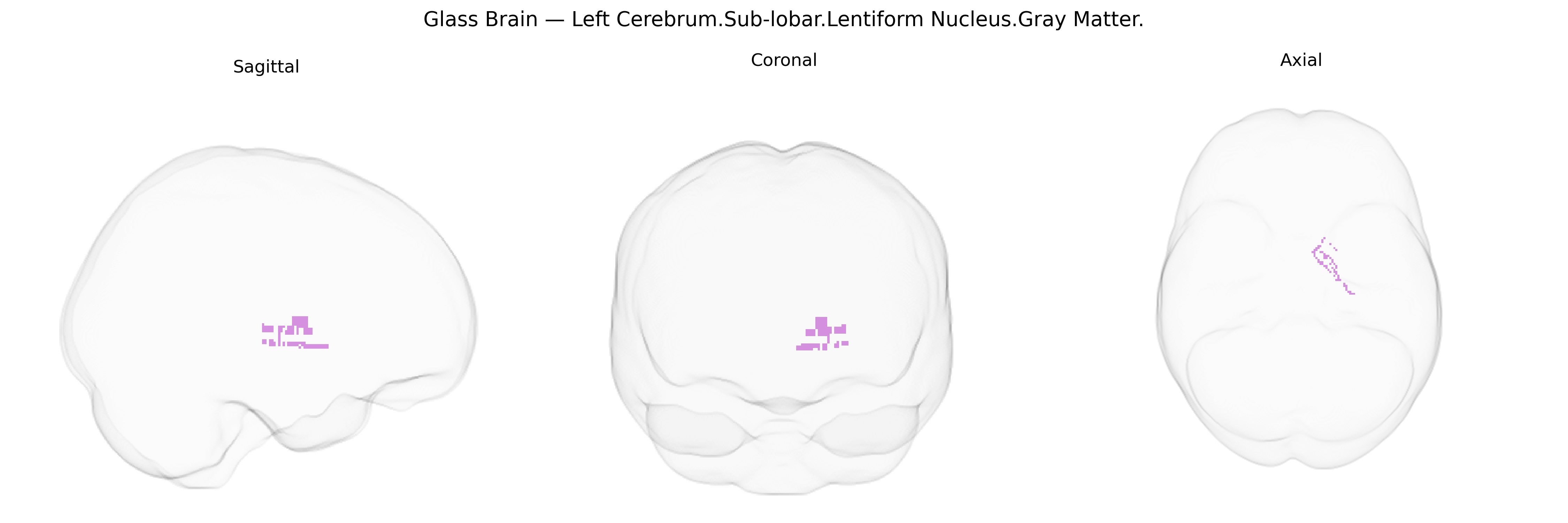
Wali Sidiqyar*, Gaurav Rudravaram*, Elyssa M. McMaster, Trent M. Schwartz, Adam M. Saunders, Kurt G. Schilling, Bennett A. Landman "Introducing SPINS: A Shared Public Visualization Library of Neuroanatomical Structures." Medical Imaging with Deep Learning- short paper
This resource is licensed under CC0 1.0 Universal (Public Domain).