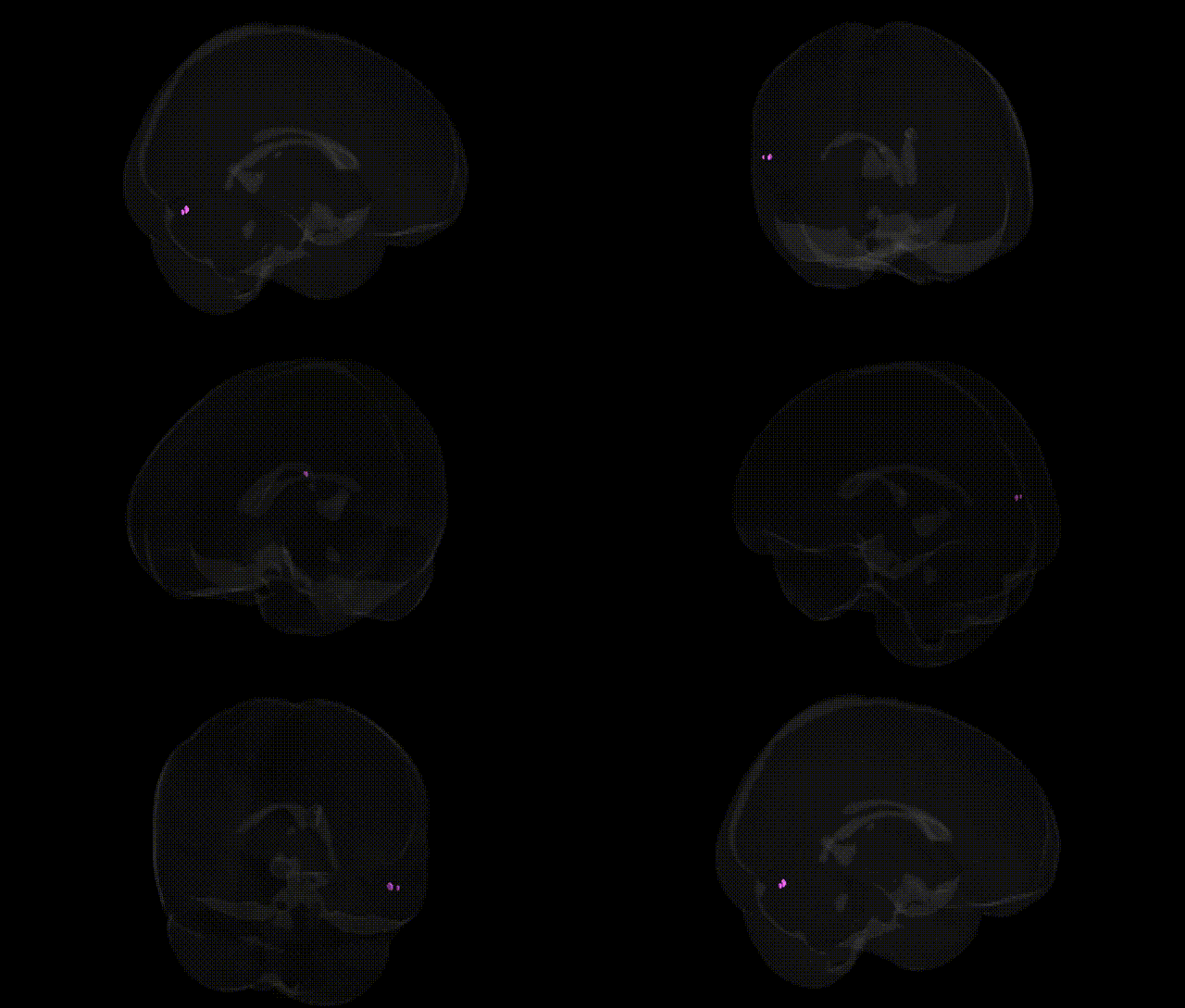
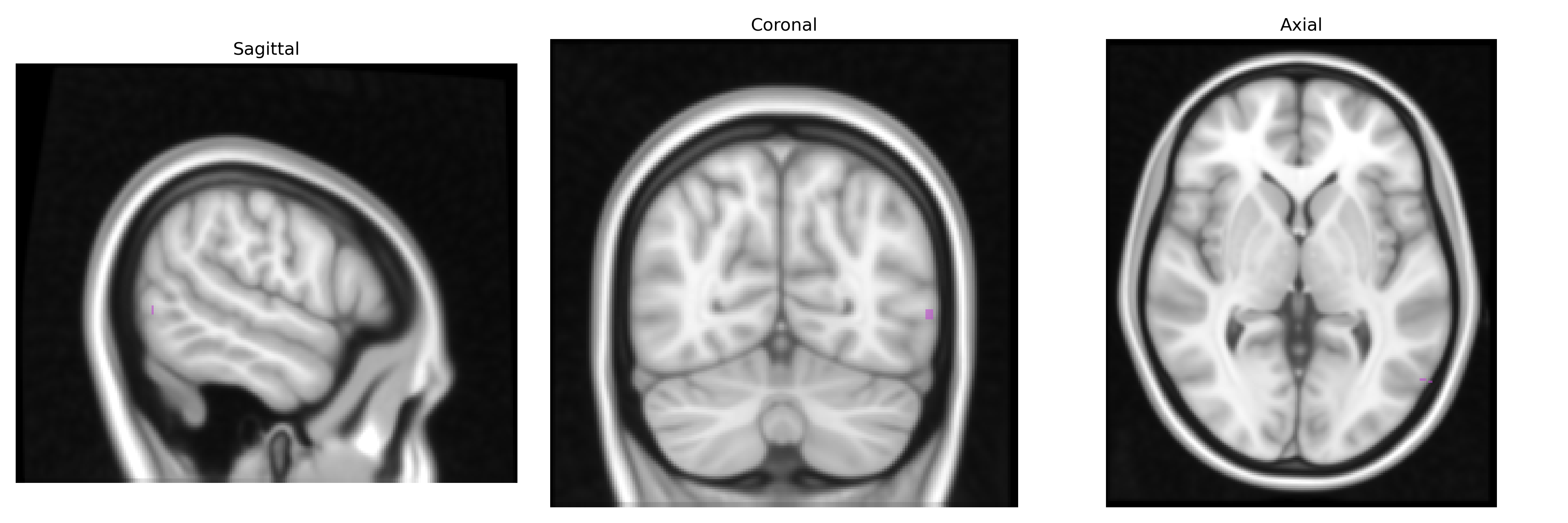
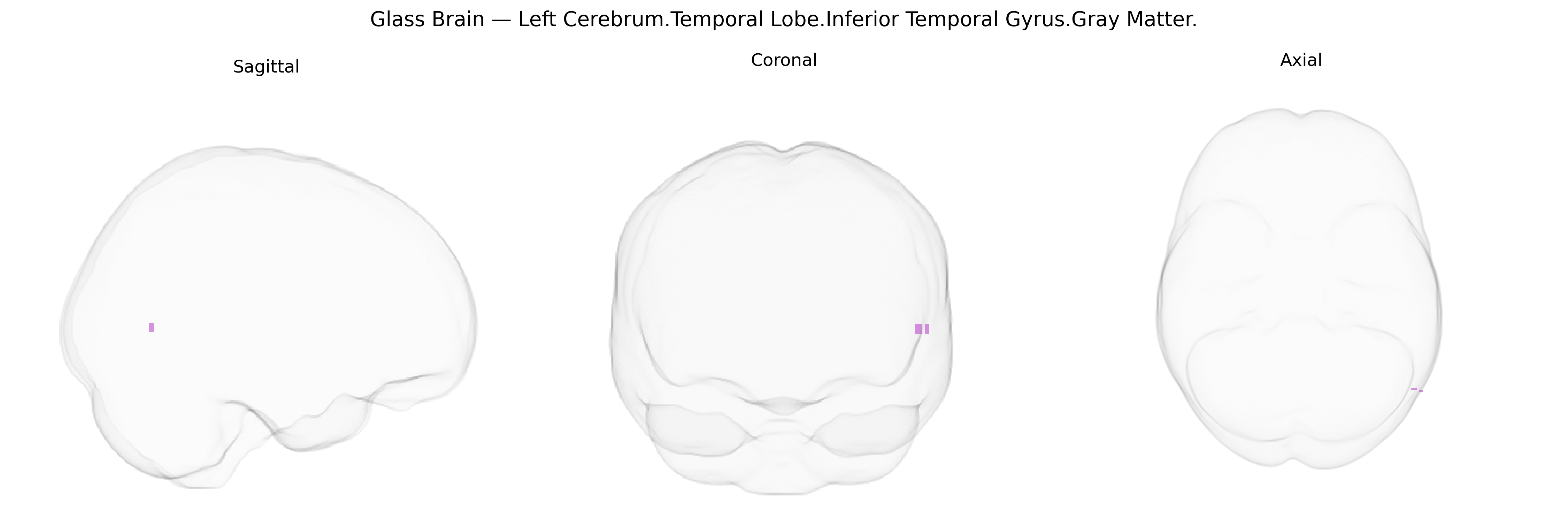
The bilateral Left Cerebrum.Temporal Lobe.Inferior Temporal Gyrus.Gray Matter corresponds to cortical tissue in the inferior temporal gyrus of the temporal lobes, a ventral visual pathway region implicated in higher-order visual processing, including object recognition, complex shape analysis, and aspects of visual memory. This gray matter region contains neurons that integrate inputs from earlier visual areas (such as V1–V4) and is involved in representing complex visual features, contributing to the perception of faces, objects, and categories, and interfacing with limbic and prefrontal structures for associative memory and semantic processing. There is no direct link for this exact Talairach label; a related structure is the inferior temporal gyrus: Inferior temporal gyrus.
The inferior temporal gyrus gray matter of the left temporal lobe (as defined in Talairach 1 mm atlases) has been implicated in several genetic and imaging-genetics studies, particularly through GWAS of cortical thickness, surface area, and gray matter volume. Large consortia such as ENIGMA and UK Biobank–based analyses have identified associations between common variants in genes involved in neurodevelopment, synaptic organization, and axon guidance (for example, loci near genes like MIR924HG, HMGA2, and other neurodevelopmental regulators) and structural variation in inferior temporal regions, though individual effect sizes are small and distributed. Genetic overlap has been reported between inferior temporal morphology and cognitive traits, including general intelligence and educational attainment, as well as with risk for neuropsychiatric and neurodegenerative disorders such as schizophrenia, major depressive disorder, autism spectrum disorder, and Alzheimer’s disease, where polygenic risk scores correlate with altered temporal lobe gray matter or cortical thinning. Some GWAS of disease-related endophenotypes, such as face recognition, visual object processing, and language-related measures, have also pointed to shared genetic influences on inferior temporal structure and function, aligning with the region’s role in high-level visual and semantic processing, although robust, region-specific gene–phenotype links remain largely polygenic and diffuse rather than tied to single genes.
Overview generated by GPT-4o (2026).
Region ID: 553
Hemisphere: bilateral
Atlas: Talairach labels 1mm
Full Quality Version: Download MP4
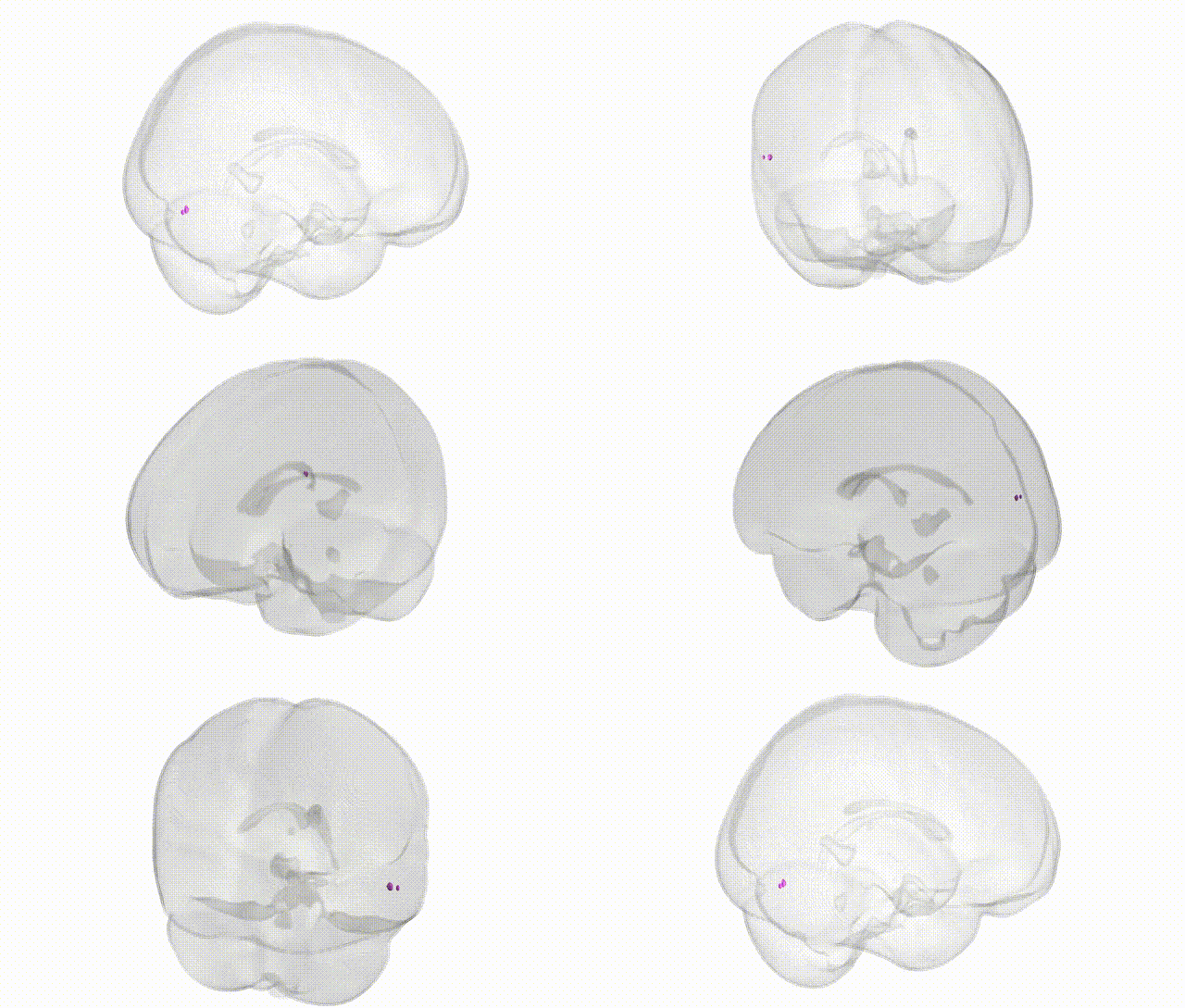
Full Quality Version: Download MP4
Wali Sidiqyar*, Gaurav Rudravaram*, Elyssa M. McMaster, Trent M. Schwartz, Adam M. Saunders, Kurt G. Schilling, Bennett A. Landman "Introducing SPINS: A Shared Public Visualization Library of Neuroanatomical Structures." Medical Imaging with Deep Learning- short paper
This resource is licensed under CC0 1.0 Universal (Public Domain).