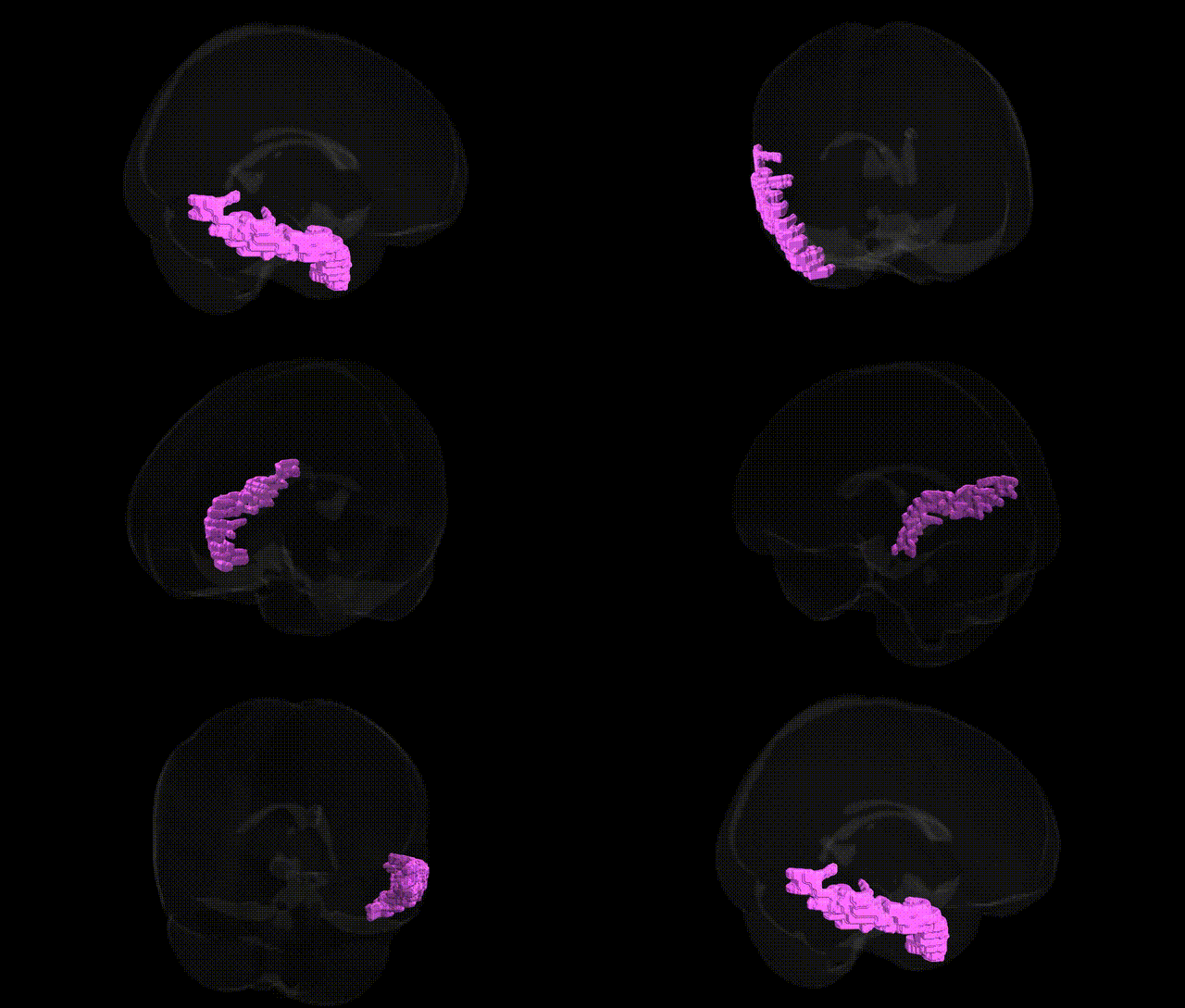
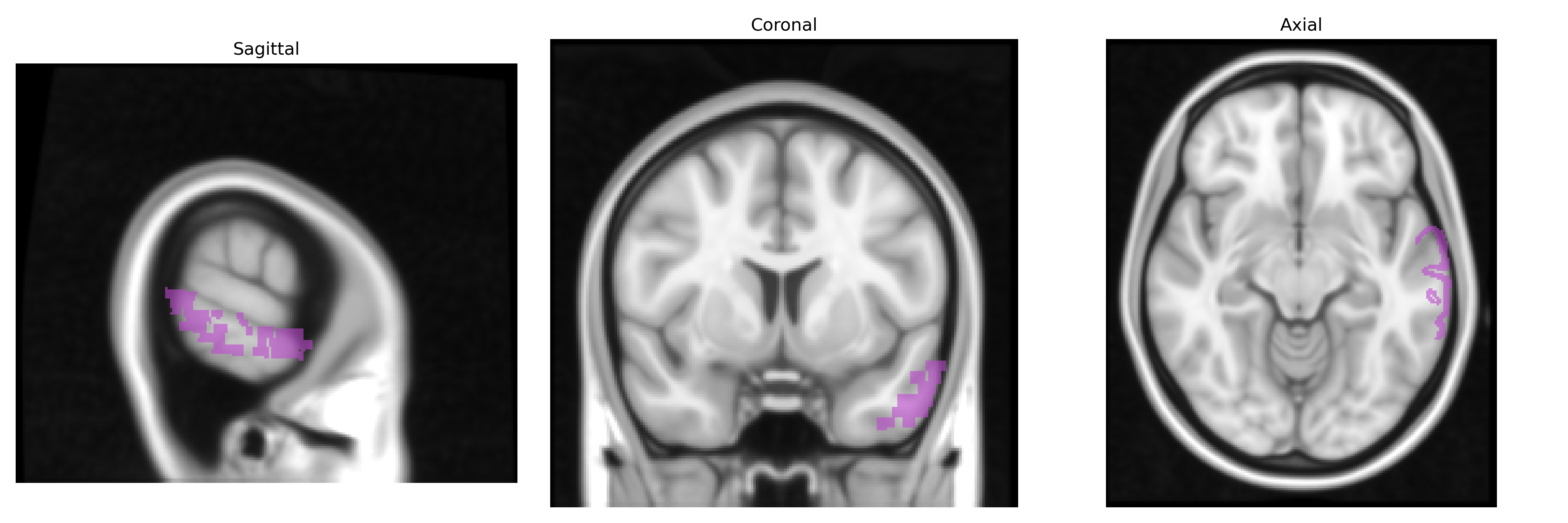
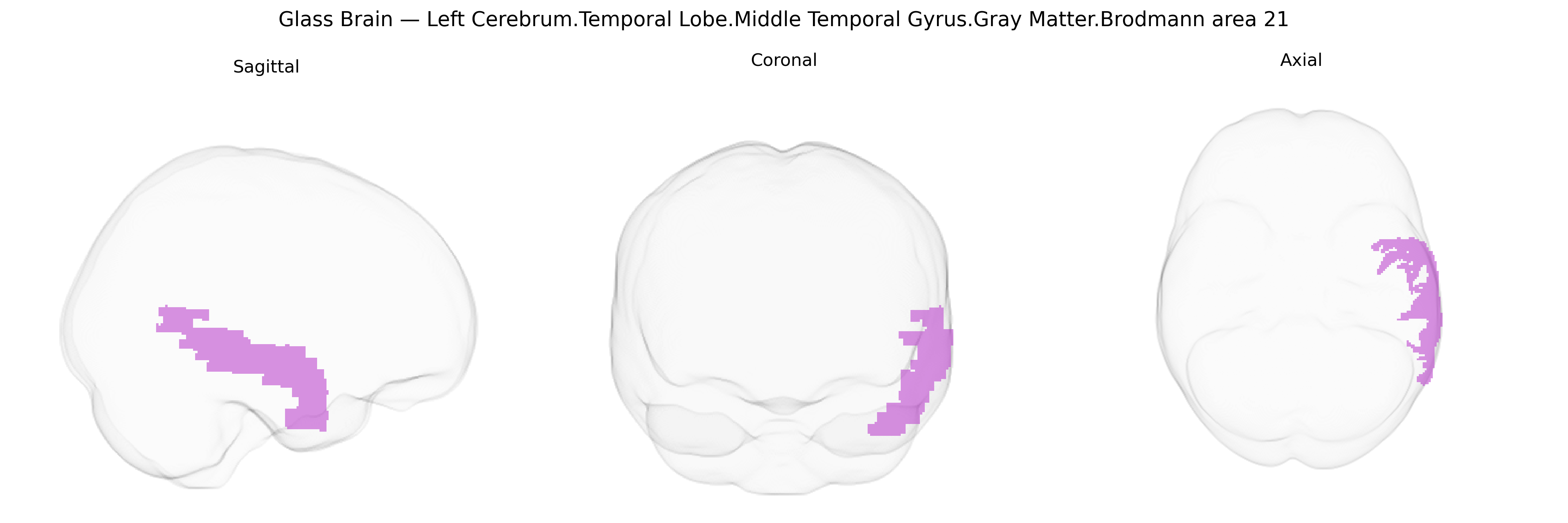
The bilateral Left Cerebrum.Temporal Lobe.Middle Temporal Gyrus.Gray Matter.Brodmann area 21 corresponds to a cytoarchitectonically defined portion of the middle temporal gyrus located in the lateral temporal cortex of the left hemisphere, implicated in higher-order auditory and language processing, semantic memory, and aspects of visual object recognition. This region participates in the ventral visual stream and language networks, contributing to the comprehension of spoken and written words, lexical–semantic integration, and processing of complex auditory stimuli, including speech and environmental sounds. Neurons in Brodmann area 21 exhibit columnar organization and connectivity with adjacent temporal, parietal, and frontal association cortices, as well as limbic structures, supporting multimodal integration and declarative memory functions. Lesions or dysfunction in this region have been associated with receptive aphasia, semantic dementia, and deficits in object and face recognition, reflecting its role at the interface of perception, language, and memory systems. Brodmann area 21
The bilateral left cerebrum temporal lobe middle temporal gyrus gray matter Brodmann area 21 (BA21), as defined in the Talairach 1 mm atlas, has been implicated in multiple genetic and GWAS-based associations through its roles in language, semantic processing, and social cognition. Imaging-genetics and large-scale consortia studies (e.g., ENIGMA, UK Biobank) have linked common variants in genes affecting cortical development, synaptic plasticity, and axon guidance—such as BDNF, CNTNAP2, NRG1, and FOXP2-related networks—to structural and functional variation in BA21 or highly overlapping temporal regions. GWAS of cortical thickness and surface area have identified significant loci on chromosomes 3, 6, 8, and 12 associated with temporal lobe metrics that encompass middle temporal gyrus, often involving genes linked to neurodevelopment and neurotransmission. BA21 has repeatedly emerged in genetic and polygenic risk studies of autism spectrum disorder and schizophrenia, where risk alleles in synaptic and glutamatergic genes (e.g., GRIN2A, NRXN, and others in postsynaptic density pathways) correlate with altered temporal activation or gray-matter volume. This region is also implicated in heritable risk for primary progressive aphasia and temporal-variant frontotemporal dementia, with mutations in MAPT, GRN, and C9orf72 contributing to neurodegeneration that prominently affects BA21-like territories. Additionally, Alzheimer’s disease GWAS loci (e.g., APOE, CLU, PICALM) show downstream associations with atrophy patterns that include middle temporal gyrus, consistent with its vulnerability to amyloid- and tau-related pathology. Overall, genetic associations involving BA21 converge on pathways for cortical patterning, synaptic function, and neurodegeneration, linking this region to language and semantic abilities, social cognition traits, and risk for major neuropsychiatric and neurodegenerative disorders.
Overview generated by GPT-4o (2026).
Region ID: 78
Hemisphere: bilateral
Atlas: Talairach labels 1mm
Full Quality Version: Download MP4
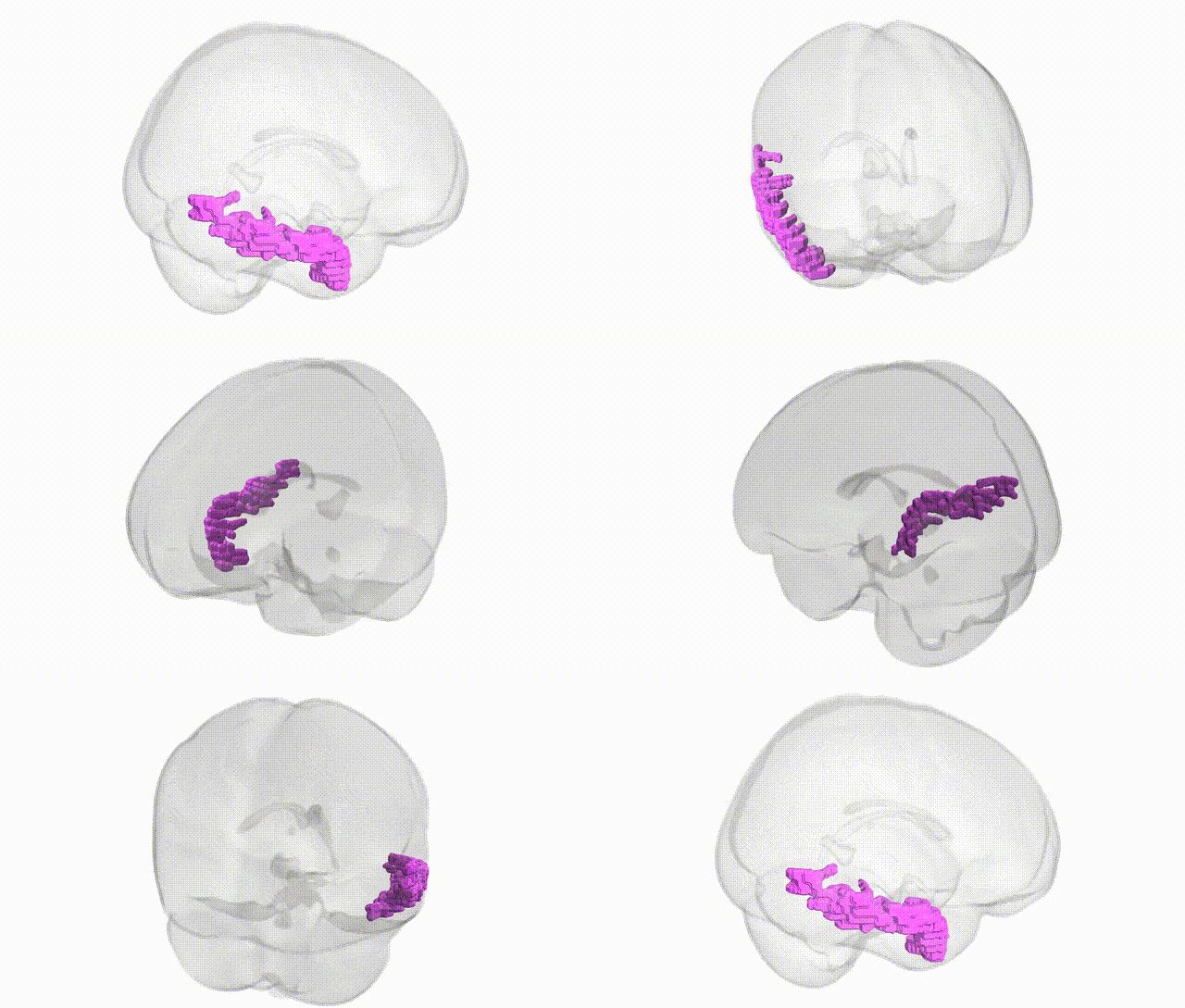
Full Quality Version: Download MP4
Wali Sidiqyar*, Gaurav Rudravaram*, Elyssa M. McMaster, Trent M. Schwartz, Adam M. Saunders, Kurt G. Schilling, Bennett A. Landman "Introducing SPINS: A Shared Public Visualization Library of Neuroanatomical Structures." Medical Imaging with Deep Learning- short paper
This resource is licensed under CC0 1.0 Universal (Public Domain).