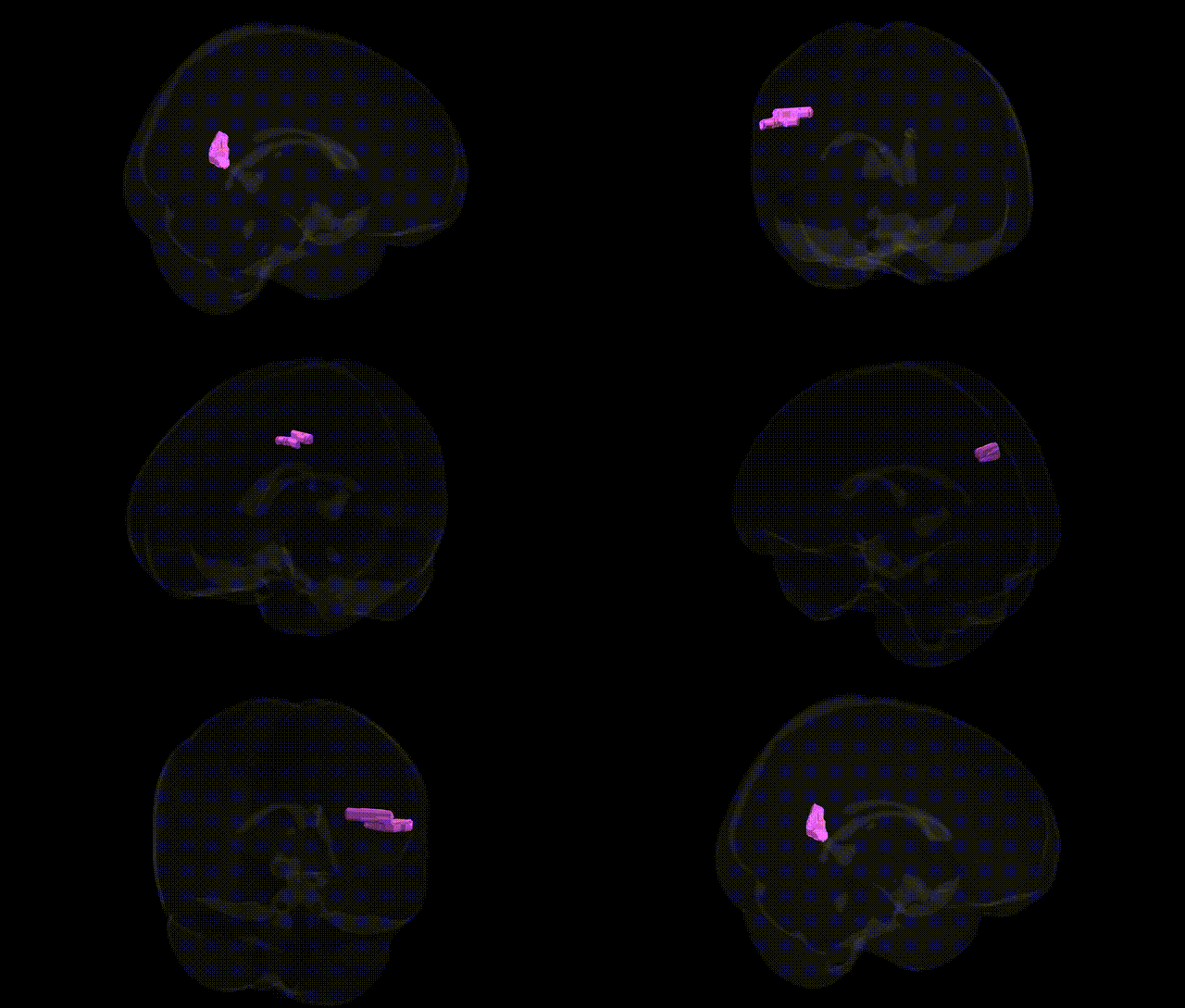
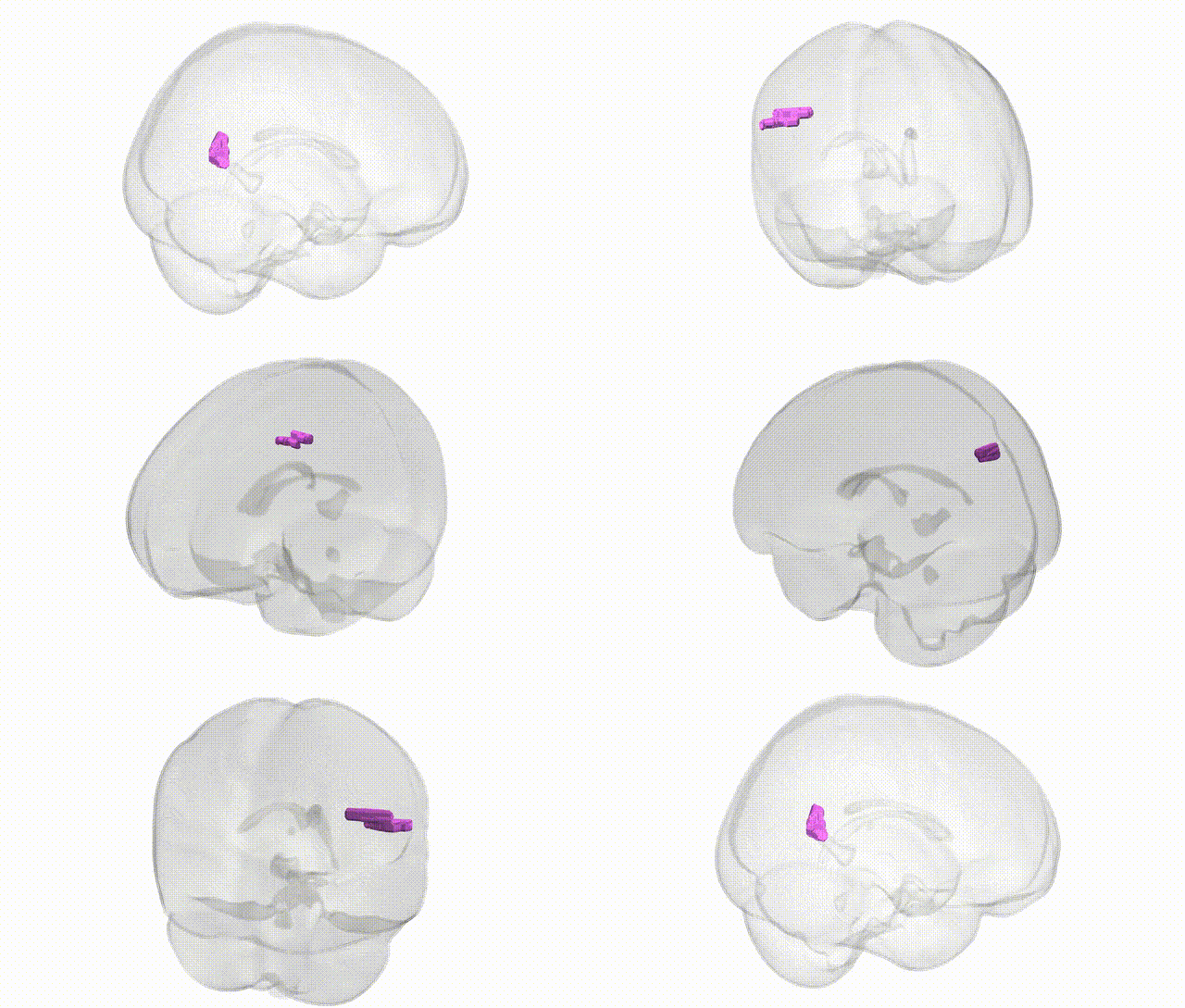
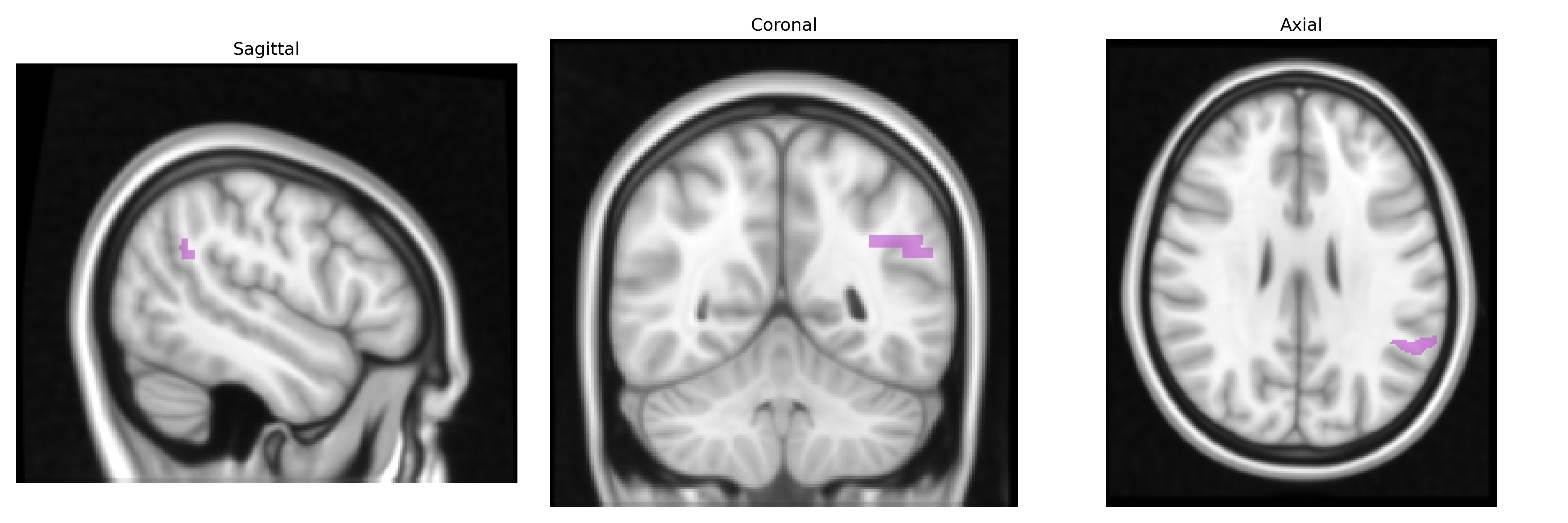
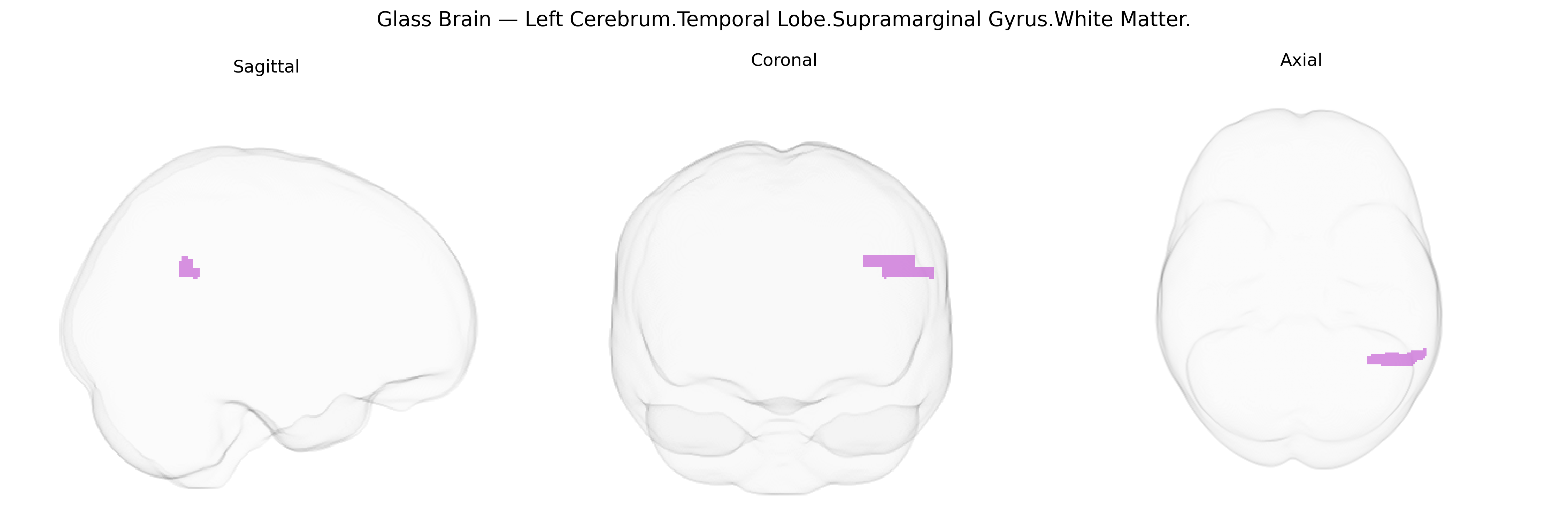
The bilateral Left Cerebrum.Temporal Lobe.Supramarginal Gyrus.White Matter corresponds to subcortical association fibers underlying the supramarginal gyrus, a parietal opercular structure that forms part of the inferior parietal lobule at the junction of the parietal and temporal lobes. These white matter pathways include components of long-range association tracts (such as segments of the superior longitudinal fasciculus and arcuate-related fibers) that interconnect posterior temporal, inferior parietal, and frontal language and multimodal integration regions. Functionally, this white matter region is implicated in higher-order processes such as phonological processing, language comprehension and production, praxis, and visuospatial and somatosensory integration, reflecting the supramarginal gyrus’s role in linking auditory, somatosensory, and symbolic information. There is no direct link for the white matter subdivision of this gyrus; a related cortical structure is the Supramarginal gyrus.
The bilateral supramarginal gyrus white matter in the left temporal/parietal region, as defined in the Talairach 1 mm atlas, has been implicated in several genetic and GWAS findings through its involvement in language, reading, and higher-order cognitive networks rather than via region-specific genes. Polygenic influences on cortical white matter microstructure and thickness in temporoparietal regions, identified in large imaging-genetics consortia such as ENIGMA and UK Biobank, implicate variants in genes important for axon guidance, myelination, and synaptic function (e.g., NTRK3, CNTNAP2, BDNF, and multiple oligodendrocyte-related loci) that collectively modulate diffusion MRI metrics in the supramarginal and adjacent association white matter. GWAS of educational attainment, general cognitive ability, language skills, and reading-related traits have repeatedly shown that individuals with higher polygenic scores exhibit greater structural integrity and volume in temporoparietal white matter, including the supramarginal gyrus, consistent with its role in phonological processing and verbal working memory. Genetic liability to dyslexia and specific language impairment has been associated with altered white matter organization in this region, including effects linked to loci near DCDC2, KIAA0319, and ROBO1, while schizophrenia, autism spectrum disorder, and ADHD polygenic risk scores show replicable associations with microstructural changes in temporoparietal association tracts that traverse or connect the supramarginal gyrus, such as the superior longitudinal and arcuate fasciculi. Overall, the genetic architecture influencing this region appears highly polygenic and pleiotropic, overlapping with risk architectures for neurodevelopmental, psychiatric, and cognitive traits rather than reflecting unique, region-specific genetic variants.
Overview generated by GPT-4o (2026).
Region ID: 870
Hemisphere: bilateral
Atlas: Talairach labels 1mm
Full Quality Version: Download MP4
Full Quality Version: Download MP4
Wali Sidiqyar*, Gaurav Rudravaram*, Elyssa M. McMaster, Trent M. Schwartz, Adam M. Saunders, Kurt G. Schilling, Bennett A. Landman "Introducing SPINS: A Shared Public Visualization Library of Neuroanatomical Structures." Medical Imaging with Deep Learning- short paper
This resource is licensed under CC0 1.0 Universal (Public Domain).