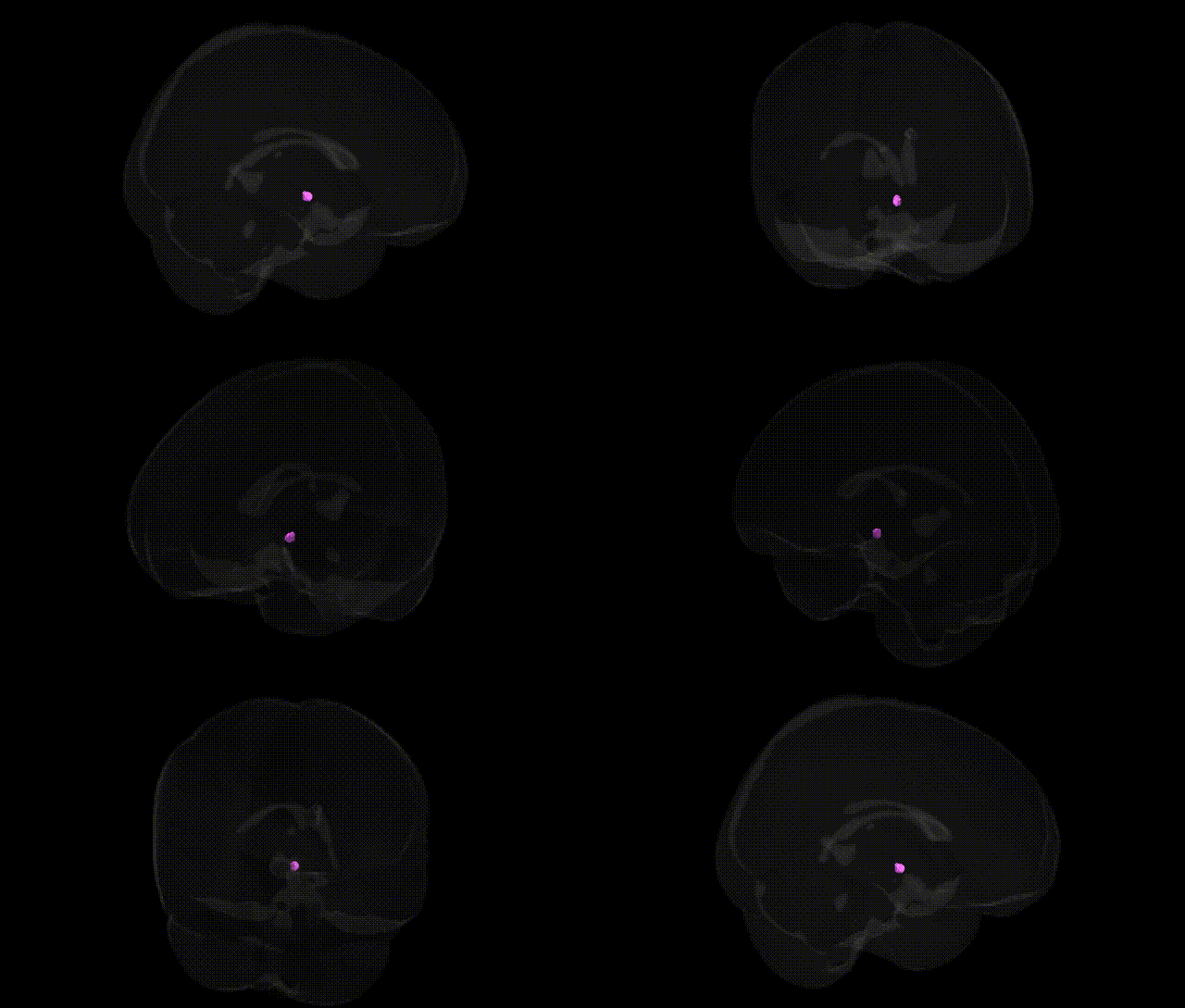
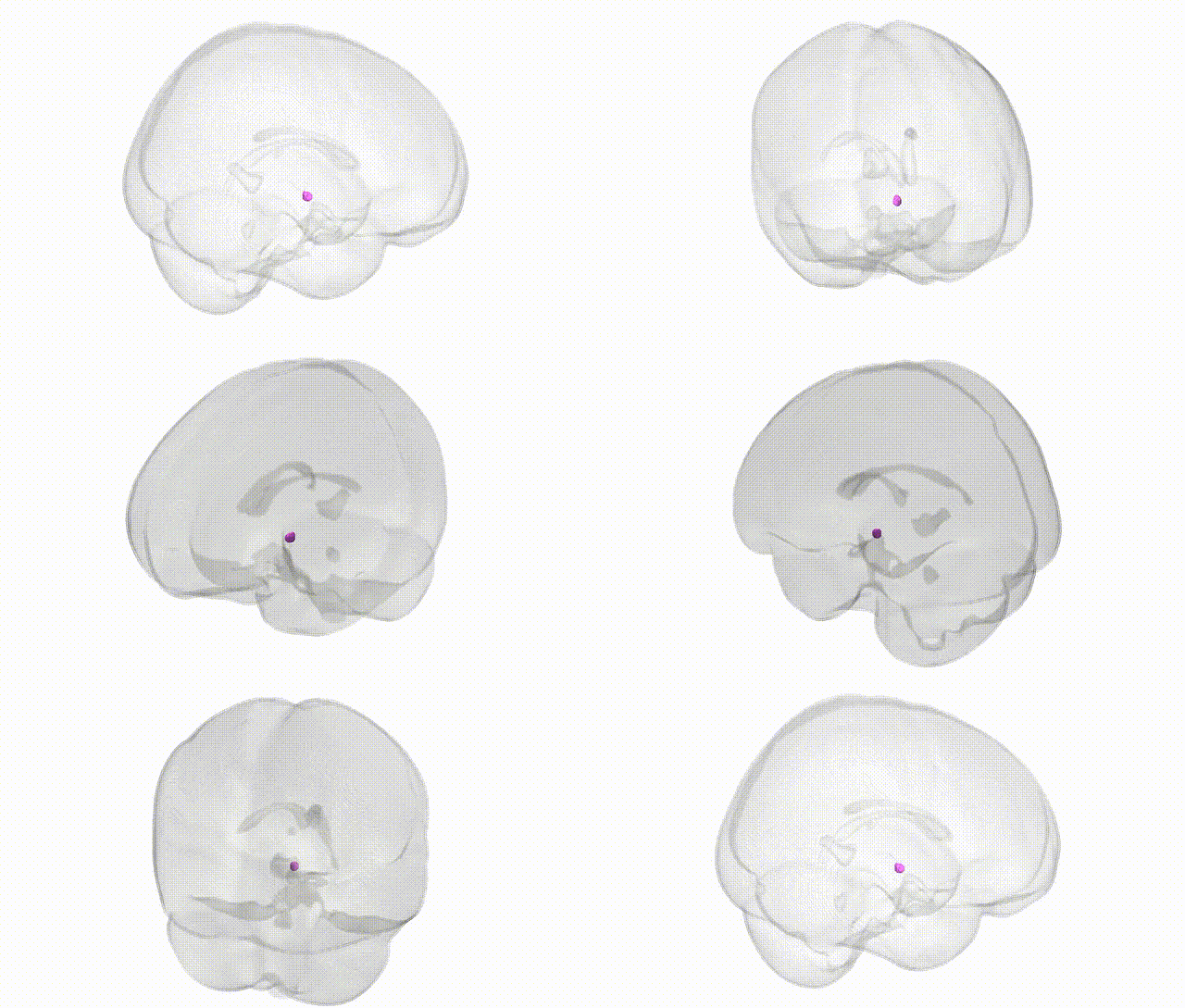
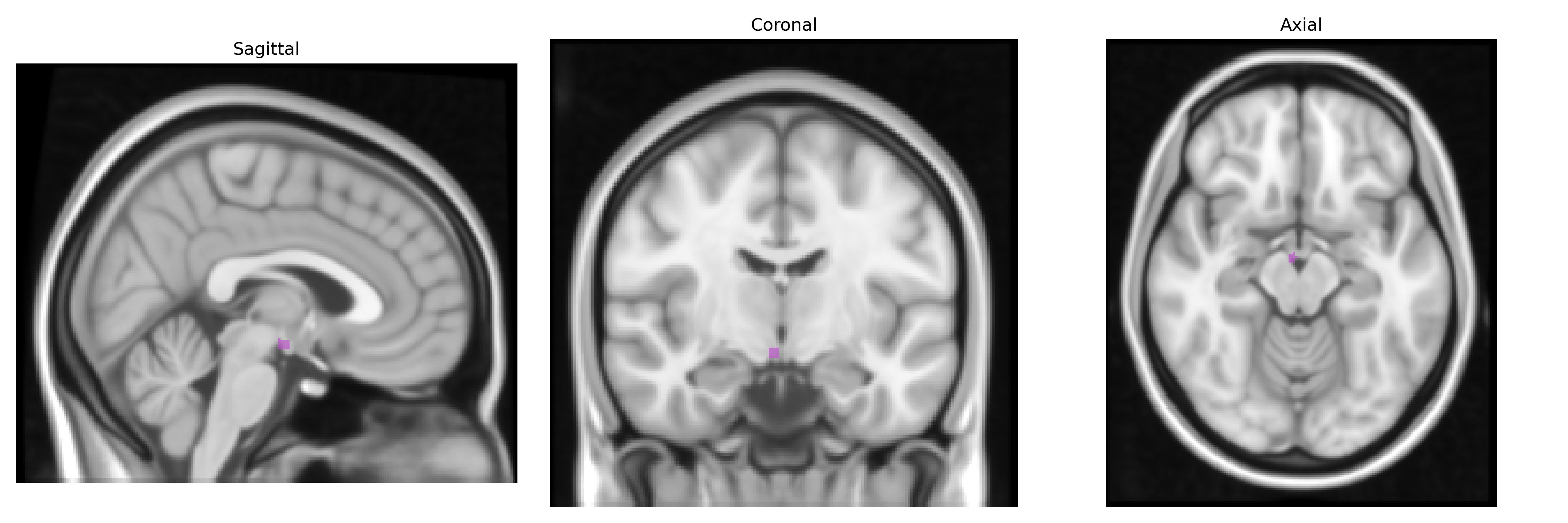
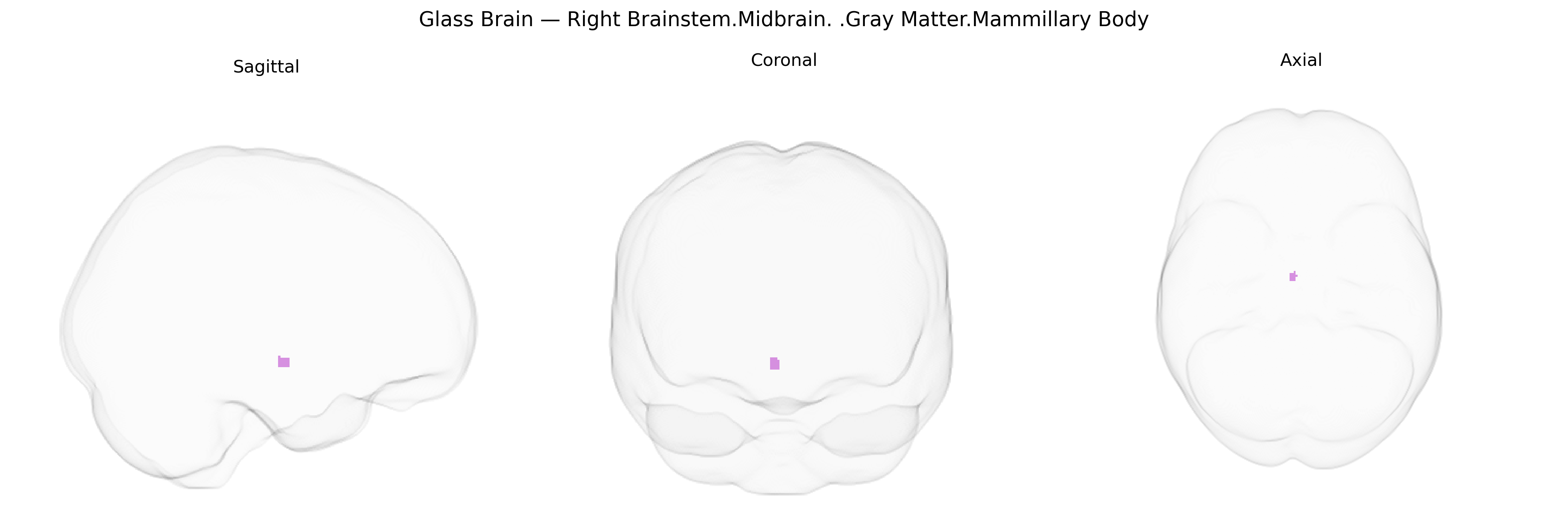
The bilateral right brainstem midbrain gray matter mammillary body region corresponds to the mammillary bodies, paired hypothalamic structures situated at the inferior aspect of the diencephalon near the midbrain. These small, rounded nuclei form a critical node in the Papez circuit of the limbic system, receiving inputs primarily from the hippocampus via the fornix and projecting to the anterior thalamic nuclei through the mammillothalamic tract, thus contributing to memory processing, particularly recollective and spatial memory. Damage to the mammillary bodies, such as in thiamine deficiency associated with Wernicke–Korsakoff syndrome, is strongly linked to anterograde amnesia and confabulatory states, underscoring their importance in normal mnemonic function. Mammillary body
The mammillary bodies, small hypothalamic structures critical for memory and part of the Papez circuit, do not have many region-specific GWAS findings, but genetic associations implicate them indirectly through disorders affecting limbic and diencephalic circuits. Variants in genes involved in thiamine transport and metabolism (e.g., SLC19A2, TPK1) are relevant to syndromes resembling Wernicke–Korsakoff pathology, in which mammillary body atrophy is a hallmark. Mammillary body volume changes are frequently reported in genetic epilepsies and developmental disorders impacting midline and diencephalic structures, including some forms of temporal lobe epilepsy with known associations in genes such as SCN1A and GABRG2, though the link is circuit-level rather than region-specific. GWAS and imaging-genetics studies of hippocampal and limbic volumes (implicating loci near genes such as WNT3, DPP4, and GMNC) sometimes include or border the mammillary bodies within broader limbic measurements, suggesting shared polygenic influences on memory-related networks. Neurodegenerative disorders with strong genetic risk factors—such as Alzheimer’s disease (APOE, CLU, PICALM, TREM2) and multiple system atrophy or Parkinson’s disease (SNCA, LRRK2, GBA)—show mammillary body and midbrain involvement on MRI, reflecting downstream effects of disease pathways rather than primary genetic targeting of the mammillary bodies. Overall, genetic associations for this bilateral mammillary body region are largely inferred from broader limbic, hypothalamic, or midbrain imaging-genetics analyses and from diseases where mammillary body integrity is a sensitive marker of circuit disruption, rather than from GWAS directly focused on this specific Talairach-defined structure.
Overview generated by GPT-4o (2026).
Region ID: 355
Hemisphere: bilateral
Atlas: Talairach labels 1mm
Full Quality Version: Download MP4
Full Quality Version: Download MP4
Wali Sidiqyar*, Gaurav Rudravaram*, Elyssa M. McMaster, Trent M. Schwartz, Adam M. Saunders, Kurt G. Schilling, Bennett A. Landman "Introducing SPINS: A Shared Public Visualization Library of Neuroanatomical Structures." Medical Imaging with Deep Learning- short paper
This resource is licensed under CC0 1.0 Universal (Public Domain).