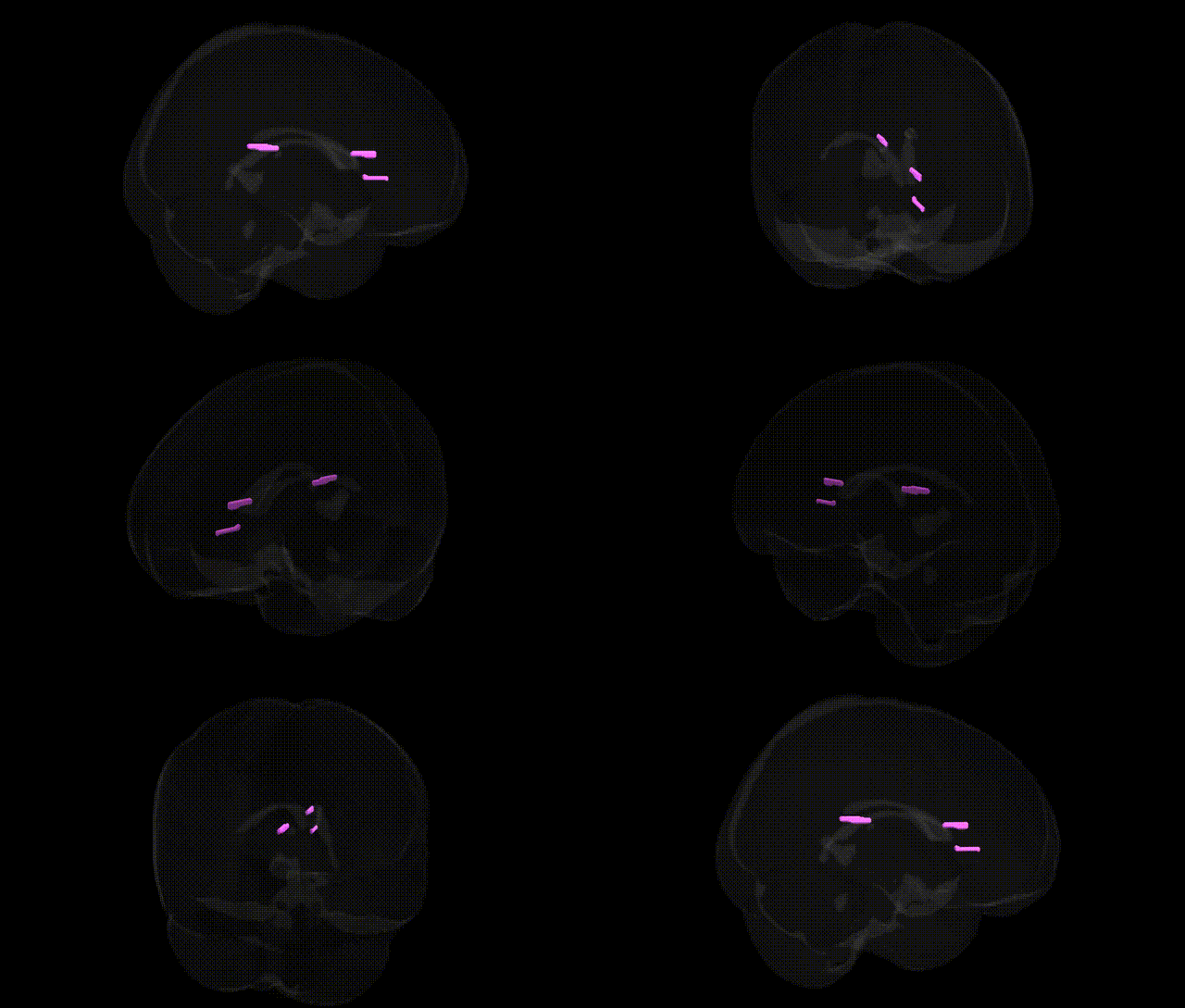
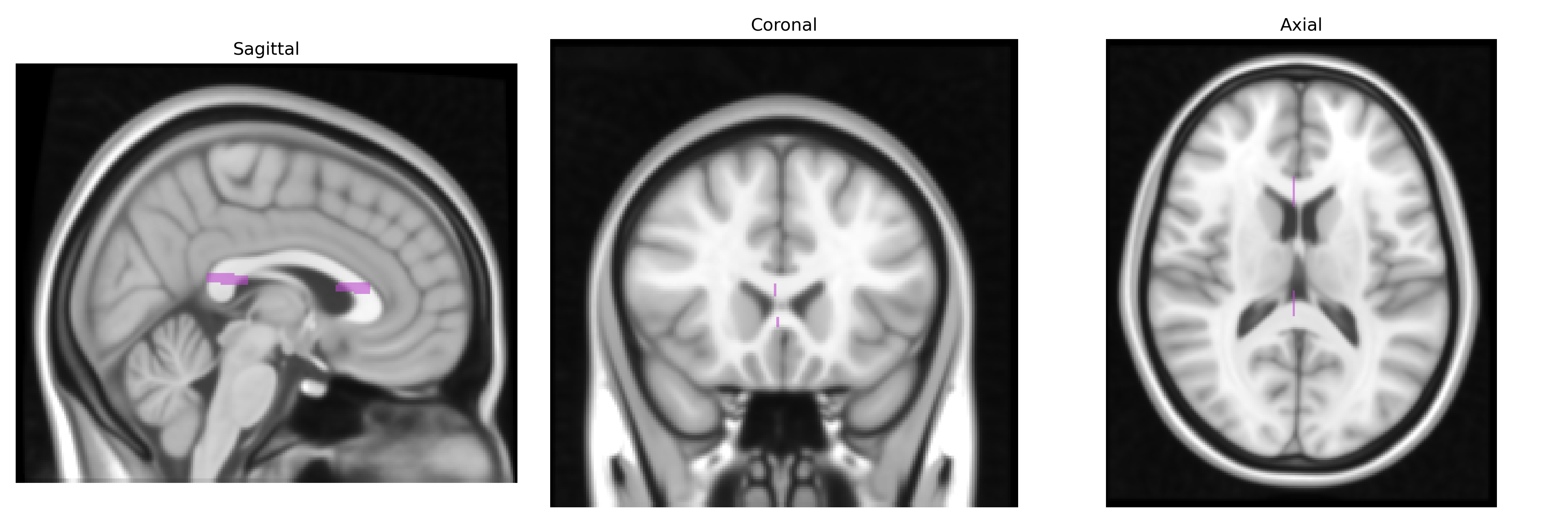
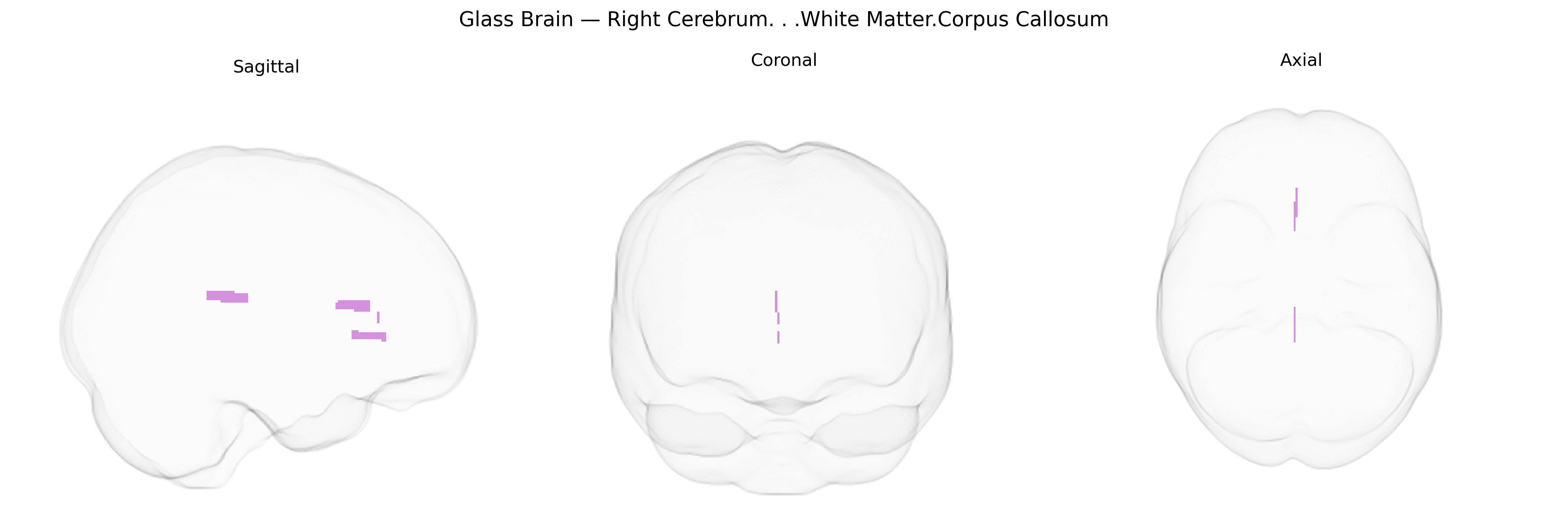
The bilateral right cerebrum white matter of the corpus callosum comprises densely myelinated commissural fibers that interconnect homologous and heterologous cortical regions between the two hemispheres, enabling rapid integration of sensory, motor, and higher-order cognitive information. In the Talairach 1 mm atlas, this label corresponds to the right-sided white matter components of the corpus callosum—principally segments of its body, splenium, or genu as sampled in stereotaxic space—rather than a distinct gross anatomical subdivision. These fibers arise chiefly from layer III pyramidal neurons in widespread cortical areas and terminate in corresponding contralateral cortical territories, supporting functions such as bimanual coordination, interhemispheric transfer of visual and somatosensory information, and unification of perception and language across hemispheres. Corpus callosum
Genetic associations involving the right cerebral white matter and corpus callosum from Talairach-based parcellations largely derive from imaging-genetics and GWAS studies of callosal microstructure (e.g., fractional anisotropy, volume) and related white-matter traits, which have identified common variants in genes involved in axon guidance, myelination, and neurodevelopment (such as CNTNAP2, NTRK1/2, LINGO1, and various loci near oligodendrocyte- and myelin-related genes) as contributors to inter-individual variation in callosal integrity. Polygenic architectures linked to neurodevelopmental and psychiatric conditions—including autism spectrum disorder, schizophrenia, bipolar disorder, major depressive disorder, and ADHD—have been associated with altered corpus callosum morphology or diffusion metrics, suggesting overlapping genetic influences on callosal connectivity and disease risk. GWAS and large-scale consortia (e.g., ENIGMA) have also implicated loci associated with overall intracranial volume, general white-matter integrity, and specific midline tracts that traverse the corpus callosum, while rare structural variants and monogenic mutations causing agenesis or hypoplasia of the corpus callosum (e.g., in L1CAM and several syndromic genes) further support a strong genetic contribution to this region’s development and structural variation.
Overview generated by GPT-4o (2026).
Region ID: 652
Hemisphere: bilateral
Atlas: Talairach labels 1mm
Full Quality Version: Download MP4
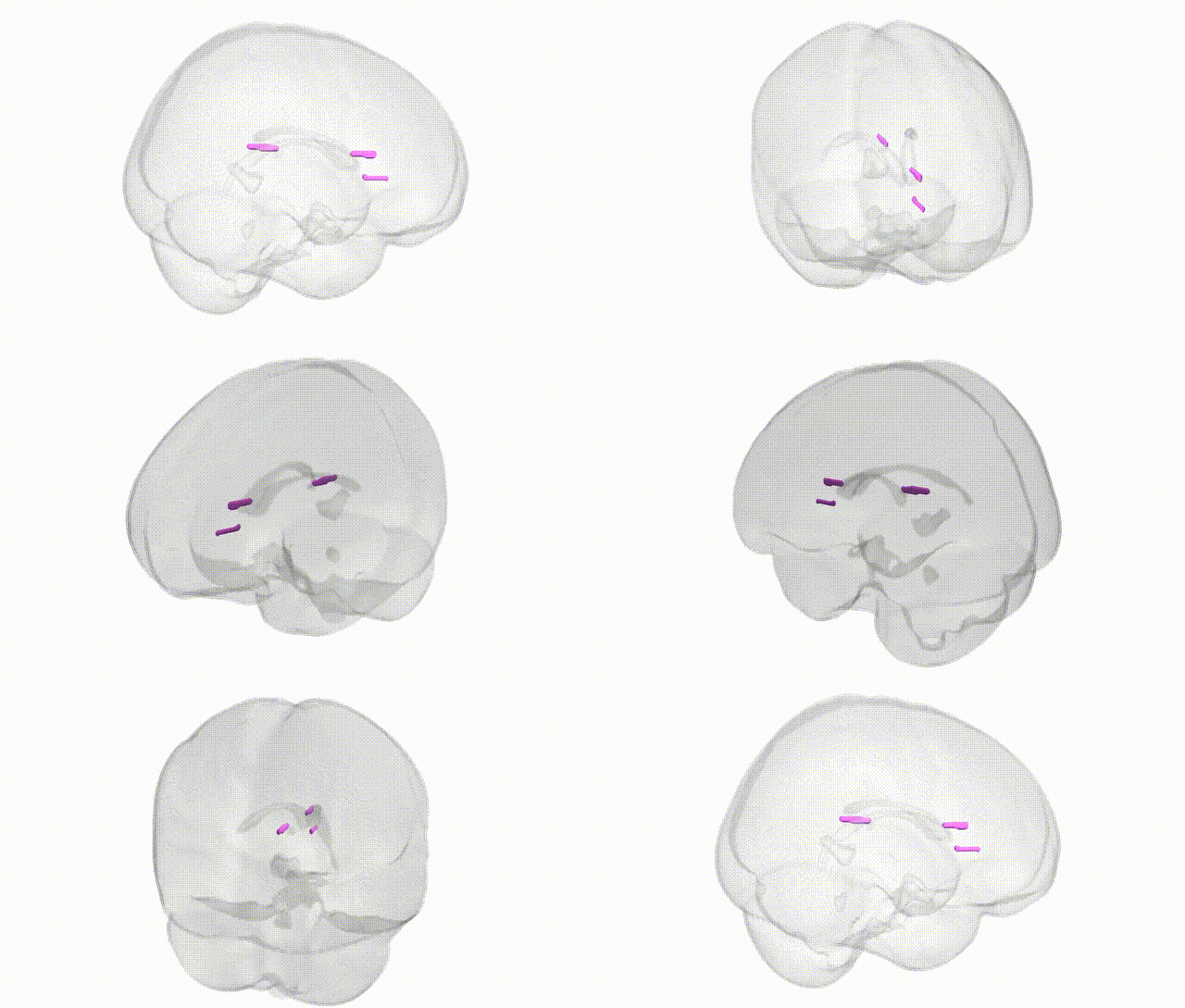
Full Quality Version: Download MP4
Wali Sidiqyar*, Gaurav Rudravaram*, Elyssa M. McMaster, Trent M. Schwartz, Adam M. Saunders, Kurt G. Schilling, Bennett A. Landman "Introducing SPINS: A Shared Public Visualization Library of Neuroanatomical Structures." Medical Imaging with Deep Learning- short paper
This resource is licensed under CC0 1.0 Universal (Public Domain).