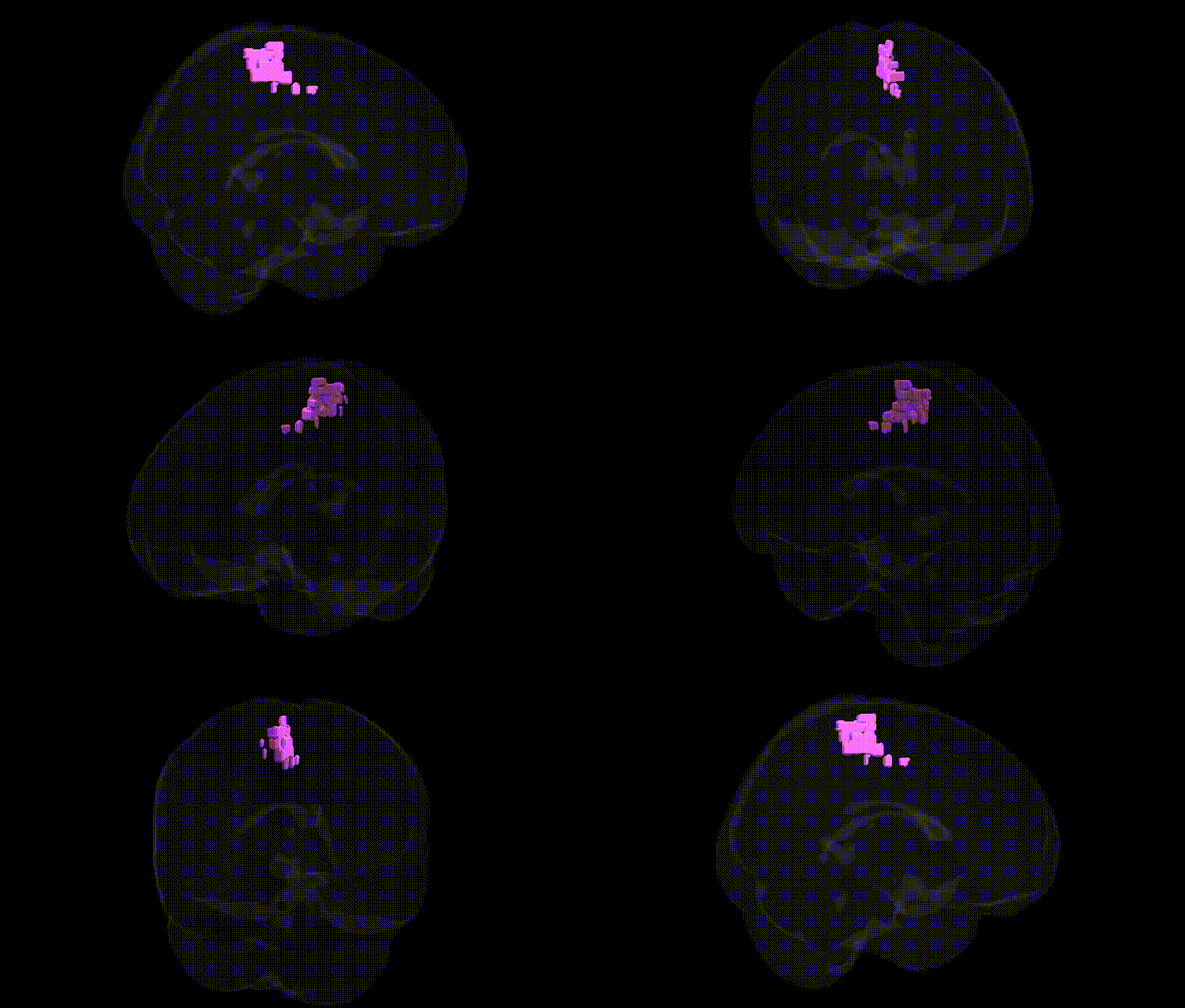
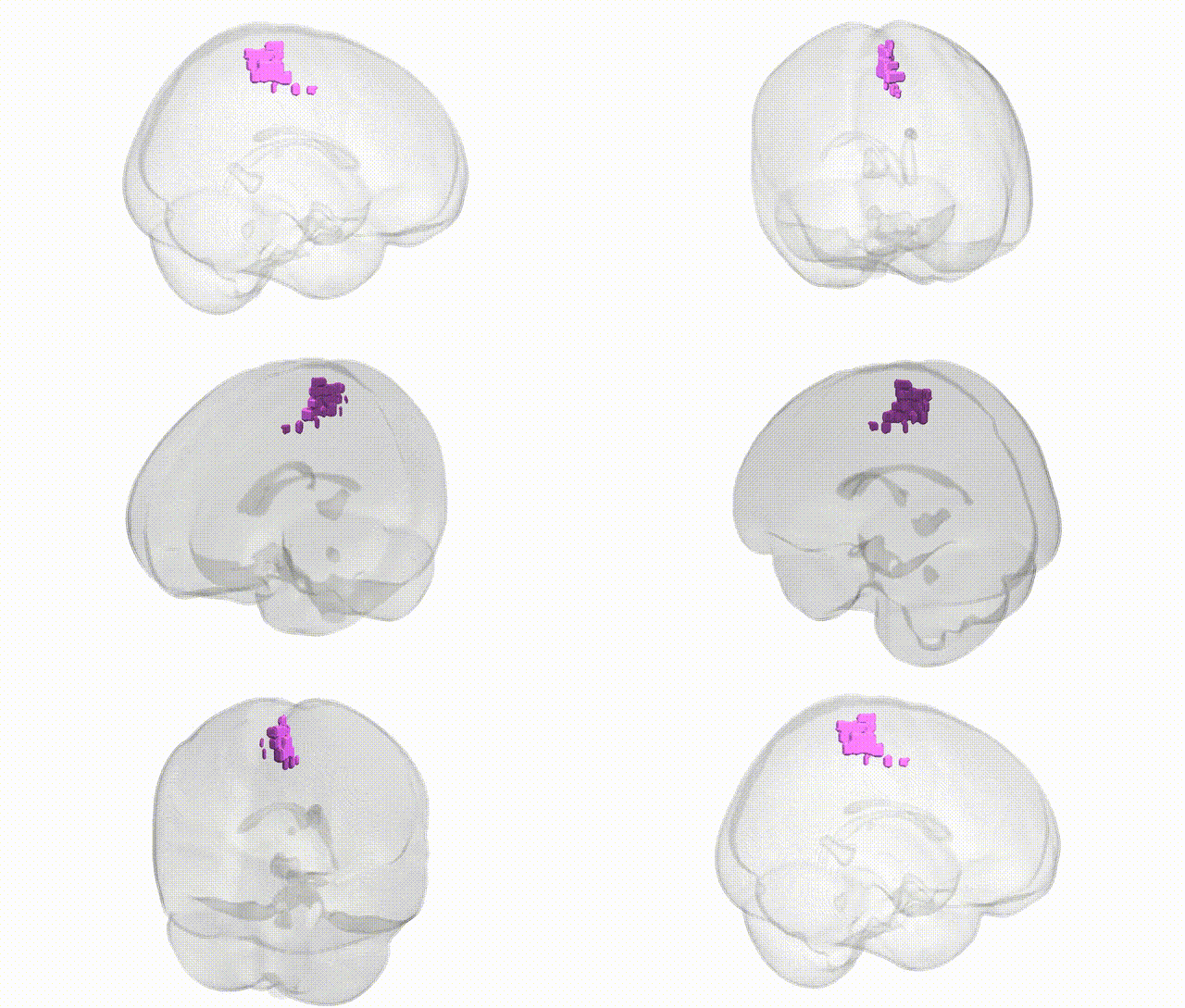
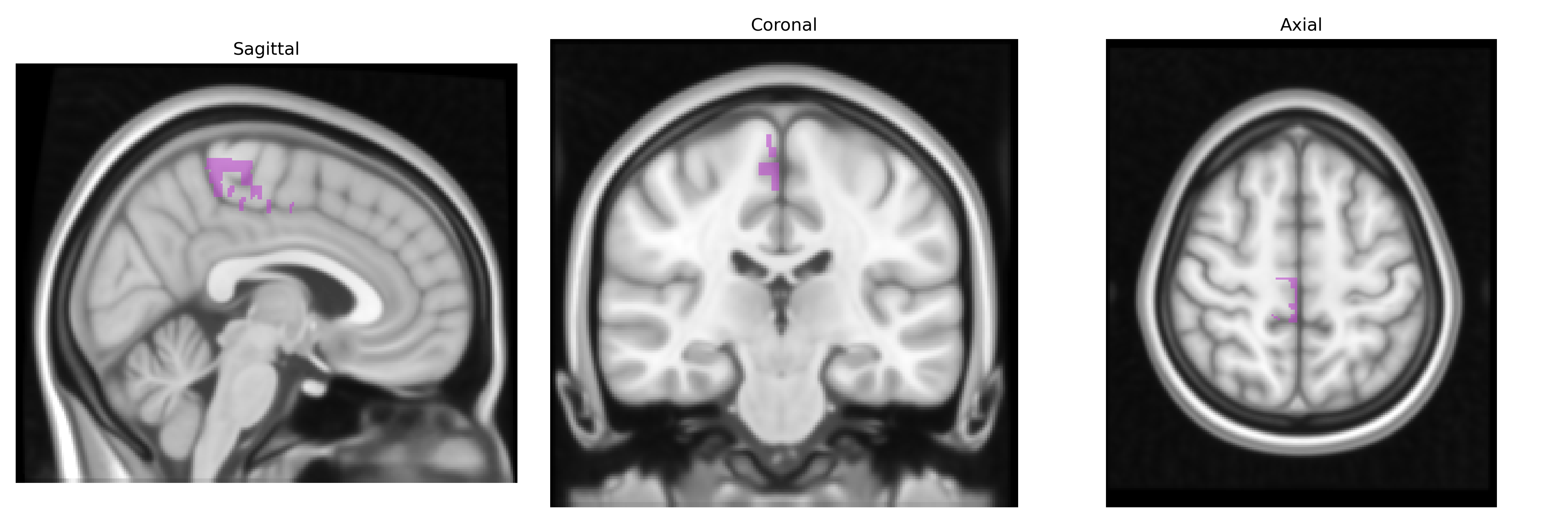
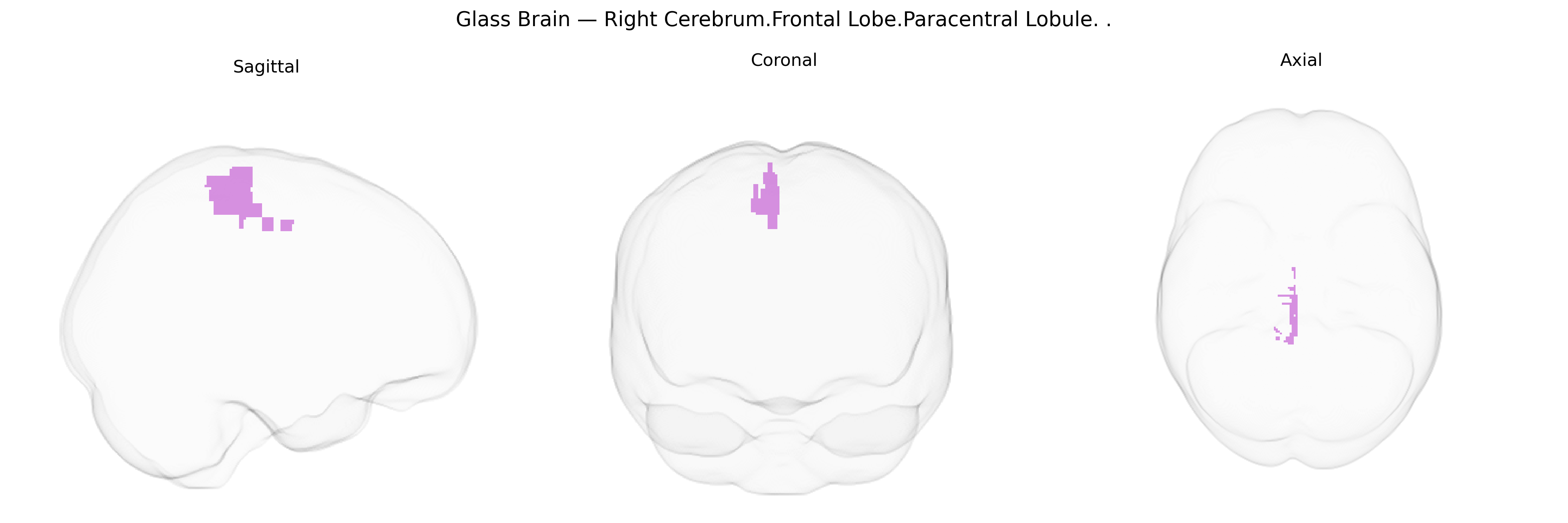
The bilateral Right Cerebrum.Frontal Lobe.Paracentral Lobule corresponds to the right paracentral lobule, a medial frontal lobe structure that bridges portions of the precentral (primary motor) and postcentral (primary somatosensory) gyri around the midline near the central sulcus. It primarily contains the supplementary representations of the lower limb and perineal regions in both motor and sensory cortices, contributing to voluntary control, posture, and somatosensory processing of the contralateral leg. This region is heavily interconnected with other premotor, supplementary motor, and somatosensory areas, and plays a role in gait, sphincter control, and integration of sensorimotor information for lower limb movements. Paracentral lobule
The bilateral Right Cerebrum.Frontal Lobe.Paracentral Lobule, corresponding approximately to the medial primary motor and somatosensory regions for the lower limbs, has been implicated in several genetic and GWAS-based associations through its roles in motor, sensory, and higher-order control circuits. Large-scale imaging genetics consortia such as ENIGMA and UK Biobank have shown that cortical thickness, surface area, and volume in the paracentral lobule are heritable and associated with common variants near genes involved in neurodevelopment, synaptic function, and axon guidance (e.g., loci involving MAPT, DLG2, and genes in Wnt and calcium-signaling pathways), with some overlap with global frontal and sensorimotor cortex GWAS hits. Structural and functional variation in this region has been linked genetically to neurodegenerative and motor disorders, including amyotrophic lateral sclerosis (where risk loci such as C9orf72, UNC13A, and TBK1 show strong effects on motor-system networks that prominently involve the paracentral lobule), hereditary spastic paraplegia (e.g., SPAST, ATL1, KIF5A), and multiple sclerosis, in which risk variants in immune-related genes (such as HLA-DRB1*15:01 and other MHC loci) are associated with lesions and atrophy that frequently affect medial sensorimotor areas. GWAS of Parkinson’s disease, essential tremor, and other movement disorders have identified risk loci (e.g., LRRK2, GBA, SNCA and several non-coding regions) whose downstream imaging signatures include altered activity and connectivity in motor networks encompassing the paracentral lobule. Psychiatric and cognitive-trait GWAS (for schizophrenia, ADHD, autism spectrum traits, intelligence, and educational attainment) have also revealed polygenic influences on frontal midline and sensorimotor cortices, with implicated genes such as CACNA1C, DRD2, and neurodevelopmental regulators contributing to variability in paracentral structure and activation, particularly in tasks involving response inhibition, motor planning, and attention. Collectively, these findings indicate that the genetic architecture of the paracentral lobule is highly polygenic and shared across motor, neurodevelopmental, and neurodegenerative conditions, with many associated variants exerting pleiotropic effects on broader cortical and subcortical networks rather than acting specifically on this region alone.
Overview generated by GPT-4o (2026).
Region ID: 1048
Hemisphere: bilateral
Atlas: Talairach labels 1mm
Full Quality Version: Download MP4
Full Quality Version: Download MP4
Wali Sidiqyar*, Gaurav Rudravaram*, Elyssa M. McMaster, Trent M. Schwartz, Adam M. Saunders, Kurt G. Schilling, Bennett A. Landman "Introducing SPINS: A Shared Public Visualization Library of Neuroanatomical Structures." Medical Imaging with Deep Learning- short paper
This resource is licensed under CC0 1.0 Universal (Public Domain).