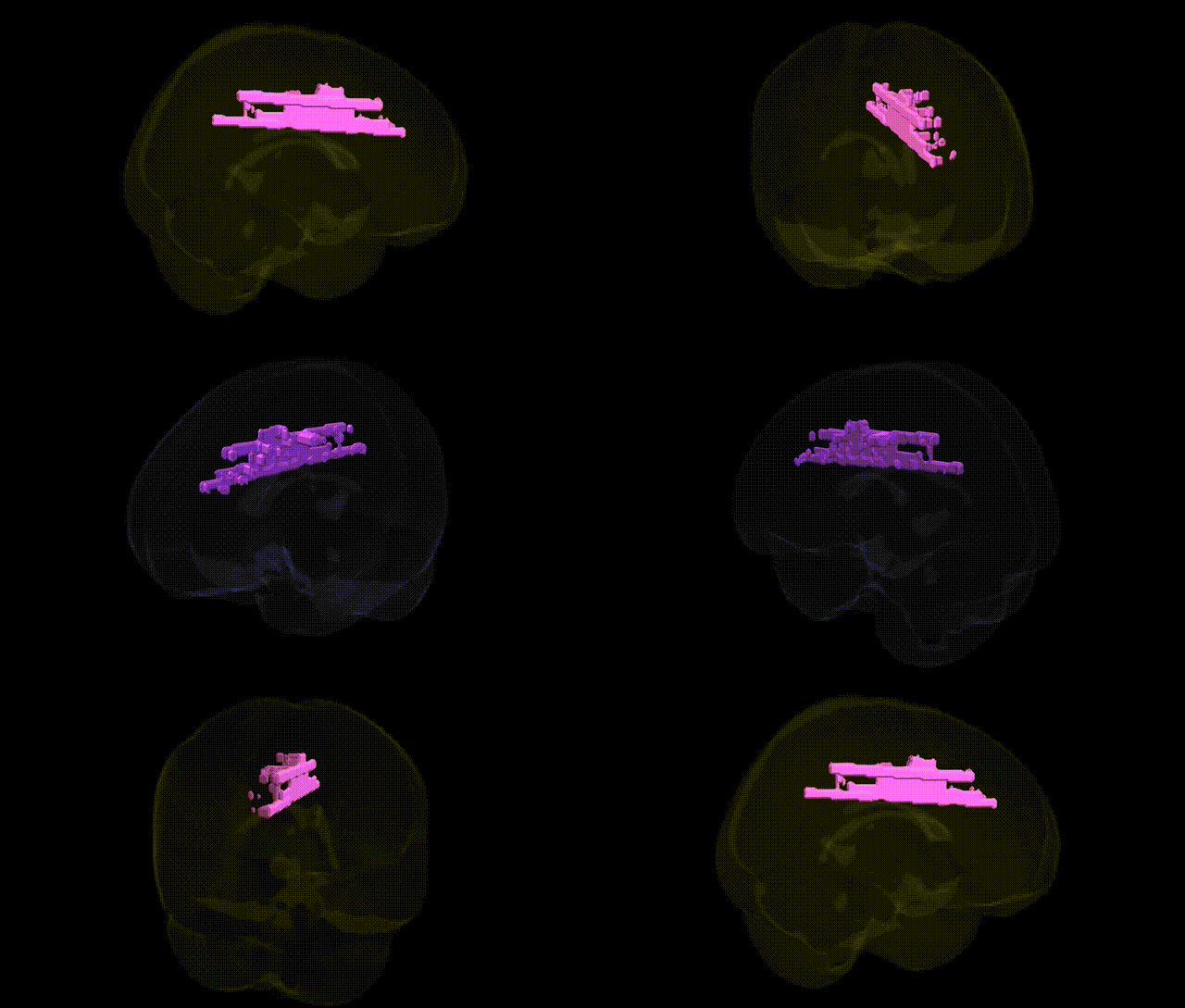
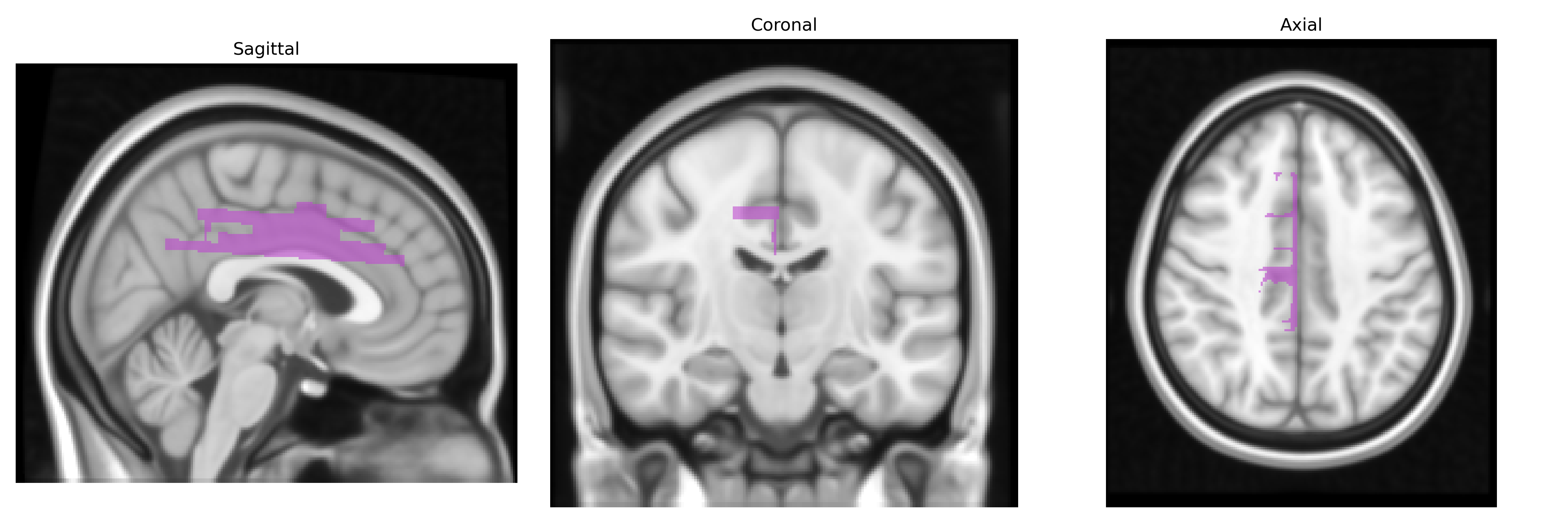
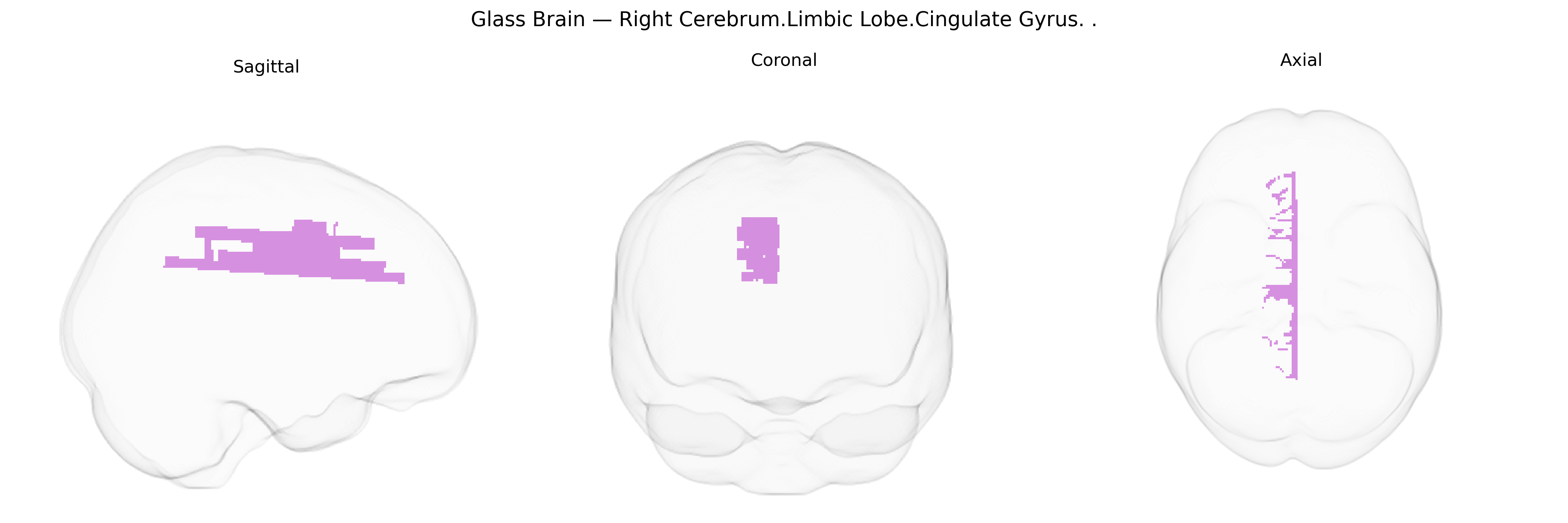
The bilateral Right Cerebrum.Limbic Lobe.Cingulate Gyrus corresponds to the cingulate gyrus within the limbic lobe of the right cerebral hemisphere, a medial cortical structure arching above the corpus callosum and extending from the subcallosal area anteriorly to the isthmus and parahippocampal regions posteriorly. It is composed primarily of agranular to dysgranular cortex and is subdivided into anterior, mid, and posterior portions with distinct connectivity to prefrontal, premotor, parietal, and medial temporal regions. Functionally, the cingulate gyrus is implicated in emotion processing, motivation, autonomic regulation, pain perception, error detection, and cognitive control, integrating affective and cognitive information to influence behavior and decision-making. Cingulate gyrus
The bilateral right cingulate gyrus of the limbic lobe has been implicated in numerous genetic and genome-wide association studies (GWAS) through its roles in emotion, cognition, and pain processing, with many findings reported under broader cingulate or anterior/posterior cingulate cortex labels rather than Talairach-defined subregions. Polygenic influences on cingulate structure and function are robust: large-scale imaging–genetics consortia (e.g., ENIGMA, UK Biobank) have identified SNP-based heritability for cingulate cortical thickness and surface area, with associated loci including genes involved in neurodevelopment (e.g., MIR1228, DAAM1, KCNK2), synaptic signaling, and myelination. Variants linked to schizophrenia, bipolar disorder, major depression, and autism spectrum disorder often show downstream effects on cingulate volume, connectivity, or activation, with implicated genes including CACNA1C, ZNF804A, DISC1, and multiple MHC-region loci that modulate cingulate gray matter and default-mode or salience-network connectivity. GWAS for neuroticism, anxiety, and stress reactivity, as well as for pain sensitivity and chronic pain conditions, have identified polygenic scores that correlate with altered anterior and mid-cingulate morphology and activity, particularly in the right hemisphere where several imaging genetics studies report stronger associations with emotional regulation and conflict monitoring. Additionally, APOE ε4 and other Alzheimer’s disease risk variants are associated with early metabolic and atrophic changes in posterior cingulate cortex, while ADHD- and impulsivity-related loci (e.g., in DRD4/DRD5 and other dopaminergic genes) have been tied to cingulate functional differences in attention and error processing. Overall, the cingulate gyrus emerges as a key convergence point where distributed polygenic risk for psychiatric, cognitive, and pain-related traits manifests in structurally and functionally measurable variation in this limbic hub.
Overview generated by GPT-4o (2026).
Region ID: 913
Hemisphere: bilateral
Atlas: Talairach labels 1mm
Full Quality Version: Download MP4
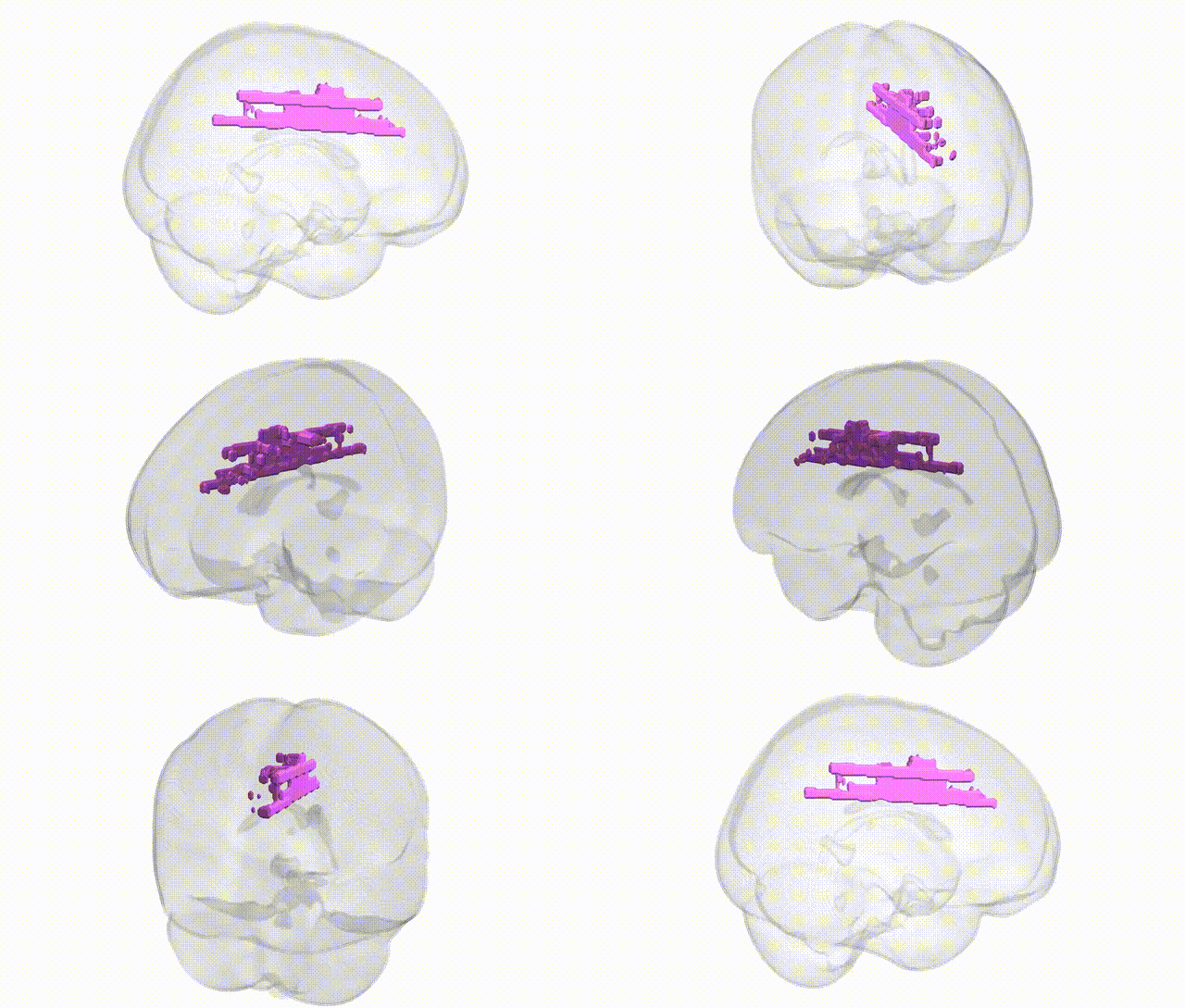
Full Quality Version: Download MP4
Wali Sidiqyar*, Gaurav Rudravaram*, Elyssa M. McMaster, Trent M. Schwartz, Adam M. Saunders, Kurt G. Schilling, Bennett A. Landman "Introducing SPINS: A Shared Public Visualization Library of Neuroanatomical Structures." Medical Imaging with Deep Learning- short paper
This resource is licensed under CC0 1.0 Universal (Public Domain).