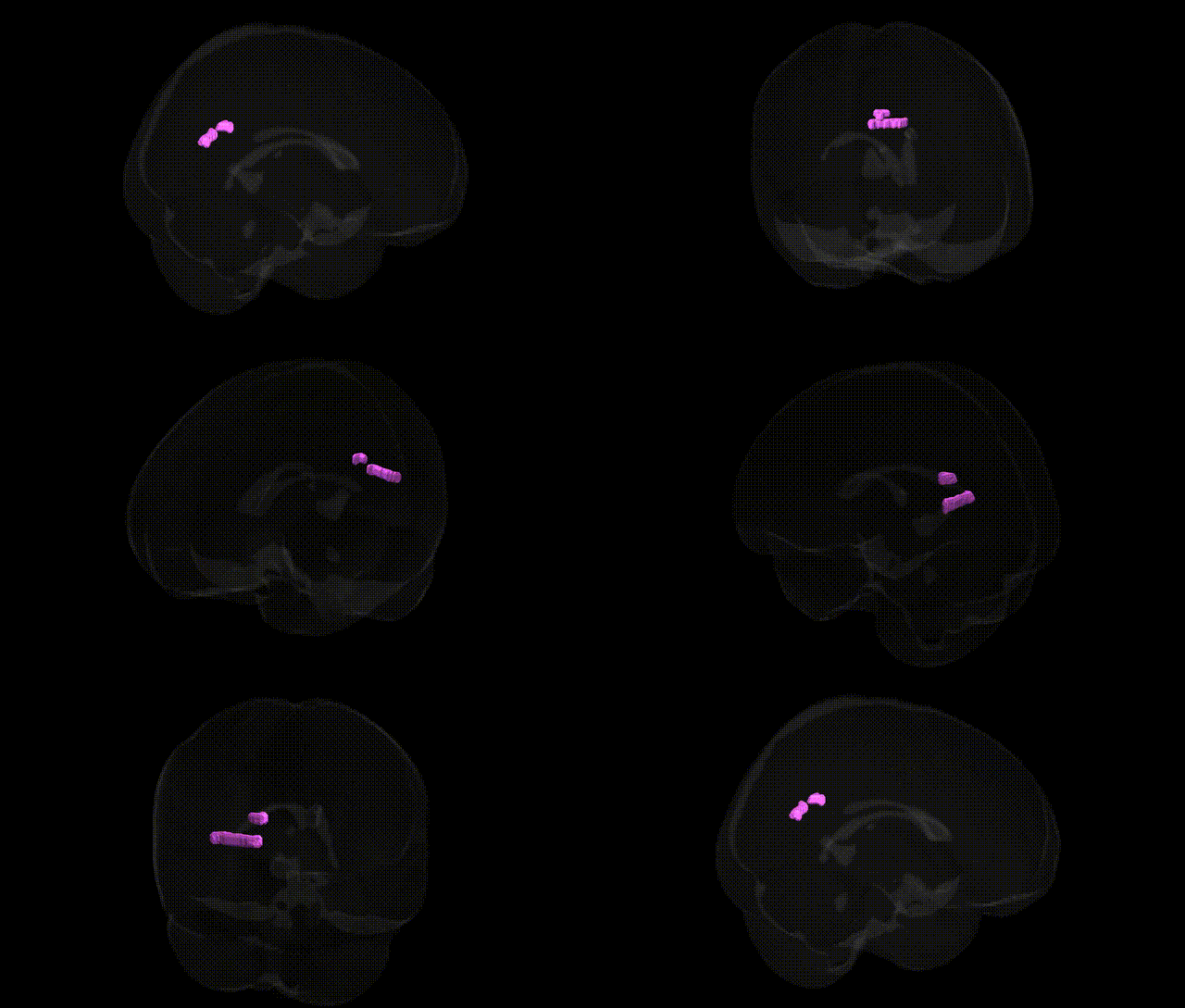
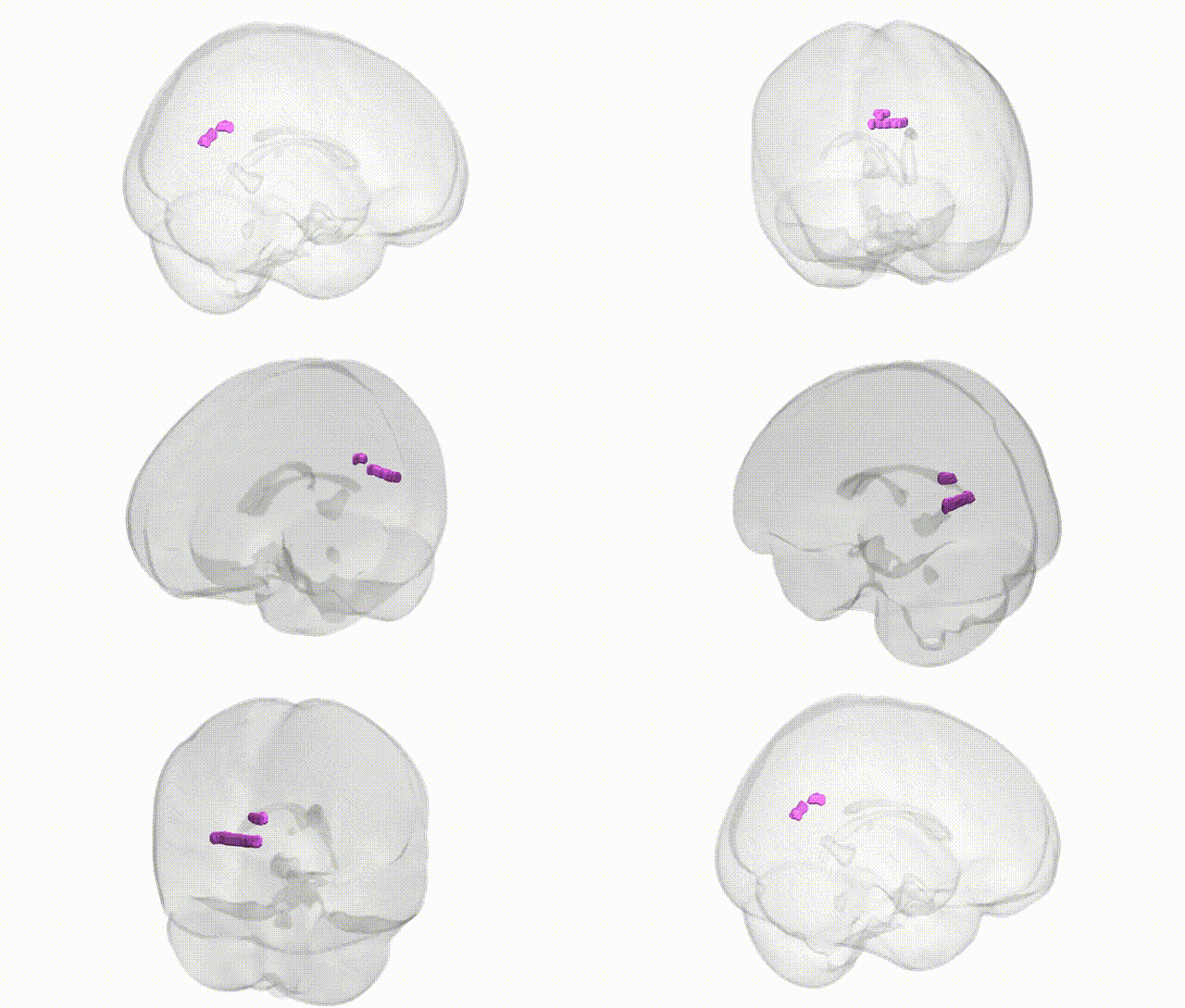
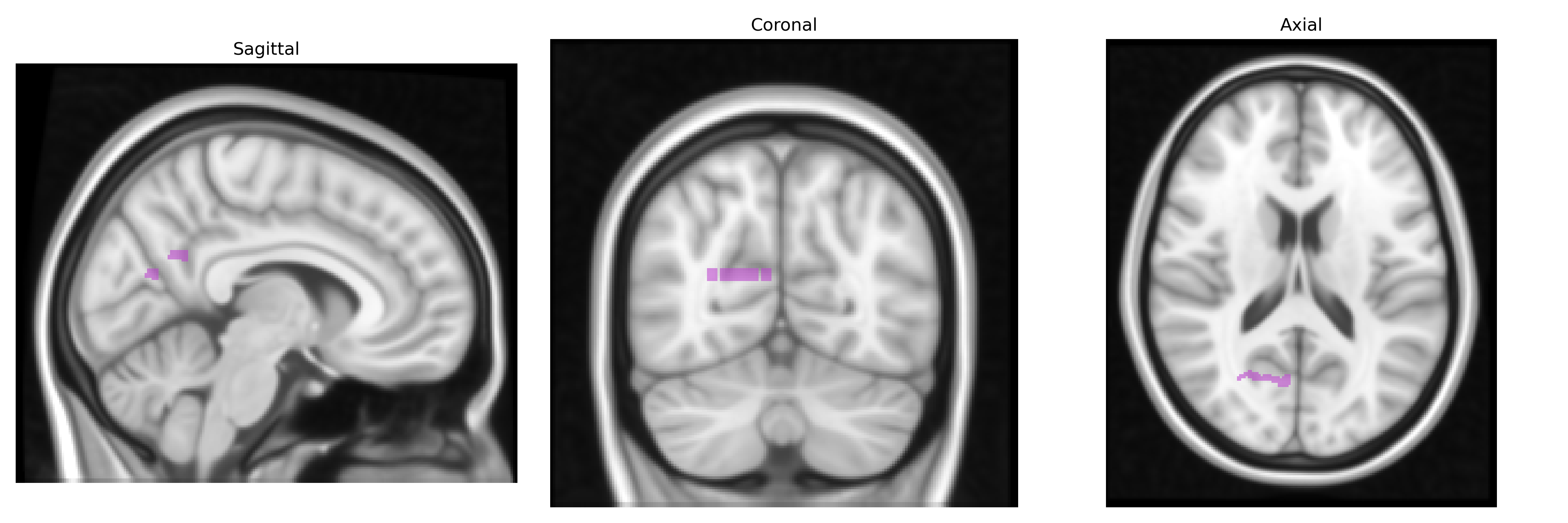
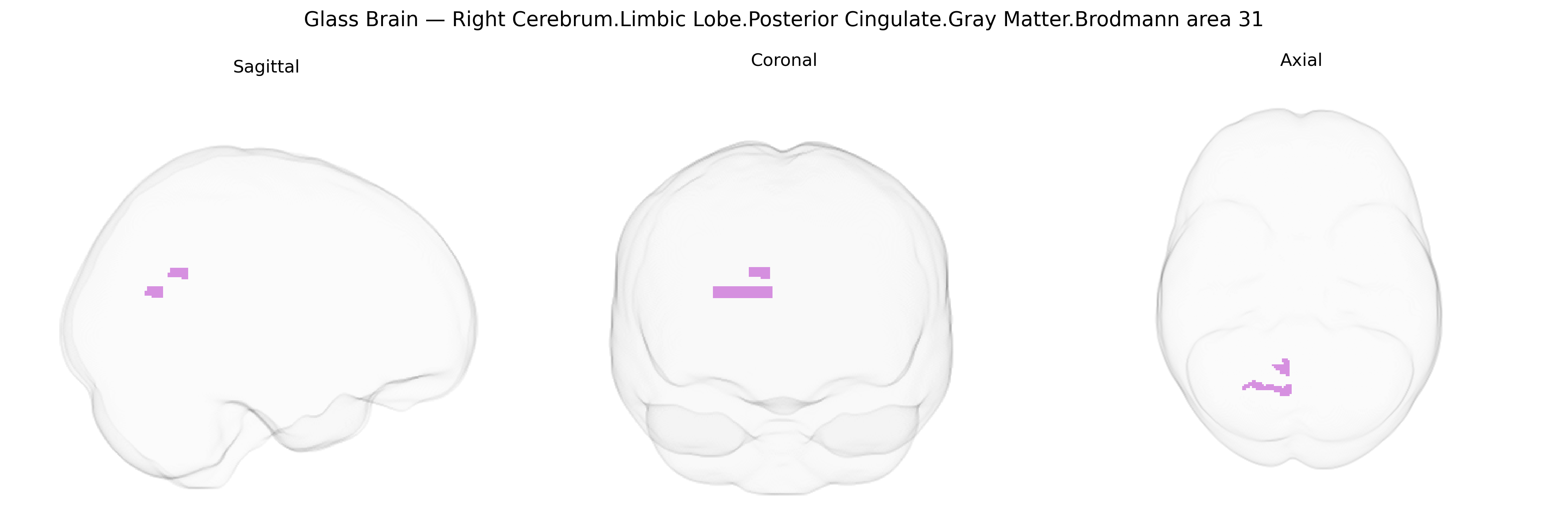
Bilateral Right Cerebrum.Limbic Lobe.Posterior Cingulate.Gray Matter.Brodmann area 31 corresponds to a midline associative cortex region located in the posterior portion of the cingulate gyrus, extending into the dorsal posterior cingulate and adjacent precuneus. It is characterized cytoarchitectonically as part of the posteromedial cortex and is commonly associated with higher-order integrative functions, including visuospatial processing, memory retrieval, self-referential thought, and aspects of the default mode network. This region participates in large-scale networks involved in internally directed cognition and is implicated in conditions such as Alzheimer’s disease, depression, and other neuropsychiatric disorders that affect medial parietal and limbic circuitry. There is no direct link for “Brodmann area 31,” but it is encompassed within the Posterior cingulate cortex.
The bilateral posterior cingulate cortex (PCC), encompassing Brodmann area 31 in the limbic lobe, is a key hub of the default mode network and has been implicated in multiple genetic and GWAS-based associations across neuropsychiatric and neurodegenerative conditions. Imaging–genetics and large-scale GWAS of cortical thickness, surface area, and resting-state connectivity have linked common variants in genes involved in synaptic signaling, myelination, and neurodevelopment (for example in pathways including glutamatergic transmission, axon guidance, and calcium signaling) to interindividual differences in PCC structure and function. Neuroimaging GWAS consortia such as ENIGMA and UK Biobank have identified SNPs near genes like MS4A, CR1, CLU, APOE, and BIN1 that are associated with posterior cingulate/precuneus atrophy or altered connectivity in Alzheimer’s disease, consistent with the region’s early vulnerability to amyloid and tau pathology. Genetic risk for schizophrenia, major depressive disorder, bipolar disorder, and autism spectrum disorder also shows convergent effects on default mode network nodes, including the PCC, where polygenic risk scores for these disorders correlate with changes in PCC gray matter volume or functional connectivity. Additionally, GWAS of cognitive traits (such as general intelligence, memory performance, and mind-wandering or internally directed thought) and personality dimensions (notably neuroticism and openness) have implicated genetic variants that modulate PCC structure or activity, supporting a role for this region as a genetically influenced substrate for self-referential processing, episodic memory, and emotional regulation.
Overview generated by GPT-4o (2026).
Region ID: 757
Hemisphere: bilateral
Atlas: Talairach labels 1mm
Full Quality Version: Download MP4
Full Quality Version: Download MP4
Wali Sidiqyar*, Gaurav Rudravaram*, Elyssa M. McMaster, Trent M. Schwartz, Adam M. Saunders, Kurt G. Schilling, Bennett A. Landman "Introducing SPINS: A Shared Public Visualization Library of Neuroanatomical Structures." Medical Imaging with Deep Learning- short paper
This resource is licensed under CC0 1.0 Universal (Public Domain).