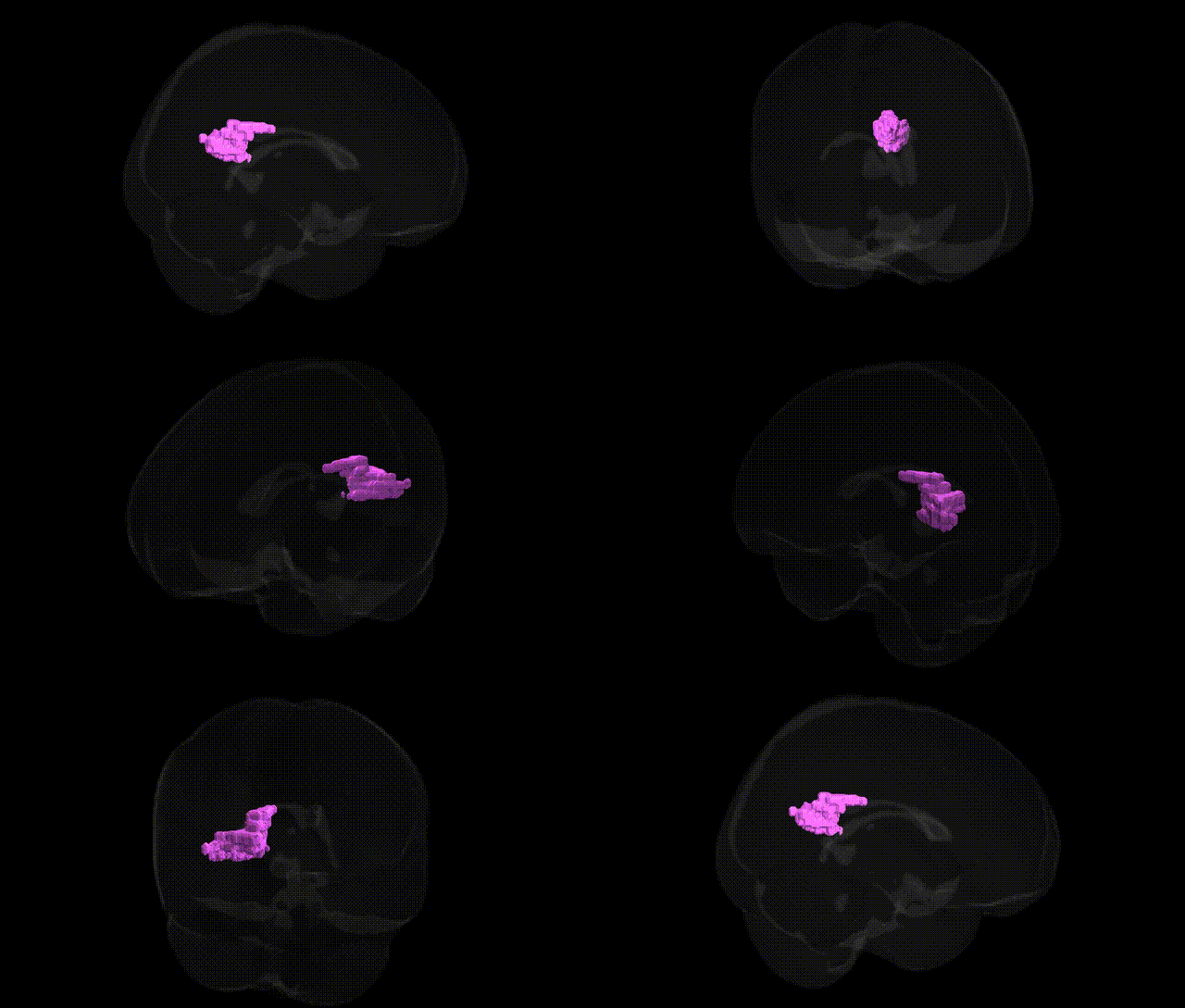
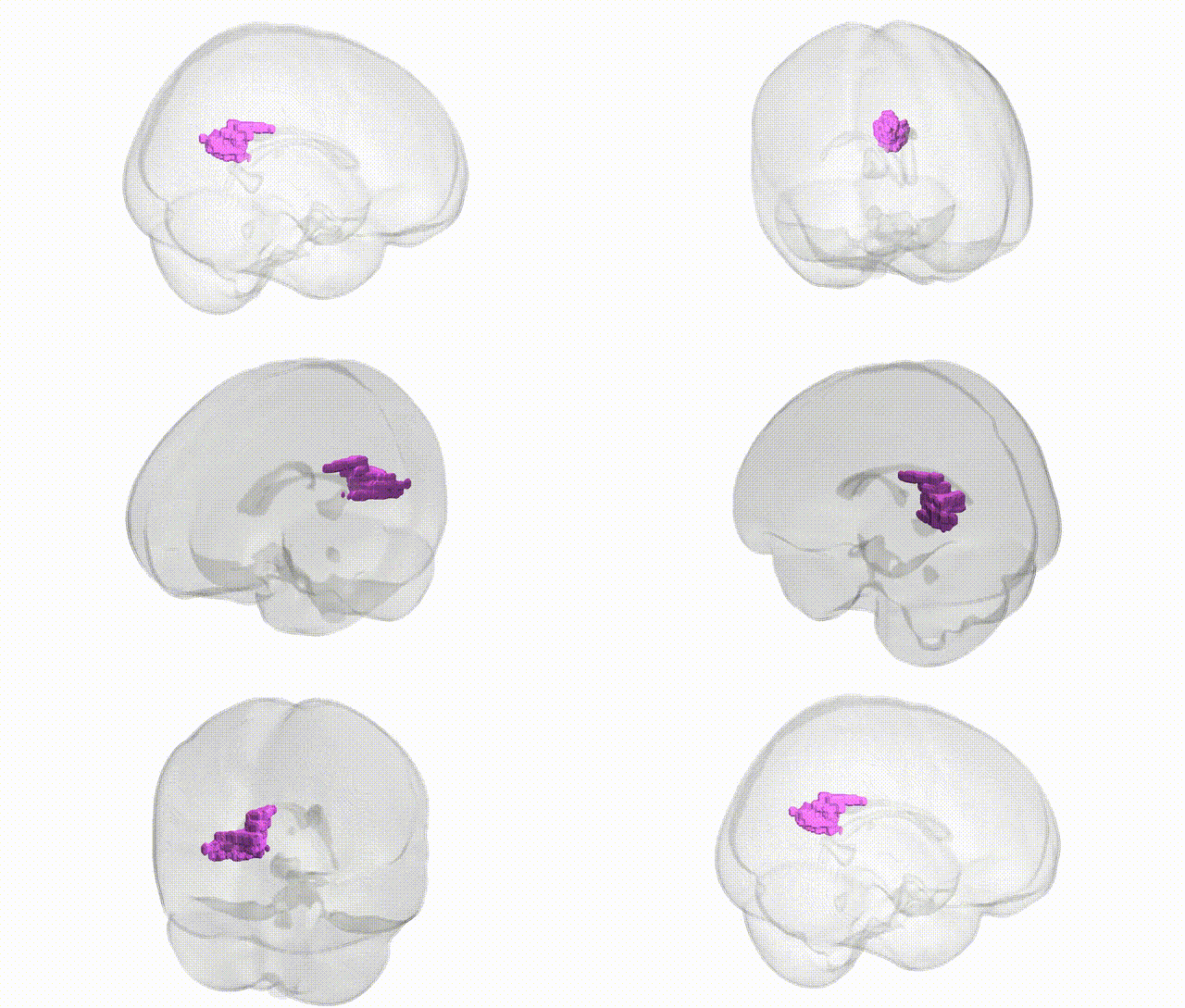
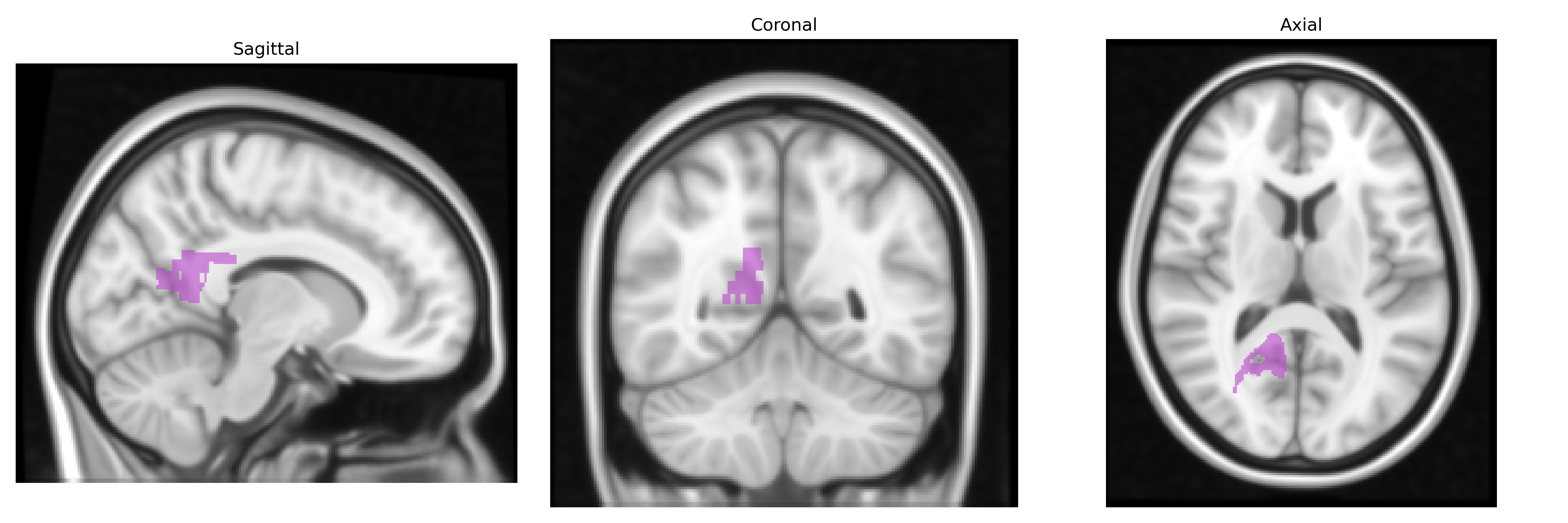
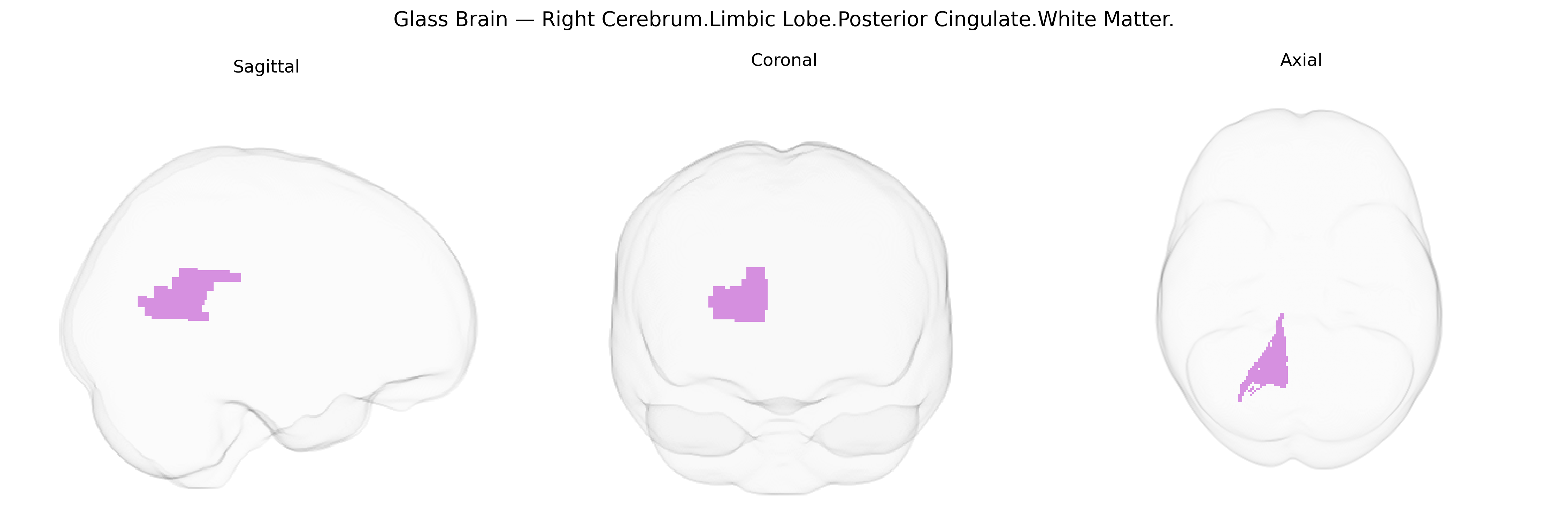
The bilateral Right Cerebrum.Limbic Lobe.Posterior Cingulate.White Matter corresponds to the deep myelinated fiber pathways underlying the posterior cingulate gyrus within the limbic lobe of the right cerebral hemisphere, extending across both hemispheres in the Talairach 1 mm atlas. These fibers connect posterior cingulate cortex with medial and lateral parietal regions, precuneus, retrosplenial cortex, and medial prefrontal and hippocampal formations via association and commissural tracts (including components of the cingulum bundle). Functionally, this white matter supports integration of internally directed attention, autobiographical memory, visuospatial processing, and default-mode network activity, while structurally acting as a key conduit for limbic-parietal communication. There is no direct Wikipedia article for this exact white-matter label; a related cortical structure is the Posterior cingulate cortex.
The bilateral right posterior cingulate white matter, within the limbic lobe as defined by the Talairach 1 mm atlas, is indirectly implicated in several genetic findings through imaging‑genetics and GWAS of cortical and white matter measures rather than through region‑specific candidate studies. Large-scale neuroimaging consortia (e.g., ENIGMA, UK Biobank) have identified common variants in genes such as APOE, CLU, PICALM, and other Alzheimer’s disease–related loci that are associated with posterior cingulate structure, connectivity, or metabolism, consistent with this region’s vulnerability in Alzheimer’s disease and mild cognitive impairment. Polygenic risk scores for Alzheimer’s disease, schizophrenia, and major depressive disorder have been linked to alterations in cingulate and adjacent white matter integrity, with implicated genes often enriched in synaptic, myelination, and immune-related pathways (e.g., genes affecting oligodendrocyte function and axonal conduction). GWAS of diffusion tensor imaging metrics have associated variants in genes involved in axon guidance and myelin (such as those near NTRK1, MAG, and other white matter–related loci) with fractional anisotropy and mean diffusivity in cingulate bundles that traverse the posterior cingulate white matter. This region also appears in genetic studies of default mode network connectivity, where variants in genes regulating neuronal development and synaptic plasticity show associations with posterior cingulate connectivity patterns related to cognitive performance, personality traits (e.g., neuroticism), and risk for internalizing psychopathology.
Overview generated by GPT-4o (2026).
Region ID: 664
Hemisphere: bilateral
Atlas: Talairach labels 1mm
Full Quality Version: Download MP4
Full Quality Version: Download MP4
Wali Sidiqyar*, Gaurav Rudravaram*, Elyssa M. McMaster, Trent M. Schwartz, Adam M. Saunders, Kurt G. Schilling, Bennett A. Landman "Introducing SPINS: A Shared Public Visualization Library of Neuroanatomical Structures." Medical Imaging with Deep Learning- short paper
This resource is licensed under CC0 1.0 Universal (Public Domain).