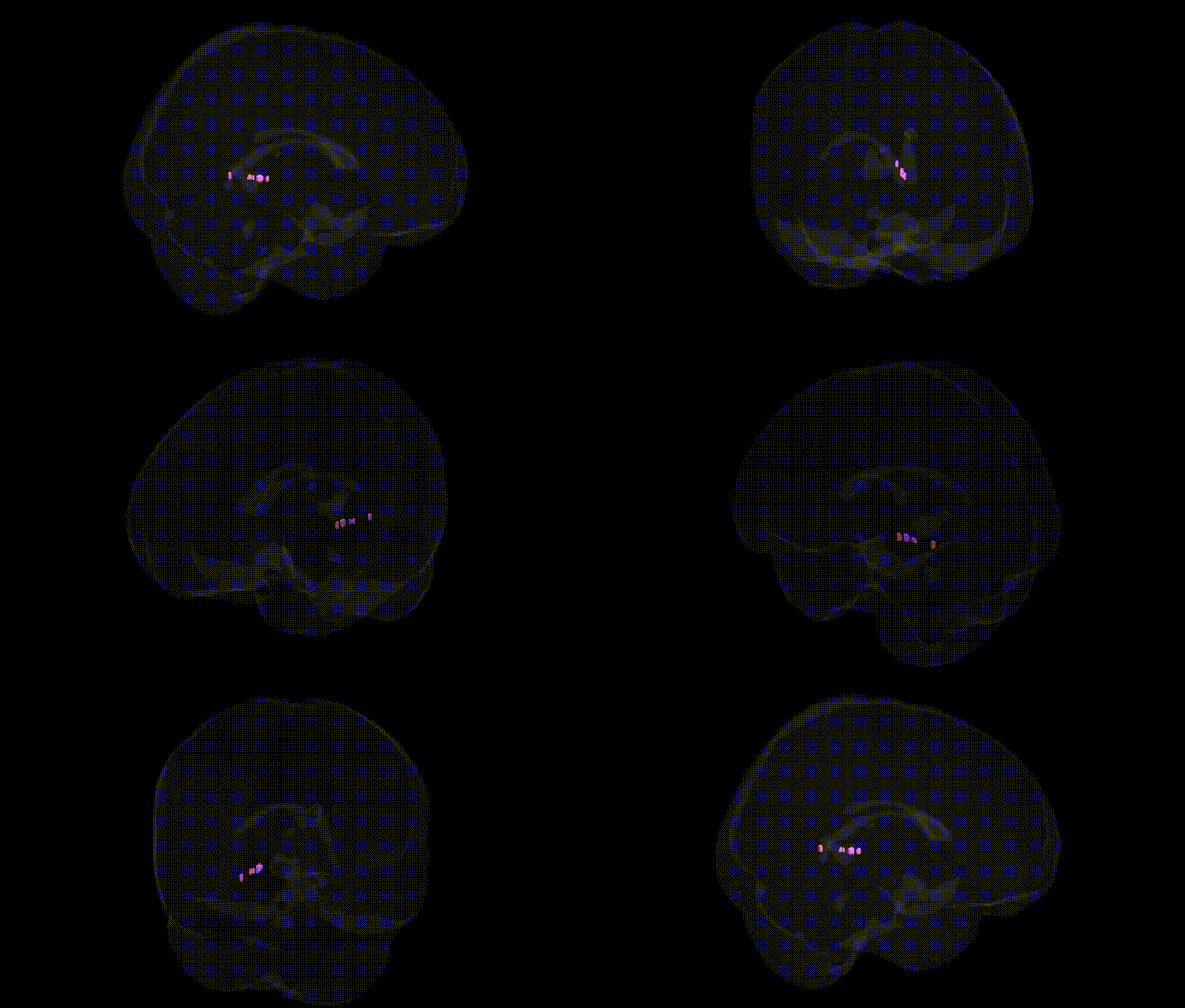
The bilateral Right Cerebrum.Limbic Lobe.Sub-Gyral region, as defined in the Talairach 1 mm atlas, refers to subcortical white matter and adjacent deep tissues located beneath the cortical gyri of the limbic lobe in the right cerebral hemisphere, including pathways interconnecting key limbic structures such as the cingulate gyrus, parahippocampal region, and associated medial temporal and frontal areas. Functionally, this sub-gyral compartment contains major association and projection fibers that support integration of emotional processing, memory encoding and retrieval, autonomic regulation, and motivational states by linking limbic cortices with the hippocampal formation, amygdala, thalamus, and prefrontal regions. There is no direct Wikipedia article for this exact Talairach label; a closely related structure is the Limbic system.
The bilateral Right Cerebrum Limbic Lobe Sub-Gyral region in the Talairach 1 mm atlas corresponds largely to deep limbic white and gray matter underlying structures such as the cingulate and parahippocampal areas, which have been repeatedly implicated in imaging genetics and GWAS of brain structure and psychiatric traits. Large-scale neuroimaging GWAS consortia (e.g., ENIGMA, UK Biobank–based studies) have identified common variants in genes involved in neurodevelopment, axonal guidance, and synaptic function—such as variants near or within BDNF, NRG1, CNTNAP2, CACNA1C, and multiple MHC-region loci—that associate with limbic cortical thickness, surface area, or white-matter microstructure in cingulate and parahippocampal regions, though not always at Talairach-level resolution. Polygenic risk scores for schizophrenia, bipolar disorder, major depressive disorder, and autism spectrum disorder show associations with altered limbic morphology, especially in anterior and mid-cingulate and parahippocampal areas, linking risk loci (for example in ZNF804A, GRM3, DRD2, SLC6A4) to structural differences overlapping the sub-gyral limbic territory. In addition, GWAS of traits such as neuroticism, anxiety, and memory performance report significant genetic correlations with limbic volume and cingulate/parahippocampal thickness, and specific loci near genes like CRHR1, FKBP5, and APOE have been linked to limbic structural variation and vulnerability to stress-related disorders and Alzheimer’s disease, respectively, suggesting that the Right Cerebrum Limbic Sub-Gyral region participates in genetically influenced networks underlying affective regulation, memory, and psychiatric disease risk, even though explicit Talairach-defined “Right Limbic Sub-Gyral” loci are rarely reported as stand-alone targets in current GWAS catalogs.
Overview generated by GPT-4o (2026).
Region ID: 335
Hemisphere: bilateral
Atlas: Talairach labels 1mm
Full Quality Version: Download MP4
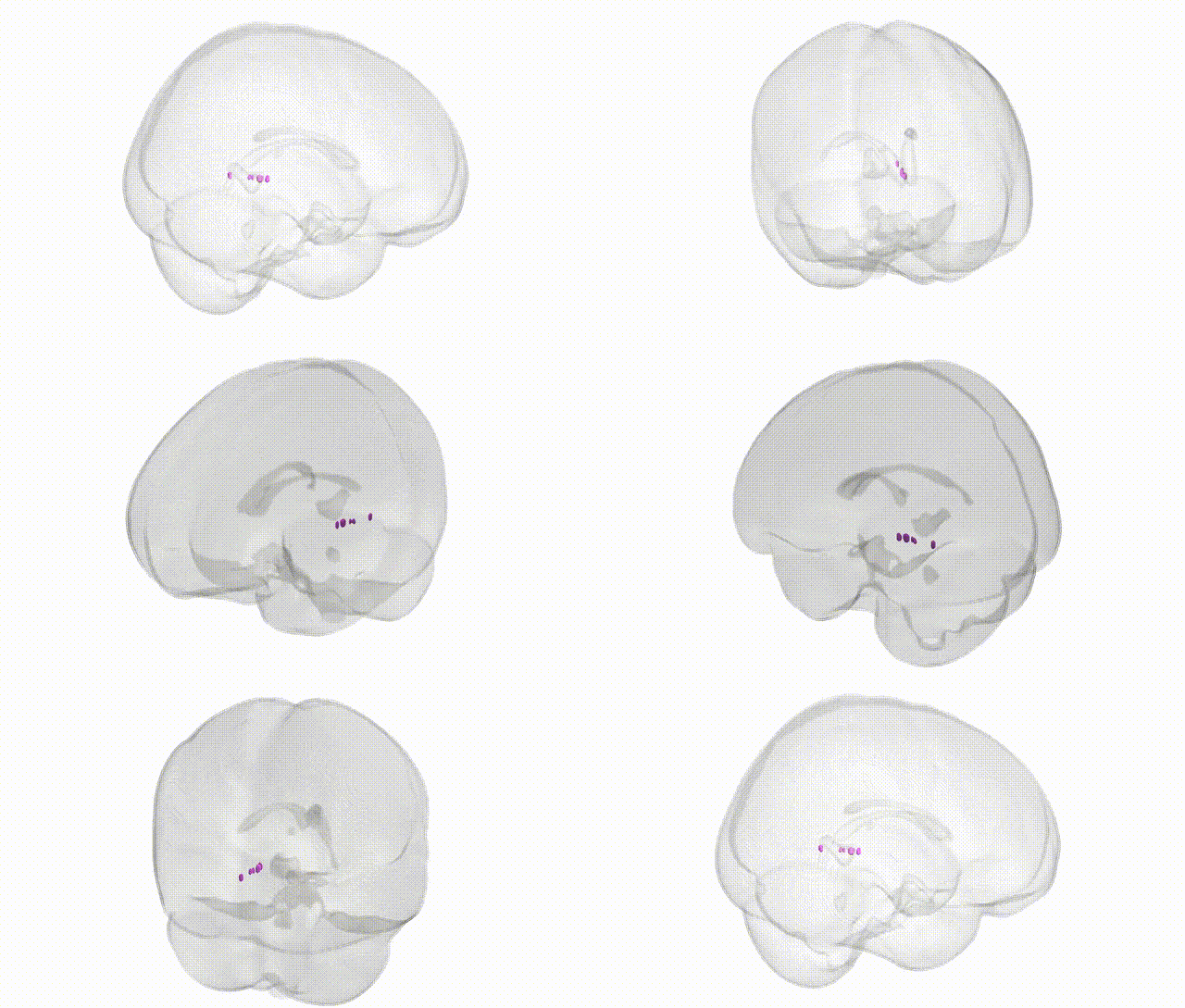
Full Quality Version: Download MP4
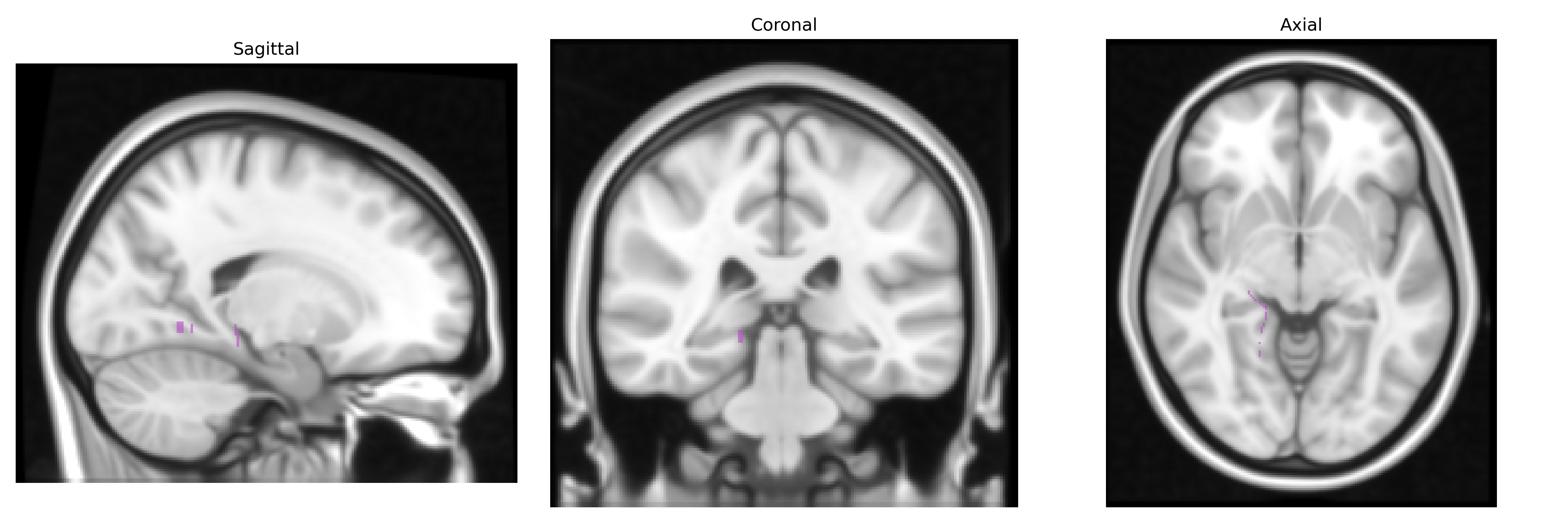
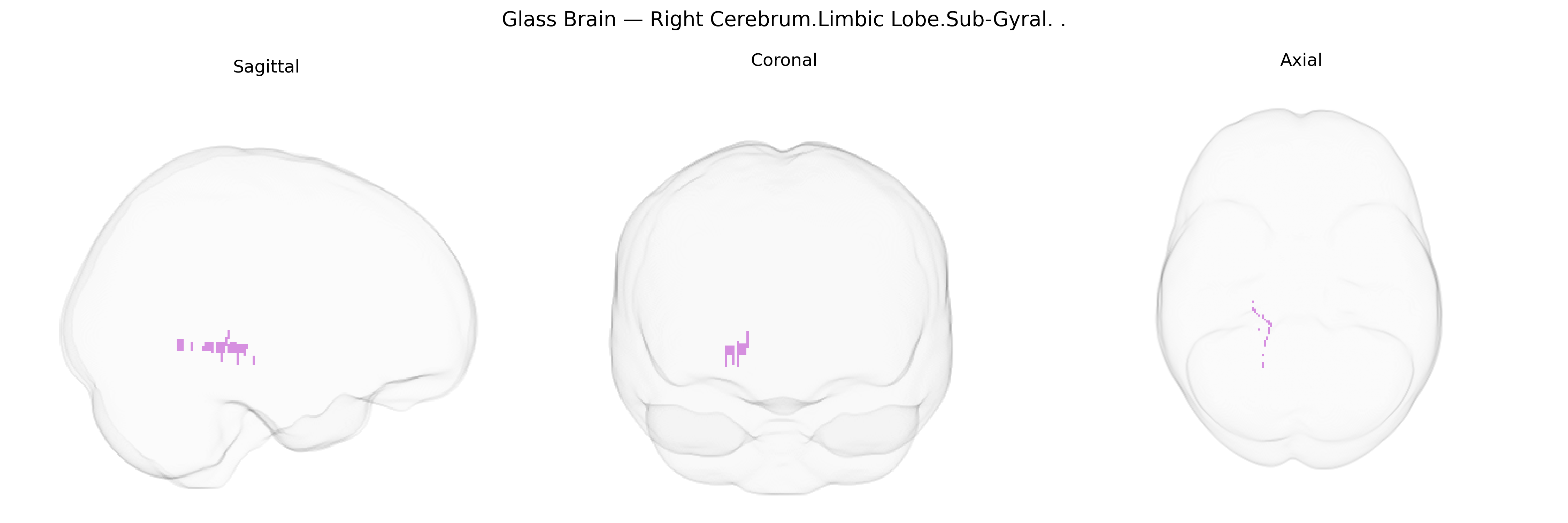
Wali Sidiqyar*, Gaurav Rudravaram*, Elyssa M. McMaster, Trent M. Schwartz, Adam M. Saunders, Kurt G. Schilling, Bennett A. Landman "Introducing SPINS: A Shared Public Visualization Library of Neuroanatomical Structures." Medical Imaging with Deep Learning- short paper
This resource is licensed under CC0 1.0 Universal (Public Domain).