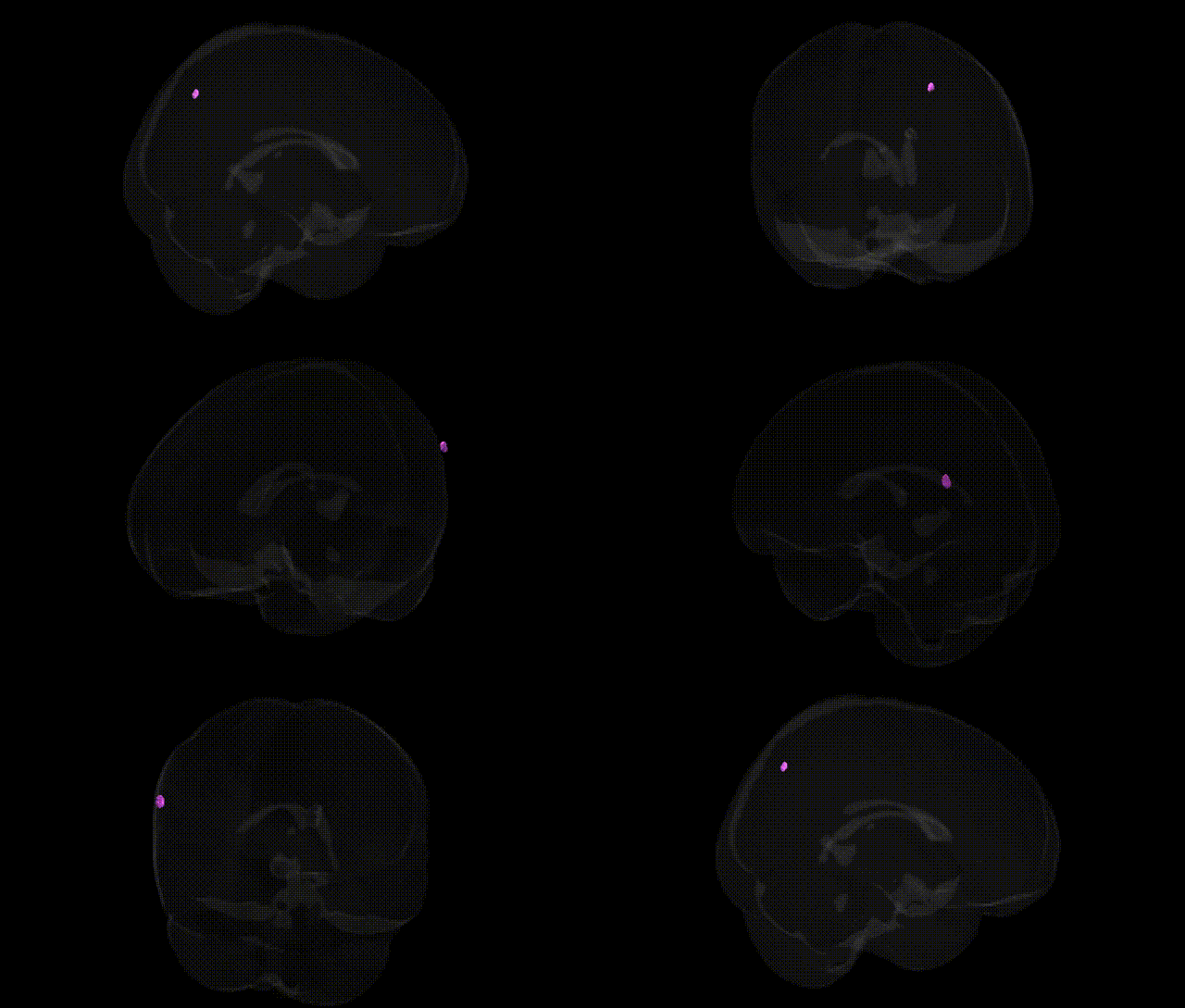
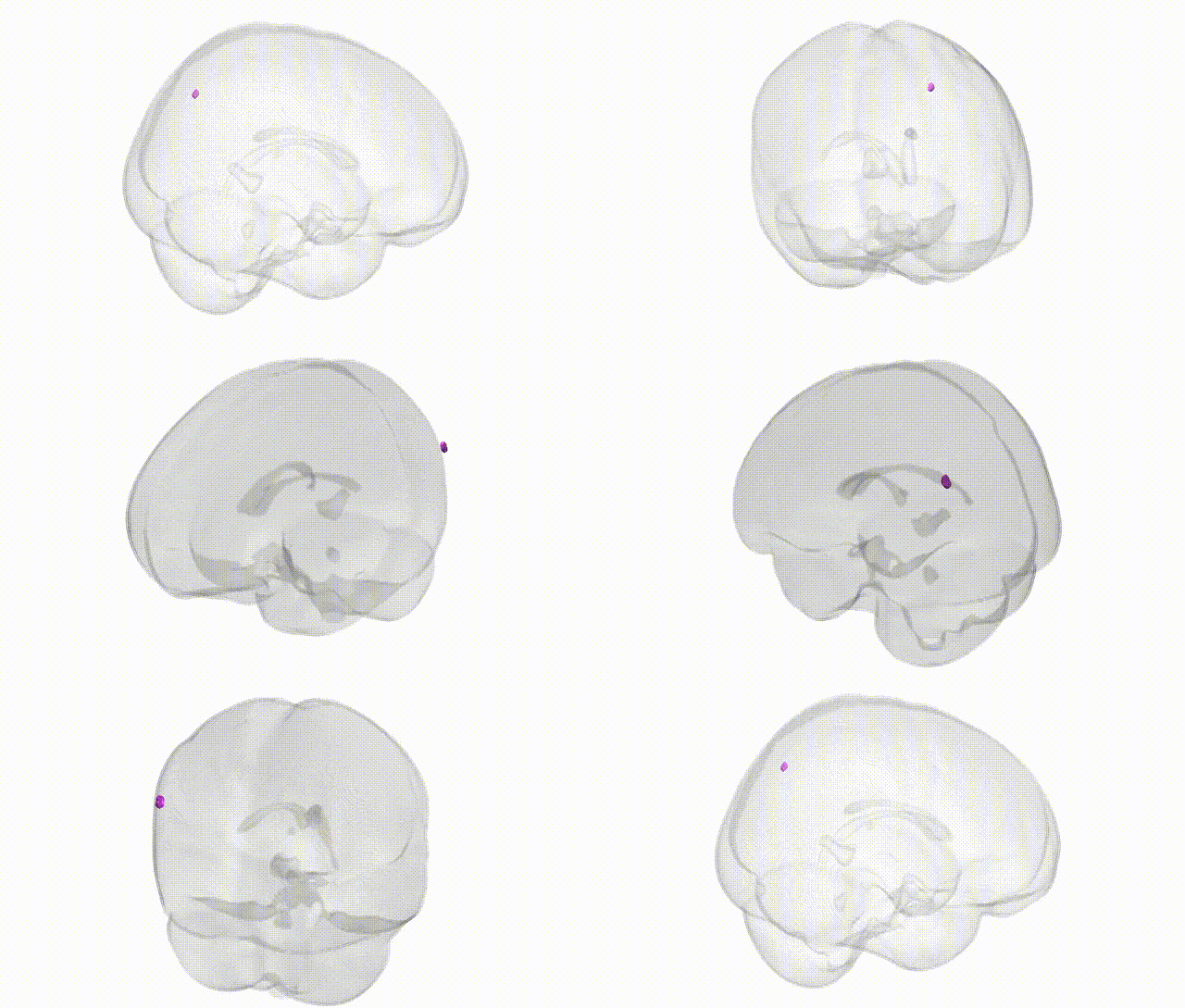
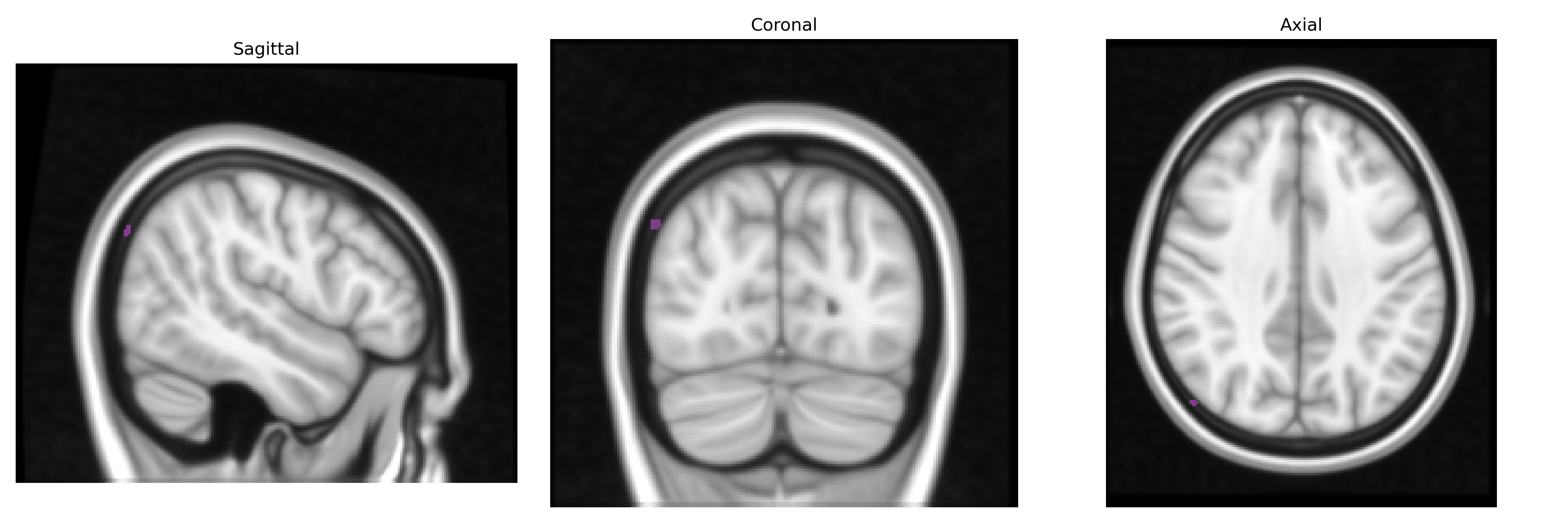
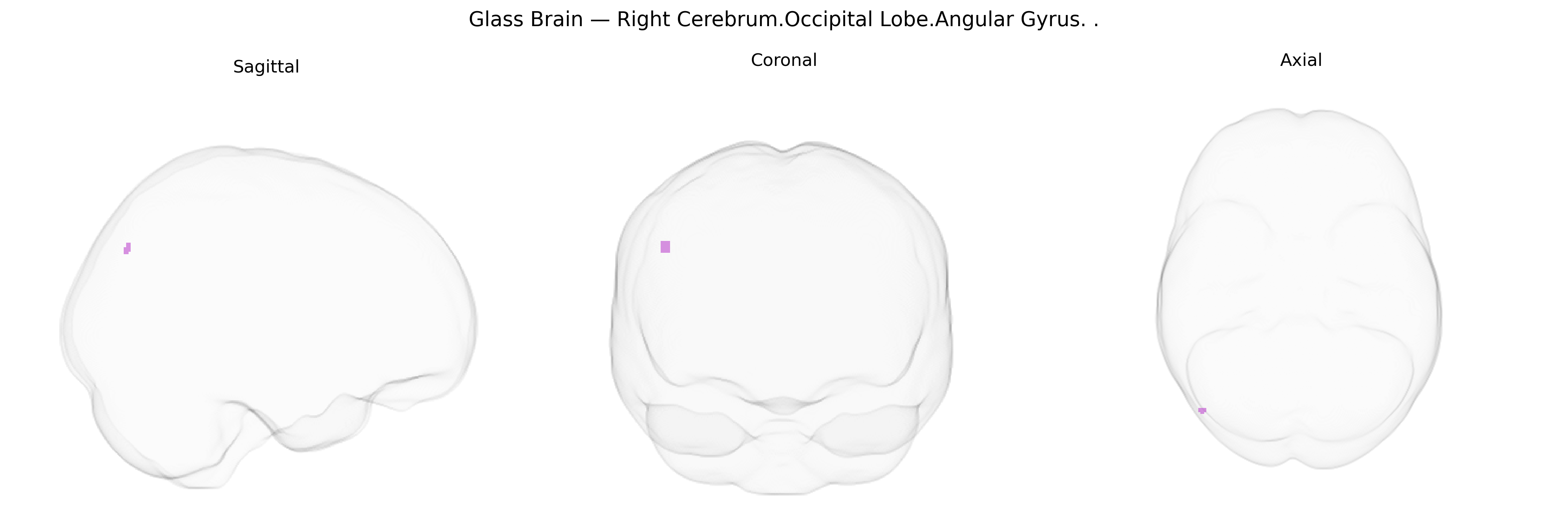
The bilateral Right Cerebrum.Occipital Lobe.Angular Gyrus, as labeled in the Talairach 1 mm atlas, corresponds to the angular gyrus region in the posterior part of the inferior parietal lobule, situated near the junction of the parietal, temporal, and occipital lobes and wrapping around the posterior end of the superior temporal sulcus. Functionally, the angular gyrus is implicated in multimodal integration, combining visual, auditory, and somatosensory information, and plays key roles in language (reading, writing, semantic processing), number processing, spatial cognition, attention reorientation, and aspects of memory and theory of mind. Lesions in this region can lead to deficits such as alexia, agraphia, acalculia, and components of Gerstmann syndrome, reflecting its importance in higher-order cognitive functions. Angular gyrus
The bilateral right cerebrum occipital/angular gyrus region (posterior inferior parietal/temporoparietal junction area in the Talairach 1 mm atlas) has been implicated in multiple genetic and genome‑wide association studies (GWAS) through its roles in language, visuospatial and higher‑order cognitive processes. Although few GWAS target this exact label, numerous imaging‑genetics studies using Freesurfer or similar parcellations report that common variants in genes related to synaptic plasticity, neuronal migration and myelination (for example BDNF, APOE, CNTNAP2, DISC1, and microtubule‑associated or axon‑guidance genes) are associated with cortical thickness, surface area or gyrification in inferior parietal/temporo‑occipital regions overlapping the angular gyrus. Large ENIGMA‑style GWAS of cortical morphology have identified polygenic influences on inferior parietal and temporoparietal cortex from loci involved in neurodevelopment, including genes near 3p26, 6q22–q23, and 17q21, with genetic correlations to general cognitive ability and educational attainment, suggesting that variants affecting this region contribute to inter‑individual differences in intelligence and language‑related skills. Disorders with strong genetic components that show structural or functional alterations in the right angular gyrus or adjacent occipitoparietal cortex include developmental dyslexia and other language disorders (with associations in FOXP2‑related and DCDC2/KIAA0319 pathways), autism spectrum disorder (where GWAS and rare variant studies highlight synaptic genes such as SHANK, NRXN, and CHD8 with altered activation in temporoparietal “social brain” nodes), schizophrenia and bipolar disorder (polygenic risk linked to cortical thinning and connectivity changes in inferior parietal/temporoparietal regions), and Alzheimer’s disease, where APOE ε4 and other risk loci are associated with atrophy and hypometabolism in posterior parietal and temporo‑occipital networks including the angular gyrus as part of the default mode network.
Overview generated by GPT-4o (2026).
Region ID: 956
Hemisphere: bilateral
Atlas: Talairach labels 1mm
Full Quality Version: Download MP4
Full Quality Version: Download MP4
Wali Sidiqyar*, Gaurav Rudravaram*, Elyssa M. McMaster, Trent M. Schwartz, Adam M. Saunders, Kurt G. Schilling, Bennett A. Landman "Introducing SPINS: A Shared Public Visualization Library of Neuroanatomical Structures." Medical Imaging with Deep Learning- short paper
This resource is licensed under CC0 1.0 Universal (Public Domain).