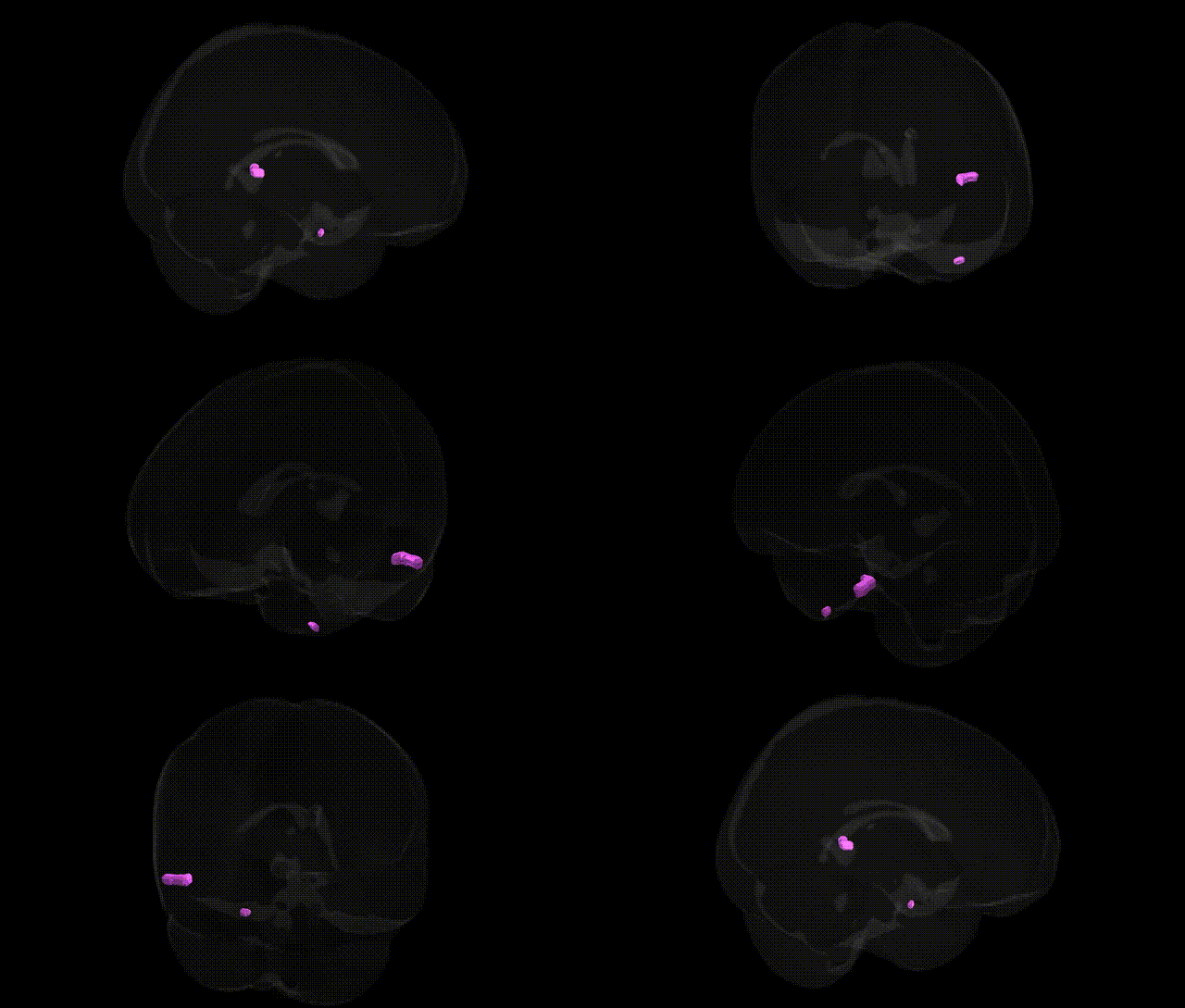
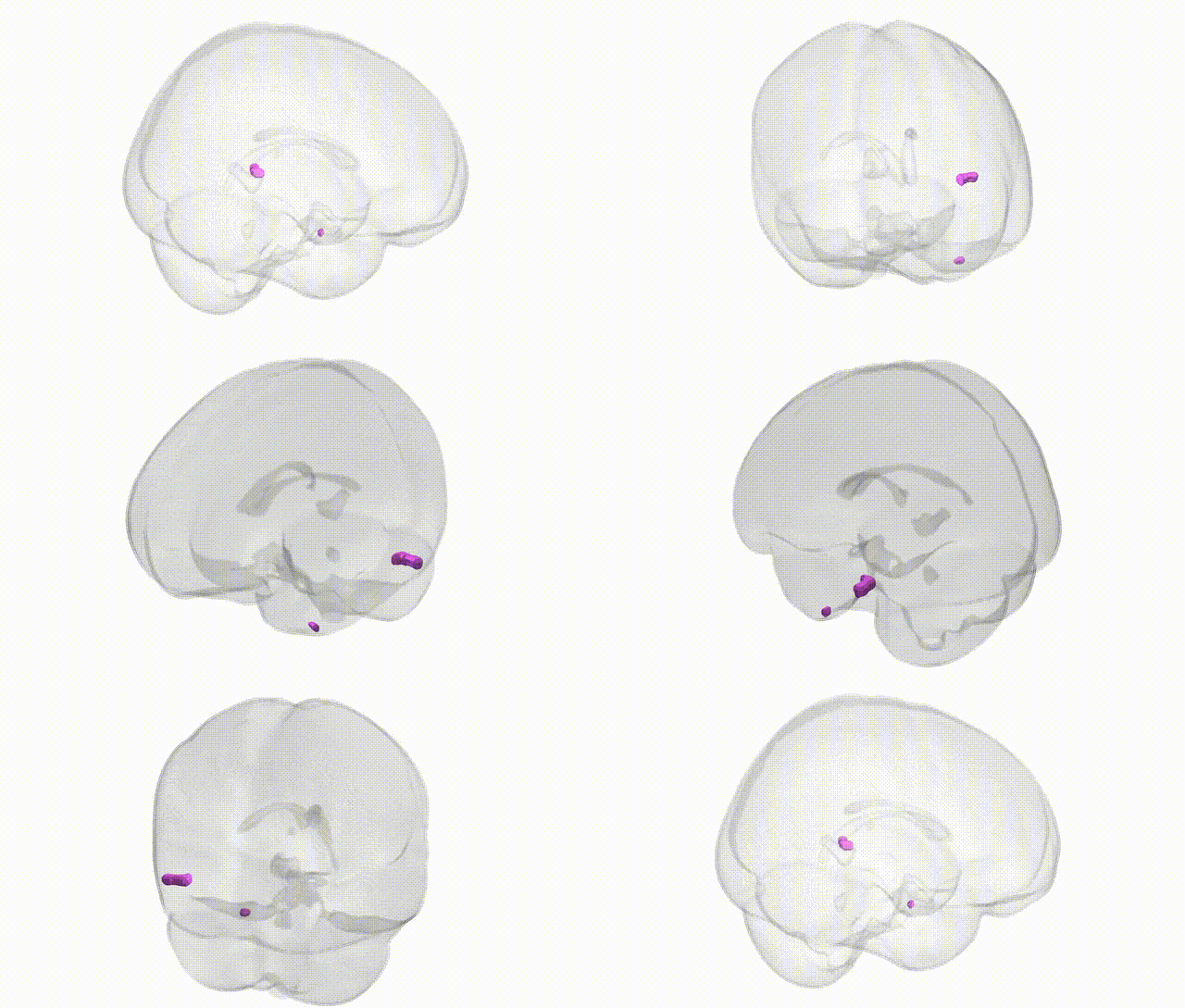
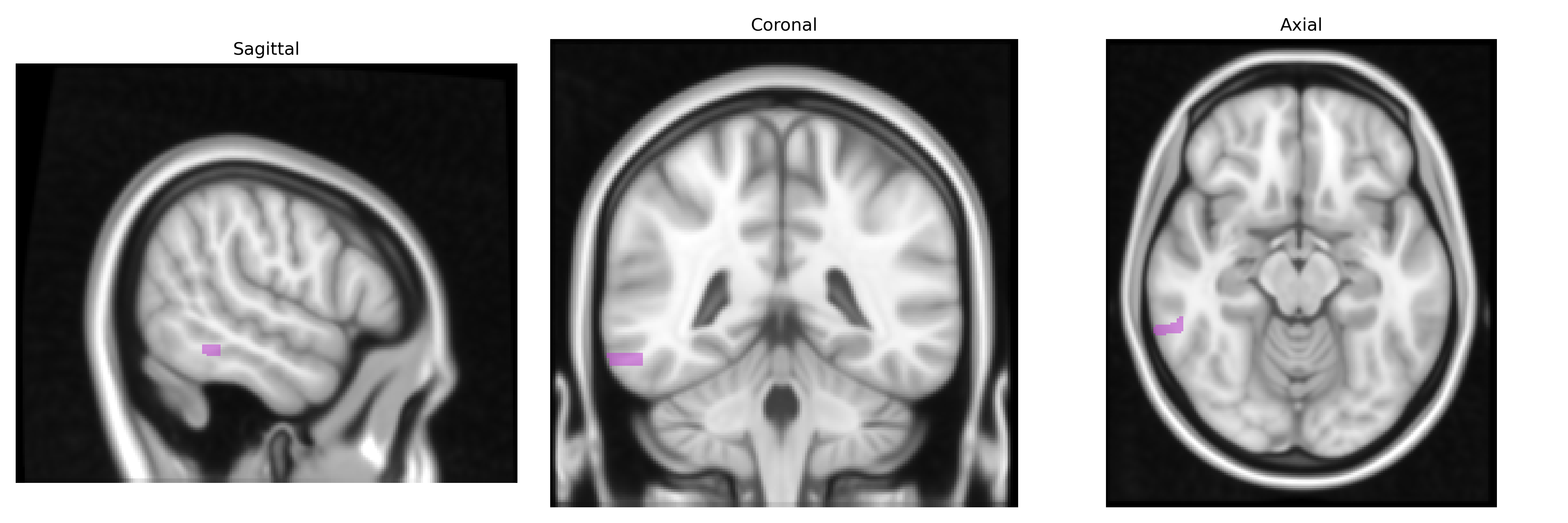
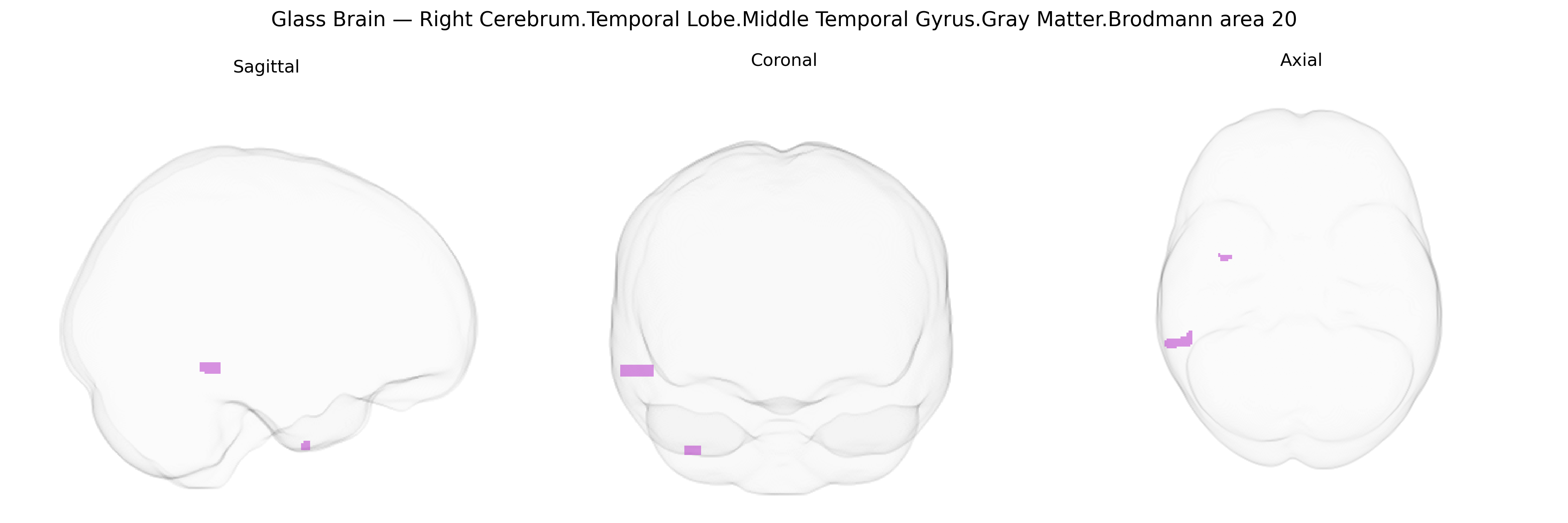
The bilateral Right Cerebrum.Temporal Lobe.Middle Temporal Gyrus.Gray Matter.Brodmann area 20 corresponds to a portion of the inferior temporal association cortex located on the ventrolateral surface of the temporal lobe, involved in high-level visual processing and multimodal integration. Cytoarchitectonically defined by Brodmann, area 20 is characterized by a well-developed granular layer and dense corticocortical connectivity, receiving input from earlier visual areas and projecting to other temporal, parietal, and frontal association regions. Functionally, this region contributes to object and face recognition, semantic processing, and aspects of visual memory, supporting the transformation of complex visual stimuli into meaningful representations. In the Talairach 1 mm atlas, this label refers to the gray matter of the middle temporal gyrus within Brodmann area 20, mapped bilaterally but here specified for the right cerebral hemisphere. There is no direct Wikipedia article for this exact composite label; a closely related structure is Brodmann area 20.
The bilateral middle temporal gyrus (MTG) in Brodmann area 20 has been implicated in several genetic and GWAS-based associations, largely through imaging genetics and neuropsychiatric studies rather than region-specific single-gene findings; common variants in genes affecting synaptic function and neurodevelopment—such as those in the glutamatergic (e.g., GRIN2B, GRM3), GABAergic (e.g., GAD1), and neurotrophic pathways (e.g., BDNF Val66Met)—have been linked to structural and functional alterations in temporal association cortices including the MTG, often in the context of cognitive performance, memory, and language-related traits. Large-scale imaging GWAS (e.g., ENIGMA, UK Biobank) have identified multiple loci influencing temporal lobe cortical thickness, surface area, and gray matter volume, though these typically map to broader temporal regions rather than BA20 alone, implicating genes involved in neuronal differentiation, axon guidance, and myelination. In psychiatric genetics, risk variants for schizophrenia, bipolar disorder, major depression, autism spectrum disorder, and Alzheimer’s disease show convergent effects on temporal lobe structure and connectivity, with the MTG frequently showing disease-related gray matter reduction or altered activation, and polygenic risk scores for these conditions correlating with temporal cortex morphology. Additionally, language and reading-related traits, such as dyslexia and specific language impairment, have been associated with temporal lobe measures and genes like DCDC2, KIAA0319, and CNTNAP2, which influence cortical development in temporal association areas, while APOE ε4 and other Alzheimer’s disease risk loci relate to atrophy and metabolism changes extending into BA20, especially in the context of semantic memory and object recognition networks.
Overview generated by GPT-4o (2026).
Region ID: 29
Hemisphere: bilateral
Atlas: Talairach labels 1mm
Full Quality Version: Download MP4
Full Quality Version: Download MP4
Wali Sidiqyar*, Gaurav Rudravaram*, Elyssa M. McMaster, Trent M. Schwartz, Adam M. Saunders, Kurt G. Schilling, Bennett A. Landman "Introducing SPINS: A Shared Public Visualization Library of Neuroanatomical Structures." Medical Imaging with Deep Learning- short paper
This resource is licensed under CC0 1.0 Universal (Public Domain).