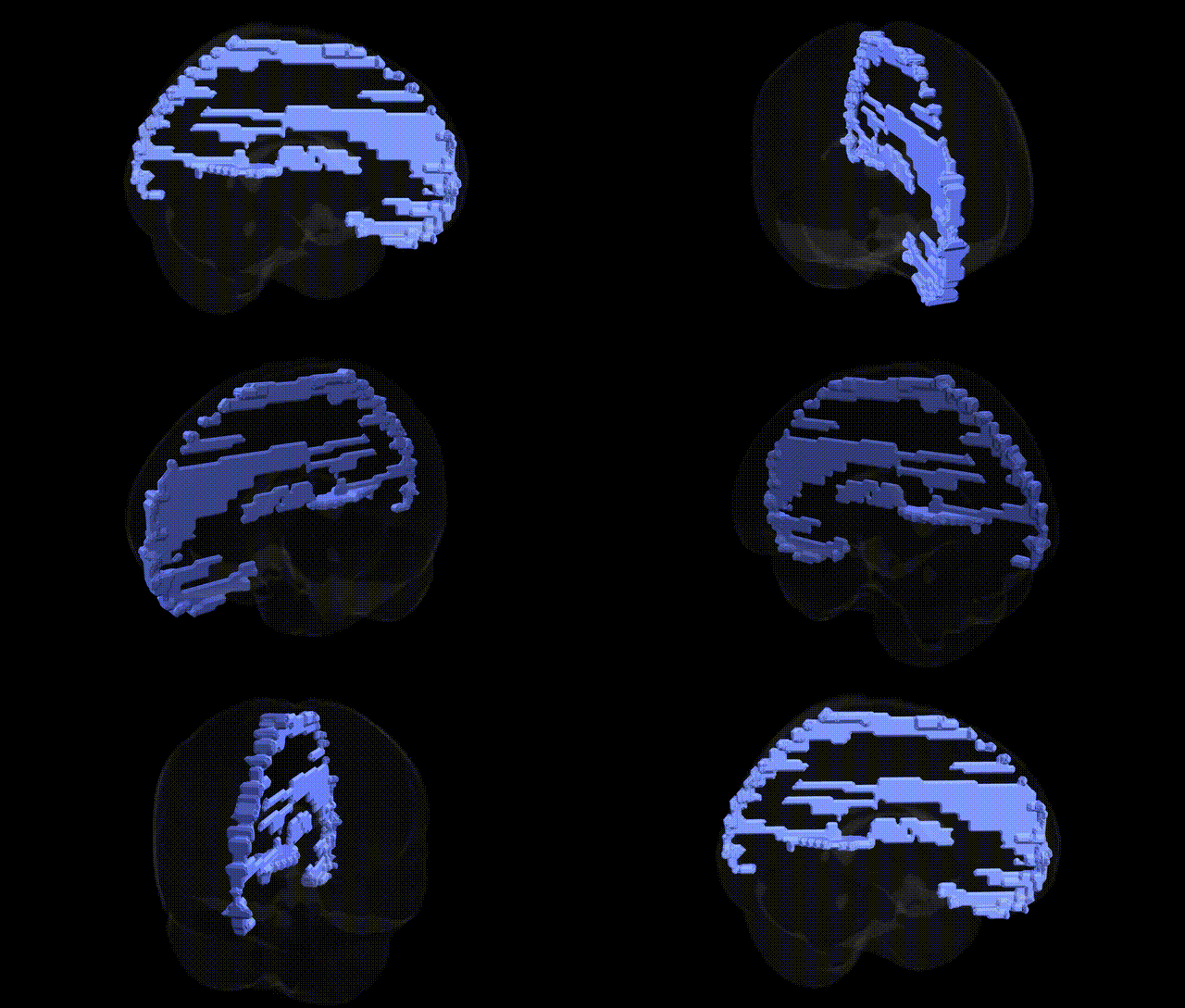
The bilateral inter-hemispheric region in the Talairach 2 mm Atlas refers to midline structures situated between the two cerebral hemispheres, encompassing cortical and subcortical areas that participate in transcallosal communication and integration of information across hemispheres. Anatomically, this functional group is closely associated with the corpus callosum, the main commissural fiber tract connecting homologous regions of the left and right hemispheres, as well as adjacent midline cortex such as parts of the medial frontal and parietal lobes and cingulate regions. Functionally, inter-hemispheric areas support coordination of bilateral motor activity, integration of sensory inputs from both sides of the body, and higher-order cognitive processes requiring cross-hemispheric transfer, such as language, attention, and executive control. There is no direct Wikipedia article for “bilateral inter-hemispheric” as a named region; a closely related and central structure is the Corpus Callosum.
The bilateral inter-hemispheric region, broadly corresponding to callosal and midline cortical structures in the Talairach 2 mm atlas (including portions of the corpus callosum, cingulate, and medial frontal/parietal cortices), has been implicated in multiple genetic and GWAS findings, though typically via broader structural or functional measures rather than this label specifically. Variants in genes such as CNTNAP2, ROBO1, L1CAM, and those influencing axon guidance and myelination (e.g., MAG, PLP1) have been associated with callosal development and size, with downstream effects on inter-hemispheric connectivity relevant to neurodevelopmental disorders including autism spectrum disorder, ADHD, dyslexia, and intellectual disability. Large neuroimaging GWAS consortia (e.g., ENIGMA) have identified common variants associated with corpus callosum microstructure (fractional anisotropy, mean diffusivity) and midline cortical thickness, including loci near genes involved in neuronal migration and synaptic function, which correlate with cognitive traits such as general intelligence, processing speed, and educational attainment, as well as risk for schizophrenia and major depression. Inter-hemispheric functional connectivity of medial cortical networks (default mode and cingulo-opercular networks) shows heritability and has been linked to polygenic risk scores for schizophrenia, bipolar disorder, and depression, suggesting that genetic influences on these traits partly act via midline, callosal-mediated coordination. Overall, genetic findings converge on pathways for axon guidance, synaptic plasticity, and myelination that shape the development and integrity of inter-hemispheric circuits, with consequences for cognition, emotion regulation, and vulnerability to psychiatric and neurodevelopmental disorders.
Overview generated by GPT-4o (2026).
Region ID: 107
Hemisphere: bilateral
Atlas: Talairach labels 2mm
Full Quality Version: Download MP4
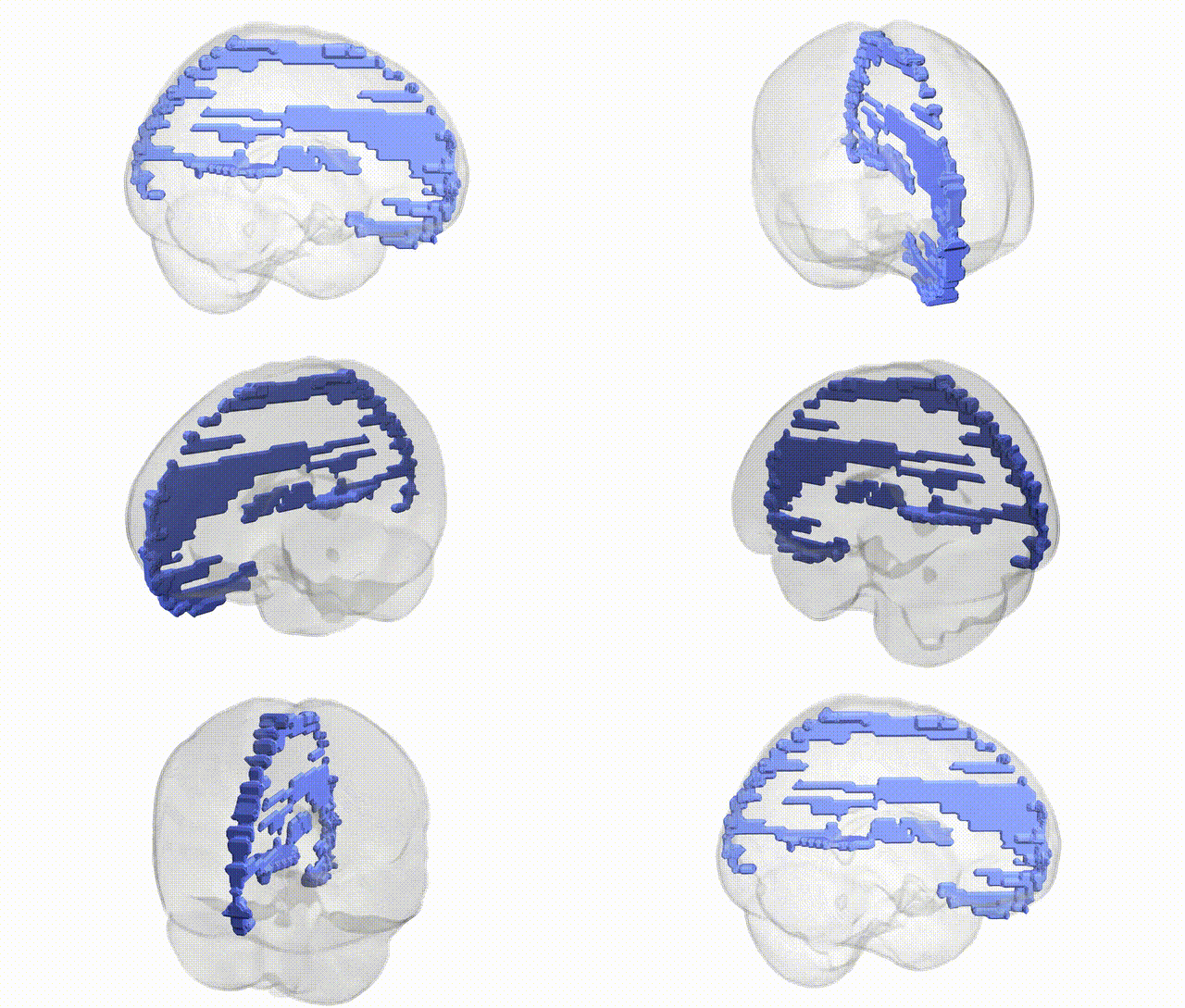
Full Quality Version: Download MP4
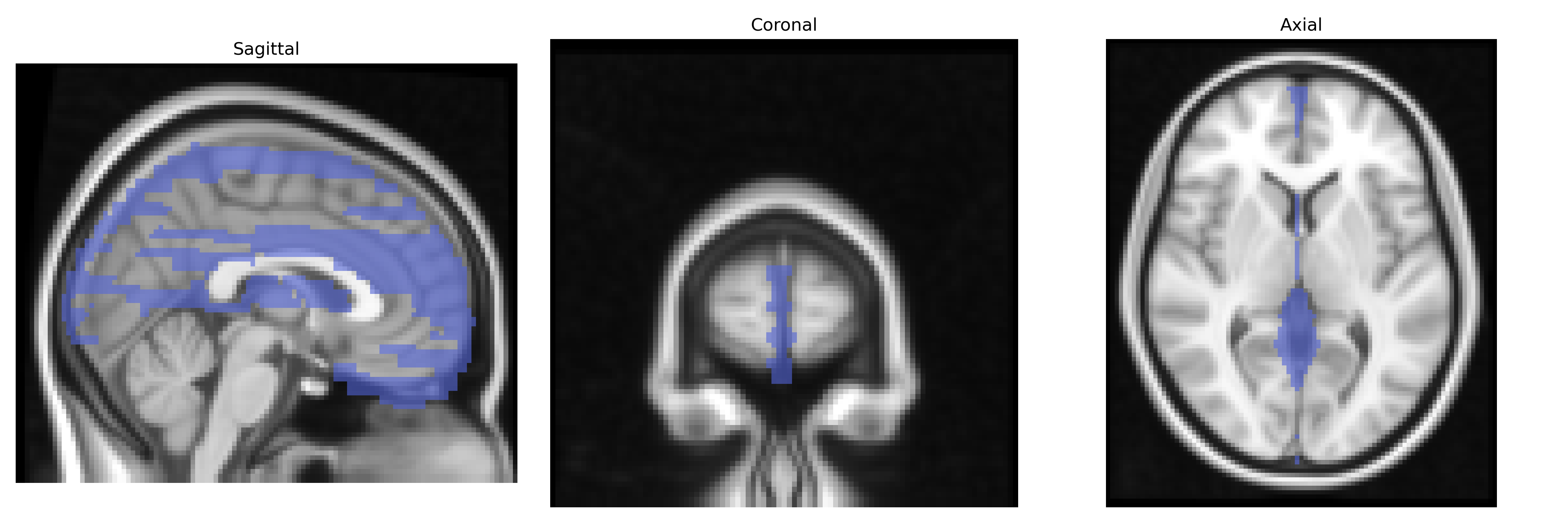
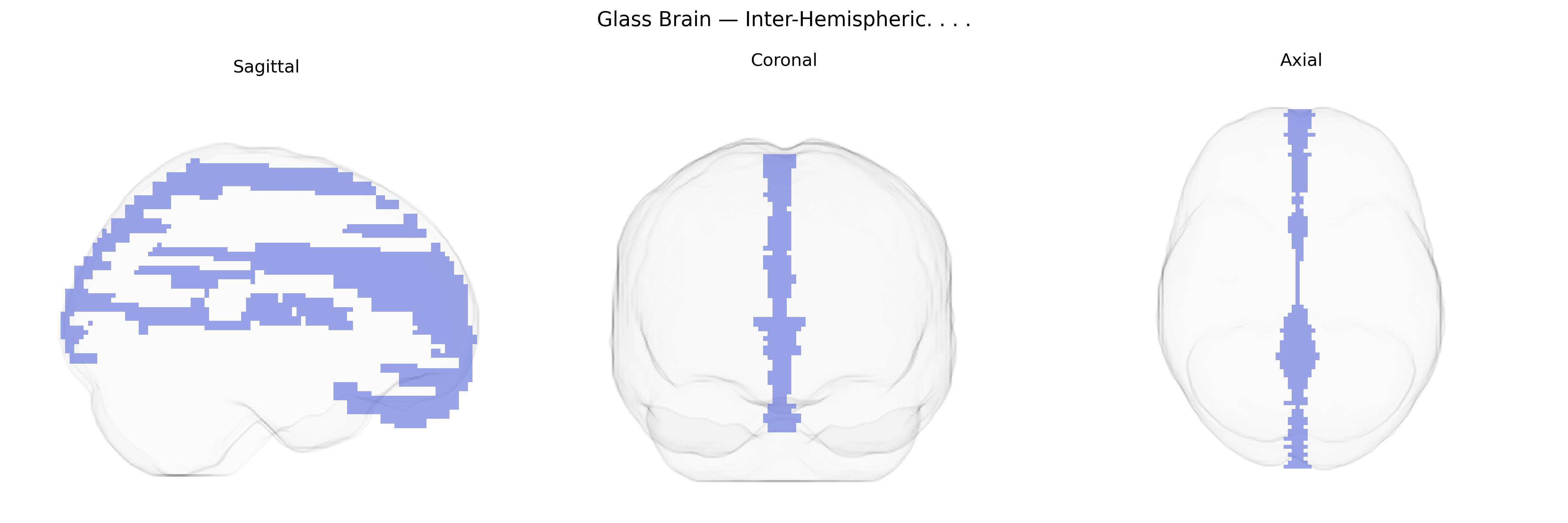
Wali Sidiqyar*, Gaurav Rudravaram*, Elyssa M. McMaster, Trent M. Schwartz, Adam M. Saunders, Kurt G. Schilling, Bennett A. Landman "Introducing SPINS: A Shared Public Visualization Library of Neuroanatomical Structures." Medical Imaging with Deep Learning- short paper
This resource is licensed under CC0 1.0 Universal (Public Domain).