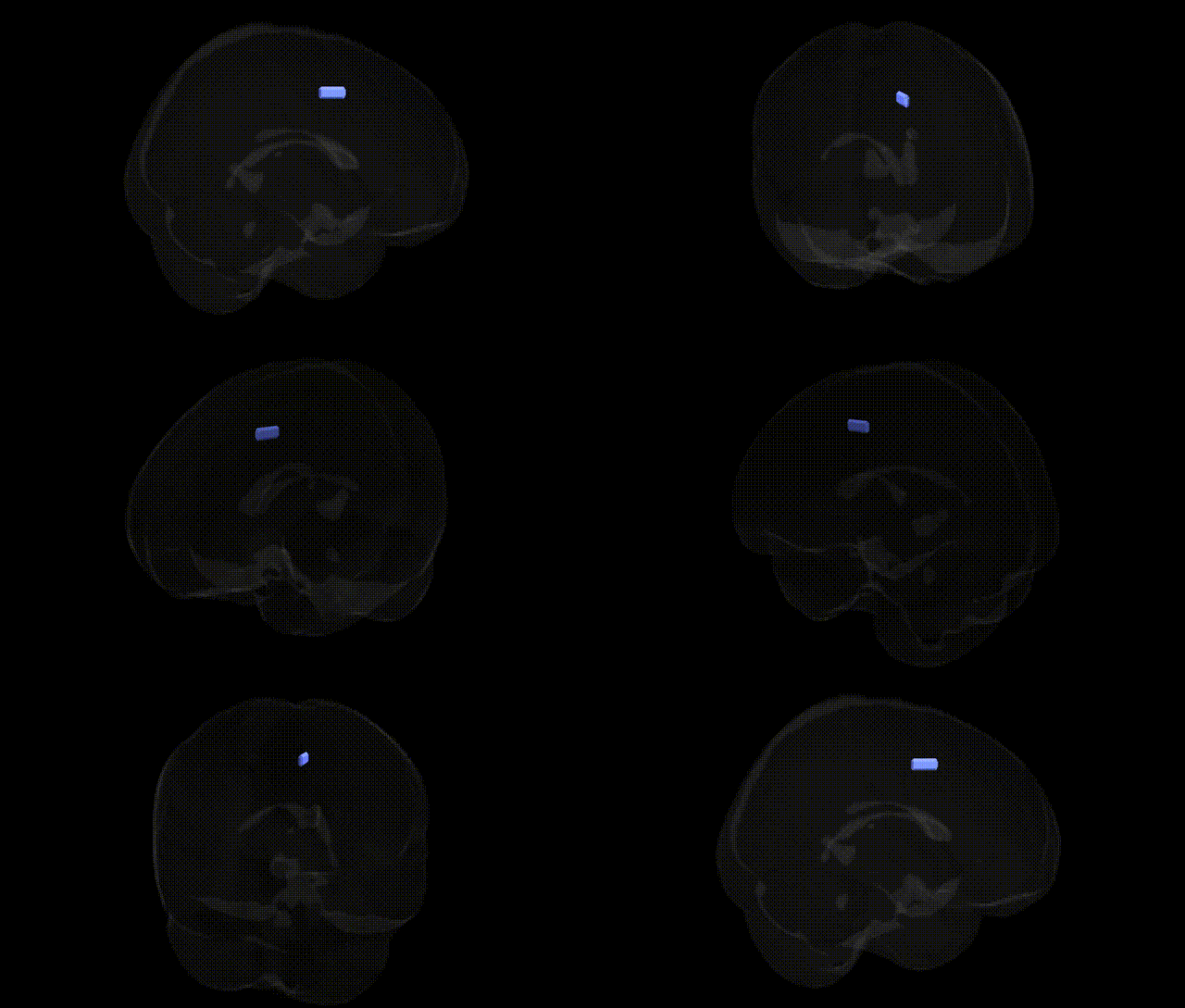
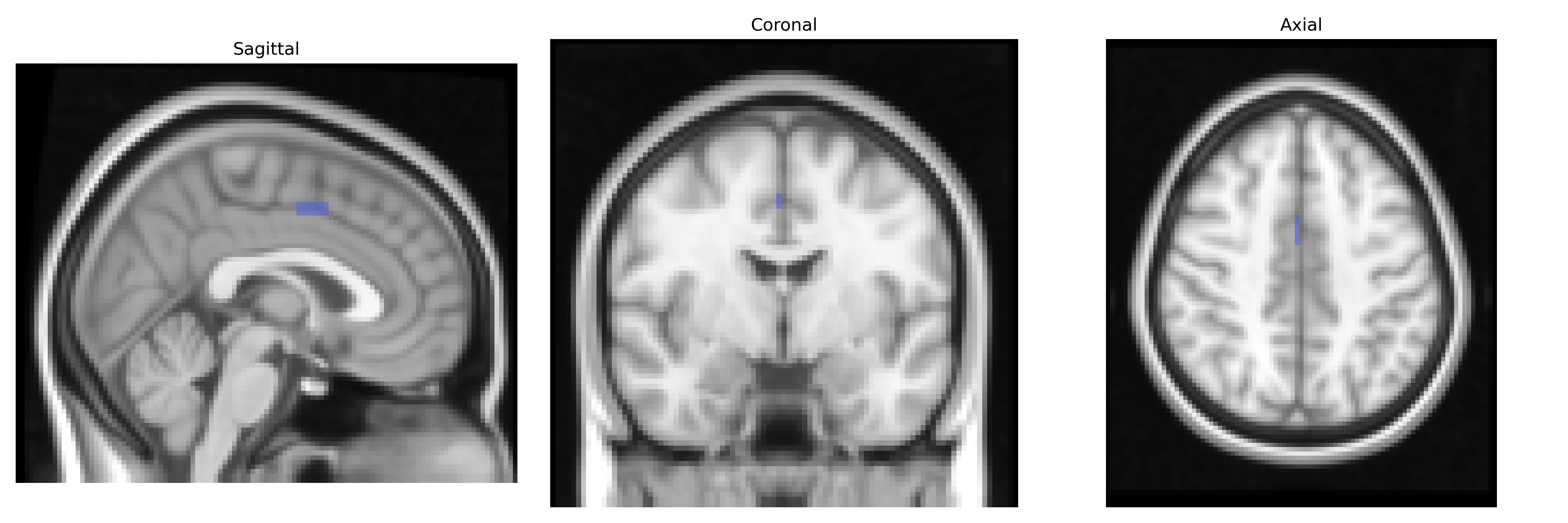
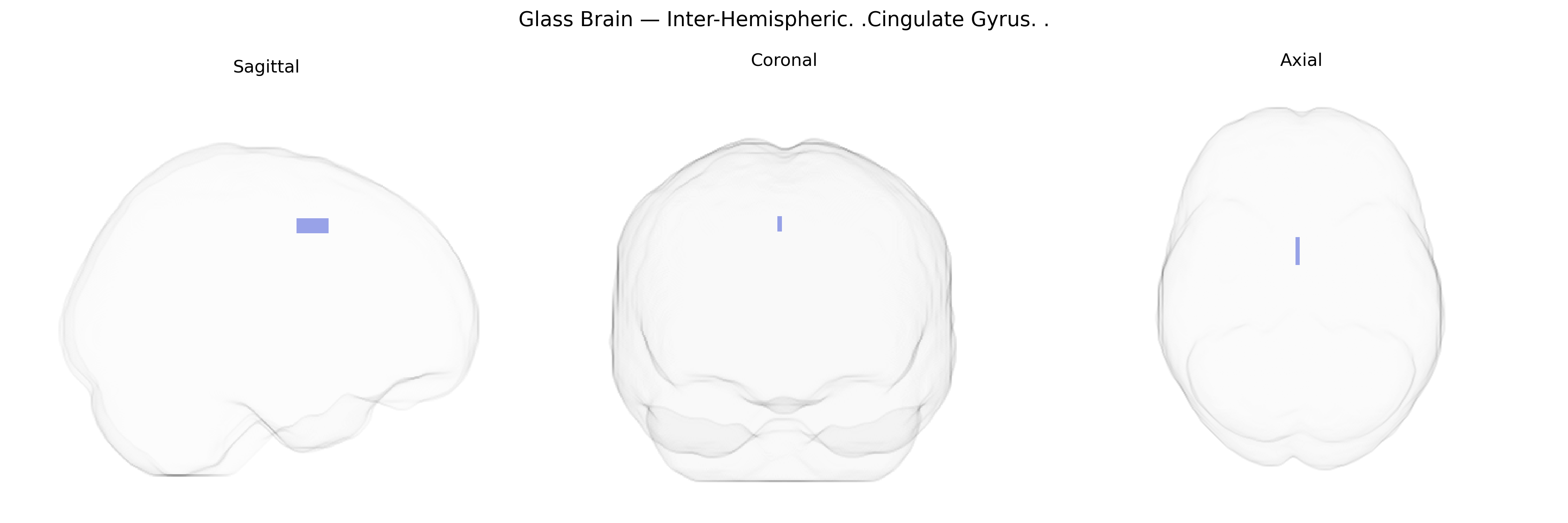
The bilateral inter-hemispheric cingulate gyrus is a medial cortical structure that arches over the corpus callosum within the limbic system, extending in both hemispheres and playing key roles in emotion regulation, autonomic control, pain processing, and cognitive functions such as attention and conflict monitoring. It is cytoarchitectonically divided into anterior, middle, and posterior portions, with the anterior cingulate particularly involved in affective and executive processes and the posterior cingulate in memory and internally directed cognition. This region is heavily interconnected with prefrontal, parietal, and limbic areas, integrating motivational and cognitive information to guide behavior and physiological responses. While there is no direct Wikipedia article for “bilateral inter-hemispheric cingulate gyrus” as a unique label, the closest relevant structure is the Cingulate gyrus.
The bilateral inter-hemispheric cingulate gyrus, a core component of the limbic and salience networks, has been repeatedly implicated in genetic studies of brain structure and function, though most findings involve broader cingulate or medial frontal regions rather than the specific Talairach 2 mm label. GWAS of cortical thickness, surface area, and functional connectivity have linked common variants in genes such as BDNF, GRM3, DISC1, CACNA1C, ZNF804A, and immune-related loci within the major histocompatibility complex (MHC) to cingulate morphology and activity, often in the context of psychiatric and neurodevelopmental disorders. Structural and functional cingulate alterations show heritability and have been associated with risk alleles for schizophrenia, major depressive disorder, bipolar disorder, ADHD, and autism spectrum disorder, as well as traits like neuroticism, cognitive control, pain sensitivity, and stress reactivity. Imaging genetics studies connect serotonin-related genes (5-HTTLPR in SLC6A4), dopamine system variants (e.g., DRD2, COMT Val158Met), and glutamatergic genes (GRIN2B, GRM family) with cingulate activation during tasks involving emotion regulation, conflict monitoring, and decision-making. Although no large GWAS targets the “inter-hemispheric cingulate gyrus” label specifically, convergent evidence indicates that polygenic influences on synaptic plasticity, neurotransmission, and immune signaling shape variability in this region, contributing to vulnerability and resilience across multiple psychiatric and cognitive phenotypes.
Overview generated by GPT-4o (2026).
Region ID: 1058
Hemisphere: bilateral
Atlas: Talairach labels 2mm
Full Quality Version: Download MP4
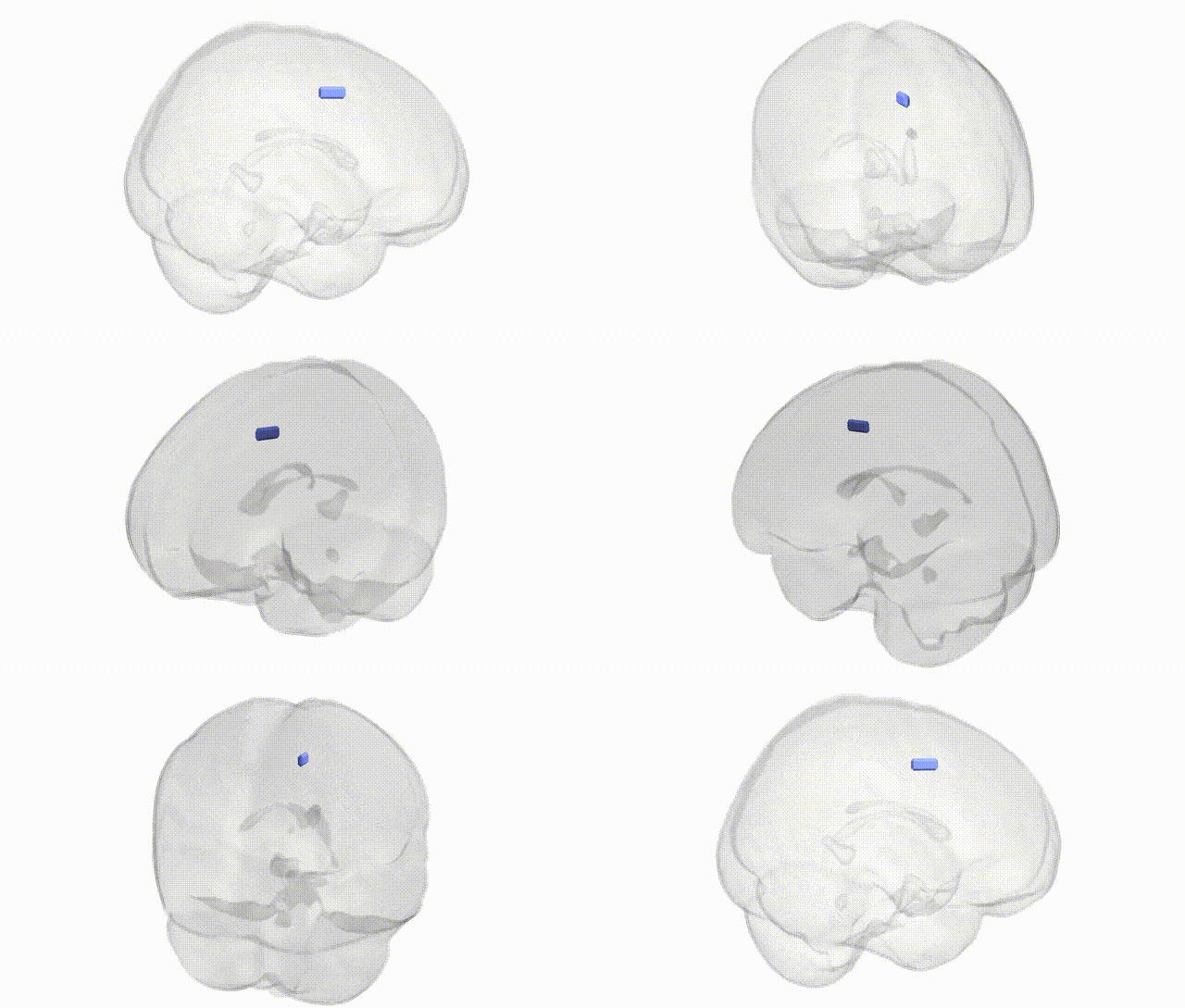
Full Quality Version: Download MP4
Wali Sidiqyar*, Gaurav Rudravaram*, Elyssa M. McMaster, Trent M. Schwartz, Adam M. Saunders, Kurt G. Schilling, Bennett A. Landman "Introducing SPINS: A Shared Public Visualization Library of Neuroanatomical Structures." Medical Imaging with Deep Learning- short paper
This resource is licensed under CC0 1.0 Universal (Public Domain).