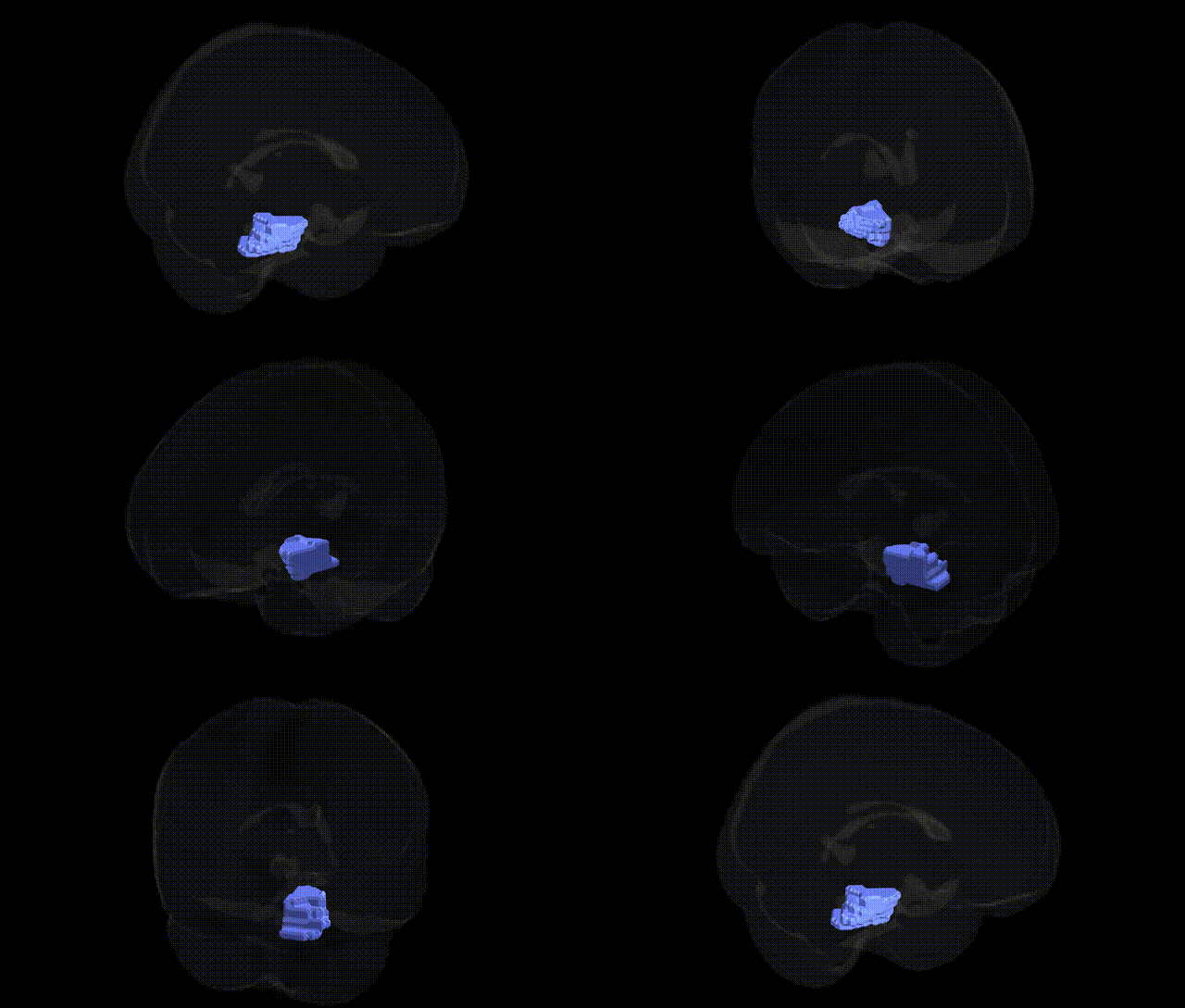
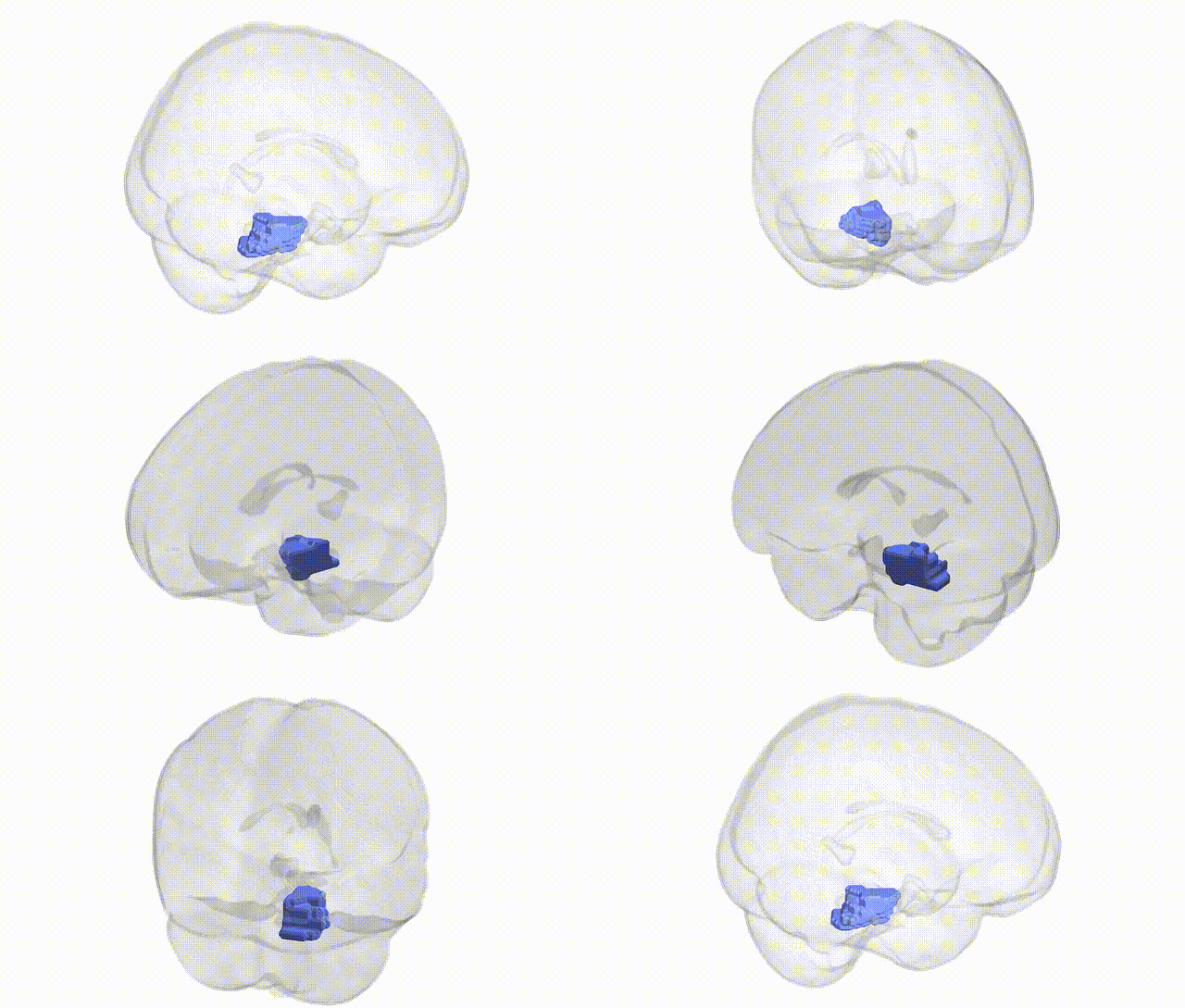
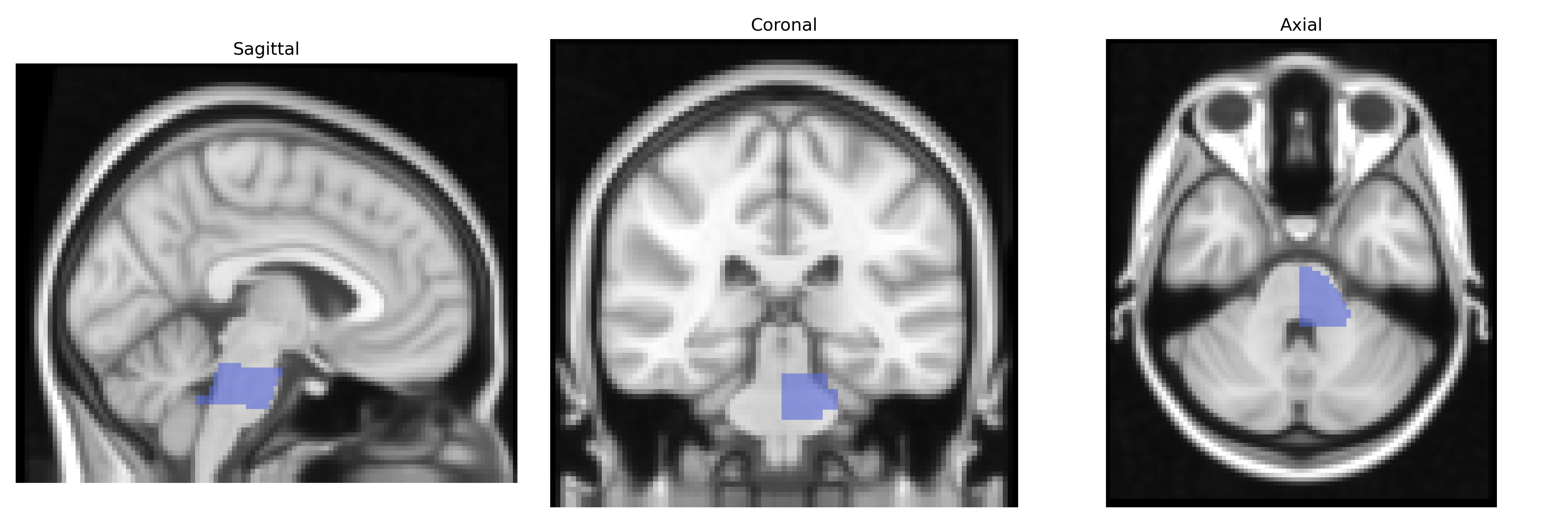
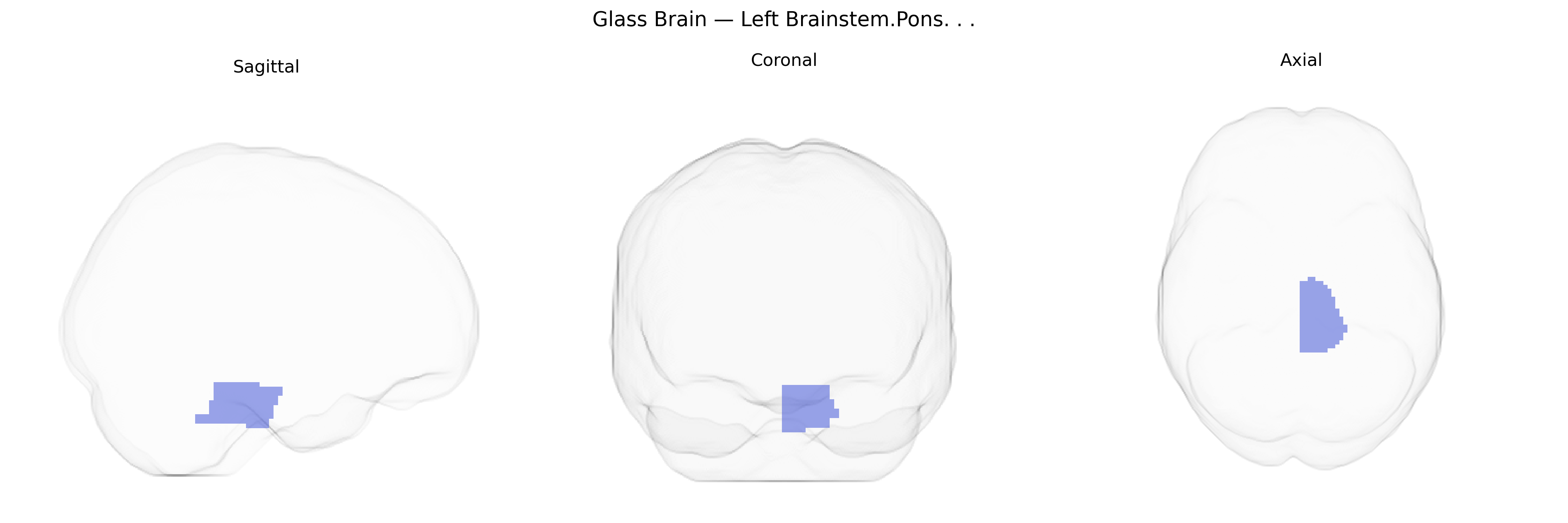
The bilateral Left Brainstem.Pons corresponds to the portion of the brainstem located anterior to the cerebellum and superior to the medulla oblongata, composed of transverse pontine fibers and pontine nuclei that relay information between the cerebral cortex and cerebellum. Functionally, this region is critical for coordination of movement, regulation of sleep and arousal, and modulation of autonomic functions such as respiration. It contains ascending and descending tracts, including components of the corticospinal, corticobulbar, and sensory pathways, and houses nuclei for several cranial nerves involved in facial expression, eye movements, hearing, and balance. In the Talairach 2 mm Atlas, this label identifies the pons segment of the brainstem on the left side, though most functions are supported by bilaterally organized structures. Pons
The bilateral left brainstem pons, as defined in the Talairach 2 mm atlas, has been implicated in several genetically influenced traits and disorders, primarily through imaging genetics and GWAS of brain structure and function. Large-scale neuroimaging GWAS (e.g., ENIGMA and UK Biobank studies) have identified common variants near genes involved in neurodevelopment, axon guidance, and synaptic function—such as BDNF, SLC6A4, and genes in glutamatergic and GABAergic pathways—associated with brainstem and pontine volume, although most signals are not specific to the left pons alone. Genetic studies in multiple sclerosis, neuromyelitis optica spectrum disorders, and hereditary ataxias highlight variants in immune-related and ion channel genes (e.g., HLA loci, CACNA1A, ATP1A2) that increase risk of lesions or degenerative changes in the pons, often reflected in MRI-based phenotypes. In psychiatric genomics, loci associated with major depressive disorder, anxiety, and pain sensitivity have been functionally linked to serotonergic and noradrenergic nuclei within the pons (such as the dorsal raphe and locus coeruleus), with imaging genetics showing that polygenic risk scores for these conditions correlate with altered pontine activation or connectivity in emotional and nociceptive networks. Additionally, GWAS of sleep traits and respiratory control have implicated genes influencing brainstem circuits (e.g., PHOX2B-related pathways) that converge on pontine respiratory and arousal centers, suggesting that genetic variation affecting these networks can modulate risk for sleep-disordered breathing and central hypoventilation. Overall, genetic associations for the pons are generally indirect, reflecting variants that impact widespread brainstem circuits, neurodevelopment, and neurotransmitter systems rather than highly localized, left-sided pontine effects.
Overview generated by GPT-4o (2026).
Region ID: 71
Hemisphere: bilateral
Atlas: Talairach labels 2mm
Full Quality Version: Download MP4
Full Quality Version: Download MP4
Wali Sidiqyar*, Gaurav Rudravaram*, Elyssa M. McMaster, Trent M. Schwartz, Adam M. Saunders, Kurt G. Schilling, Bennett A. Landman "Introducing SPINS: A Shared Public Visualization Library of Neuroanatomical Structures." Medical Imaging with Deep Learning- short paper
This resource is licensed under CC0 1.0 Universal (Public Domain).