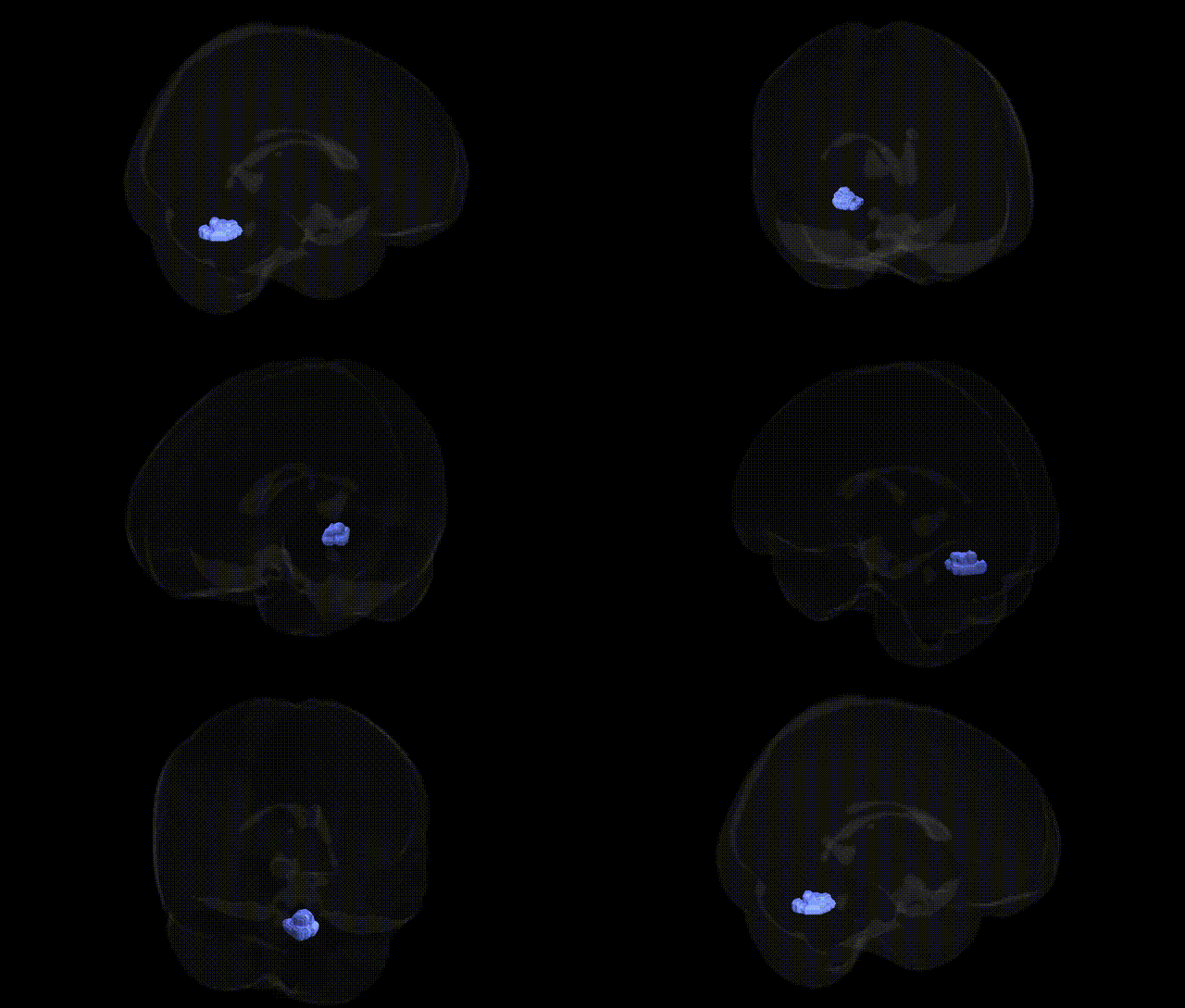
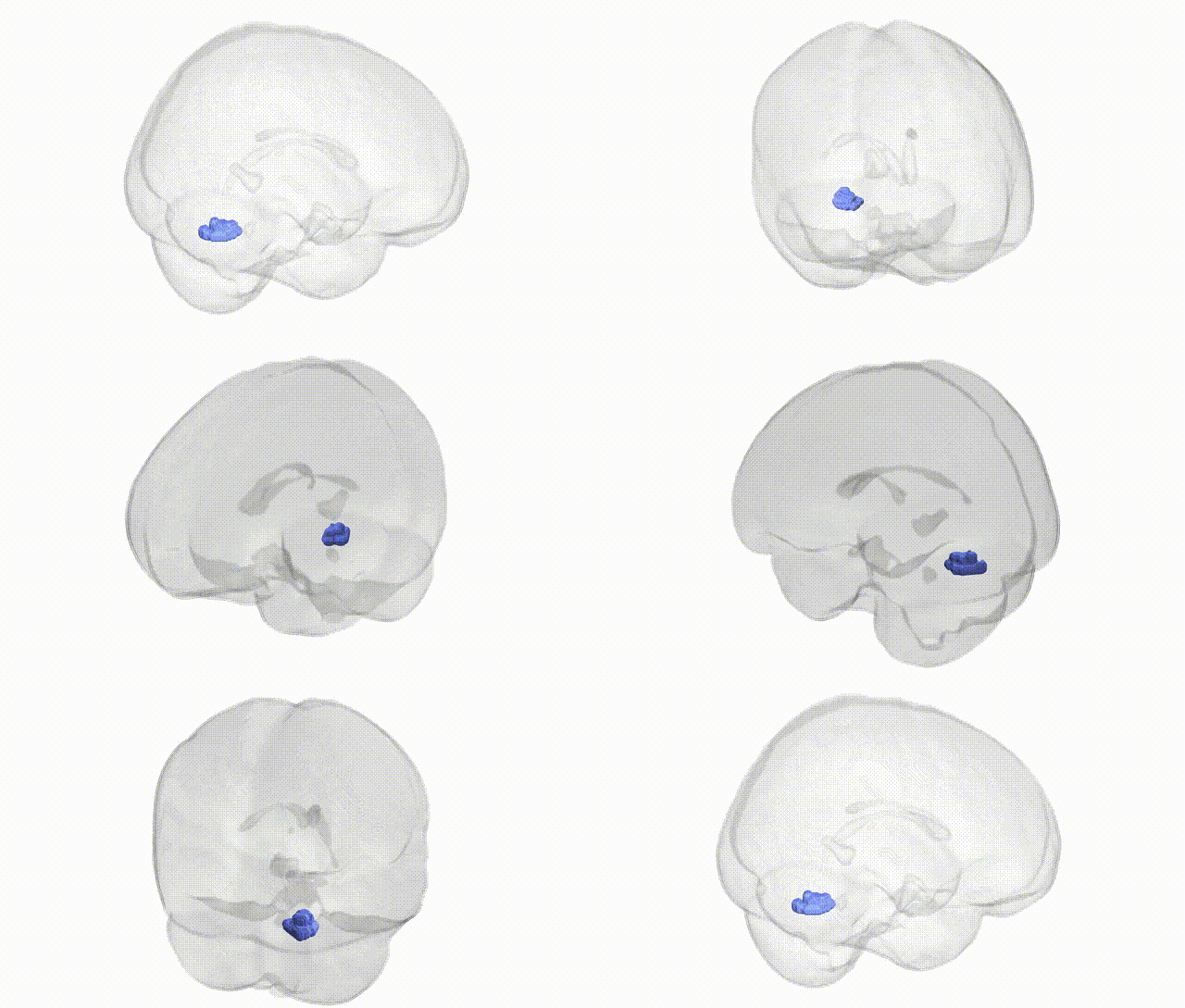
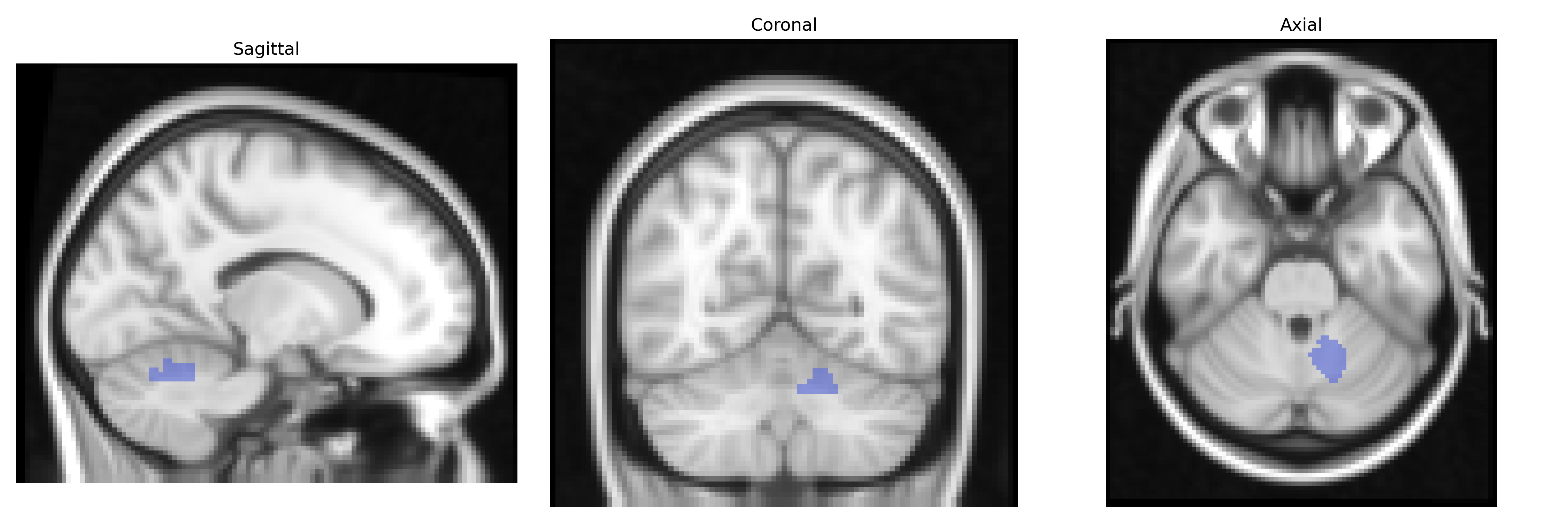
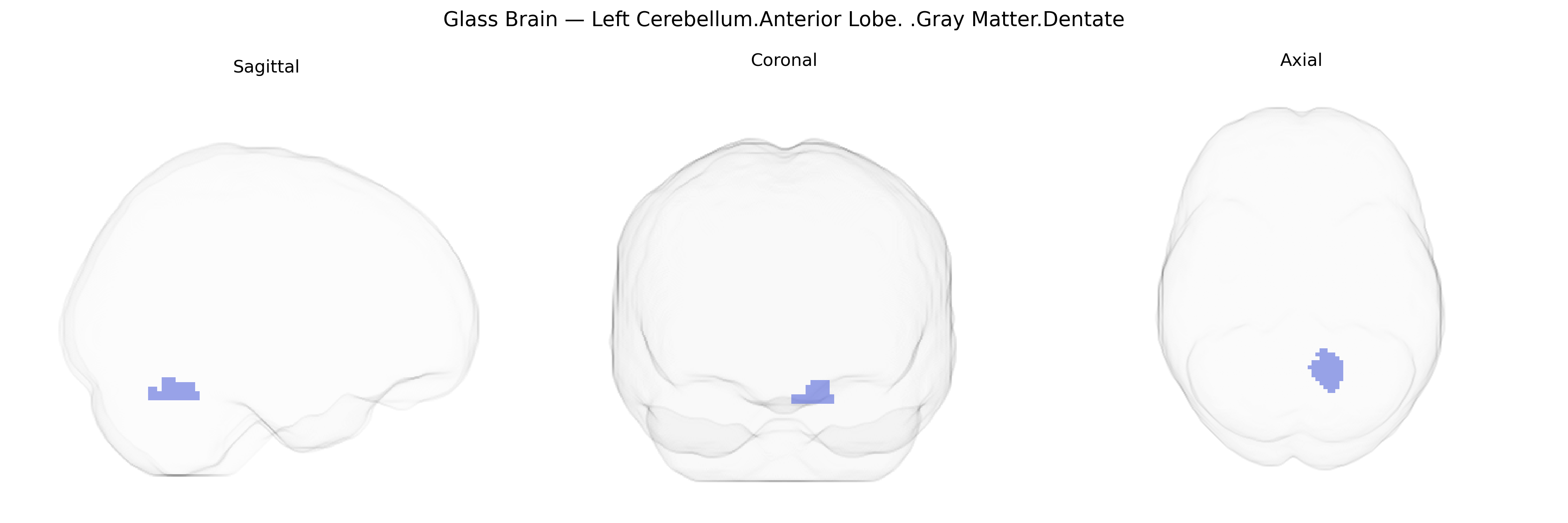
The bilateral Left Cerebellum Anterior Lobe gray matter, specifically the dentate component, corresponds to portions of the cerebellar cortex and associated deep cerebellar nucleus involved in motor coordination, timing, and integration of sensorimotor information. In the Talairach 2 mm atlas, this label refers to the anterior lobe of the left cerebellar hemisphere, where cortical zones project to the dentate nucleus, the largest and most lateral of the deep cerebellar nuclei. Functionally, this region participates in fine-tuning limb movements, postural control, and aspects of motor learning, and also contributes to cerebro-cerebellar loops that influence cognitive processes via thalamic and cortical projections. There is no direct link for “Left Cerebellum.Anterior Lobe.Gray Matter.Dentate” as a standalone article; a related structure is the Dentate nucleus.
The bilateral left cerebellum anterior lobe gray matter, particularly the dentate nucleus region, has been implicated in genetic studies largely through imaging genetics and cerebellar volume GWAS rather than region-specific analyses at the 2 mm Talairach label level. Large-scale GWAS of cerebellar structure have identified multiple loci associated with overall cerebellar and lobular volumes, including variants near genes involved in neurodevelopment, synaptic function, and axonal guidance (e.g., MAPT region, genes in calcium signaling and neurogenesis pathways), and these associations likely contribute to variability in dentate-related gray matter volume and connectivity. Polygenic architectures for psychiatric and neurodevelopmental disorders such as schizophrenia, bipolar disorder, autism spectrum disorder, attention-deficit/hyperactivity disorder, and major depressive disorder show convergent effects on cerebellar morphology and functional connectivity, with the anterior lobe and dentate nucleus frequently implicated in motor-cognitive integration and cognitive dysmetria models of psychosis; genetic risk scores for these disorders often correlate with cerebellar structural measures in imaging-genetics cohorts. Cerebellar dentate involvement has also been observed in GWAS-linked traits such as general cognitive ability, educational attainment, and motor coordination, where risk variants influencing cortical-thalamic-cerebellar circuits are associated with altered cerebellar volume or activity, though specific SNPs or genes uniquely tied to the precise “Left Cerebellum.Anterior Lobe.Gray Matter.Dentate” Talairach-defined region remain poorly resolved due to current imaging resolution and analytic conventions. Overall, genetic influences on this region appear to reflect shared cerebellar and brain-wide developmental and synaptic pathways rather than discrete, region-exclusive variants, with pleiotropic effects across motor, cognitive, and psychiatric phenotypes.
Overview generated by GPT-4o (2026).
Region ID: 119
Hemisphere: bilateral
Atlas: Talairach labels 2mm
Full Quality Version: Download MP4
Full Quality Version: Download MP4
Wali Sidiqyar*, Gaurav Rudravaram*, Elyssa M. McMaster, Trent M. Schwartz, Adam M. Saunders, Kurt G. Schilling, Bennett A. Landman "Introducing SPINS: A Shared Public Visualization Library of Neuroanatomical Structures." Medical Imaging with Deep Learning- short paper
This resource is licensed under CC0 1.0 Universal (Public Domain).