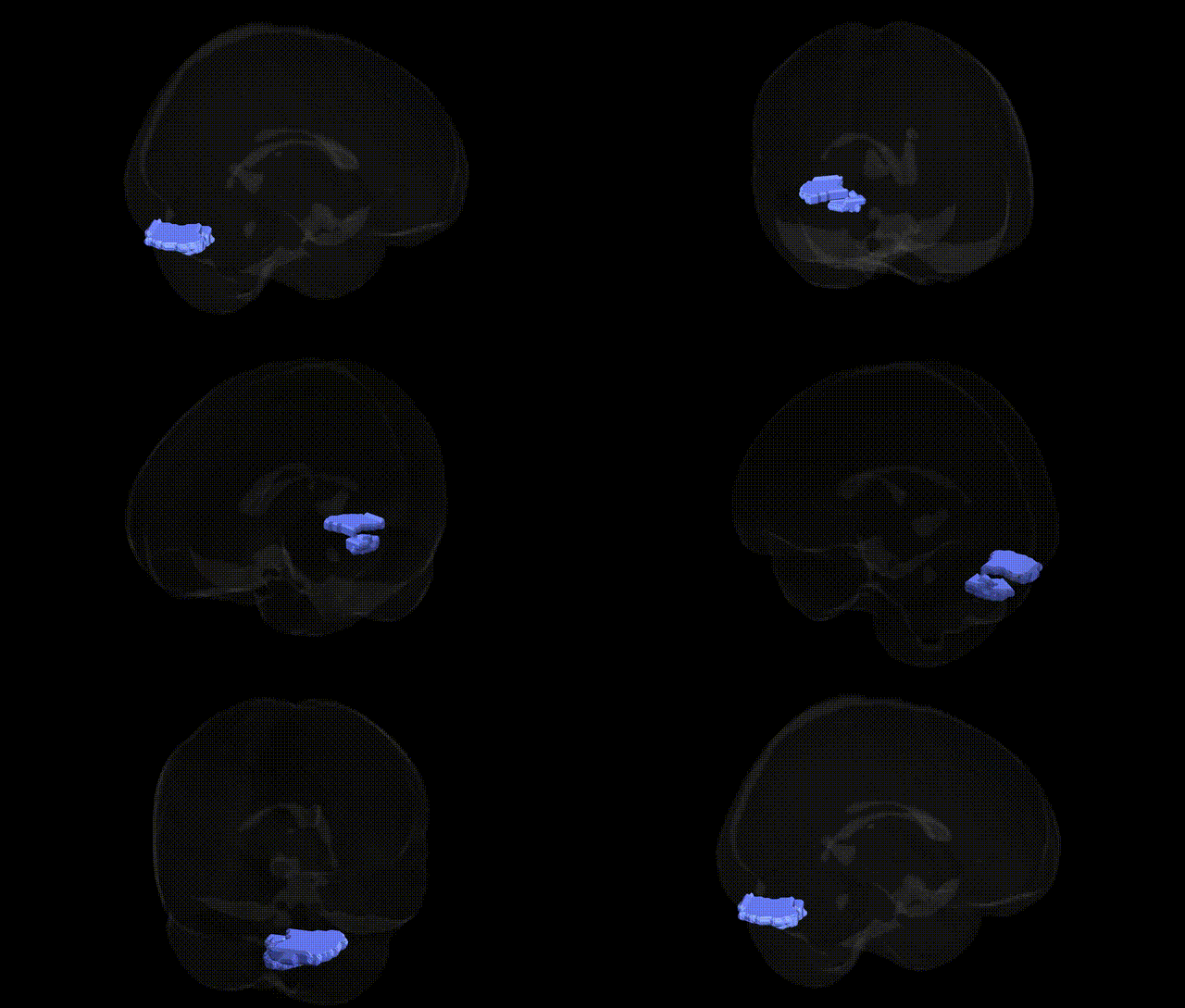
The bilateral Left Cerebellum Posterior Lobe Uvula Gray Matter refers to gray matter within the uvula, a midline structure of the cerebellar vermis situated in the posterior lobe of the cerebellum. The uvula participates in the cerebellum’s roles in coordination, balance, and the fine-tuning of motor activity, particularly in axial and postural control, and may contribute to vestibular and oculomotor functions through its connections with deep cerebellar nuclei and brainstem centers. As part of the vermis, it is involved in integrating sensory input with motor commands to modulate ongoing movements and maintain equilibrium. There is no direct Wikipedia article for this specific subregion; see the related structure Cerebellar vermis.
Genetic associations specific to the bilateral Left Cerebellum.Posterior Lobe.Uvula.Gray Matter, as defined in the Talairach labels 2 mm atlas, are not well characterized at a fine-grained parcel level, but broader cerebellar GWAS and imaging–genetics studies implicate this region indirectly through traits and disorders with robust cerebellar involvement. Large-scale neuroimaging GWAS (e.g., UK Biobank–based studies) have identified multiple loci influencing total cerebellar volume and posterior cerebellar gray matter, including variants in genes related to neurodevelopment (such as MAPT, KIAA0586, and TENM4), synaptic function, and cytoskeletal regulation, though these findings typically refer to lobular or whole-cerebellum measures rather than the specific uvula. Cerebellar posterior lobe structures, including the uvula, participate in motor coordination, timing, affect regulation, and cognitive processing, and genetic risk for disorders with known cerebellar involvement—such as autism spectrum disorder, schizophrenia, bipolar disorder, and hereditary ataxias (e.g., spinocerebellar ataxias linked to genes like ATXN1, ATXN2, ATXN3, CACNA1A)—likely contributes to structural and functional variation in this region. Polygenic risk scores for psychiatric conditions have been associated with cerebellar gray matter changes and connectivity patterns, suggesting that distributed common variants modulate cerebellar microstructure, although parcel-level associations for the uvula have not been resolved. Overall, existing genetic evidence ties cerebellar posterior lobe gray matter to neurodevelopmental, motor, and psychiatric traits, but current GWAS and imaging–genetics datasets do not provide region-specific, uvula-focused associations beyond these broader cerebellar findings.
Overview generated by GPT-4o (2026).
Region ID: 63
Hemisphere: bilateral
Atlas: Talairach labels 2mm
Full Quality Version: Download MP4
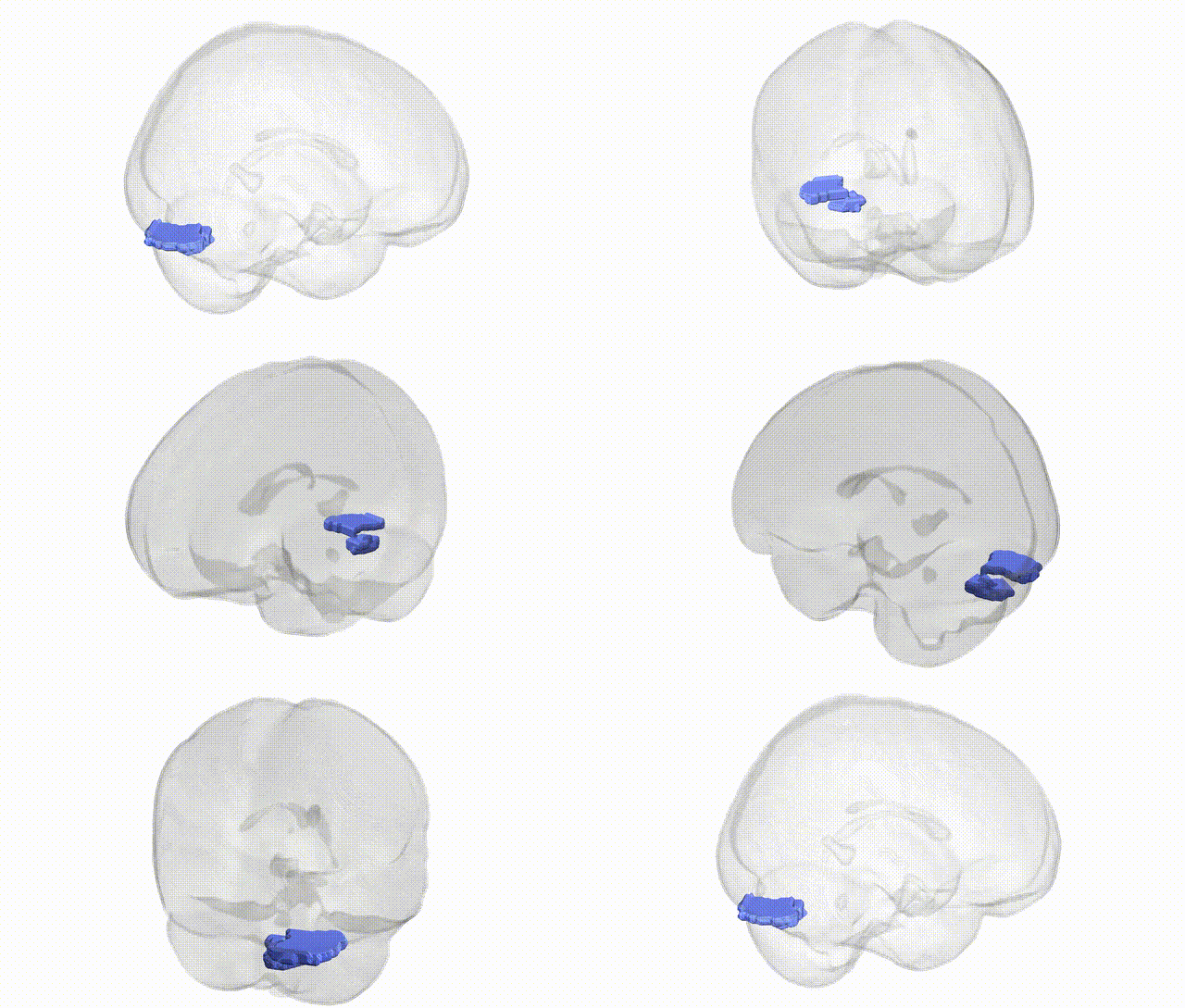
Full Quality Version: Download MP4
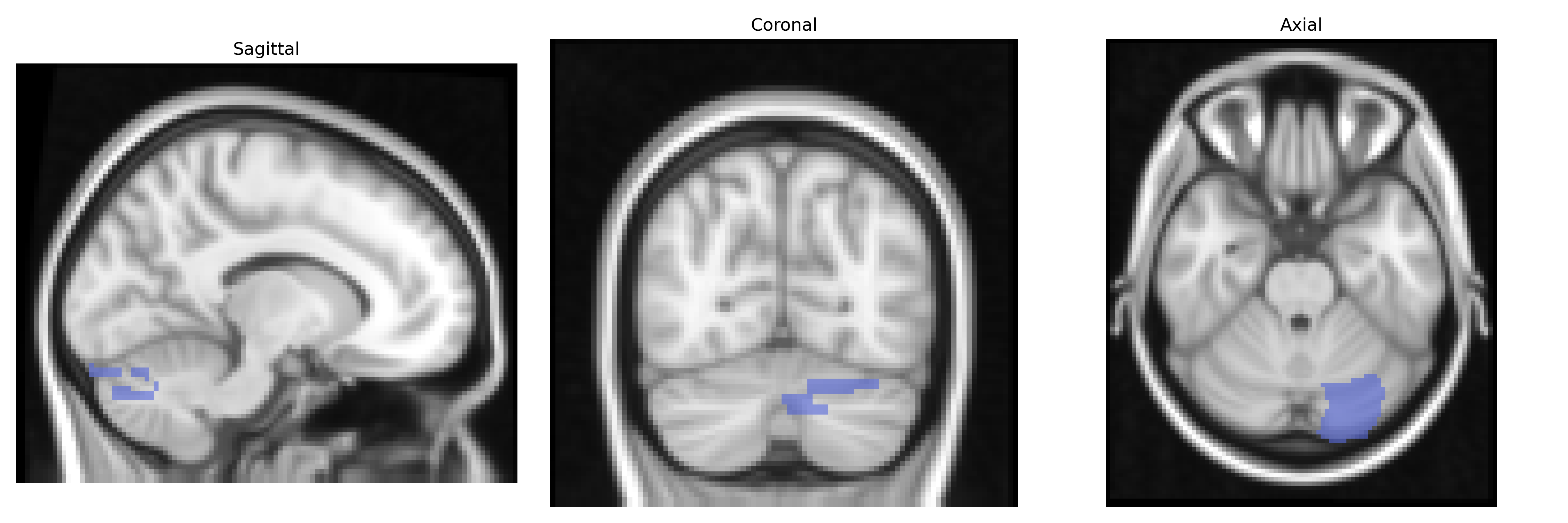
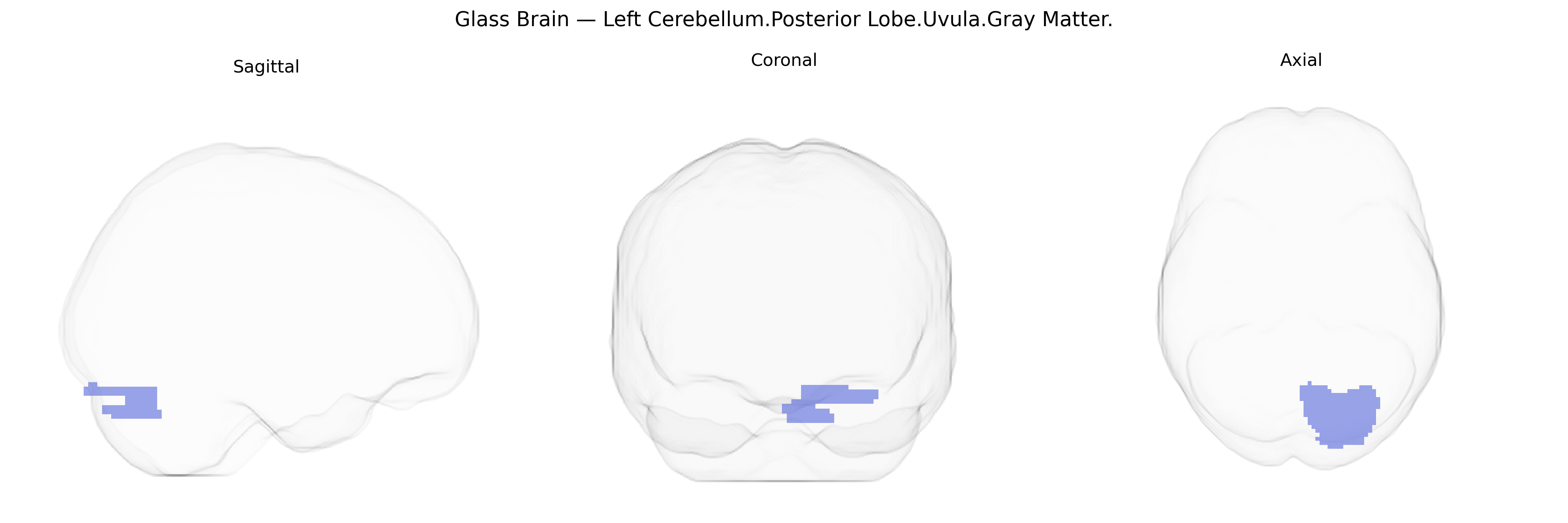
Wali Sidiqyar*, Gaurav Rudravaram*, Elyssa M. McMaster, Trent M. Schwartz, Adam M. Saunders, Kurt G. Schilling, Bennett A. Landman "Introducing SPINS: A Shared Public Visualization Library of Neuroanatomical Structures." Medical Imaging with Deep Learning- short paper
This resource is licensed under CC0 1.0 Universal (Public Domain).