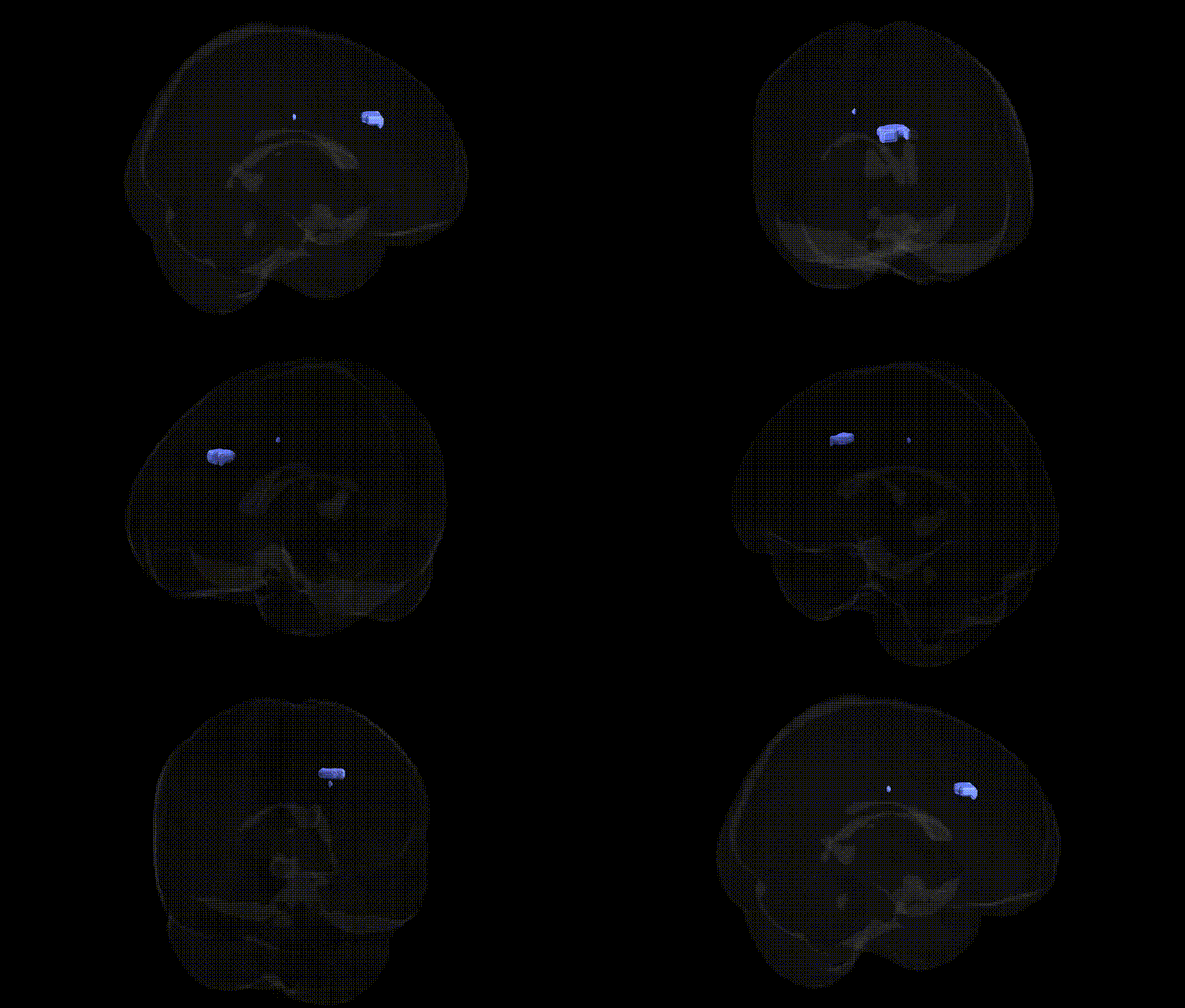
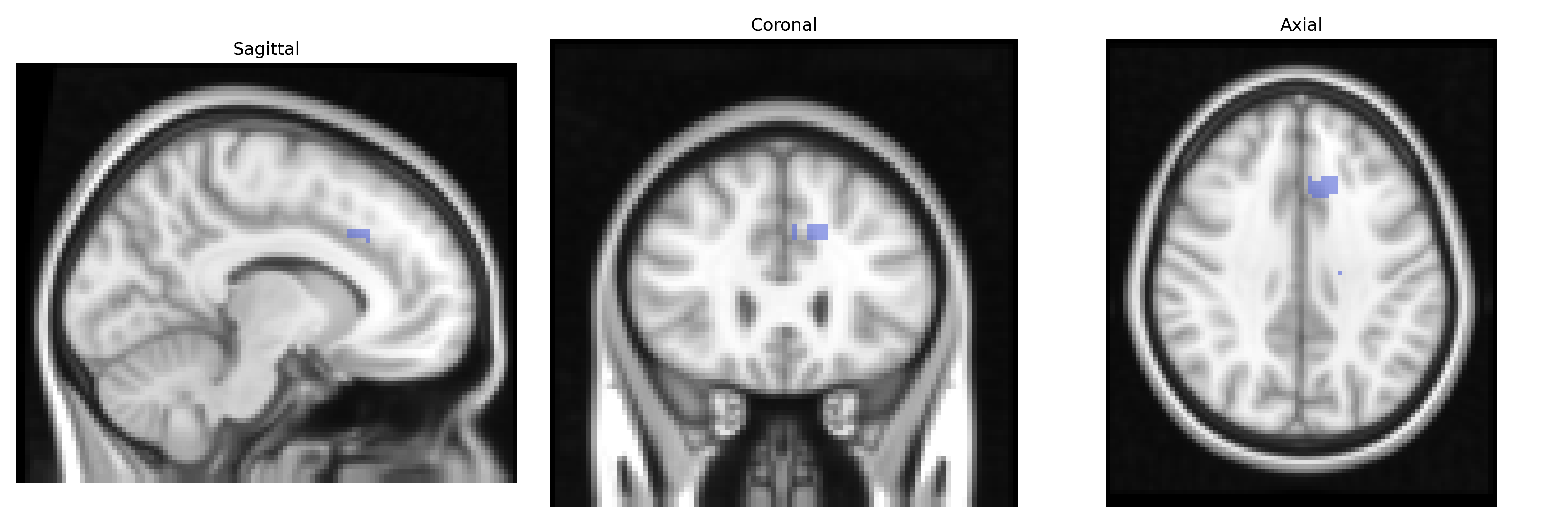
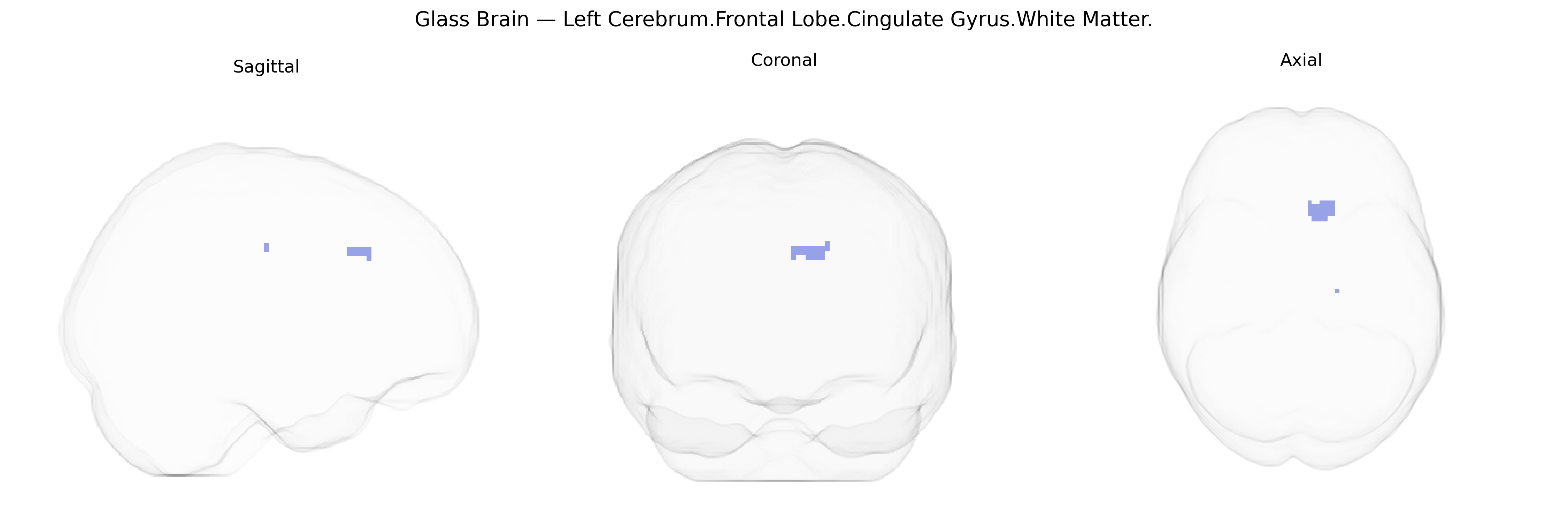
The bilateral Left Cerebrum.Frontal Lobe.Cingulate Gyrus.White Matter corresponds to the subcortical fiber tracts underlying the anterior and mid portions of the cingulate gyrus in the frontal lobe. These white matter pathways include association fibers that connect different parts of the cingulate cortex, as well as projections linking cingulate regions with prefrontal, premotor, and limbic structures, supporting functions related to emotion, motivation, attention, and cognitive control. Although Talairach labels specify the left cerebrum, the term “bilateral” here refers to homologous regions present in both hemispheres, forming part of the broader cingulum bundle and frontal limbic circuitry. There is no direct Wikipedia article specifically for the “Left Cerebrum.Frontal Lobe.Cingulate Gyrus.White Matter” subdivision; a closely related structure is the Cingulate cortex.
Genetic associations involving the bilateral Left Cerebrum.Frontal Lobe.Cingulate Gyrus.White Matter (Talairach 2 mm) largely reflect findings from imaging genetics and GWAS of brain structure and connectivity rather than this exact label, but converge on the anterior/mid-cingulate white matter as a key substrate for mood, cognition, and pain-related traits. Large-scale neuroimaging GWAS (e.g., ENIGMA, UK Biobank) have identified common variants—particularly near genes involved in myelination and axonal guidance (such as NRG1, ERBB4, CNTNAP2, MAG, and others)—that influence cingulum bundle and frontal-cingulate white matter microstructure (fractional anisotropy, mean diffusivity) and volume. Polygenic risk scores for major depressive disorder, schizophrenia, bipolar disorder, attention-deficit/hyperactivity disorder, and autism spectrum disorder show significant associations with altered cingulate white matter integrity, suggesting shared genetic architectures linking psychiatric risk to fronto-cingulate circuitry. Variants in genes related to glutamatergic and dopaminergic signaling and synaptic plasticity (e.g., GRM3, DRD2, BDNF) have been repeatedly associated with structural and functional changes in the cingulate region, paralleling GWAS and candidate-gene findings for traits such as cognitive control, impulsivity, neuroticism, and pain sensitivity. Although not typically reported under the precise Talairach 2 mm label, convergent genetic evidence indicates that bilateral frontal-cingulate white matter is a heritable, genetically modulated hub implicated in mood and anxiety disorders, psychosis, and individual differences in executive function and emotional regulation.
Overview generated by GPT-4o (2026).
Region ID: 1001
Hemisphere: bilateral
Atlas: Talairach labels 2mm
Full Quality Version: Download MP4
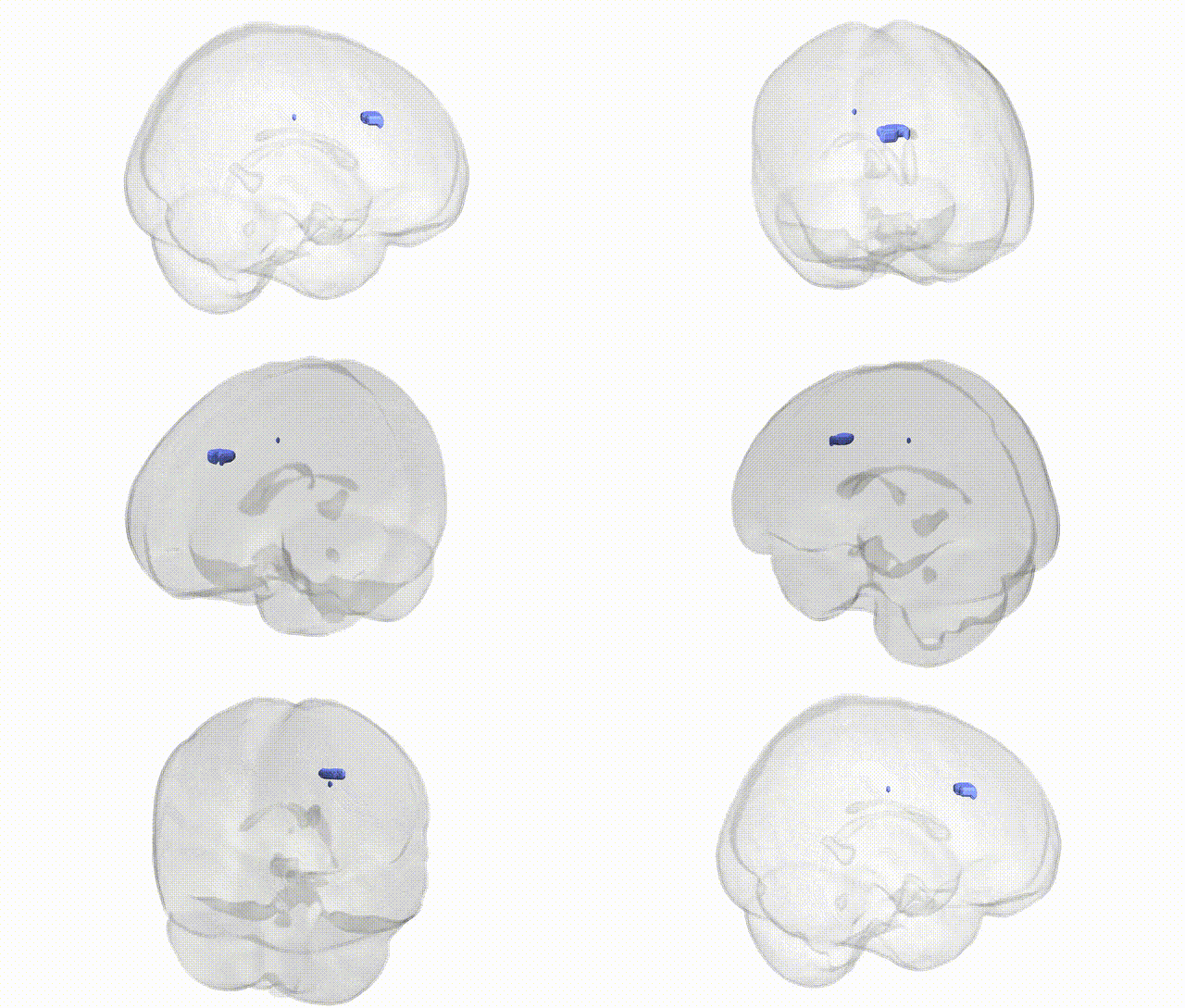
Full Quality Version: Download MP4
Wali Sidiqyar*, Gaurav Rudravaram*, Elyssa M. McMaster, Trent M. Schwartz, Adam M. Saunders, Kurt G. Schilling, Bennett A. Landman "Introducing SPINS: A Shared Public Visualization Library of Neuroanatomical Structures." Medical Imaging with Deep Learning- short paper
This resource is licensed under CC0 1.0 Universal (Public Domain).