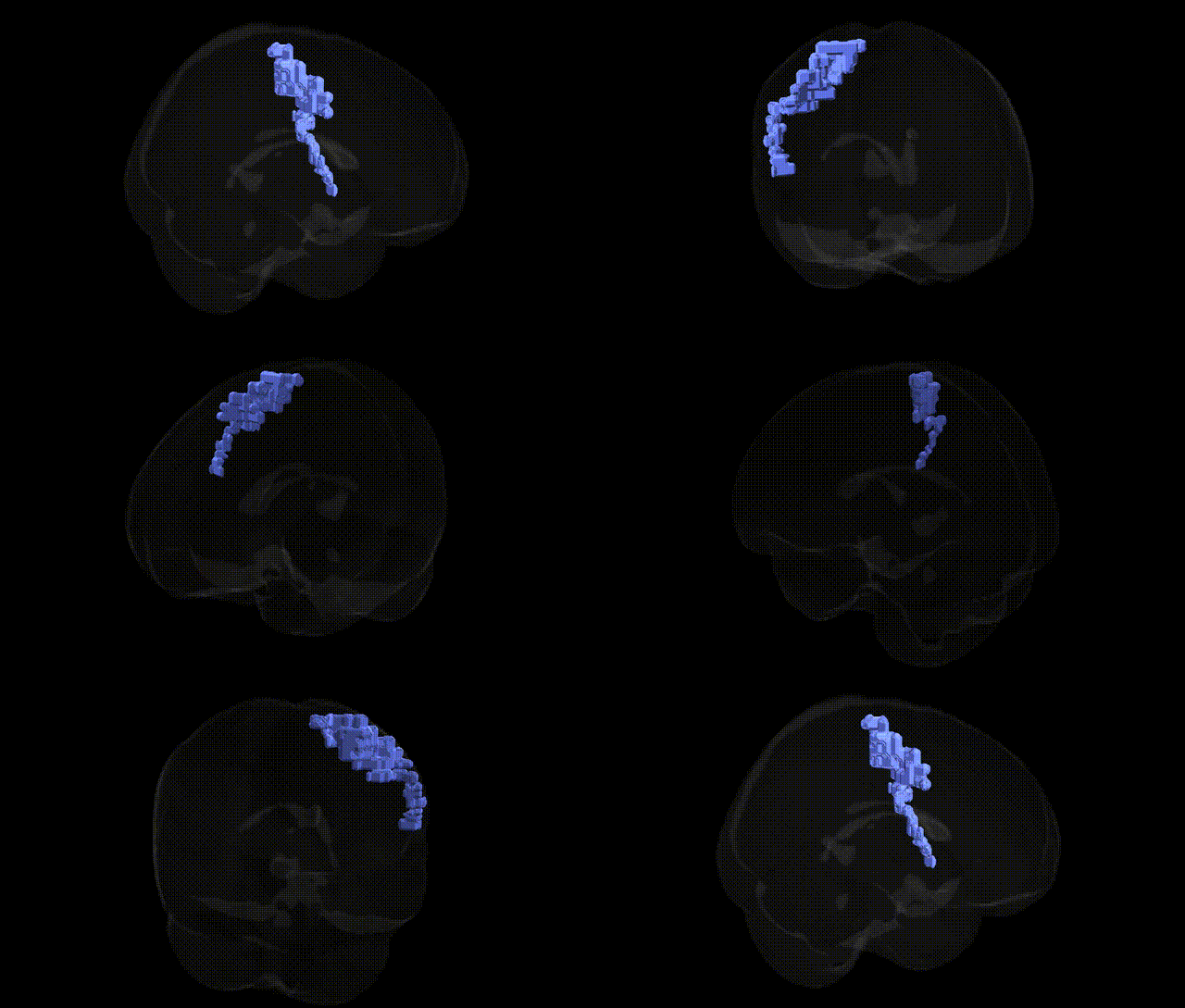
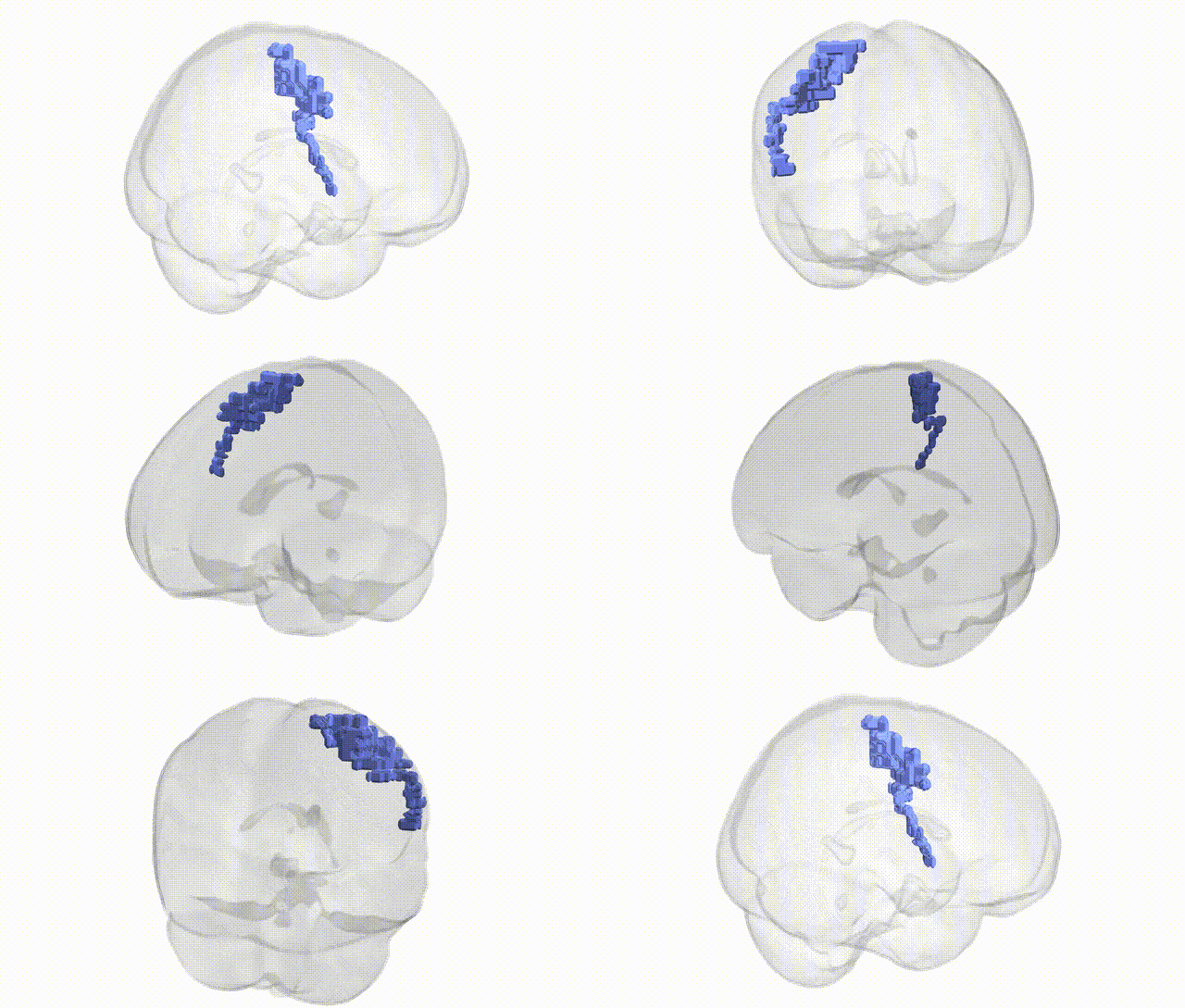
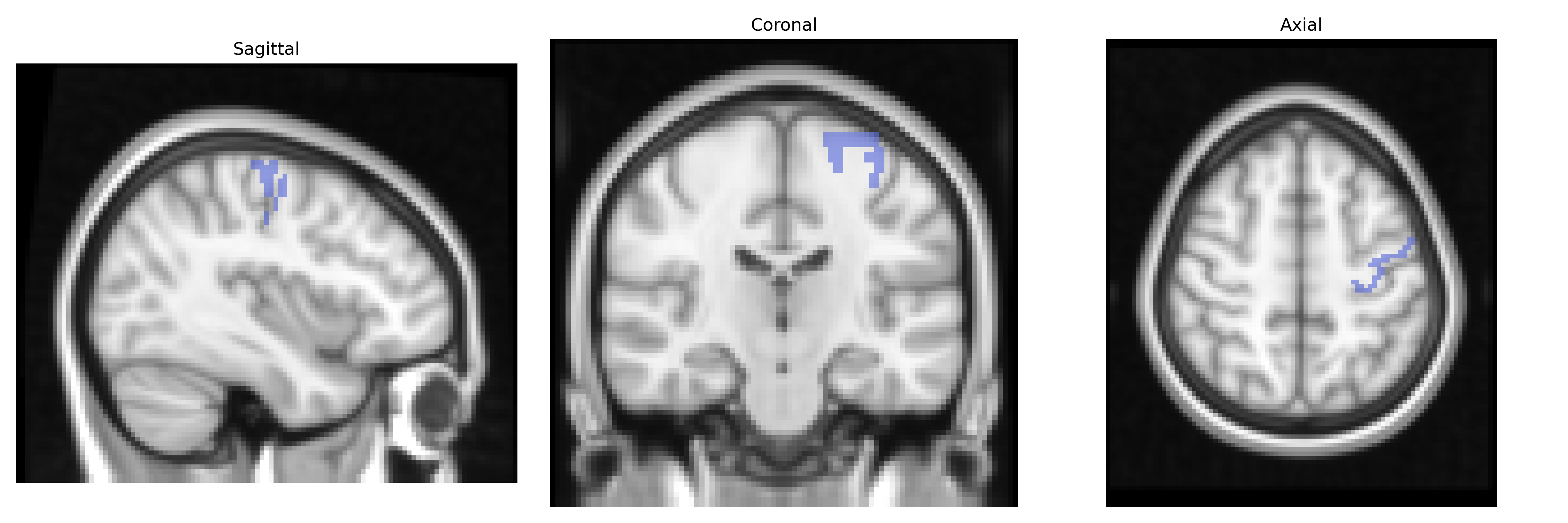
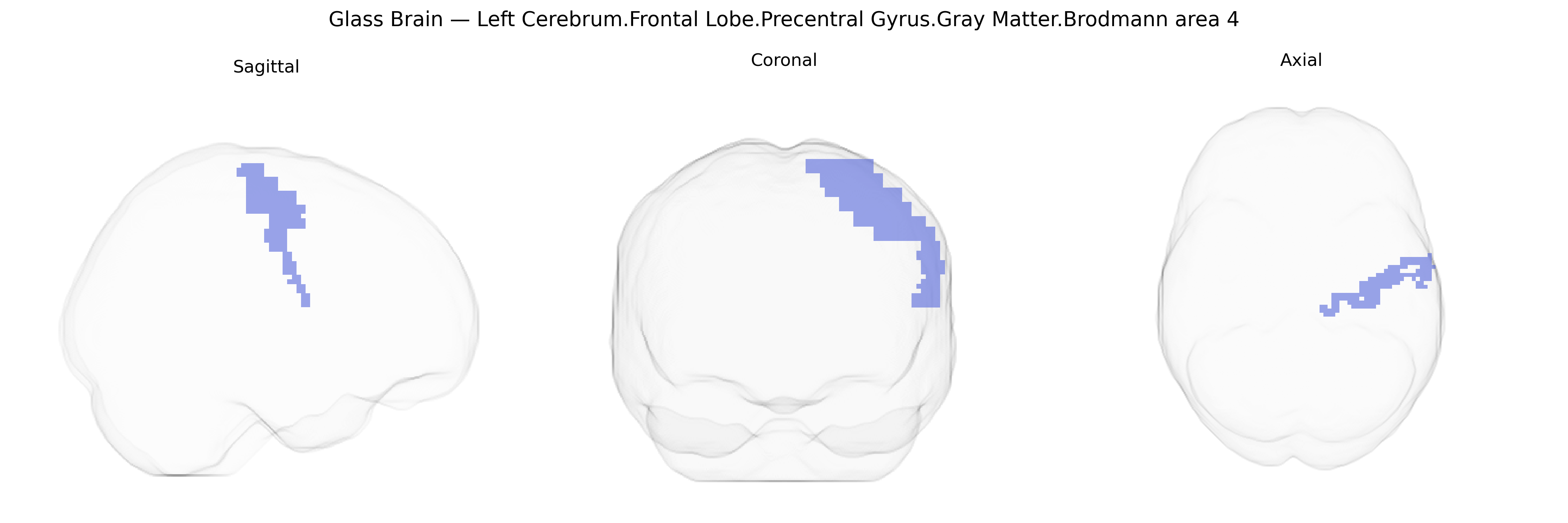
The bilateral Left Cerebrum.Frontal Lobe.Precentral Gyrus.Gray Matter.Brodmann area 4 corresponds to the primary motor cortex located in the precentral gyrus of the frontal lobe, specifically in Brodmann area 4. This cortical region contains large pyramidal neurons (Betz cells) in layer V and is critically involved in the initiation and execution of voluntary movements, with a somatotopic organization forming part of the motor homunculus. Neurons in this area send corticospinal and corticobulbar projections to spinal and brainstem motor nuclei, enabling fine control of distal musculature and modulation of muscle tone. Functionally, this region integrates inputs from premotor and supplementary motor areas and translates them into precise motor commands, and lesions here classically result in contralateral motor deficits such as weakness or paralysis. Primary motor cortex
Genetic associations involving the bilateral Left Cerebrum.Frontal Lobe.Precentral Gyrus.Gray Matter.Brodmann area 4 (primary motor cortex) primarily emerge from brain-imaging GWAS that link common variants to regional cortical thickness, surface area, and motor-related function. Large consortia such as ENIGMA and UK Biobank have identified loci near genes including MAPT, THBS1, WNT3, HMGA2, and microtubule/axon guidance genes that influence frontal and precentral cortical measures, with polygenic effects overlapping motor skills, general cognitive performance, and educational attainment. Variants in dopamine- and glutamate-related genes (e.g., DRD2, GRIN2B) and neurodevelopmental genes (e.g., FOXP2, CNTNAP2) have been associated with motor learning, speech articulation, and fine motor coordination, all functions critically involving Brodmann area 4. Motor cortex structure and activation patterns in this region show heritable alterations in neurodevelopmental and neurodegenerative disorders, including autism spectrum disorder, schizophrenia, and amyotrophic lateral sclerosis, where GWAS-implicated genes involved in synaptic plasticity, axonal transport (e.g., C9orf72, SOD1), and cortical excitability contribute to precentral gyrus abnormalities. Additionally, genetic risk for stroke, cerebral small vessel disease, and white matter integrity (e.g., variants in COL4A1/2, HDAC9) can indirectly affect Brodmann area 4 via vascular lesions and connectivity changes, and polygenic scores for handedness and motor lateralization show associations with asymmetric structural measures in the precentral gyrus, underscoring its role as a genetically modulated hub for voluntary motor control.
Overview generated by GPT-4o (2026).
Region ID: 808
Hemisphere: bilateral
Atlas: Talairach labels 2mm
Full Quality Version: Download MP4
Full Quality Version: Download MP4
Wali Sidiqyar*, Gaurav Rudravaram*, Elyssa M. McMaster, Trent M. Schwartz, Adam M. Saunders, Kurt G. Schilling, Bennett A. Landman "Introducing SPINS: A Shared Public Visualization Library of Neuroanatomical Structures." Medical Imaging with Deep Learning- short paper
This resource is licensed under CC0 1.0 Universal (Public Domain).