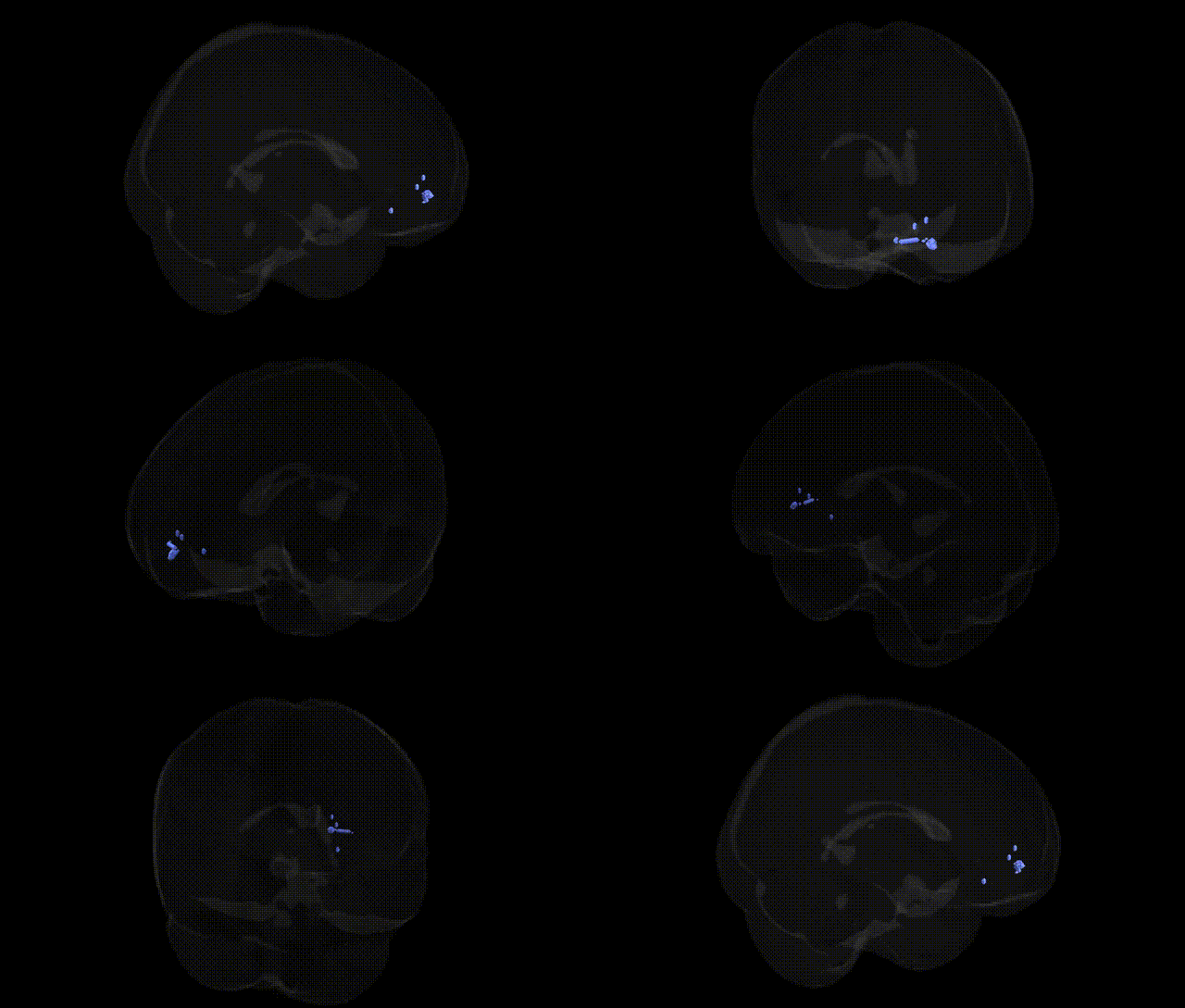
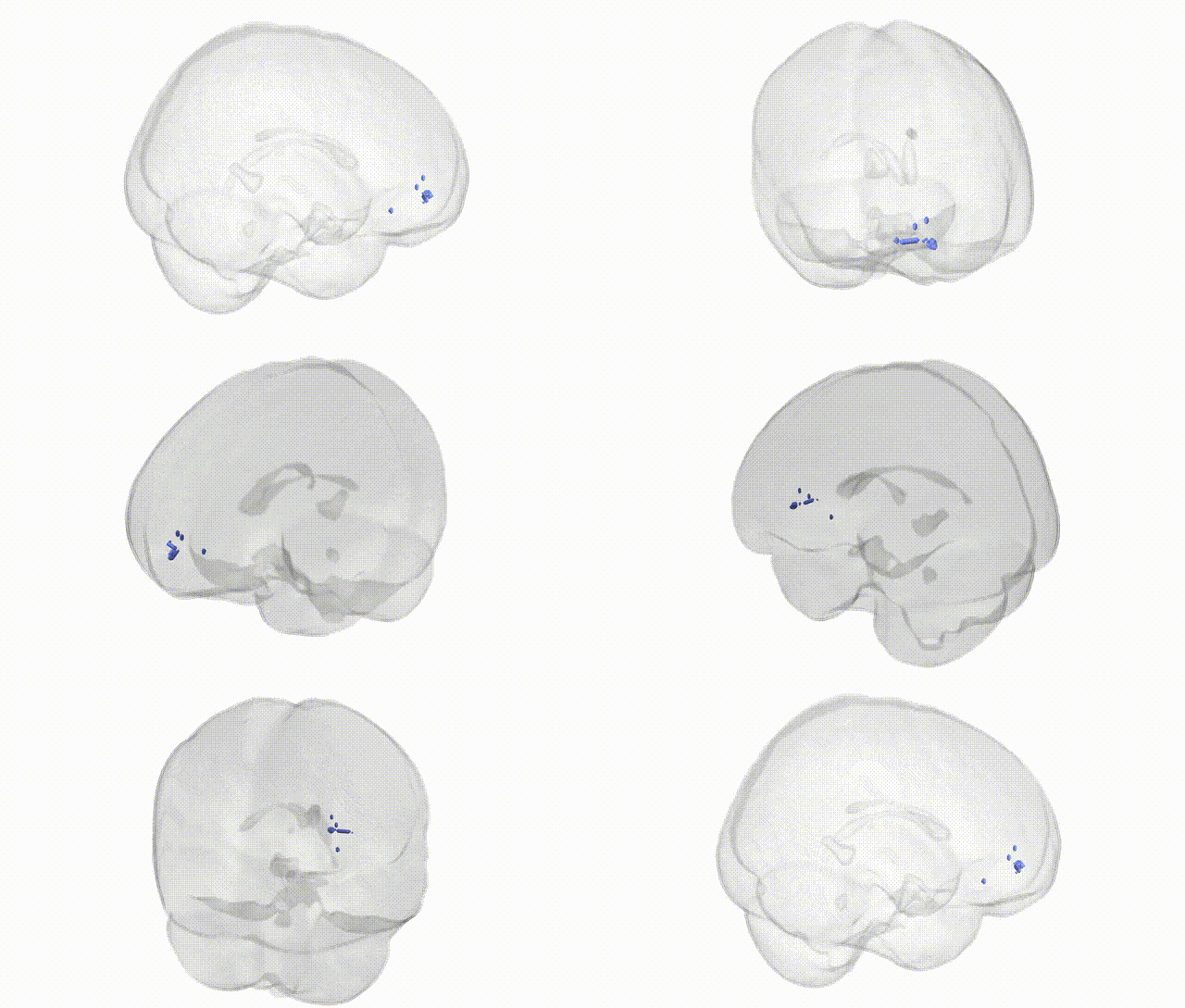
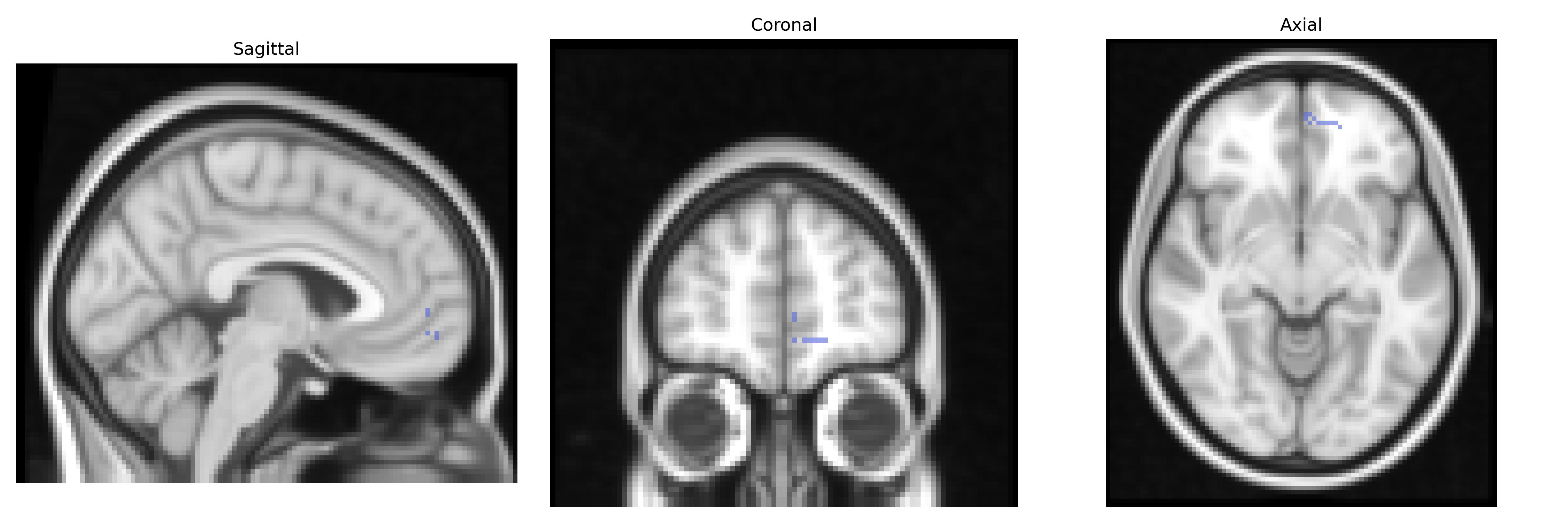
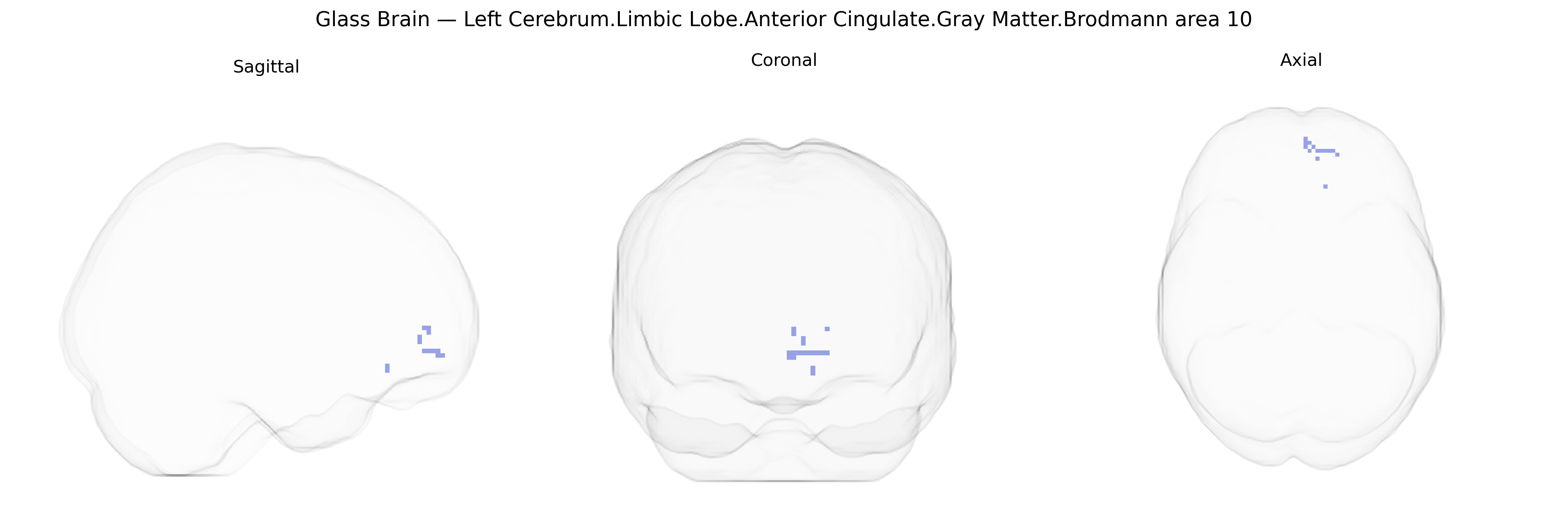
Bilateral Left Cerebrum.Limbic Lobe.Anterior Cingulate.Gray Matter.Brodmann area 10 refers to gray matter localized to the anterior cingulate sector that overlaps with or extends into the frontopolar cortex (BA10), a high-order association area situated at the most anterior part of the frontal lobe. Functionally, this region is implicated in complex cognitive processes such as prospective thinking, multitasking, and integration of emotional and motivational information into decision-making, while also interacting with limbic circuitry involved in affect regulation and autonomic control. Its anterior cingulate component contributes to performance monitoring, conflict detection, and regulation of attention, and is interconnected with prefrontal, parietal, and limbic structures, forming part of large-scale networks underlying executive control and emotional processing. There is no direct link for this exact composite label; a closely related structure is Anterior cingulate cortex.
The bilateral left cerebrum limbic lobe anterior cingulate gray matter in Brodmann area 10 (BA10), as defined in the Talairach 2 mm atlas, overlaps a frontopolar/anterior cingulate control region repeatedly implicated in imaging genetics and GWAS of psychiatric and cognitive traits. Common variants in genes regulating glutamatergic and monoaminergic signaling (e.g., COMT Val158Met, DRD2, 5-HTTLPR/HTR1A) and synaptic plasticity (e.g., BDNF Val66Met) have been associated with structural measures (gray matter volume, cortical thickness) and functional activation in BA10/anterior cingulate during executive control, emotional regulation, and decision-making tasks. Large-scale imaging GWAS (e.g., ENIGMA, UK Biobank) have identified polygenic influences on frontal pole and anterior cingulate morphology, with significant contributions from loci involved in neurodevelopmental pathways (e.g., genes in Wnt, axon-guidance, and calcium signaling pathways), although specific BA10-labeled associations are typically reported at the level of broader frontal or cingulate parcels rather than Talairach-defined subregions. Genetic risk for major depressive disorder, bipolar disorder, schizophrenia, ADHD, and autism spectrum disorder—captured via polygenic risk scores—has been linked to altered structure and connectivity in the anterior cingulate/BA10 region, consistent with its role in mood regulation, social cognition, and higher-order control. Furthermore, GWAS of traits such as neuroticism, cognitive performance, and risk-taking behavior show enrichment in genes whose variation modulates fronto-cingulate structure and function, indicating that BA10 within the anterior cingulate participates in a genetically influenced network underlying affective and executive phenotypes rather than exhibiting highly region-specific single-gene associations.
Overview generated by GPT-4o (2026).
Region ID: 405
Hemisphere: bilateral
Atlas: Talairach labels 2mm
Full Quality Version: Download MP4
Full Quality Version: Download MP4
Wali Sidiqyar*, Gaurav Rudravaram*, Elyssa M. McMaster, Trent M. Schwartz, Adam M. Saunders, Kurt G. Schilling, Bennett A. Landman "Introducing SPINS: A Shared Public Visualization Library of Neuroanatomical Structures." Medical Imaging with Deep Learning- short paper
This resource is licensed under CC0 1.0 Universal (Public Domain).