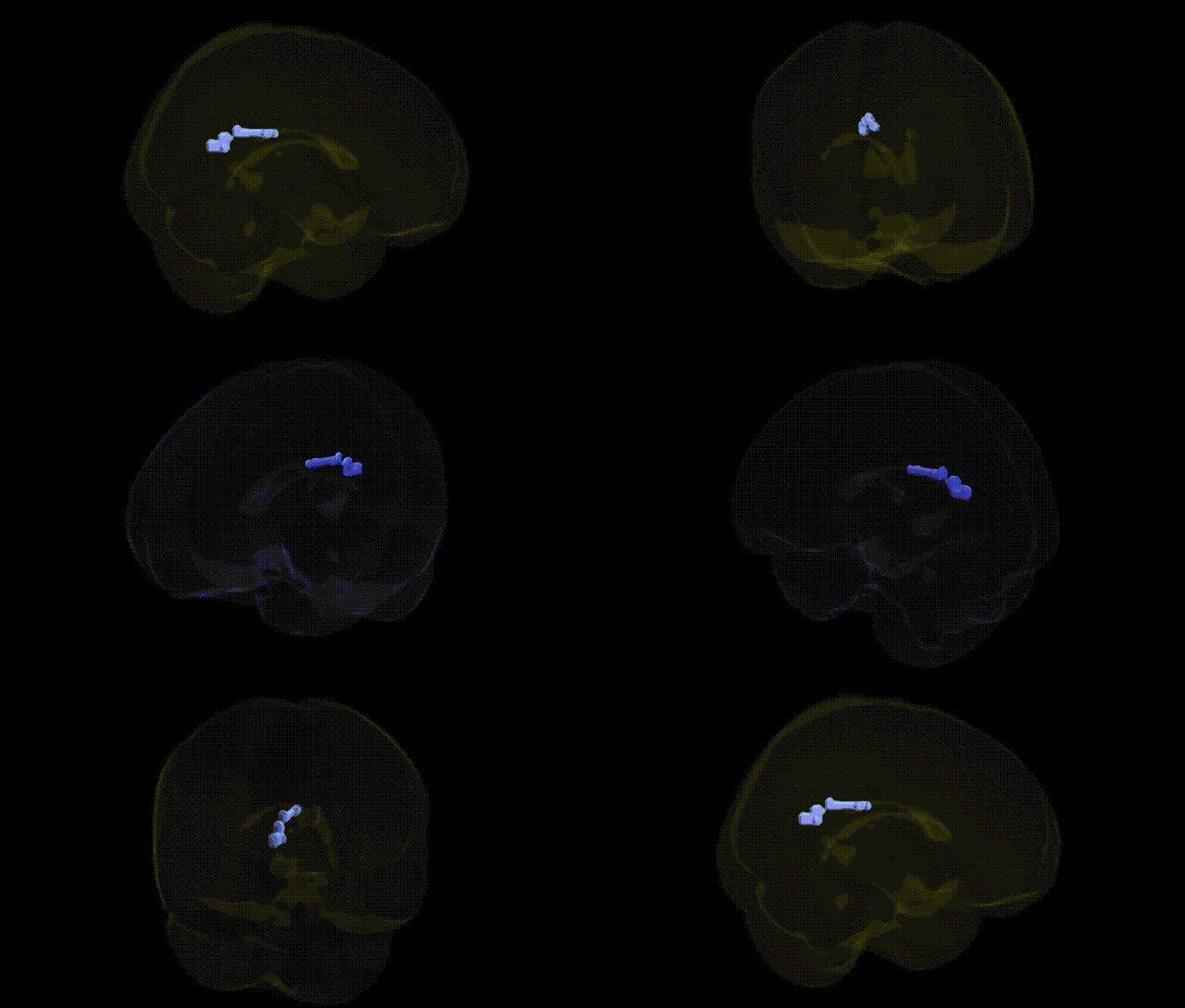
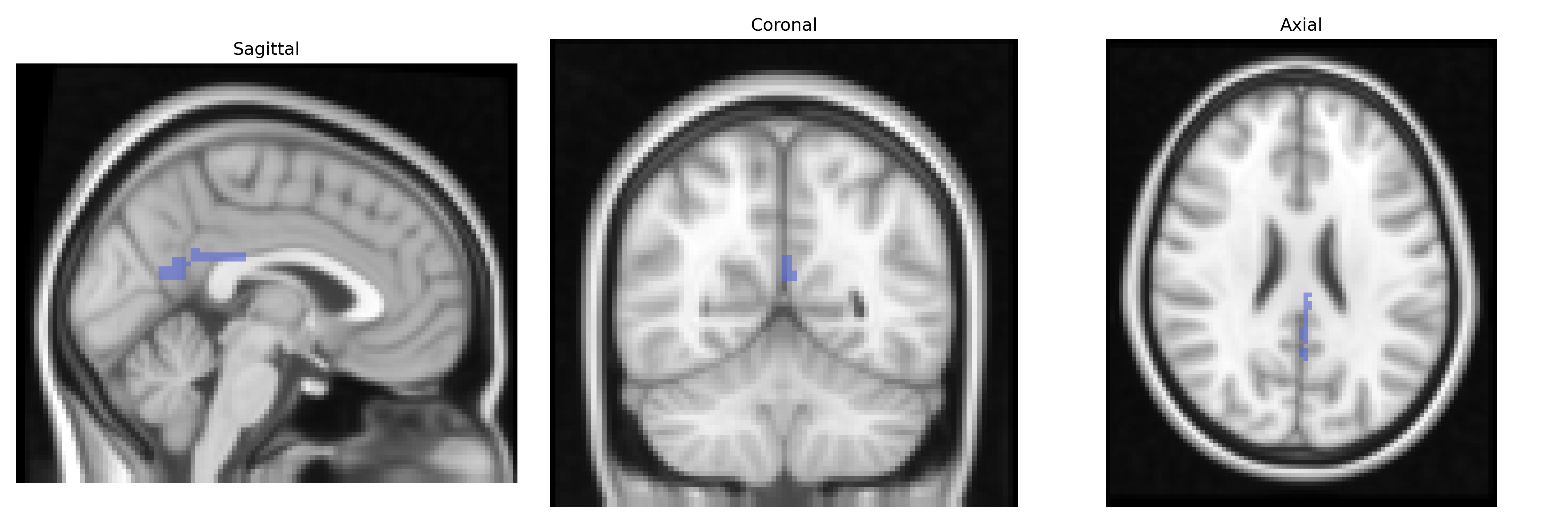
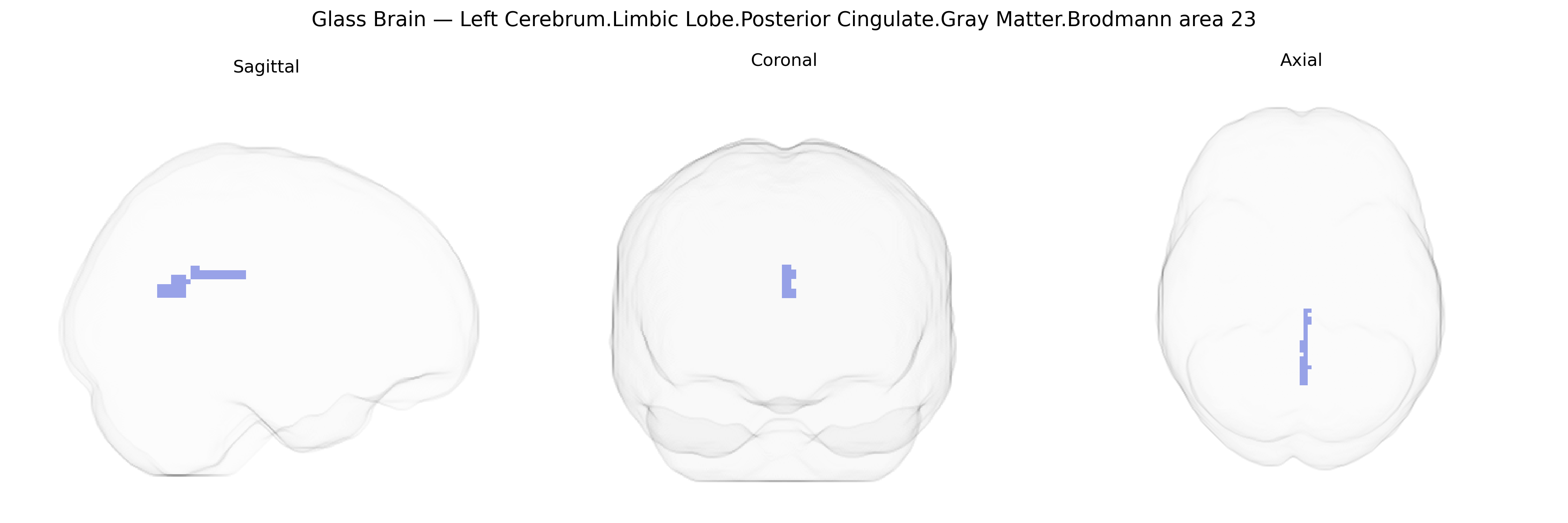
The bilateral Left Cerebrum.Limbic Lobe.Posterior Cingulate.Gray Matter.Brodmann area 23 corresponds to a portion of the posterior cingulate cortex (PCC), a limbic-associated region located on the medial surface of the cerebral hemispheres, bordering the corpus callosum. Brodmann area 23 is composed primarily of granular and agranular cortex and participates in integrating emotional, mnemonic, and visuospatial information. It is a key node of the default mode network, showing high metabolic activity at rest and deactivation during externally focused tasks. Functionally, BA23 is involved in autobiographical memory retrieval, self-referential processing, assessment of internally generated thoughts, and regulation of attention between internal and external stimuli. Structural and functional alterations in this region have been implicated in neuropsychiatric and neurodegenerative disorders, including Alzheimer’s disease, depression, and schizophrenia. There is no direct Wikipedia article for this exact Talairach-defined region; a closely related structure is the Posterior cingulate cortex.
The bilateral posterior cingulate cortex (PCC; Brodmann area 23 in the limbic lobe) is a core hub of the default mode network, and genetic associations with its gray matter volume, cortical thickness, and functional connectivity have emerged largely from neuroimaging GWAS mega-analyses rather than region-specific gene studies. Large consortia (e.g., ENIGMA, UK Biobank) have shown that PCC morphology and connectivity are highly heritable and influenced by numerous common variants of small effect, with polygenic architectures overlapping those for general cognitive ability, educational attainment, and neuropsychiatric disorders. Variants in genes involved in synaptic function, neurodevelopment, and myelination (such as those near MIR137, CACNA1C, GRIN2A, and others implicated in schizophrenia and mood disorders) show pleiotropic effects that include altered default mode network connectivity and PCC activity, especially in schizophrenia, major depression, and bipolar disorder, where PCC structural and functional abnormalities repeatedly appear in case–control imaging genetics studies. APOE ε4 and other Alzheimer’s disease risk variants have been linked to PCC hypometabolism, amyloid deposition, and network disruption, consistent with the PCC’s vulnerability in early Alzheimer’s, and polygenic risk for Alzheimer’s and related dementias correlates with PCC functional alterations in resting-state fMRI GWAS. Additional associations involve autism spectrum conditions, ADHD, and anxiety-related traits, where PCC connectivity and activation patterns show genetic correlation with symptom dimensions, but these findings are typically network-level rather than specific to Brodmann area 23, and no single gene or locus is uniquely or exclusively tied to this Talairach-defined region; instead, it participates in widely distributed, polygenically influenced brain–behavior networks.
Overview generated by GPT-4o (2026).
Region ID: 762
Hemisphere: bilateral
Atlas: Talairach labels 2mm
Full Quality Version: Download MP4
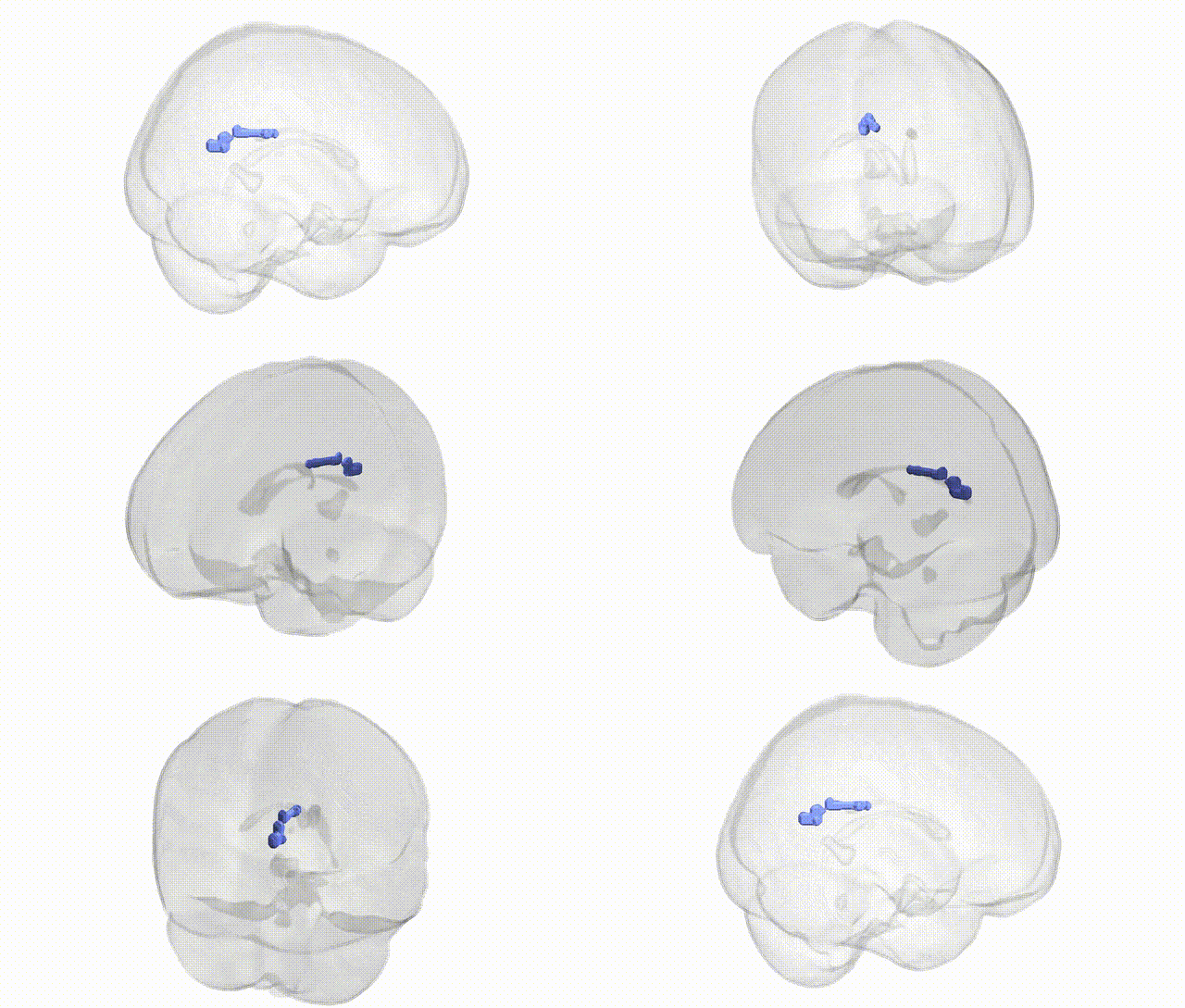
Full Quality Version: Download MP4
Wali Sidiqyar*, Gaurav Rudravaram*, Elyssa M. McMaster, Trent M. Schwartz, Adam M. Saunders, Kurt G. Schilling, Bennett A. Landman "Introducing SPINS: A Shared Public Visualization Library of Neuroanatomical Structures." Medical Imaging with Deep Learning- short paper
This resource is licensed under CC0 1.0 Universal (Public Domain).