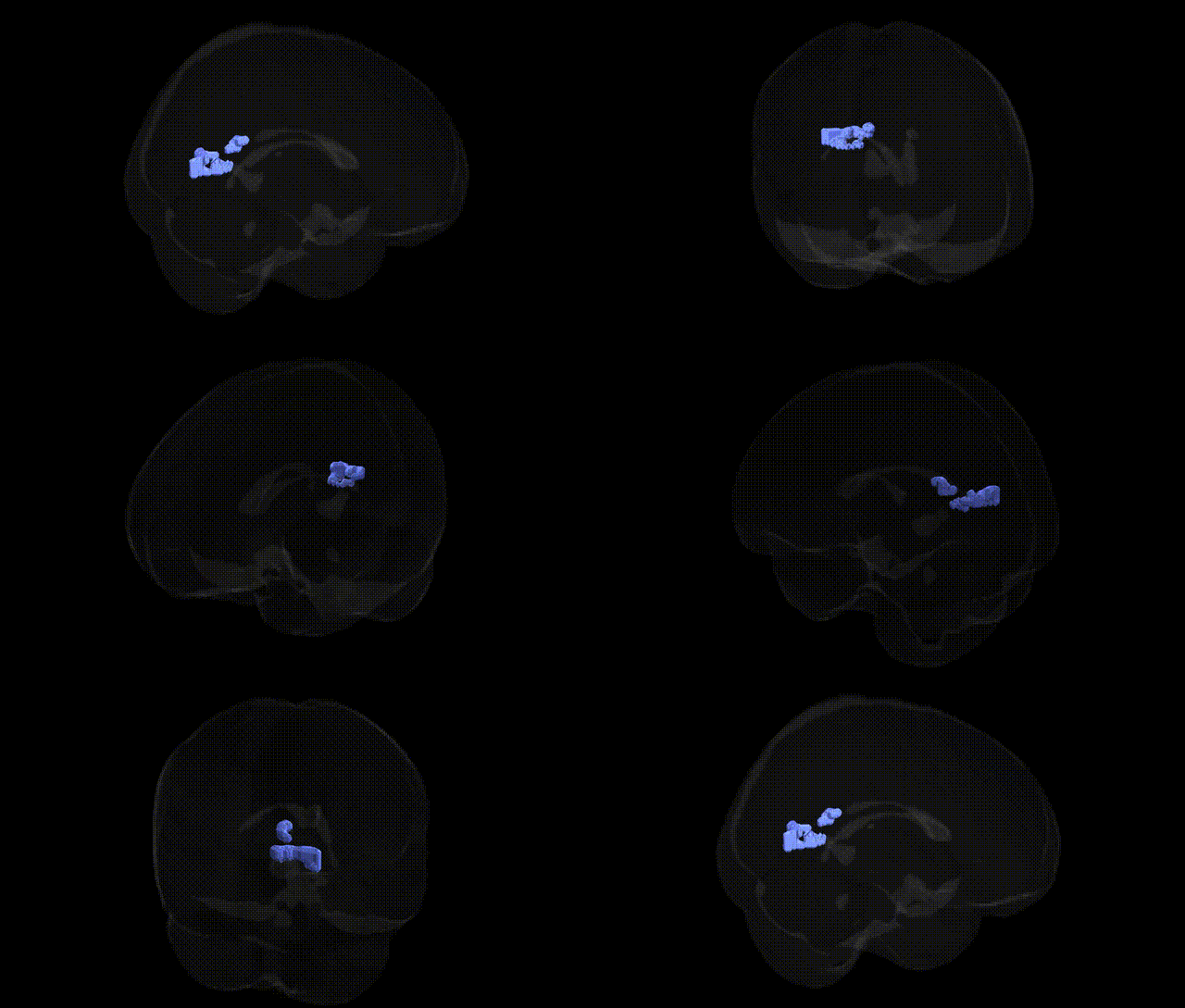
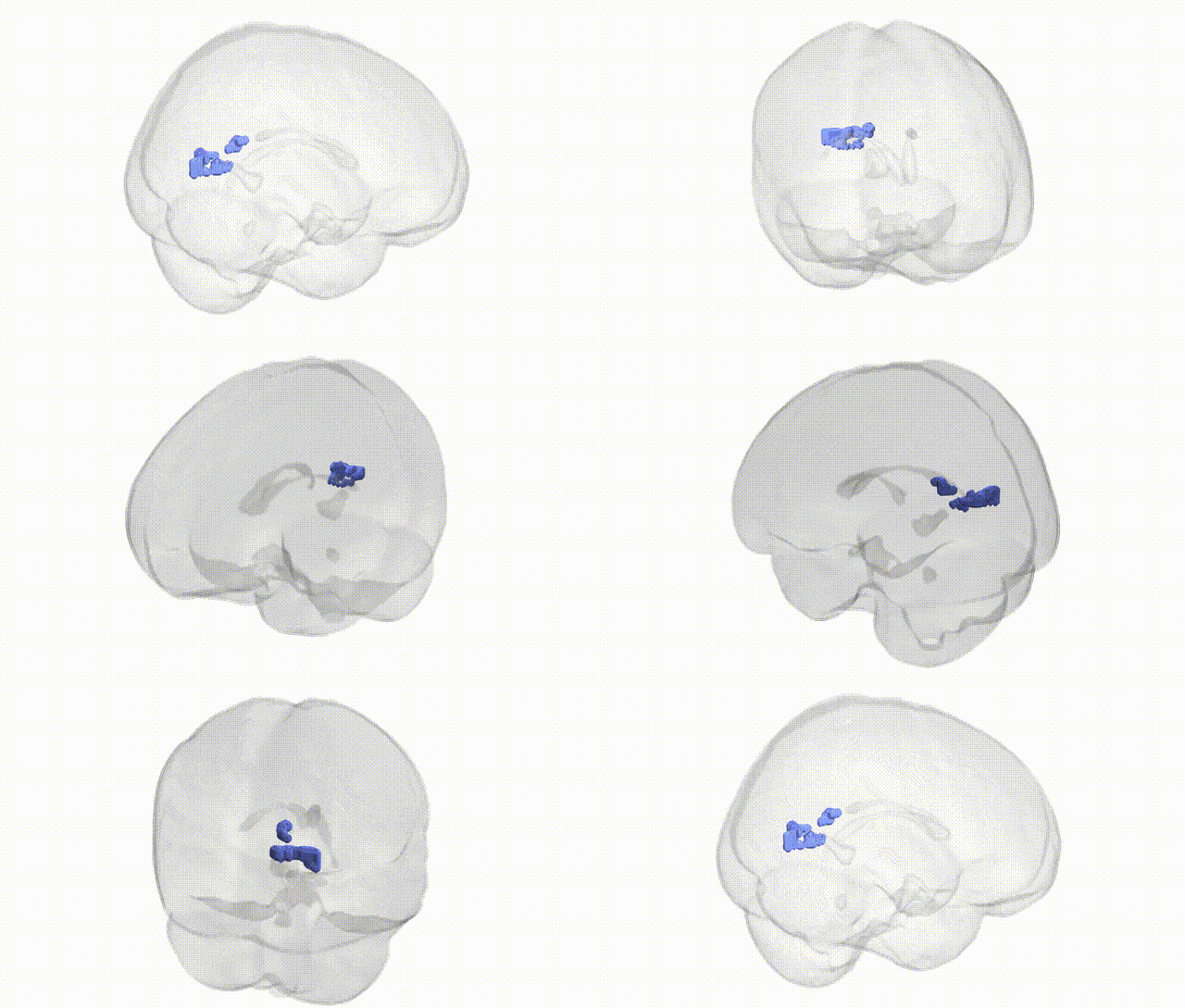
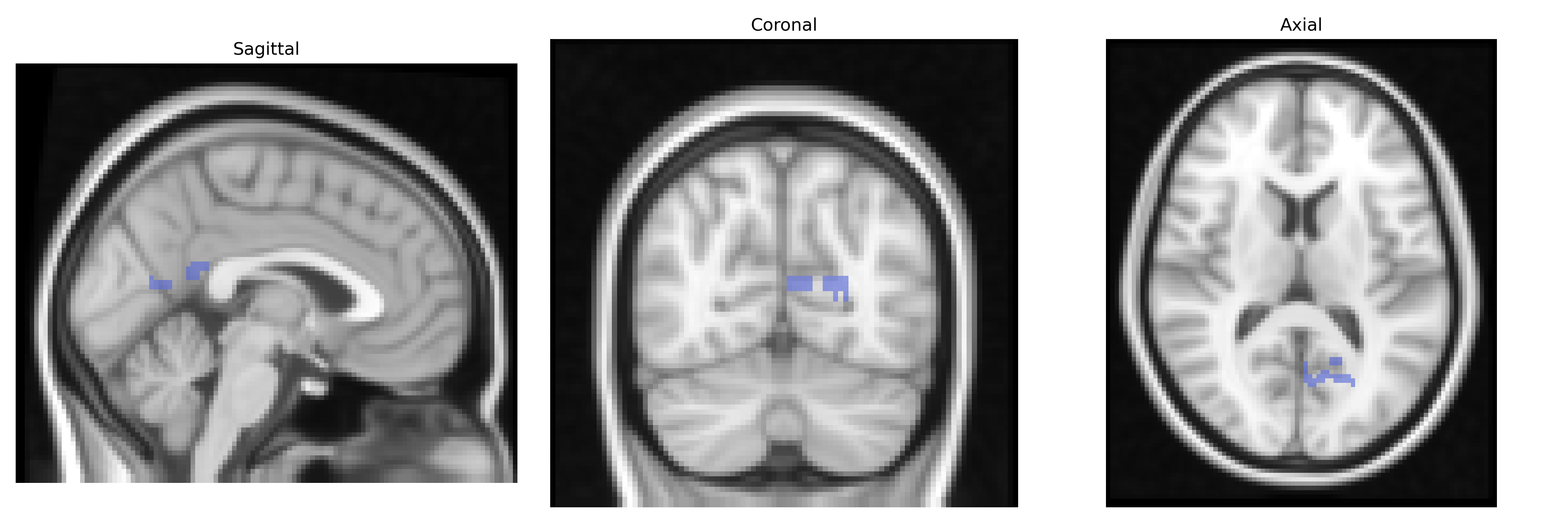
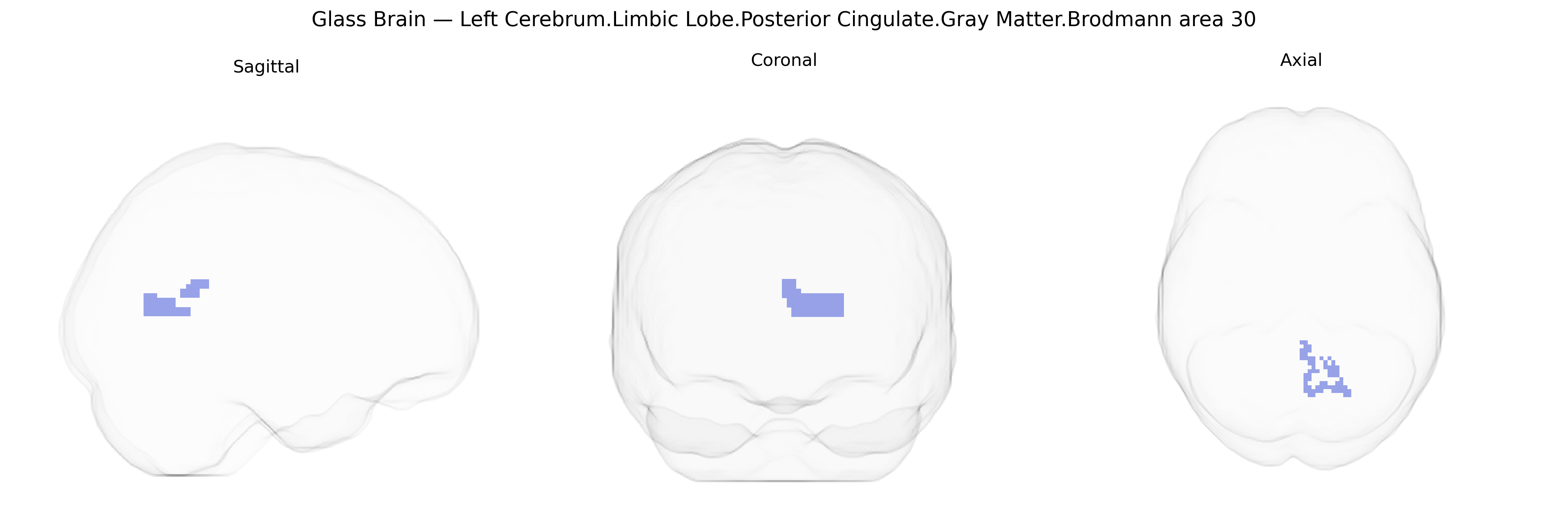
Bilateral Left Cerebrum Limbic Lobe Posterior Cingulate Gray Matter Brodmann area 30 corresponds to a retrosplenial cortex region located in the medial aspect of the parietal-limbic transition zone, posterior to the corpus callosum. Brodmann area 30 is part of the posterior cingulate/retrosplenial complex, characterized by granular cortex and dense connectivity with the hippocampal formation, parahippocampal gyrus, and medial prefrontal regions. Functionally, this area participates in episodic memory, spatial navigation, scene processing, and is implicated in the default mode network and internally directed cognition. Although altered activity in this region has been reported in neurodegenerative and psychiatric conditions, its precise functional specialization remains an active area of research. There is no direct link for Brodmann area 30; a related structure is the Retrosplenial cortex.
Genetic associations specifically targeting the bilateral Left Cerebrum Limbic Lobe Posterior Cingulate gray matter Brodmann area 30 (BA30) are limited, but this retrosplenial/posterior cingulate region has been repeatedly implicated in imaging genetics and GWAS of brain structure and function. Large-scale neuroimaging GWAS (e.g., ENIGMA, UK Biobank) have identified common variants affecting cortical thickness, surface area, and volume in posterior cingulate/retrosplenial cortex, including loci near genes involved in synaptic plasticity (such as BDNF), neurodevelopment (e.g., genes in Wnt and axon guidance pathways), and myelination; however, these studies generally report regional measures (posterior cingulate or retrosplenial cortex) rather than fine-grained Talairach BA30-specific associations. Polygenic risk for Alzheimer’s disease (notably APOE ε4 and variants in CLU, PICALM, CR1 and others) has been associated with altered posterior cingulate metabolism, connectivity, and atrophy, and this region—including BA30—shows early disease-related hypometabolism and structural change. Genetic risk for schizophrenia, major depressive disorder, and bipolar disorder has been linked to connectivity and default mode network abnormalities involving the posterior cingulate/retrosplenial area, though individual risk loci are not uniquely tied to BA30. GWAS of cognitive traits (memory, navigation, and general cognitive ability) and of resting-state functional connectivity have also implicated posterior cingulate/retrosplenial networks, suggesting polygenic influences on this hub of the default mode and memory/navigation circuits, but current evidence supports broader regional and network-level genetic effects rather than highly specific associations confined to Brodmann area 30 as defined in the Talairach labels 2 mm atlas.
Overview generated by GPT-4o (2026).
Region ID: 663
Hemisphere: bilateral
Atlas: Talairach labels 2mm
Full Quality Version: Download MP4
Full Quality Version: Download MP4
Wali Sidiqyar*, Gaurav Rudravaram*, Elyssa M. McMaster, Trent M. Schwartz, Adam M. Saunders, Kurt G. Schilling, Bennett A. Landman "Introducing SPINS: A Shared Public Visualization Library of Neuroanatomical Structures." Medical Imaging with Deep Learning- short paper
This resource is licensed under CC0 1.0 Universal (Public Domain).