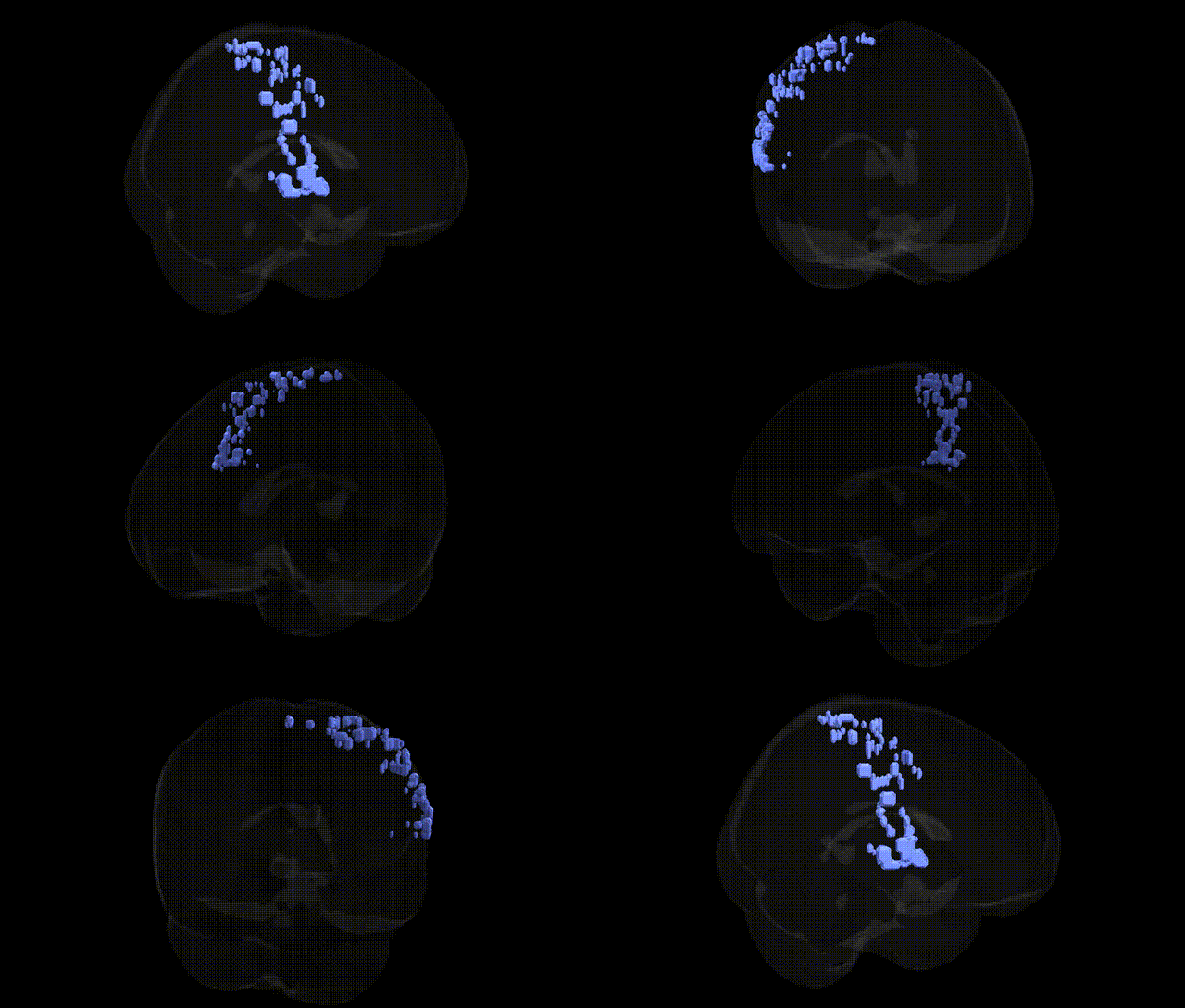
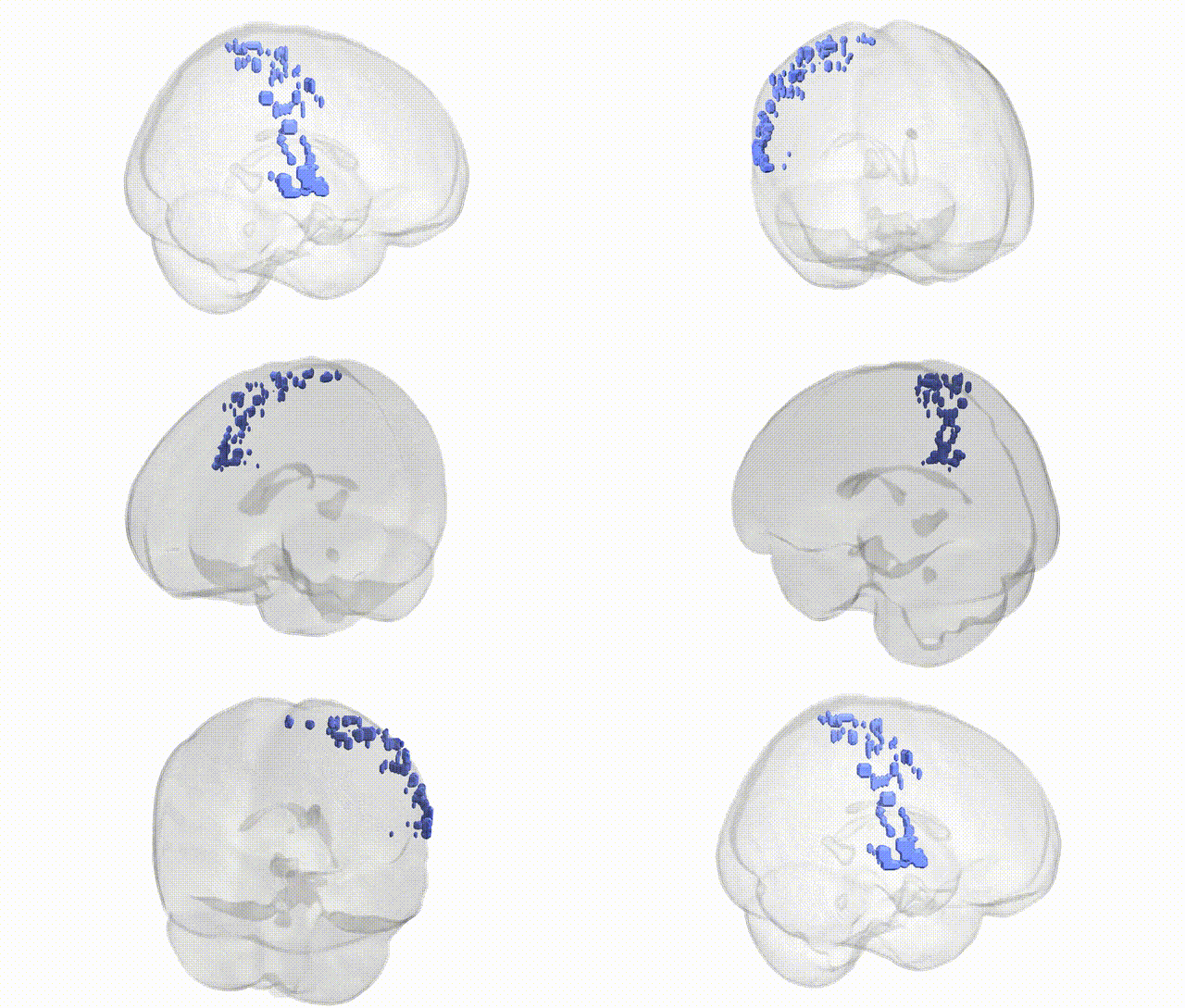
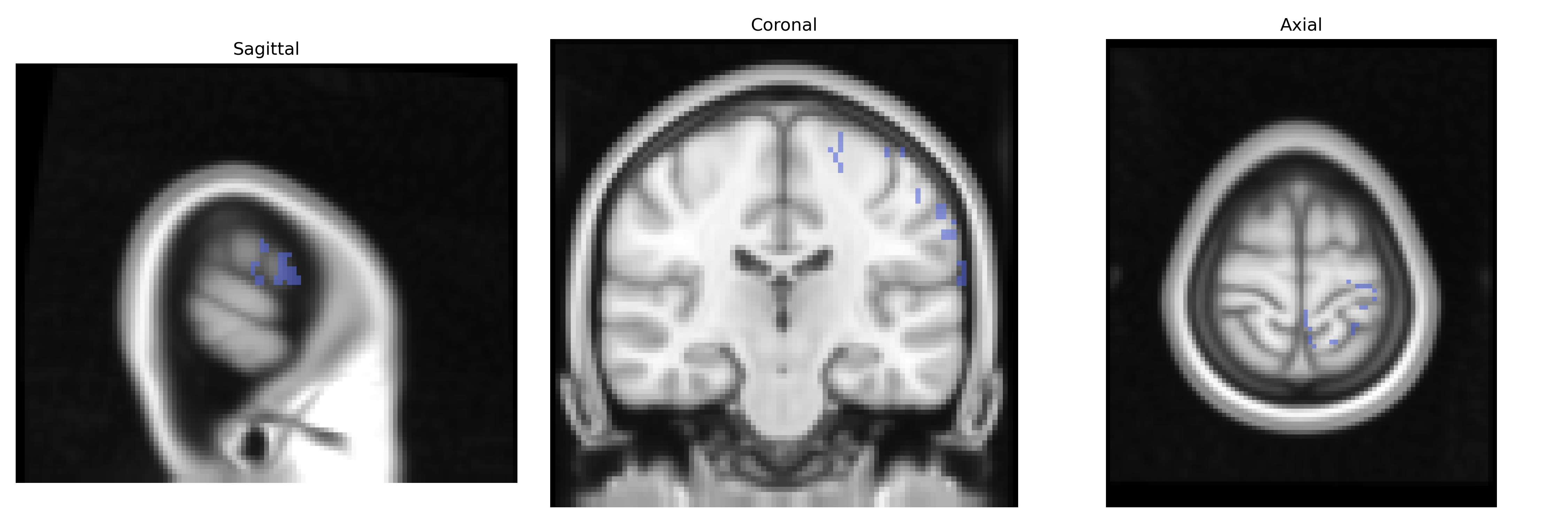
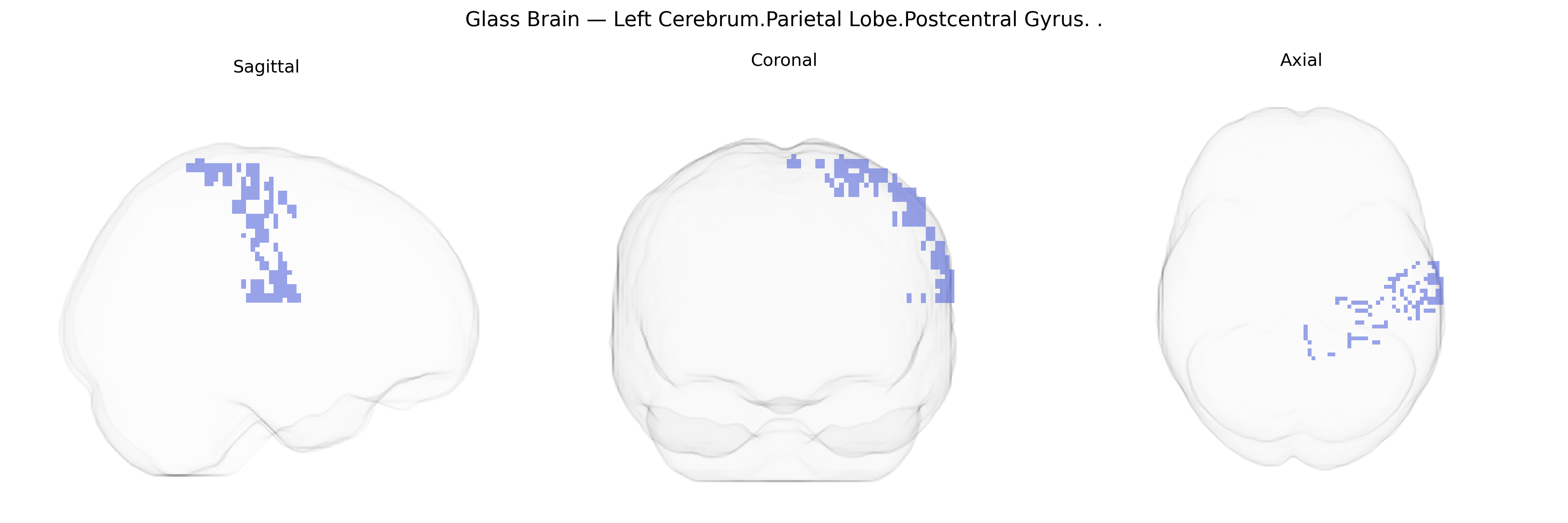
The bilateral Left Cerebrum.Parietal Lobe.Postcentral Gyrus corresponds to the primary somatosensory cortex (S1), located in the parietal lobe immediately posterior to the central sulcus. This region is organized somatotopically, forming part of the cortical “homunculus,” and is crucial for processing tactile, proprioceptive, pain, and temperature information from the contralateral side of the body. Neurons in the postcentral gyrus receive thalamic input from the ventral posterior nuclei and contribute to conscious perception of touch and body position, discrimination of stimulus location and intensity, and integration of somatic sensory signals for guiding motor actions. The bilateral representation reflects homologous areas in both hemispheres, supporting symmetrical somatosensory processing and interhemispheric integration. Postcentral gyrus
The Left Cerebrum Parietal Lobe Postcentral Gyrus, corresponding largely to primary somatosensory cortex (S1; Brodmann areas 1–3), has been implicated in genetic studies through both structural and functional phenotypes, although findings are typically reported at the level of broader parietal and sensorimotor regions rather than the specific Talairach 2 mm label. Twin and family-based imaging genetics work shows high heritability of cortical thickness, surface area, and gyrification in postcentral regions, with variants in genes involved in neurodevelopment and synaptic function (e.g., cell-adhesion molecules, axon guidance, and calcium-channel genes) contributing to variance in somatosensory cortex structure. GWAS from large consortia such as ENIGMA and UK Biobank have associated common variants near genes including HMGA2, KIAA0586, and others with global or regional cortical surface area and thickness that encompass the parietal/postcentral territory, and polygenic scores for overall brain size and cortical morphology show effects in this region. Functionally, the postcentral gyrus is frequently implicated in imaging genetics studies of pain sensitivity and tactile perception, with variants in COMT, OPRM1 and other pain-related genes modulating S1 activation and somatosensory responses, though these are often candidate-gene designs rather than large GWAS. Neuropsychiatric and neurodevelopmental disorder GWAS (e.g., autism spectrum disorder, schizophrenia, ADHD) have identified risk variants that, in imaging-genetic follow-ups, are associated with atypical somatosensory cortex structure or activation, especially in ASD where altered postcentral morphology and connectivity co-occur with risk variants in synaptic and chromatin-remodeling genes. In motor and movement disorders, including dystonia and Parkinson’s disease, genetic risk has been linked to sensorimotor network reorganization involving postcentral cortex, though specific locus-to-region mappings remain indirect. Overall, genetic associations with the postcentral gyrus are best characterized through heritable structural metrics and network-level GWAS findings, with this region acting as a somatosensory hub affected by polygenic influences on cortical development, pain processing, and neurodevelopmental risk, rather than through single-gene effects uniquely tied to the bilateral Left Cerebrum Parietal Lobe Postcentral Gyrus Talairach label.
Overview generated by GPT-4o (2026).
Region ID: 773
Hemisphere: bilateral
Atlas: Talairach labels 2mm
Full Quality Version: Download MP4
Full Quality Version: Download MP4
Wali Sidiqyar*, Gaurav Rudravaram*, Elyssa M. McMaster, Trent M. Schwartz, Adam M. Saunders, Kurt G. Schilling, Bennett A. Landman "Introducing SPINS: A Shared Public Visualization Library of Neuroanatomical Structures." Medical Imaging with Deep Learning- short paper
This resource is licensed under CC0 1.0 Universal (Public Domain).