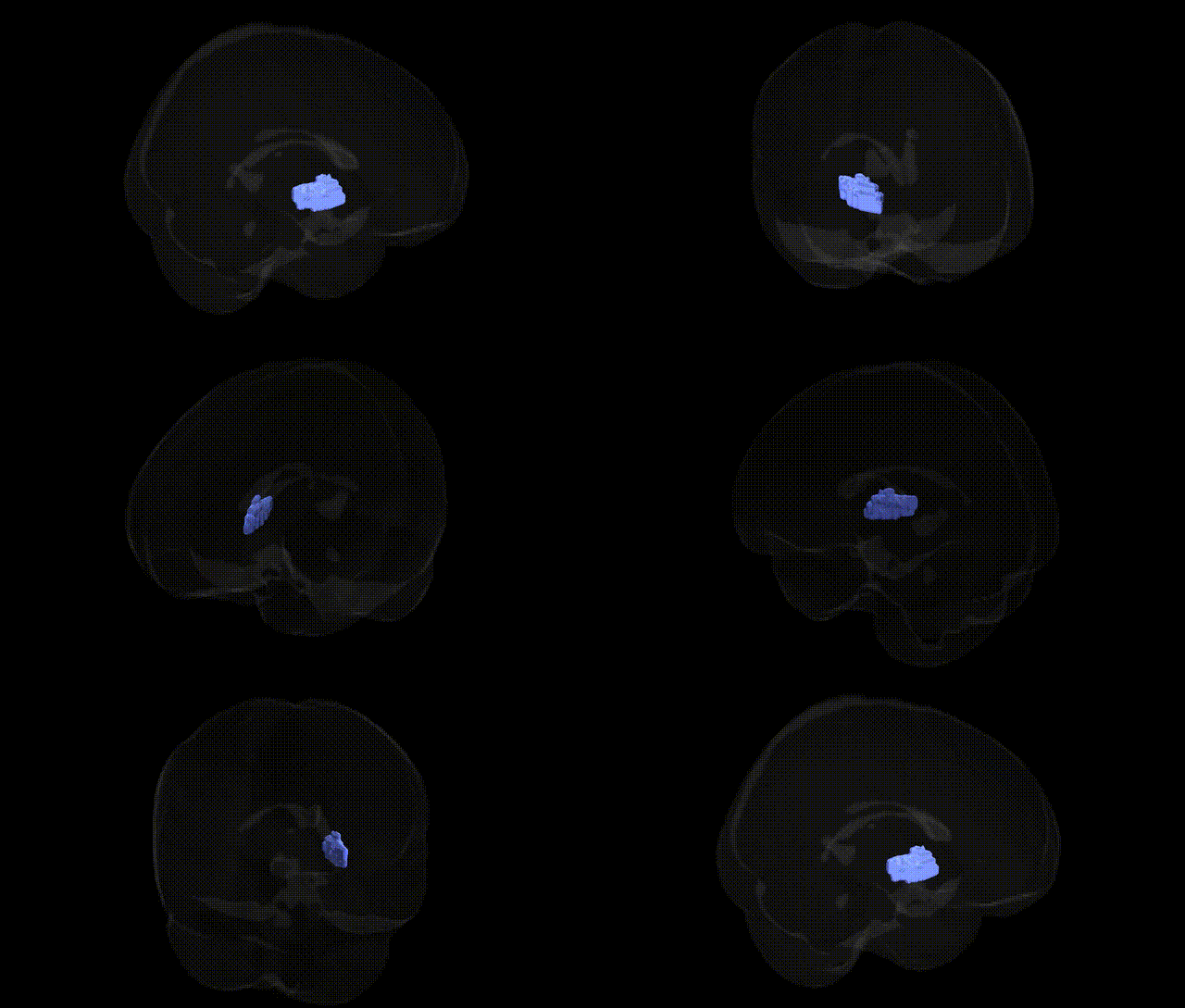
The bilateral Left Cerebrum.Sub-lobar.Lentiform Nucleus.Gray Matter.Lateral Globus Pallidus corresponds to the lateral segment of the globus pallidus, a major inhibitory nucleus of the basal ganglia situated within the lentiform nucleus of the subcortical gray matter. This structure is primarily composed of GABAergic projection neurons that integrate input from the striatum and relay inhibitory signals to downstream basal ganglia nuclei, including the subthalamic nucleus and internal segment of the globus pallidus, thereby contributing critically to the regulation of voluntary movement, muscle tone, and motor learning. Functionally, the lateral globus pallidus participates in the indirect pathway of basal ganglia circuitry, modulating cortical motor output and helping to prevent unwanted or excessive movements; its dysfunction is implicated in movement disorders such as Parkinson’s disease, dystonia, and Huntington’s disease. There is no direct Wikipedia article for the lateral globus pallidus; a closely related structure is the Globus pallidus.
Genetic associations involving the bilateral Left Cerebrum.Sub-lobar.Lentiform Nucleus.Gray Matter.Lateral Globus Pallidus (as defined in the Talairach 2 mm atlas) largely derive from studies of the basal ganglia and pallidal circuits in movement and neuropsychiatric disorders. Genome-wide association studies (GWAS) of Parkinson’s disease, dystonia, and other movement disorders have repeatedly implicated genes involved in dopaminergic signaling and synaptic regulation (such as SNCA, LRRK2, GBA, and TOR1A), whose functional impact includes altered activity and structural changes in pallidal regions. In Huntington’s disease, the globus pallidus is a key site of neurodegeneration, with expanded CAG repeats in HTT driving early and progressive basal ganglia pathology. Pallidal volume and microstructure have been linked to common genetic variation in large neuroimaging GWAS, with loci related to neurodevelopment and neuronal growth (e.g., variants near genes such as DCC, KTN1, and others implicated in brain morphology) contributing to individual differences in globus pallidus size and connectivity. In neuropsychiatric traits including obsessive–compulsive disorder, Tourette syndrome, and schizophrenia, risk variants in genes affecting cortico-striato-pallido-thalamic circuitry (e.g., in glutamatergic and GABAergic pathways) show convergent evidence through imaging–genetics studies, where carriers exhibit abnormal pallidal activation or volumes. Additionally, GWAS of cognitive function and personality have identified variants associated with basal ganglia structure and function, suggesting that genetic influences on the lateral globus pallidus contribute not only to motor control but also to higher-order behavioral and cognitive traits.
Overview generated by GPT-4o (2026).
Region ID: 452
Hemisphere: bilateral
Atlas: Talairach labels 2mm
Full Quality Version: Download MP4
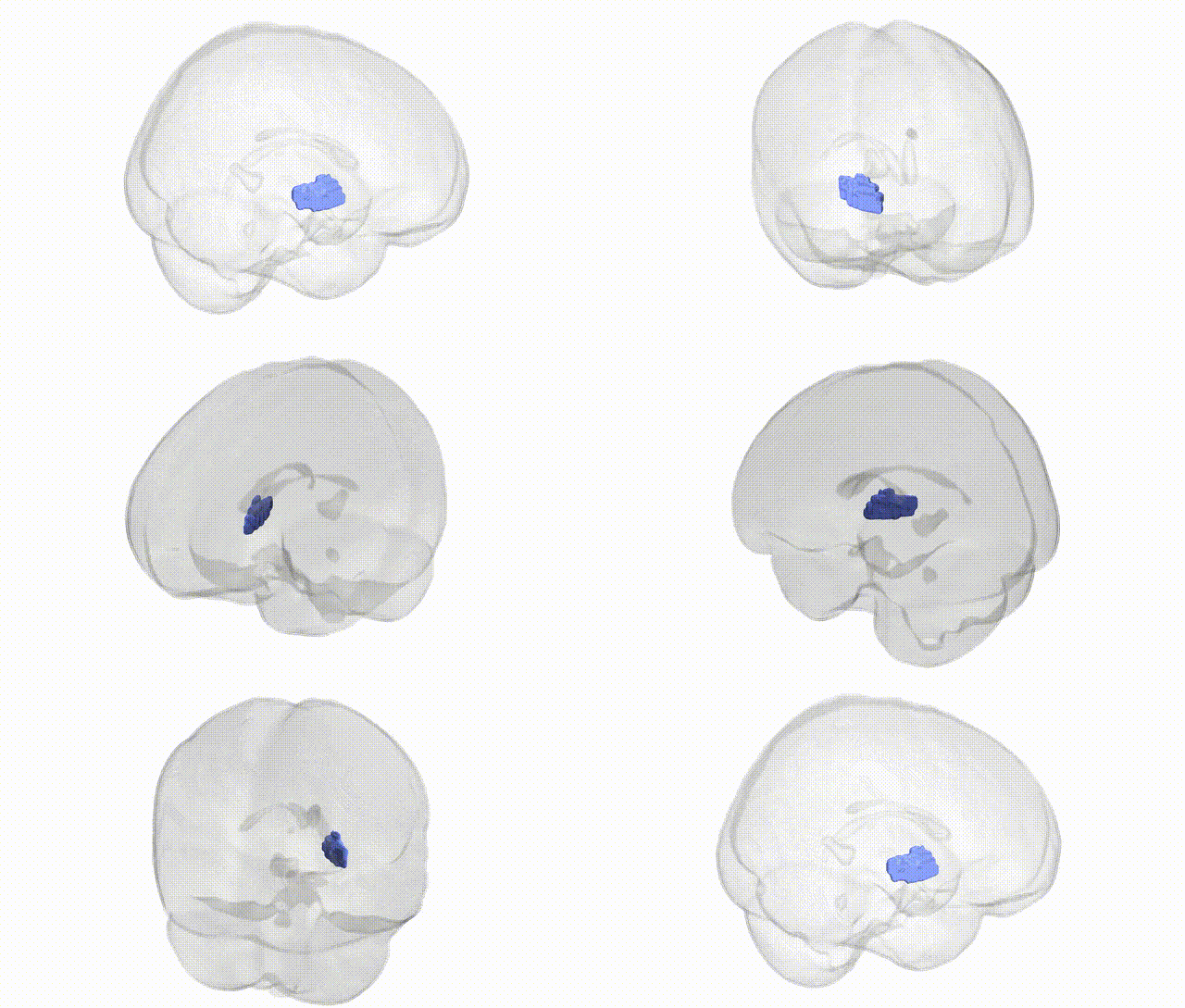
Full Quality Version: Download MP4
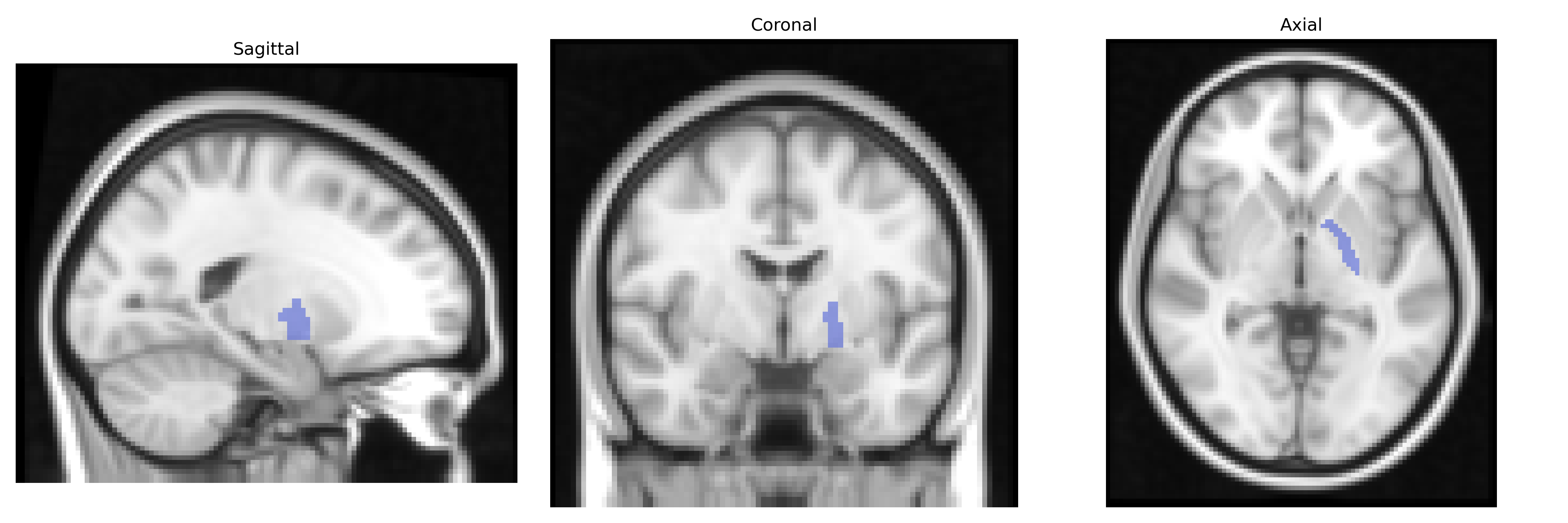
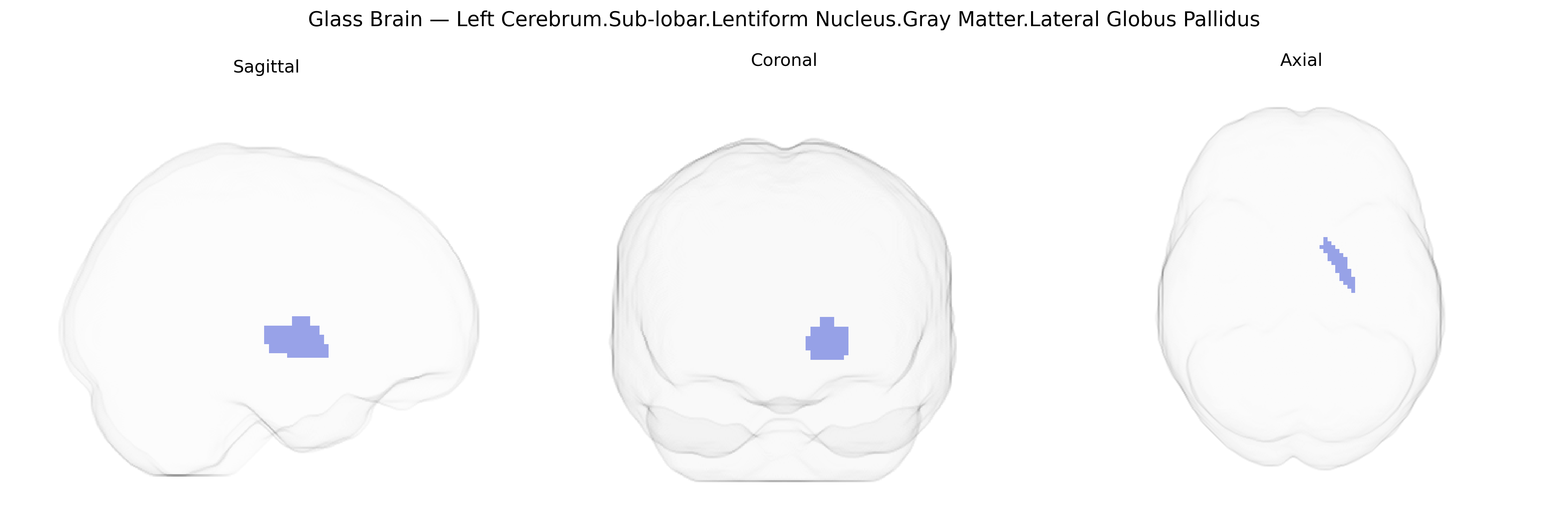
Wali Sidiqyar*, Gaurav Rudravaram*, Elyssa M. McMaster, Trent M. Schwartz, Adam M. Saunders, Kurt G. Schilling, Bennett A. Landman "Introducing SPINS: A Shared Public Visualization Library of Neuroanatomical Structures." Medical Imaging with Deep Learning- short paper
This resource is licensed under CC0 1.0 Universal (Public Domain).