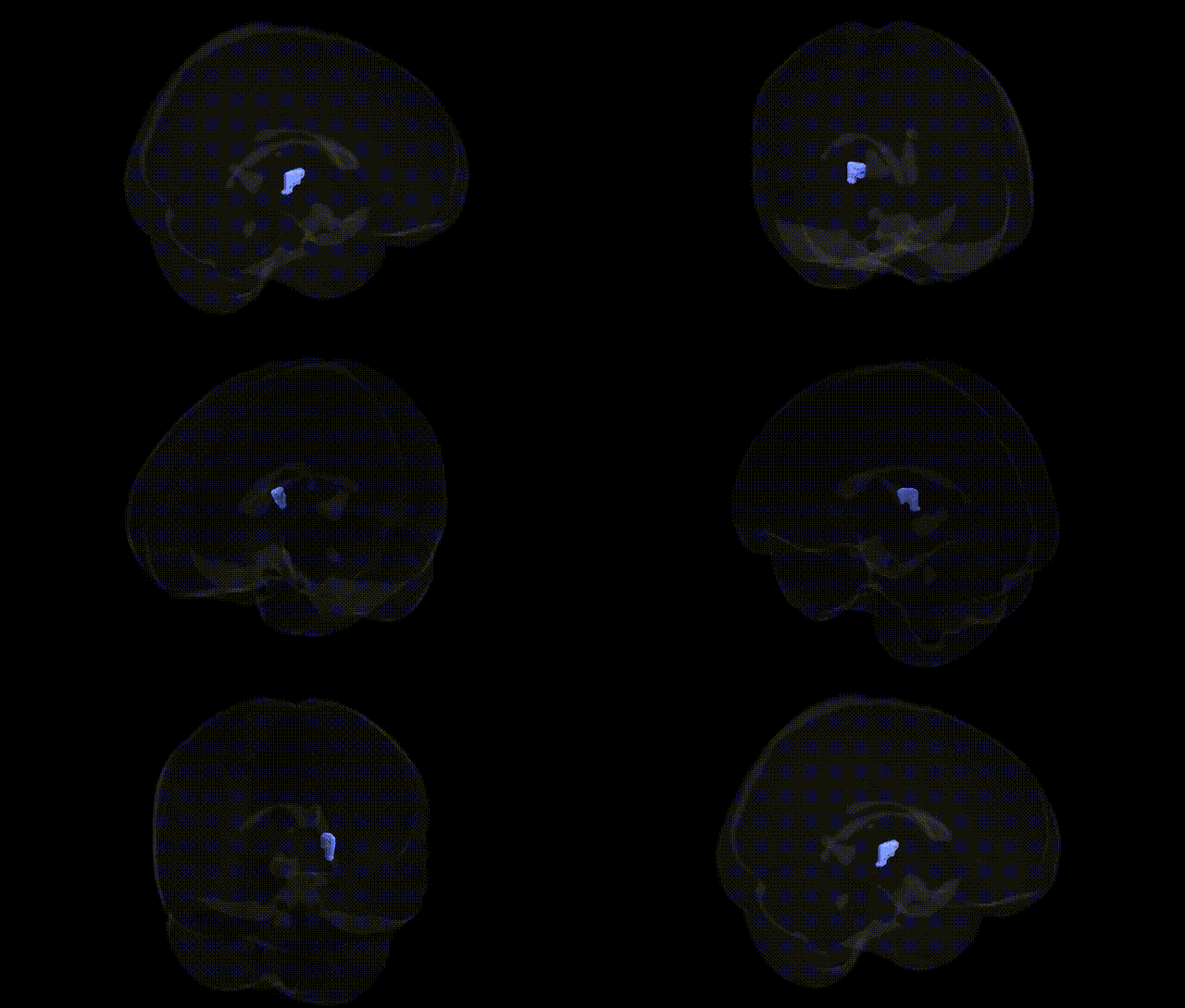
The bilateral Left Cerebrum.Sub-lobar.Thalamus.Gray Matter.Ventral Posterior Lateral Nucleus corresponds to the ventral posterolateral nucleus (VPL) of the thalamus, a key somatosensory relay structure situated within the subcortical gray matter of the diencephalon. The VPL receives ascending sensory input from the body via the medial lemniscus (touch, vibration, proprioception) and the spinothalamic tracts (pain and temperature), and projects primarily to the primary somatosensory cortex (postcentral gyrus), thereby contributing critically to conscious perception and localization of bodily sensations. Functionally, it participates in the integration and modulation of somatosensory information, and its dysfunction or lesion is associated with sensory deficits, dysesthesias, and central pain syndromes. There is no direct Wikipedia article for this specific nucleus; a closely related structure is the thalamus: Thalamus.
The ventral posterior lateral (VPL) nucleus of the thalamus, a key somatosensory relay region, has been implicated in several genetic and GWAS-based findings despite limited atlas-specific work for the exact Talairach label. Large-scale neuroimaging GWAS have shown that common variants influencing thalamic volume and microstructure—particularly within genes involved in synaptic function (e.g., CACNA1C, GRIN2B) and neurodevelopmental signaling pathways (e.g., MAPT region, BDNF-related networks)—also affect somatosensory thalamic territories that include the VPL. Polygenic risk for schizophrenia, major depressive disorder, and bipolar disorder has been associated with thalamic structural and connectivity alterations, with some studies specifically highlighting sensory and associative thalamic nuclei, including posterior and ventrobasal complexes. Variants in pain-related and somatosensory processing genes (such as those in sodium-channel families like SCN9A and SCN10A, and in neuroinflammatory pathways) have been tied to abnormal thalamic activation or altered pain thresholds, indirectly implicating the VPL, which relays body sensory information to the cortex. Additionally, GWAS of migraine and chronic pain conditions have identified loci affecting thalamocortical circuitry, with imaging-genetics work linking these loci to altered thalamic gray matter and functional connectivity in regions encompassing the ventral posterior nuclei. Overall, evidence suggests that common genetic variation affecting neurodevelopment, synaptic transmission, and pain/sensory pathways contributes to structural and functional variability in the bilateral VPL region, with downstream associations to psychiatric disorders, chronic pain conditions, and individual differences in somatosensory perception.
Overview generated by GPT-4o (2026).
Region ID: 579
Hemisphere: bilateral
Atlas: Talairach labels 2mm
Full Quality Version: Download MP4
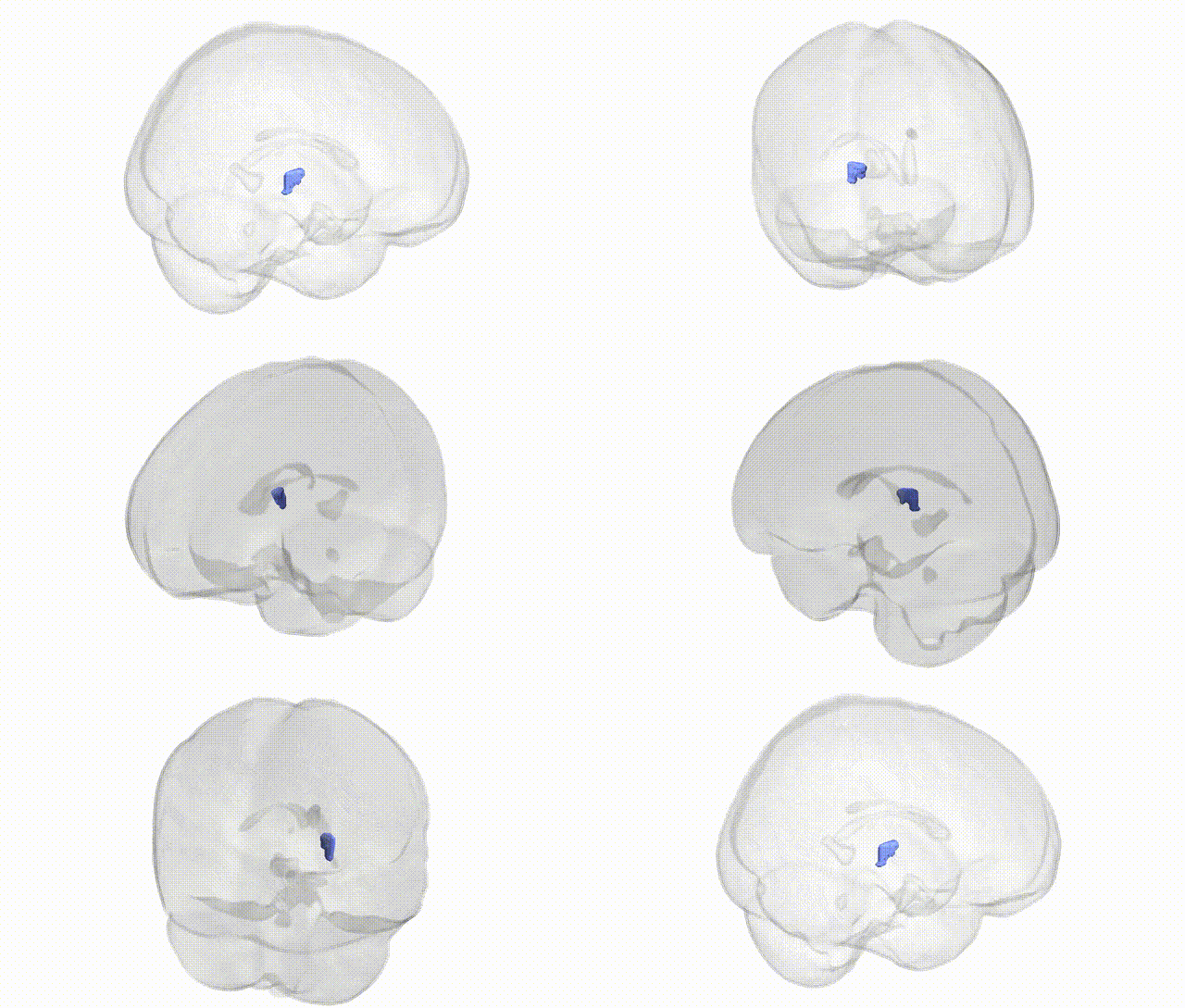
Full Quality Version: Download MP4
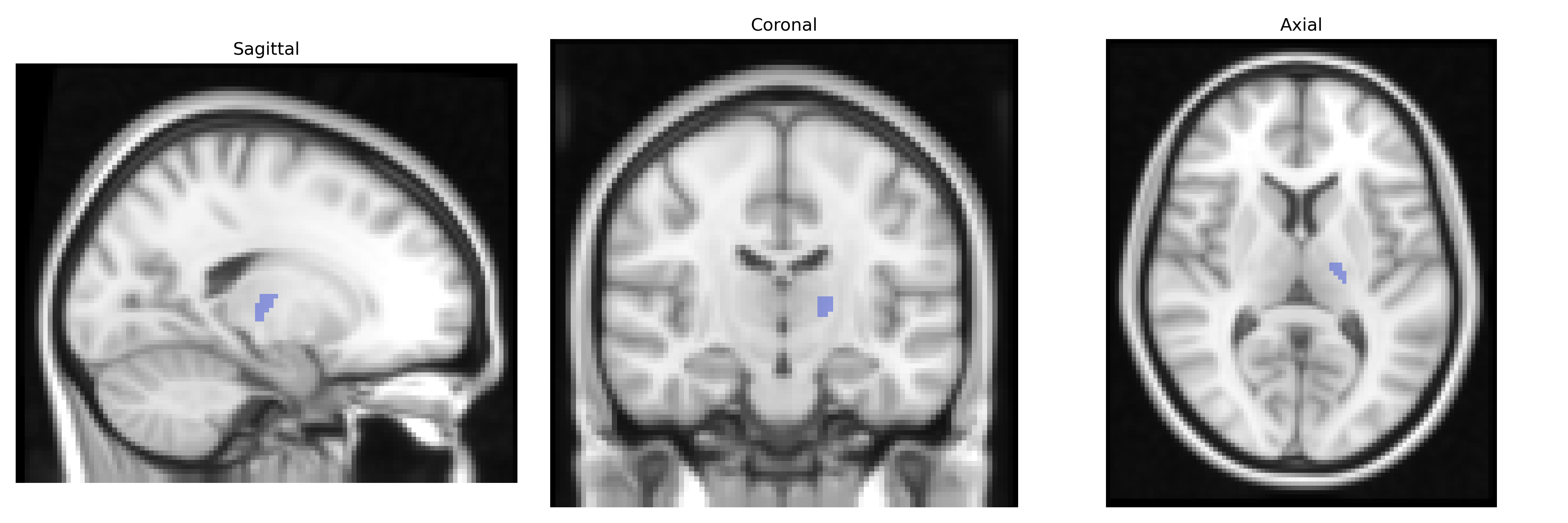
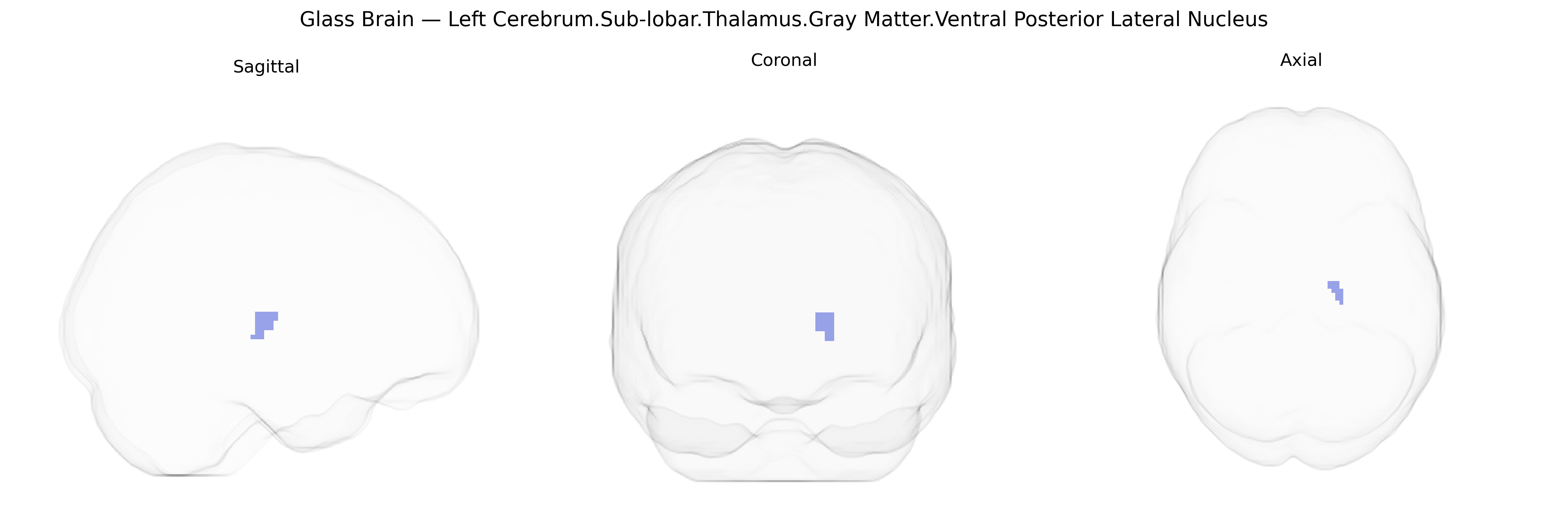
Wali Sidiqyar*, Gaurav Rudravaram*, Elyssa M. McMaster, Trent M. Schwartz, Adam M. Saunders, Kurt G. Schilling, Bennett A. Landman "Introducing SPINS: A Shared Public Visualization Library of Neuroanatomical Structures." Medical Imaging with Deep Learning- short paper
This resource is licensed under CC0 1.0 Universal (Public Domain).