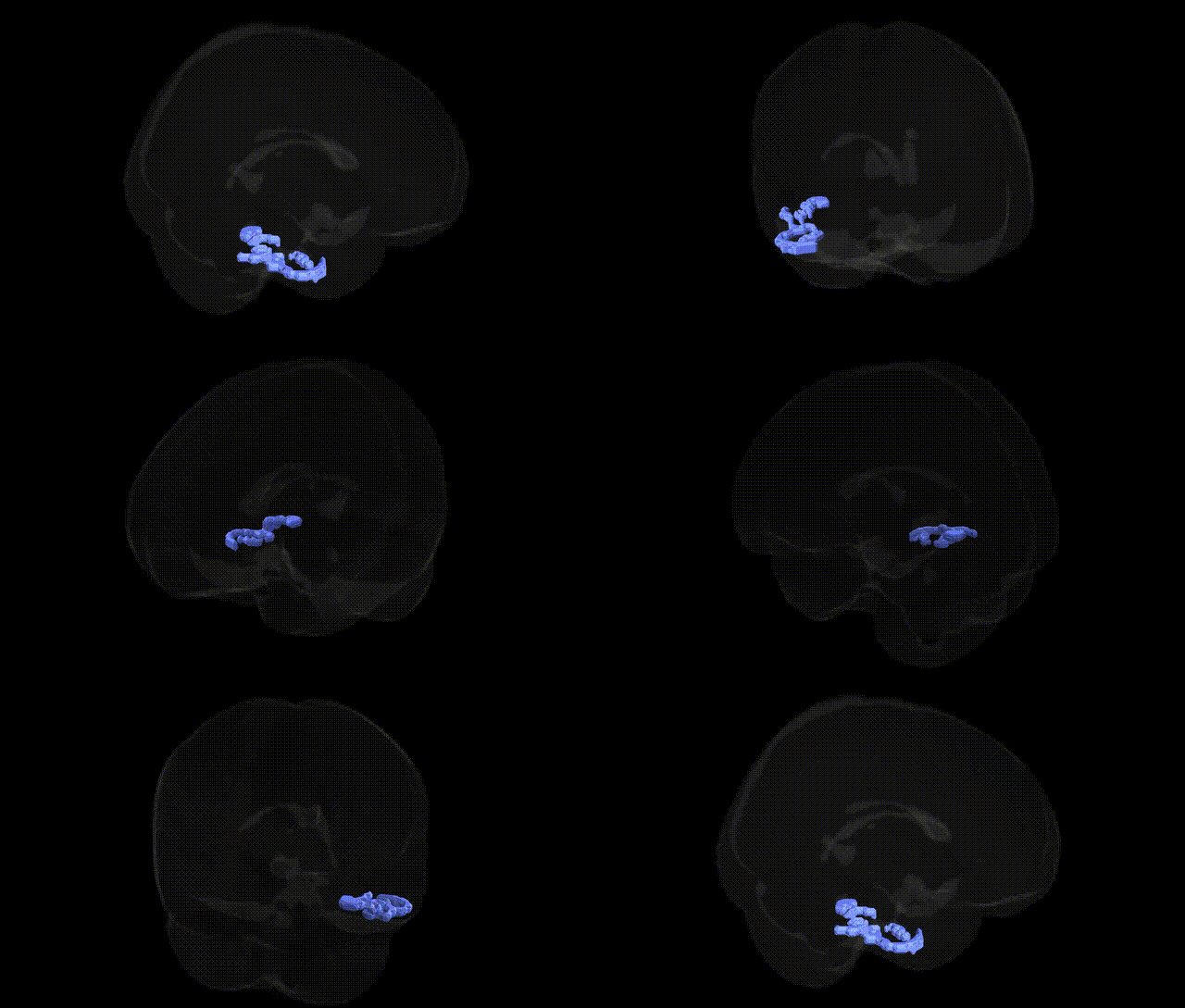
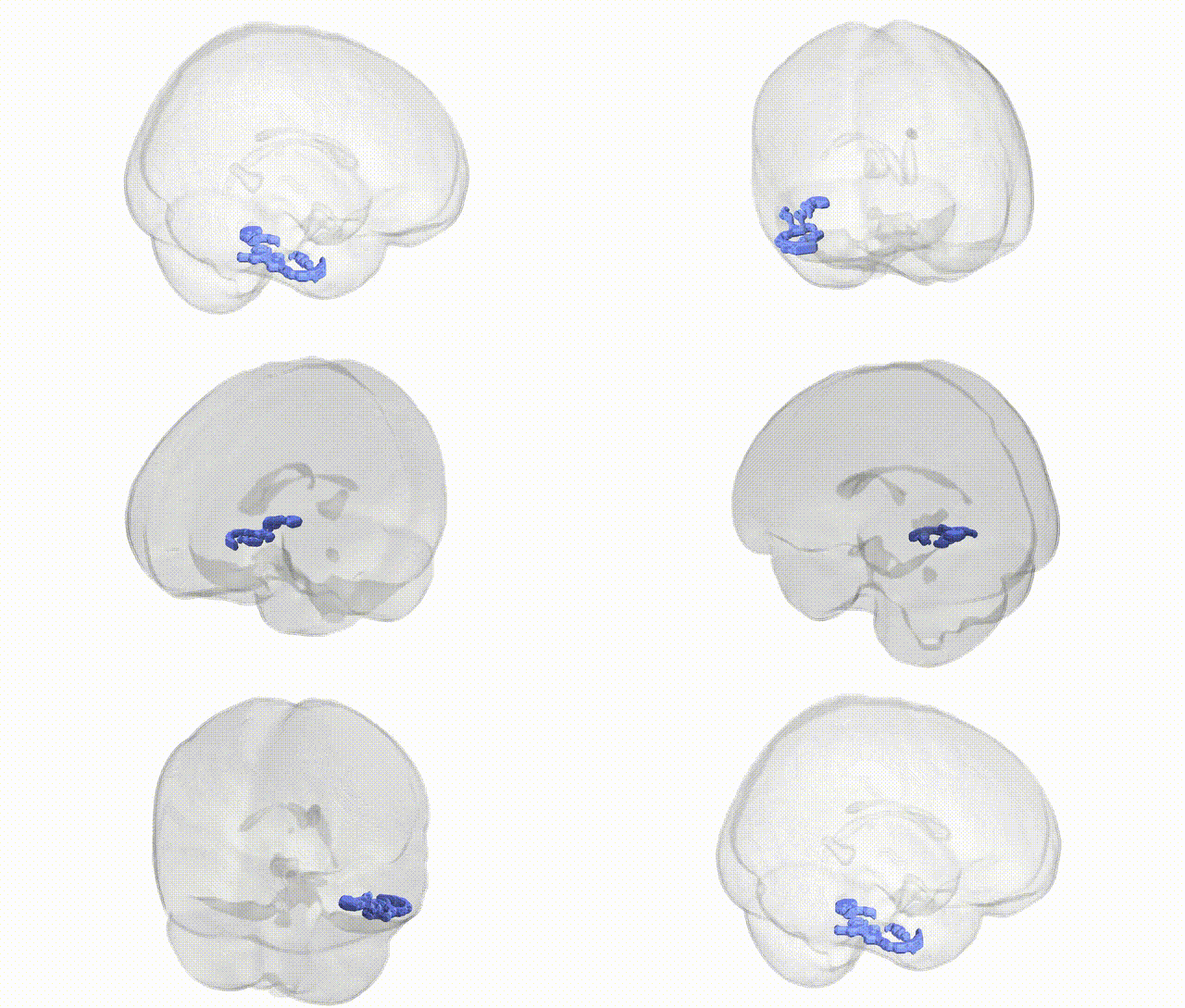
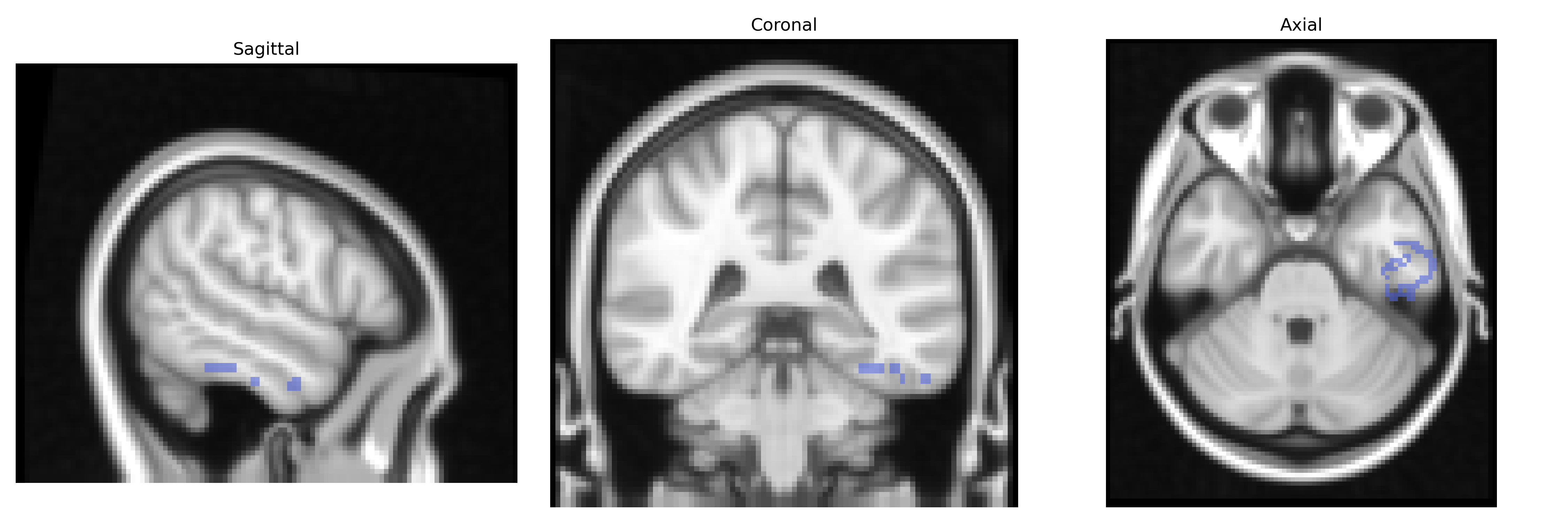
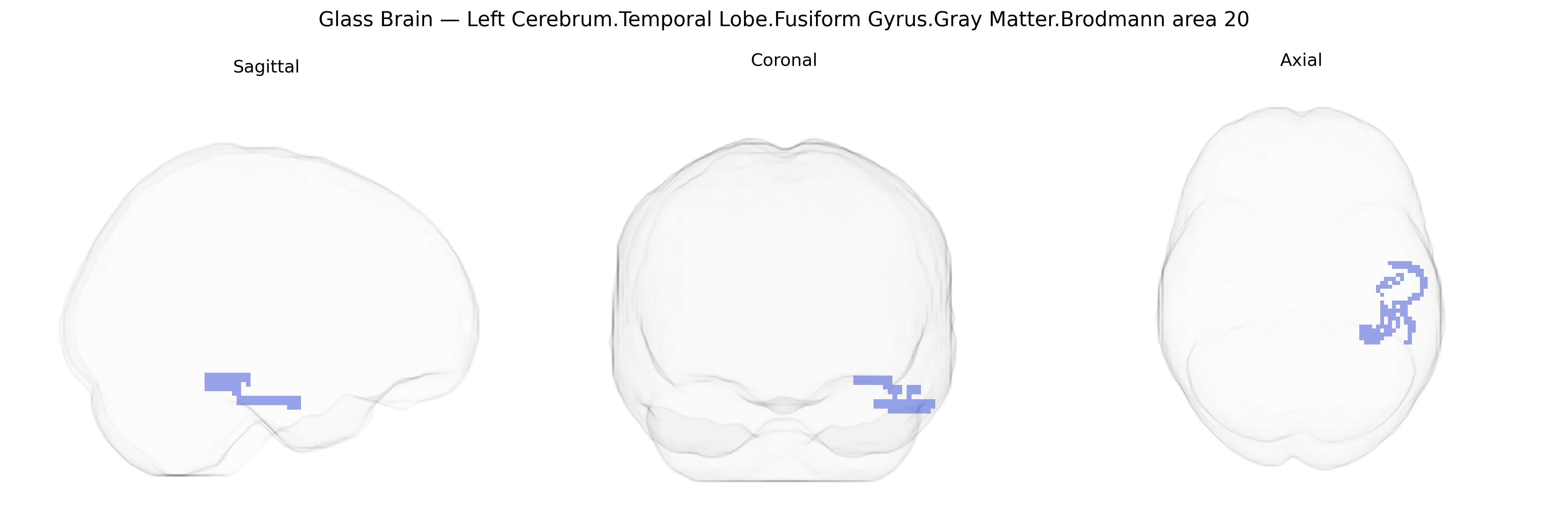
The bilateral Left Cerebrum.Temporal Lobe.Fusiform Gyrus.Gray Matter.Brodmann area 20 corresponds to cortex in the anterior portion of the fusiform gyrus within the temporal lobe, primarily involved in high-level visual processing and object recognition. BA20 receives substantial input from earlier visual areas and contributes to the integration of complex visual features into meaningful percepts, participating in semantic processing and recognition of objects, faces, and visual categories. Its neurons show selectivity for complex shapes and patterns, and the region is functionally linked to ventral stream networks that support visual memory and the association of visual stimuli with stored knowledge. There is no direct link for Brodmann area 20; see the related region Fusiform gyrus.
The bilateral left temporal fusiform gyrus (Brodmann area 20) has been implicated in multiple genetic and GWAS findings related to higher-order visual processing, language, and neuropsychiatric risk. Variants in genes affecting cortical development and synaptic function—such as BDNF, CNTNAP2, FOXP2, and DCDC2—have been associated with fusiform and adjacent temporal gray matter volumes and with traits including reading and language impairments, developmental dyslexia, and autism spectrum disorder, where altered fusiform morphology and activation are repeatedly observed. Large-scale imaging genetics consortia (e.g., ENIGMA) have identified polygenic influences on temporal lobe cortical thickness and surface area, with loci near genes such as MAPT, KIAA0586, and others contributing to fusiform and inferior temporal measures that correlate with cognitive performance and educational attainment. GWAS of face recognition and social cognition have linked common variants (for example, near GATAD2B and other neurodevelopmental genes) to fusiform-related phenotypes, consistent with the region’s role as the “fusiform face area.” Neuropsychiatric GWAS in schizophrenia, bipolar disorder, and major depression highlight risk alleles that, when examined in imaging–genetics studies, show downstream effects on left temporal fusiform gray matter (including reduced volume or altered functional connectivity), suggesting that part of their impact on cognition and social perception is mediated through this temporal fusiform circuitry.
Overview generated by GPT-4o (2026).
Region ID: 123
Hemisphere: bilateral
Atlas: Talairach labels 2mm
Full Quality Version: Download MP4
Full Quality Version: Download MP4
Wali Sidiqyar*, Gaurav Rudravaram*, Elyssa M. McMaster, Trent M. Schwartz, Adam M. Saunders, Kurt G. Schilling, Bennett A. Landman "Introducing SPINS: A Shared Public Visualization Library of Neuroanatomical Structures." Medical Imaging with Deep Learning- short paper
This resource is licensed under CC0 1.0 Universal (Public Domain).