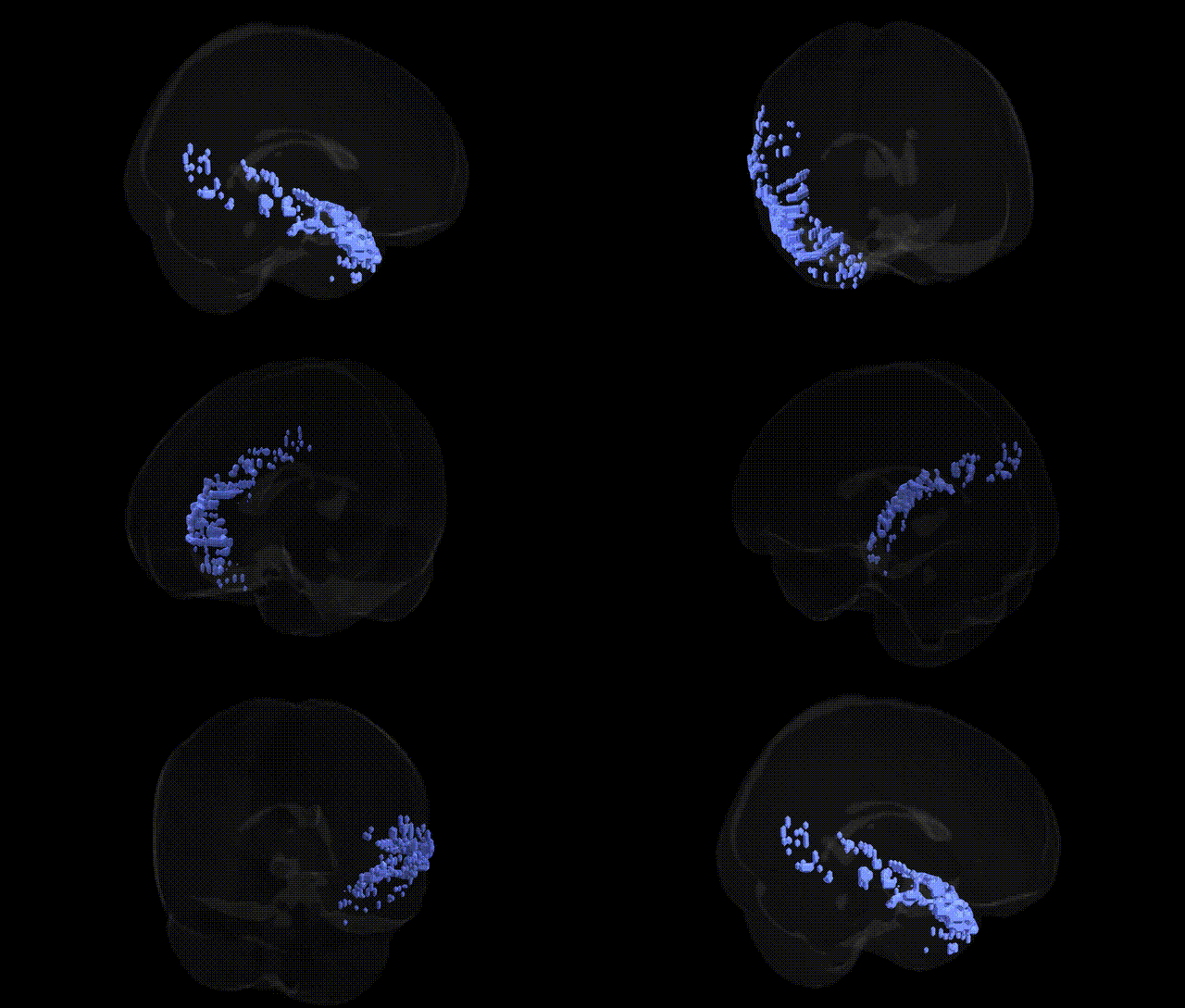
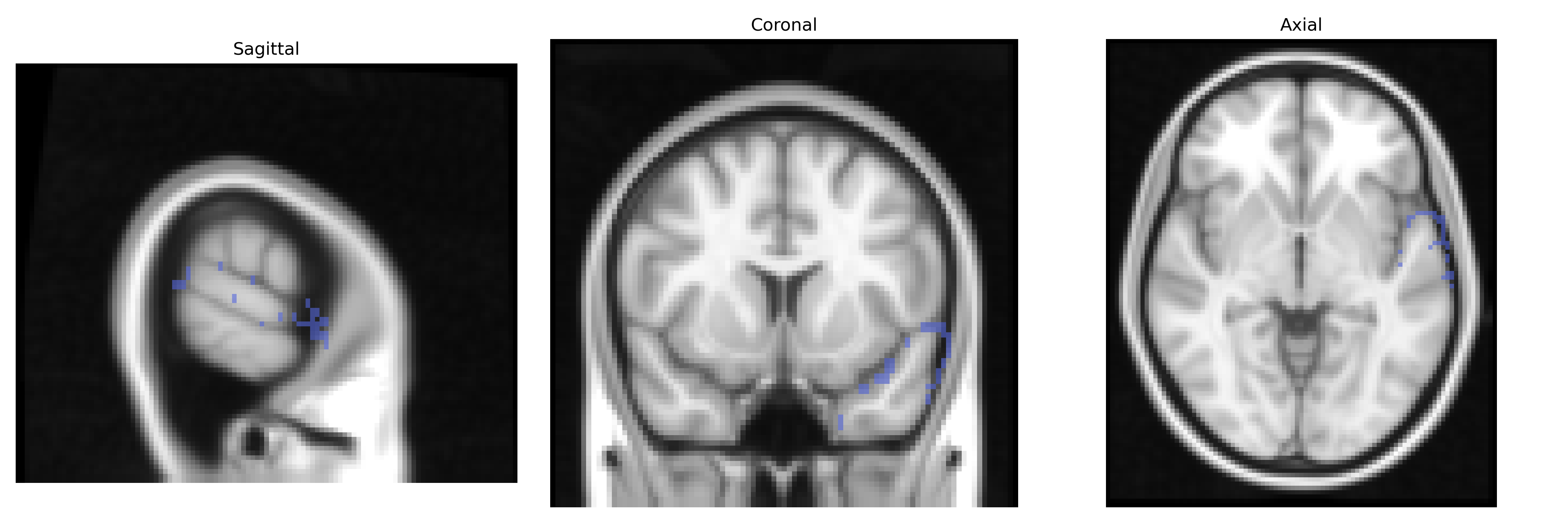
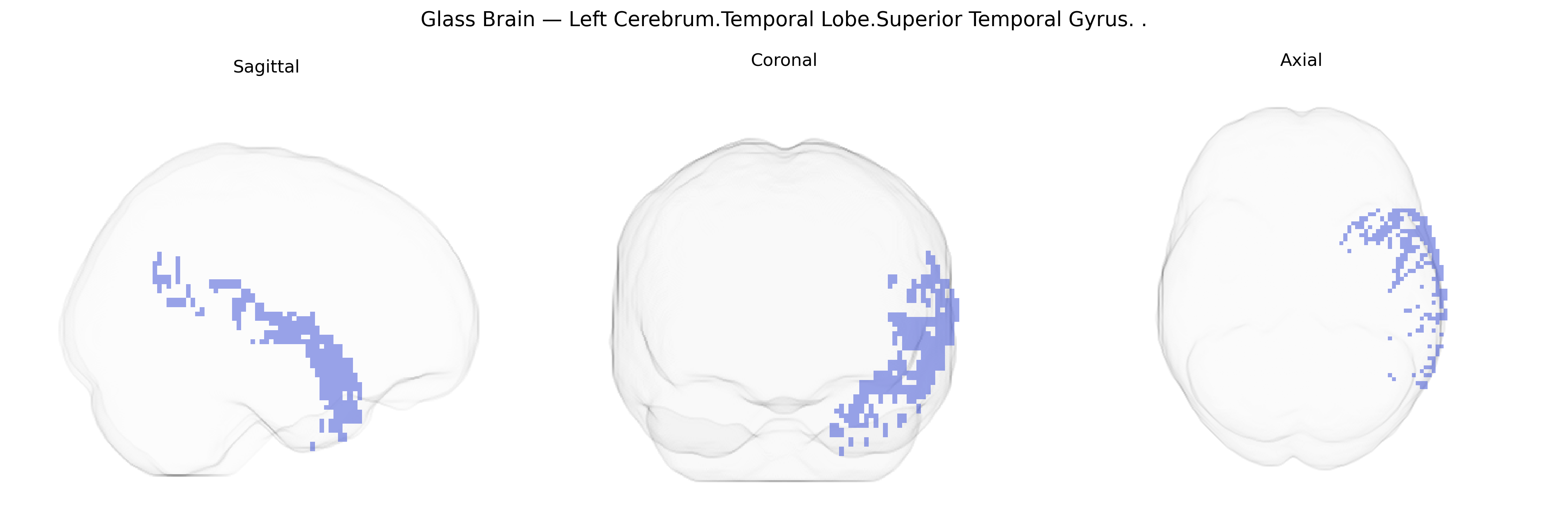
The bilateral Left Cerebrum.Temporal Lobe.Superior Temporal Gyrus, as defined in the Talairach 2 mm Atlas, corresponds to the cortical ribbon along the superior aspect of the temporal lobe, bordering the lateral (Sylvian) fissure and extending from the temporal pole posteriorly toward the parietal operculum. This region includes primary and higher-order auditory cortex and plays key roles in processing complex acoustic information, speech perception, phonological analysis, and aspects of language comprehension, particularly in the dominant (usually left) hemisphere. It also contributes to multimodal integration of auditory and visual inputs and participates in social cognition by supporting the interpretation of vocal prosody and communicative signals. Cytoarchitectonically, it encompasses areas such as Brodmann areas 22 and parts of 41/42, with dense thalamocortical connections from auditory thalamic nuclei and reciprocal cortical connections to frontal and parietal language and association areas. Superior temporal gyrus
The bilateral left superior temporal gyrus (STG) in the temporal lobe, as defined in the Talairach 2 mm atlas, is a key language and auditory region whose structure and function show robust genetic influences, with heritability estimates often exceeding 50% for cortical thickness and volume. Large neuroimaging GWAS from ENIGMA and UK Biobank have identified common variants in and near genes such as FOXP2, CNTNAP2, DCDC2, KIAA0319, and ROBO1 that are associated with STG morphology or activation and are also implicated in language abilities, reading and dyslexia, and speech and language disorders. Variants in GRIN2A, SRPX2, and ATP2C2 have been linked to developmental language impairment and speech sound disorders involving STG circuitry. Schizophrenia and psychosis-related GWAS and imaging–genetics studies report that polygenic risk scores for schizophrenia and bipolar disorder predict reduced STG gray matter and altered auditory/semantic processing, with risk loci in complement pathway genes (e.g., C4) and synaptic genes influencing temporal lobe structure. Autism spectrum disorder GWAS and rare variant studies implicate genes involved in synaptic development (e.g., SHANK3, NRXN1, CNTNAP2) that alter STG connectivity and social communication processing. Additionally, GWAS of cognitive traits and educational attainment reveal polygenic influences on STG volume and activation during language tasks, with associated loci enriched in neuronal development and axon guidance pathways, underscoring the role of genetically driven variation in this region in language, social cognition, and vulnerability to neuropsychiatric disorders.
Overview generated by GPT-4o (2026).
Region ID: 40
Hemisphere: bilateral
Atlas: Talairach labels 2mm
Full Quality Version: Download MP4
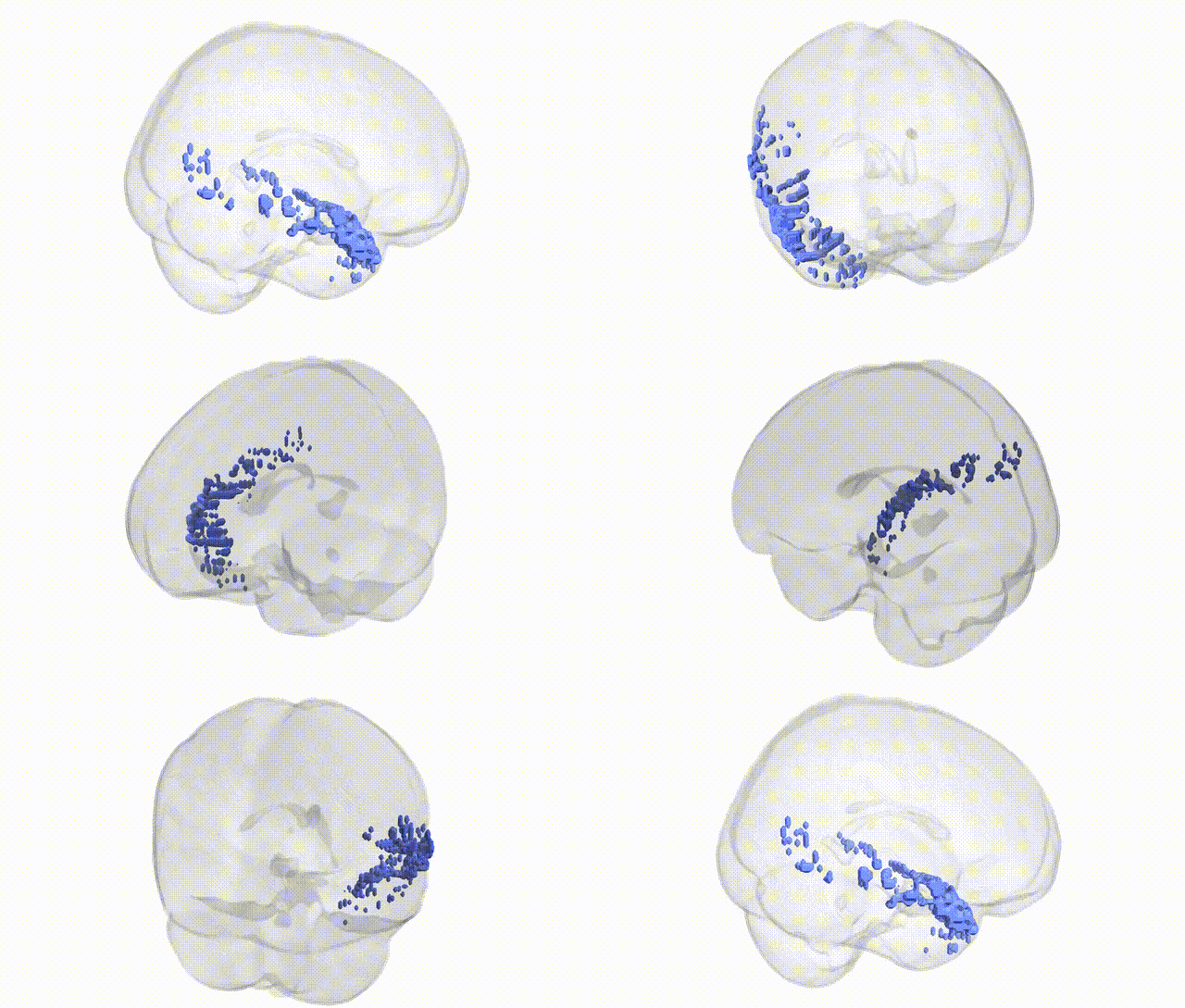
Full Quality Version: Download MP4
Wali Sidiqyar*, Gaurav Rudravaram*, Elyssa M. McMaster, Trent M. Schwartz, Adam M. Saunders, Kurt G. Schilling, Bennett A. Landman "Introducing SPINS: A Shared Public Visualization Library of Neuroanatomical Structures." Medical Imaging with Deep Learning- short paper
This resource is licensed under CC0 1.0 Universal (Public Domain).