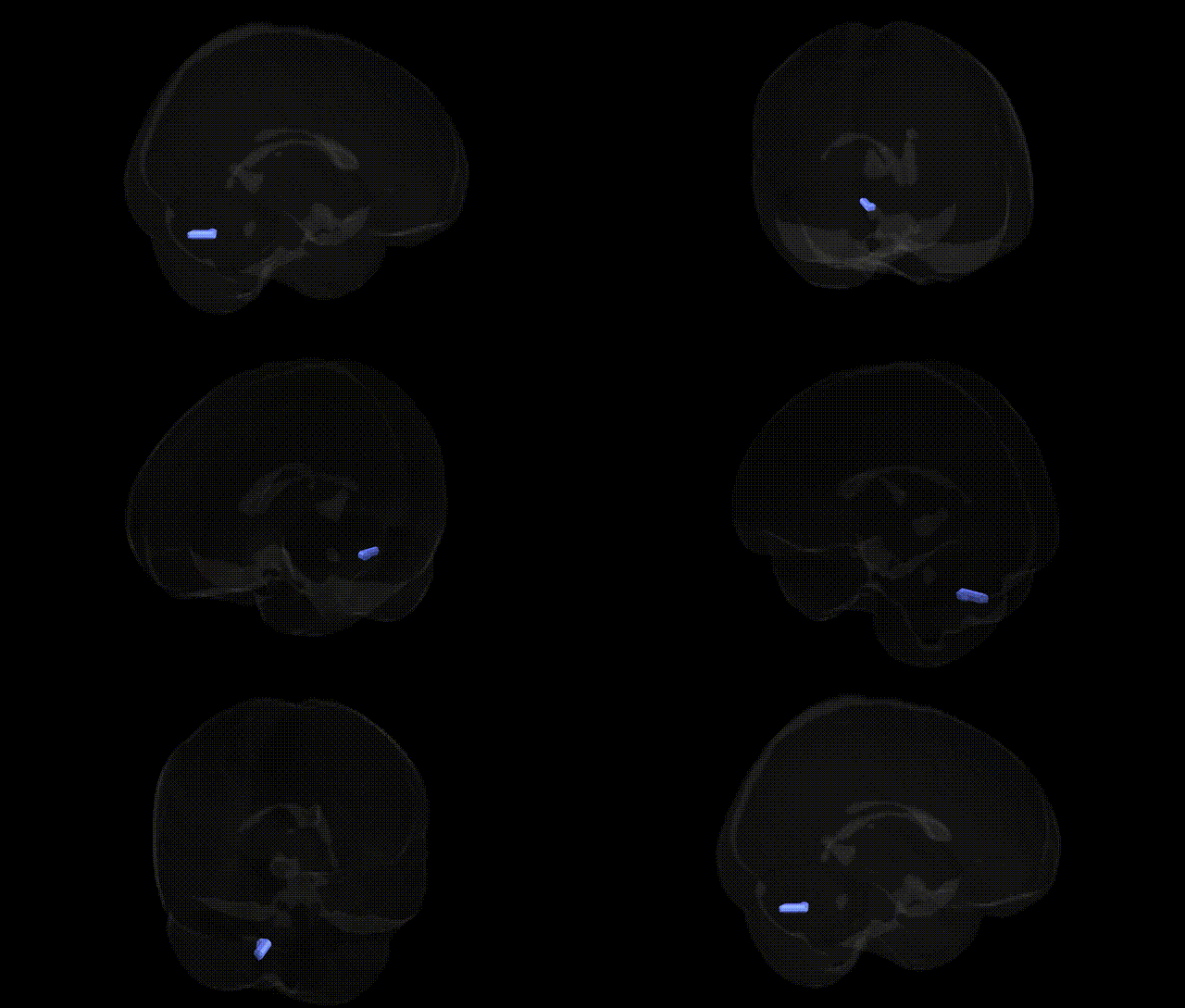
The bilateral Right Cerebellum.Posterior Lobe.Uvula of Vermis.Gray Matter corresponds to gray matter within the uvula, a midline lobule of the posterior cerebellar vermis located near the inferior aspect of the vermis. This region is part of the vestibulocerebellum and spinocerebellum, contributing to the regulation of balance, posture, and coordination of axial and proximal limb movements through integration of vestibular, spinal, and cortical inputs. Its Purkinje cells project to deep cerebellar nuclei (primarily the fastigial nucleus), influencing brainstem motor pathways that adjust muscle tone and eye–head coordination. There is no dedicated Wikipedia article for the uvula of the vermis; see the related structure Cerebellar vermis.
The bilateral right cerebellar posterior lobe, specifically the uvula of the vermis gray matter, has been implicated in genetic studies largely through broader cerebellar and posterior fossa measures rather than highly localized GWAS hits to this sub-region, but several lines of evidence link its structure and function to heritable traits and disorders. Imaging genetics and large-scale GWAS of brain morphology (e.g., ENIGMA and UK Biobank cohorts) show that cerebellar gray matter volumes, including vermis regions, are moderately heritable and associated with variants in genes involved in neurodevelopment, synaptic function, and axonal guidance (such as genes in Wnt, MAPK, and neurogenesis pathways), though specific, replicated SNPs pinpointed to the uvula of vermis are not yet well established. Cerebellar vermis abnormalities have repeatedly been reported in autism spectrum disorder, schizophrenia, bipolar disorder, major depression, and ADHD, and polygenic risk scores for these conditions correlate with cerebellar structure and connectivity, suggesting shared genetic architectures that influence this region’s development. GWAS of cognitive traits (intelligence, educational attainment, processing speed) and motor coordination also show associations with distributed cerebellar networks, with posterior lobe regions participating in higher-order cognitive and affective circuits influenced by common variants with small effect sizes. Additionally, rare variants and copy number changes disrupting genes involved in hindbrain and cerebellar development (e.g., RELN, FOXP2-related pathways, and midline patterning genes) can affect vermis formation and posterior lobe anatomy, linking this region to neurodevelopmental syndromes, motor and speech disorders, and cerebellar ataxias. Overall, genetic contributions to the right posterior vermis uvula gray matter are best understood in the context of global cerebellar morphology and connectivity, where polygenic and pathway-level influences have been documented, but fine-grained, region-specific GWAS associations remain an emerging area of research.
Overview generated by GPT-4o (2026).
Region ID: 68
Hemisphere: bilateral
Atlas: Talairach labels 2mm
Full Quality Version: Download MP4
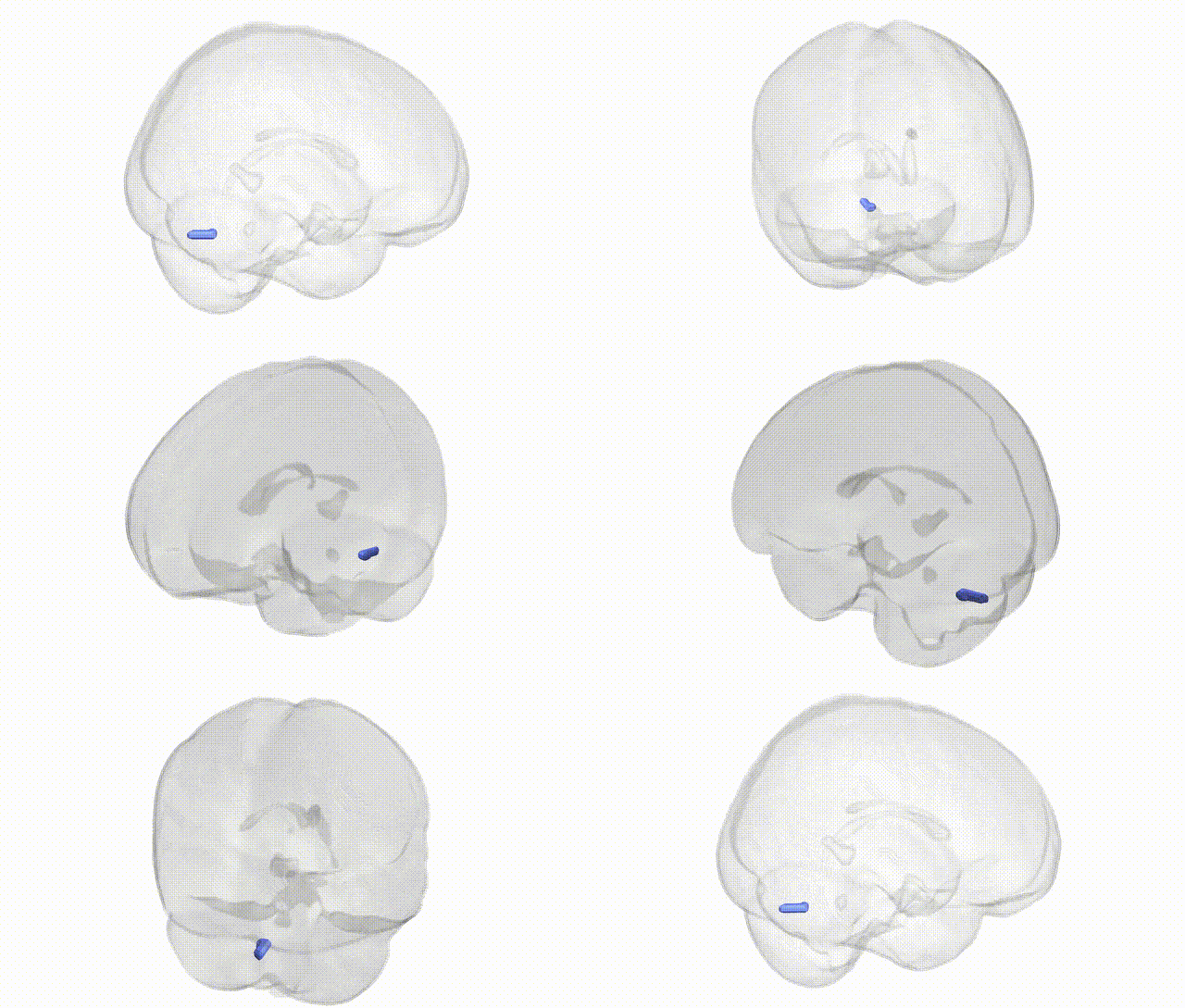
Full Quality Version: Download MP4
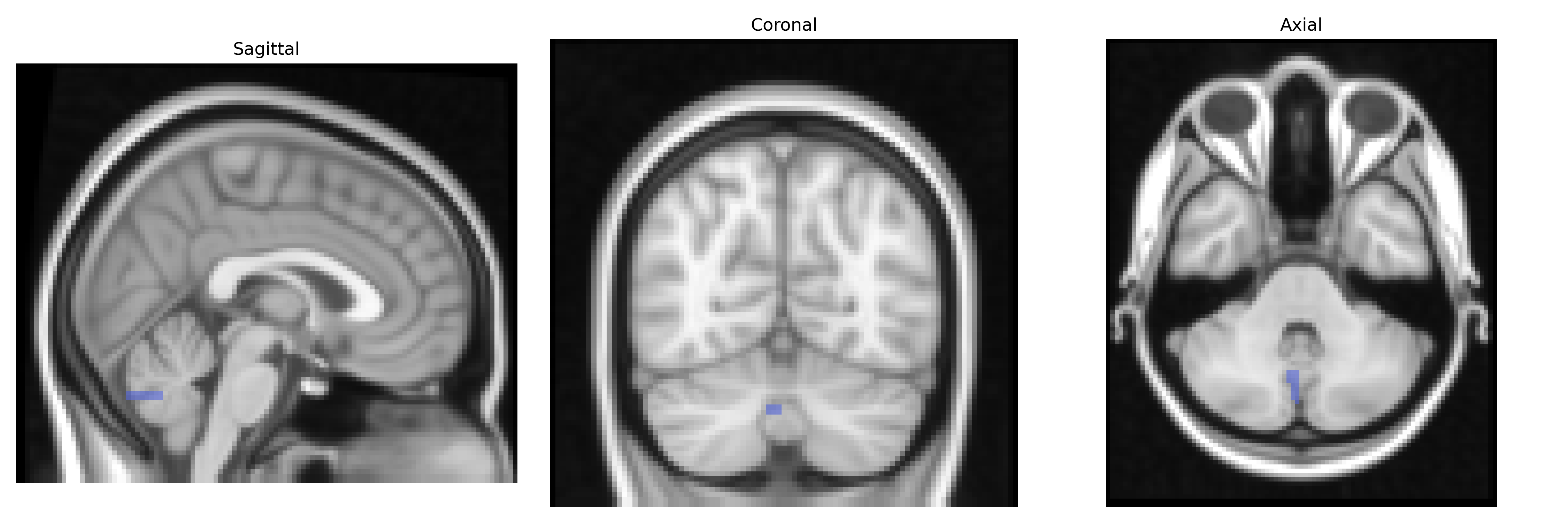
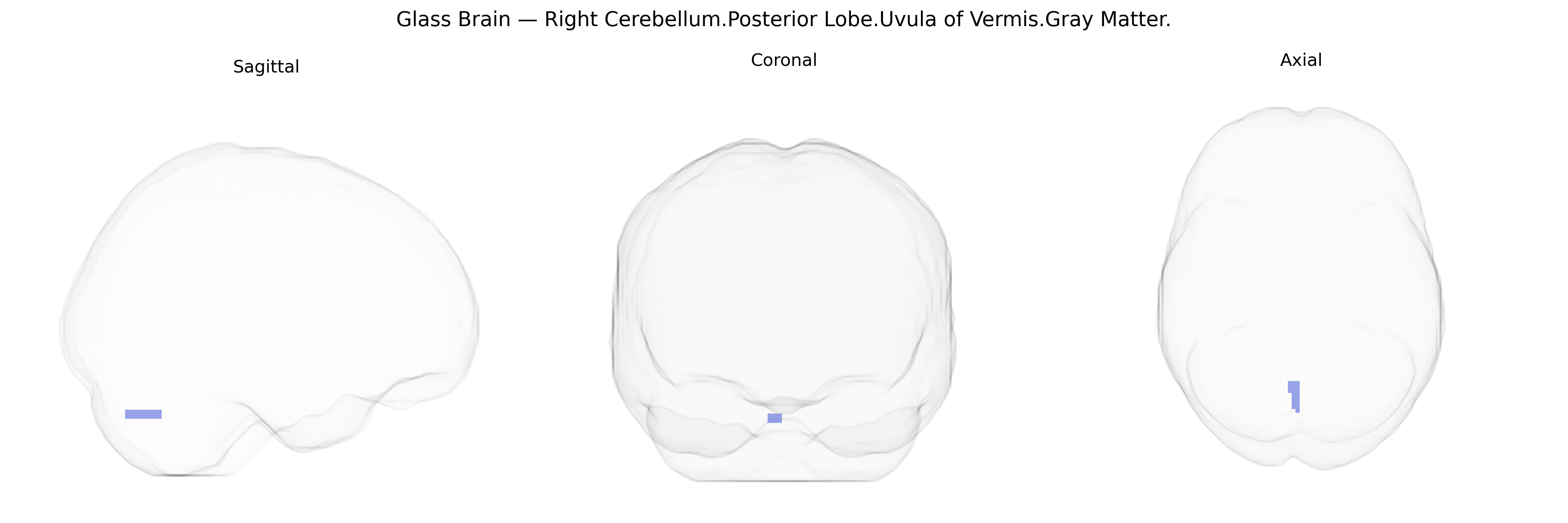
Wali Sidiqyar*, Gaurav Rudravaram*, Elyssa M. McMaster, Trent M. Schwartz, Adam M. Saunders, Kurt G. Schilling, Bennett A. Landman "Introducing SPINS: A Shared Public Visualization Library of Neuroanatomical Structures." Medical Imaging with Deep Learning- short paper
This resource is licensed under CC0 1.0 Universal (Public Domain).