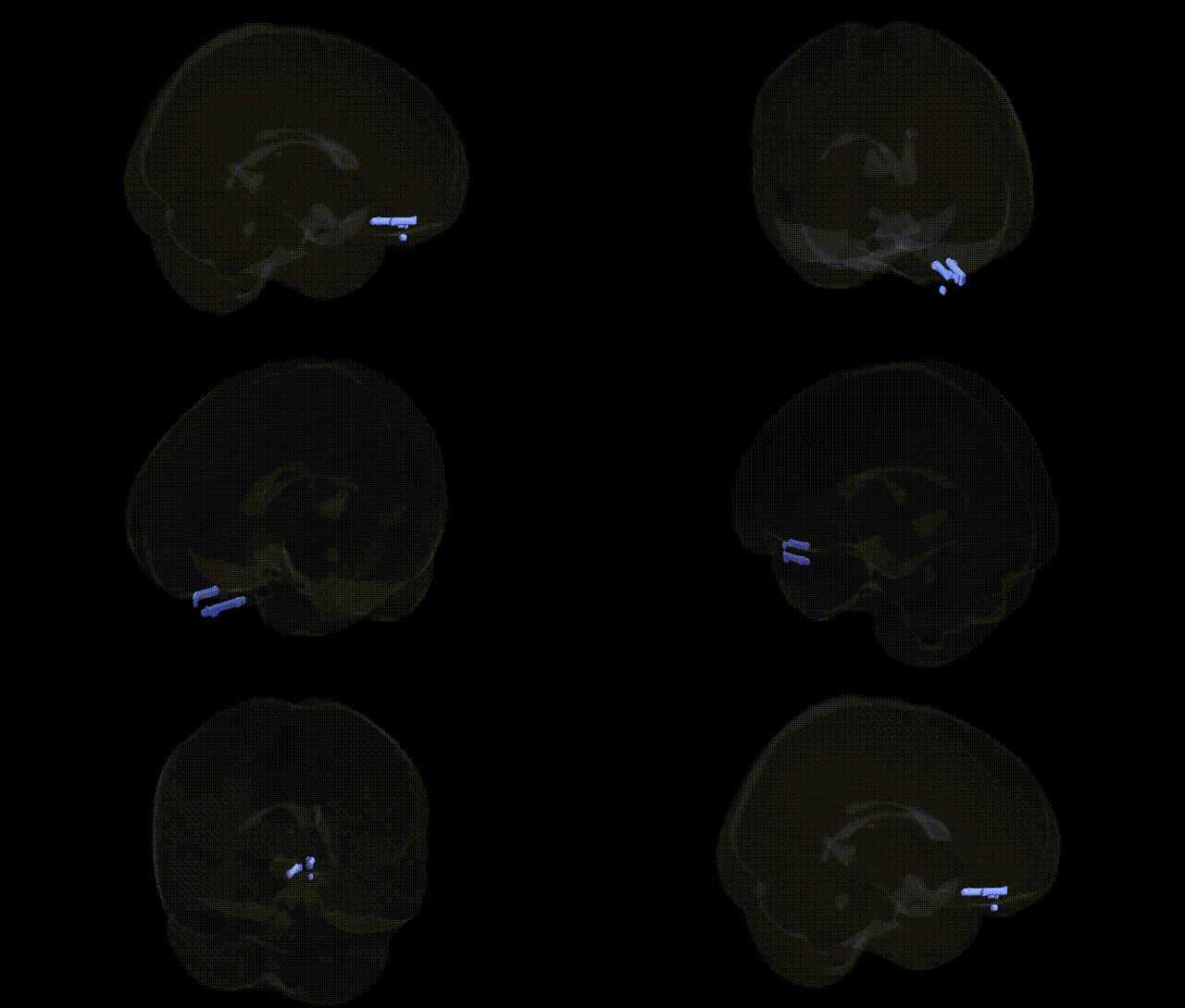
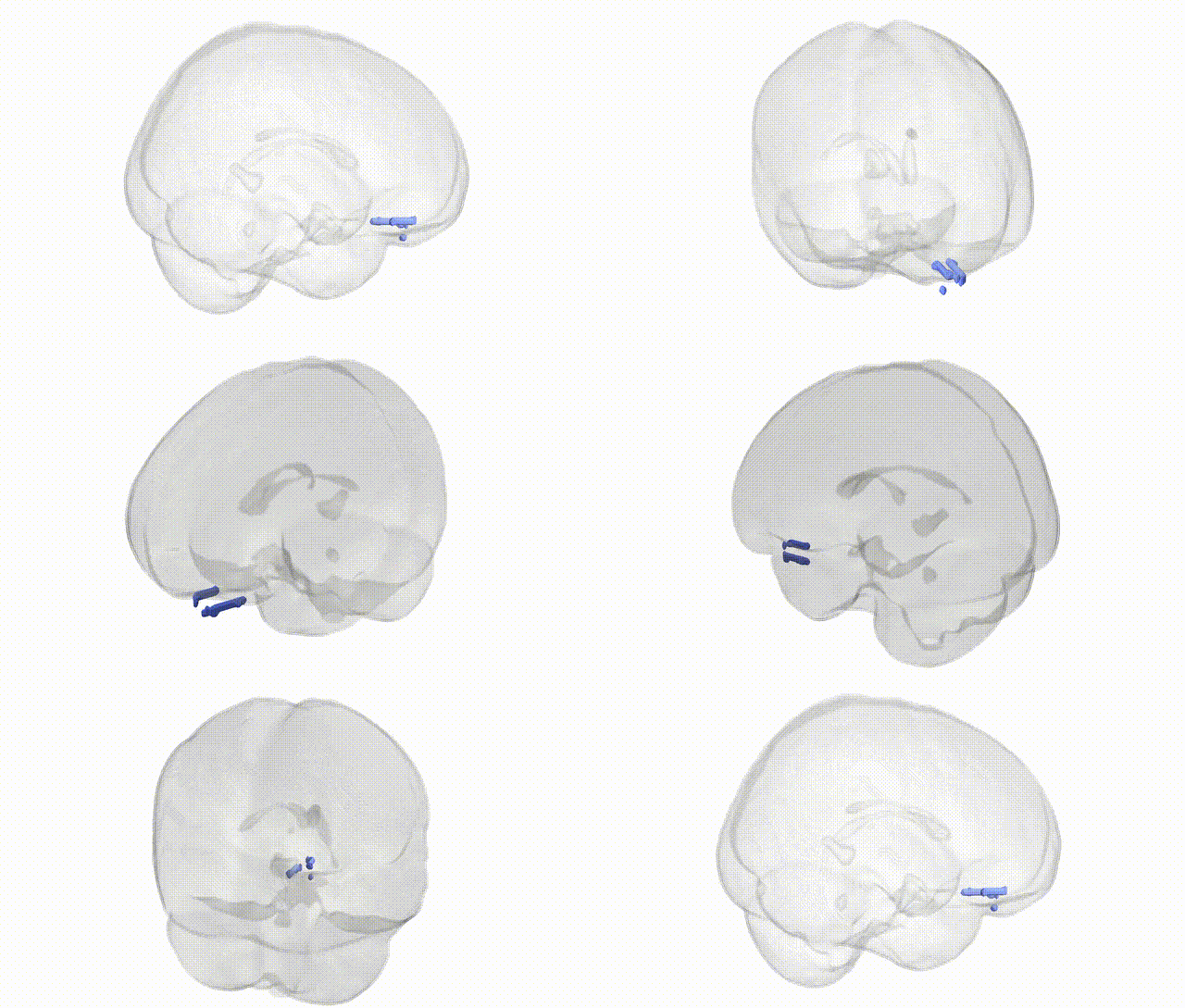
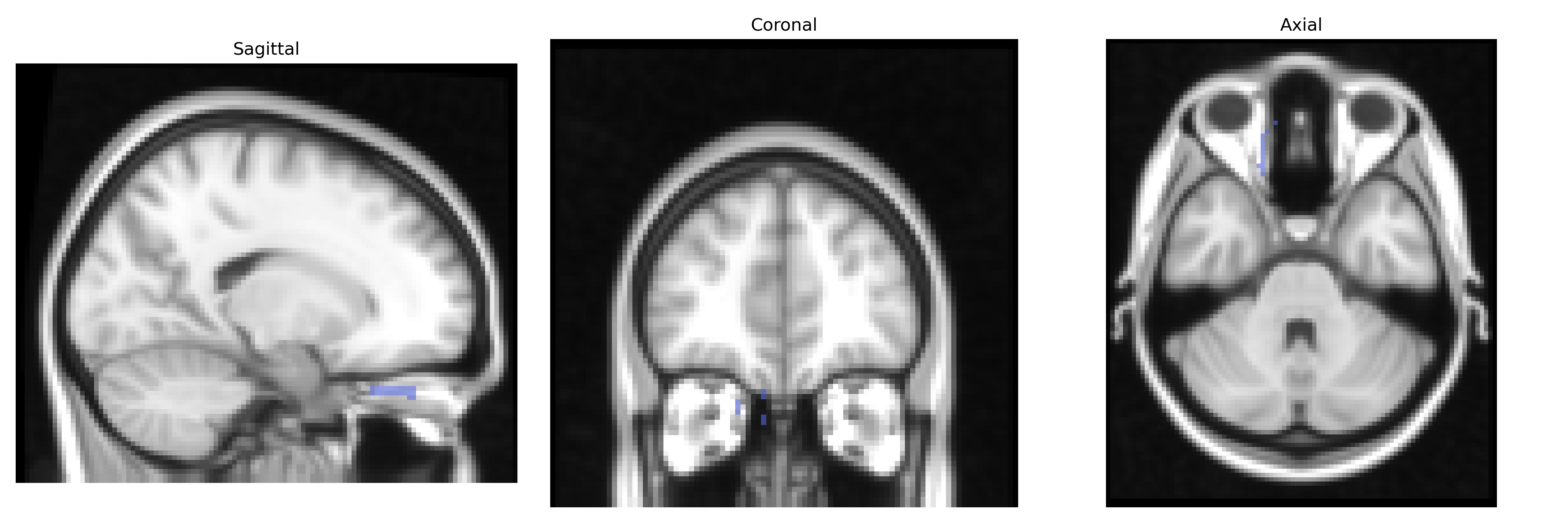
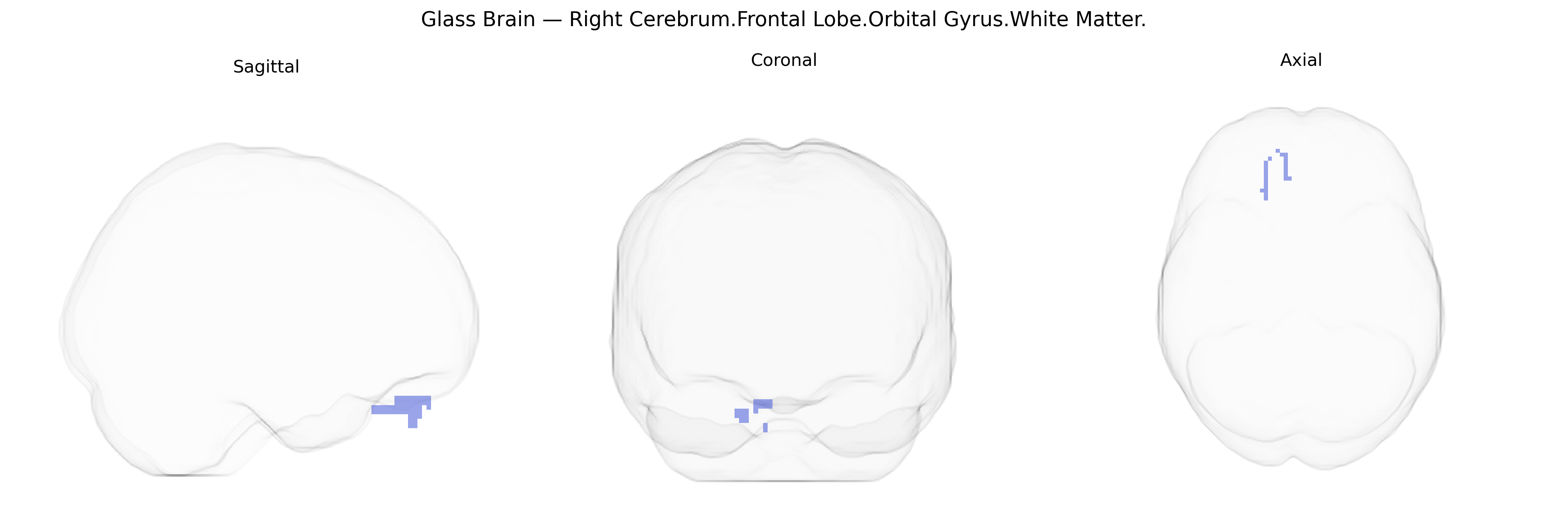
The bilateral Right Cerebrum.Frontal Lobe.Orbital Gyrus.White Matter corresponds to the subcortical fiber pathways underlying the orbital gyri of the right frontal lobe, situated in the orbitofrontal cortex region above the orbits. This white matter region contains association fibers that interconnect orbitofrontal cortical areas with other frontal and limbic structures, contributing to networks involved in reward processing, decision-making, emotional regulation, and social behavior. It also carries projections to and from subcortical structures such as the basal ganglia and hypothalamus, supporting integration of affective and motivational information with higher-order executive functions. There is no direct link for this specific white matter subdivision; a closely related cortical region is the Orbitofrontal cortex.
Genetic associations specifically targeting the bilateral Right Cerebrum Frontal Lobe Orbital Gyrus white matter (as defined in the Talairach 2 mm atlas) are sparse, but converging evidence from GWAS of brain imaging and neuropsychiatric traits implicates orbitofrontal and adjacent frontal white matter in several heritable conditions. Large imaging-genetics consortia (e.g., ENIGMA, UK Biobank) have shown that white matter microstructure and volume in orbitofrontal and frontal lobe tracts are moderately heritable and associated with common variants in genes involved in axon guidance, synaptic plasticity, and myelination, including loci near NRG1, CNTNAP2, MAG, and genes in the neuregulin–ERBB and oligodendrocyte pathways. Orbitofrontal and frontal white matter integrity has been linked genetically and phenotypically to disorders such as major depressive disorder, bipolar disorder, schizophrenia, obsessive–compulsive disorder, substance use disorders, and anxiety traits, with polygenic risk scores for these conditions correlating with structural measures in orbitofrontal/frontal regions. GWAS of behavioral traits—such as impulsivity, risk-taking, neuroticism, and cognitive control—also implicate variants in dopaminergic (DRD2/ANKK1), glutamatergic, and serotonergic systems that show structural and functional effects in orbitofrontal and frontal networks, including white matter connecting these regions. Although most studies report associations at the level of broader orbitofrontal or frontal white matter networks rather than the exact Talairach-defined orbital gyrus white matter, current evidence supports a role for genetically influenced white matter organization in this region in the etiology and expression of mood and psychotic disorders, addiction-related phenotypes, and higher-order personality and cognitive traits.
Overview generated by GPT-4o (2026).
Region ID: 113
Hemisphere: bilateral
Atlas: Talairach labels 2mm
Full Quality Version: Download MP4
Full Quality Version: Download MP4
Wali Sidiqyar*, Gaurav Rudravaram*, Elyssa M. McMaster, Trent M. Schwartz, Adam M. Saunders, Kurt G. Schilling, Bennett A. Landman "Introducing SPINS: A Shared Public Visualization Library of Neuroanatomical Structures." Medical Imaging with Deep Learning- short paper
This resource is licensed under CC0 1.0 Universal (Public Domain).