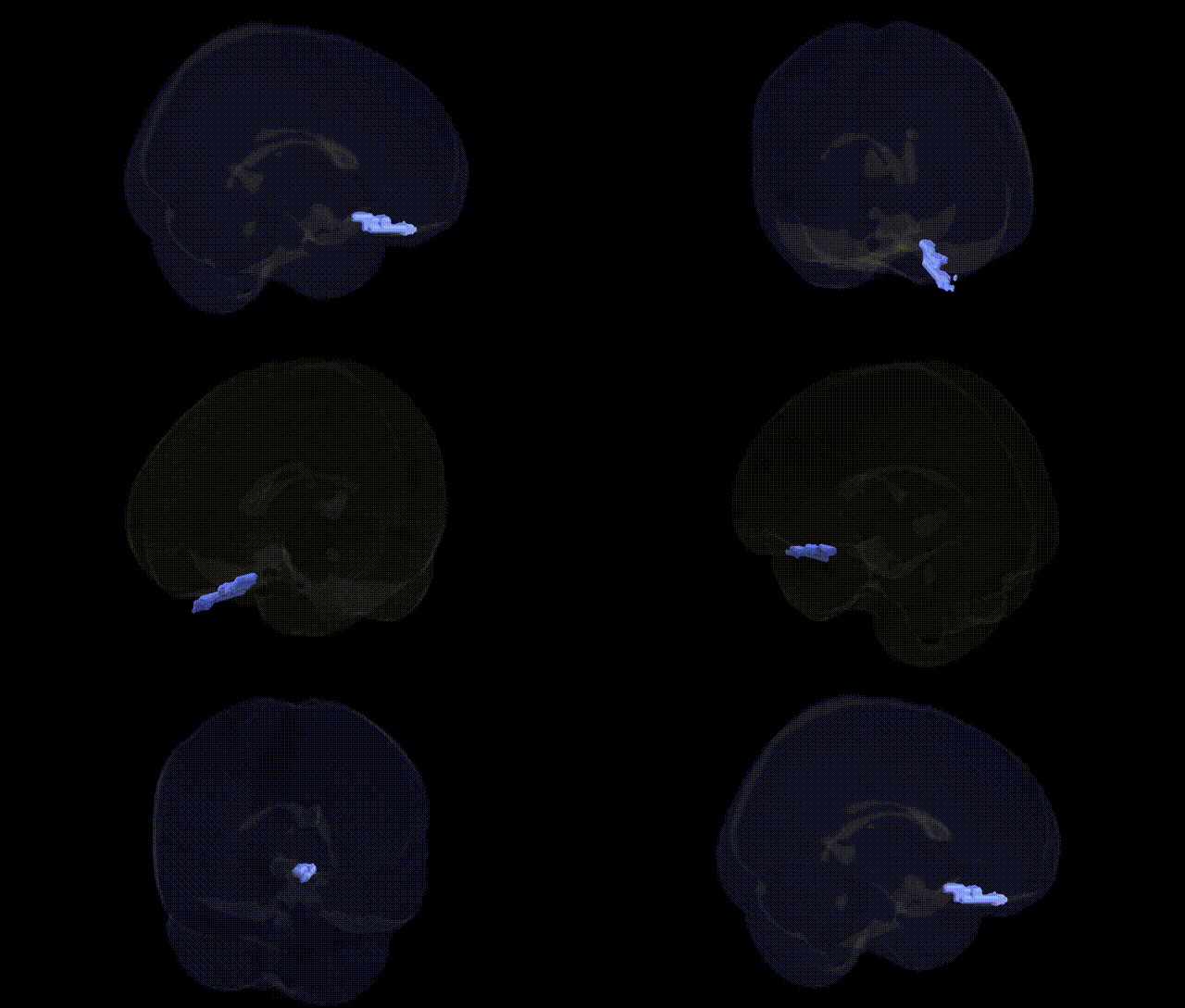
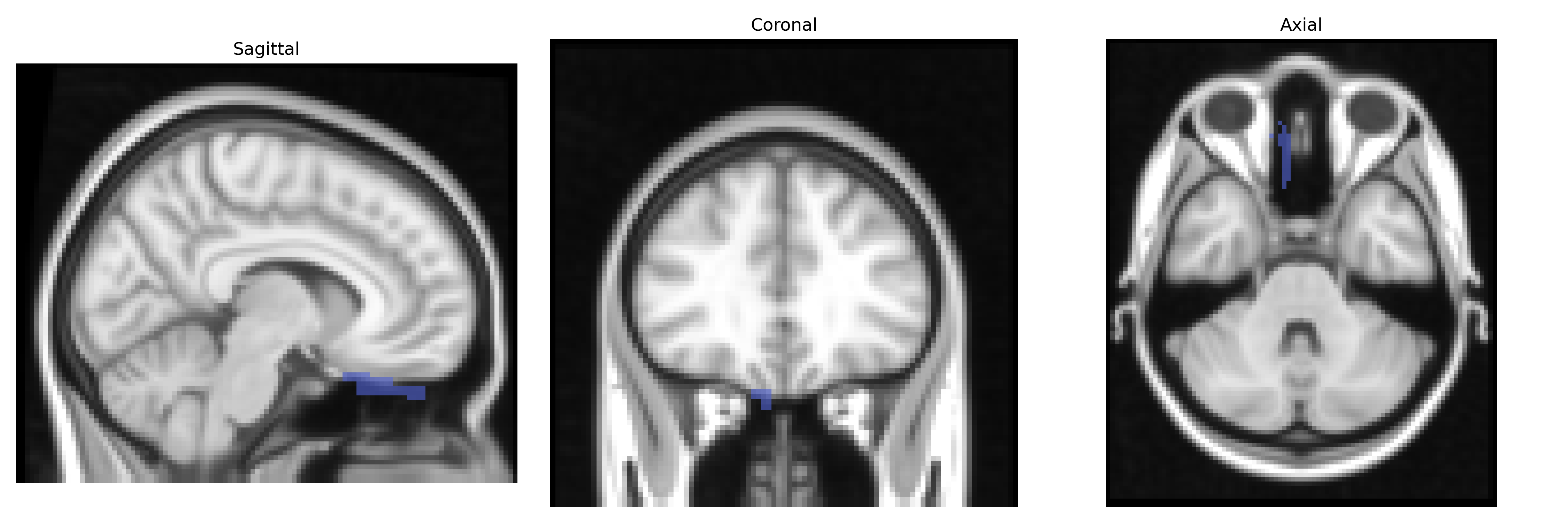
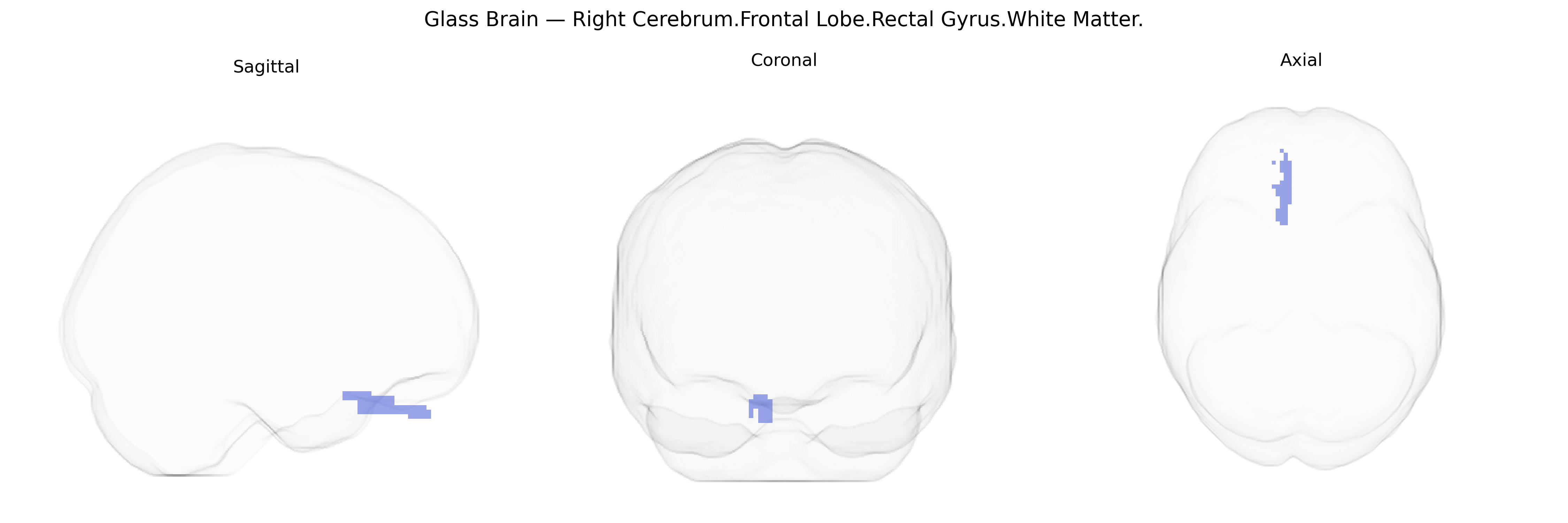
The bilateral Right Cerebrum.Frontal Lobe.Rectal Gyrus.White Matter corresponds to subcortical fiber tracts underlying the medial orbitofrontal cortex, specifically the gyrus rectus (rectal gyrus) of the frontal lobe. This region is situated on the ventromedial surface of the frontal lobe, adjacent to the olfactory sulcus and closely associated with the orbitofrontal cortex, a key area for reward valuation, decision-making, and emotional regulation. The white matter here contains association fibers interconnecting orbitofrontal, limbic, and other prefrontal regions, contributing to integration of affective, visceral, and cognitive information. In the Talairach 2 mm Atlas, this label thus denotes the deep myelinated pathways within the rectus gyrus rather than its cortical mantle. There is no direct Wikipedia entry for the rectal gyrus white matter; a closely related cortical structure is the Orbitofrontal cortex.
Genetic associations specific to the bilateral Right Cerebrum.Frontal Lobe.Rectal Gyrus.White Matter (Talairach 2 mm Atlas) are not well characterized at the fine-grained parcellation level, but converging GWAS and imaging-genetics studies implicate this orbitofrontal/medial frontal white matter territory in several traits and disorders. Large-scale GWAS of brain imaging phenotypes (e.g., ENIGMA, UK Biobank) have identified loci associated with frontal lobe white matter microstructure, including genes involved in axonal guidance, myelination, and synaptic plasticity (such as variants near CNTNAP2, MAG, and genes in the neuregulin–ERBB and Wnt signaling pathways), although these findings are typically reported for broader tracts (e.g., anterior corona radiata, orbitofrontal white matter) rather than the rectal gyrus specifically. Orbitofrontal and medial frontal white matter integrity in this region shows heritability and has been linked in imaging-genetics work to polygenic liability for major depressive disorder, schizophrenia, bipolar disorder, obsessive–compulsive disorder, and substance-use disorders, consistent with the role of orbitofrontal circuitry in affect regulation, reward, and decision-making. GWAS of psychiatric and behavioral traits (implicating genes such as CACNA1C, DRD2, GRM3, and others) often demonstrate downstream associations with reduced frontal white matter integrity or altered connectivity in orbitofrontal regions, which include or neighbor the rectal gyrus. Additionally, genetic risk for neurodevelopmental conditions (e.g., autism spectrum disorder and ADHD) has been associated with altered frontal white matter pathways traversing this area, and polygenic scores for cognitive ability and educational attainment correlate with measures of frontal white matter organization. Overall, genetic influences on this region reflect broader patterns of polygenic effects on frontal lobe connectivity rather than region-specific single-gene associations.
Overview generated by GPT-4o (2026).
Region ID: 149
Hemisphere: bilateral
Atlas: Talairach labels 2mm
Full Quality Version: Download MP4
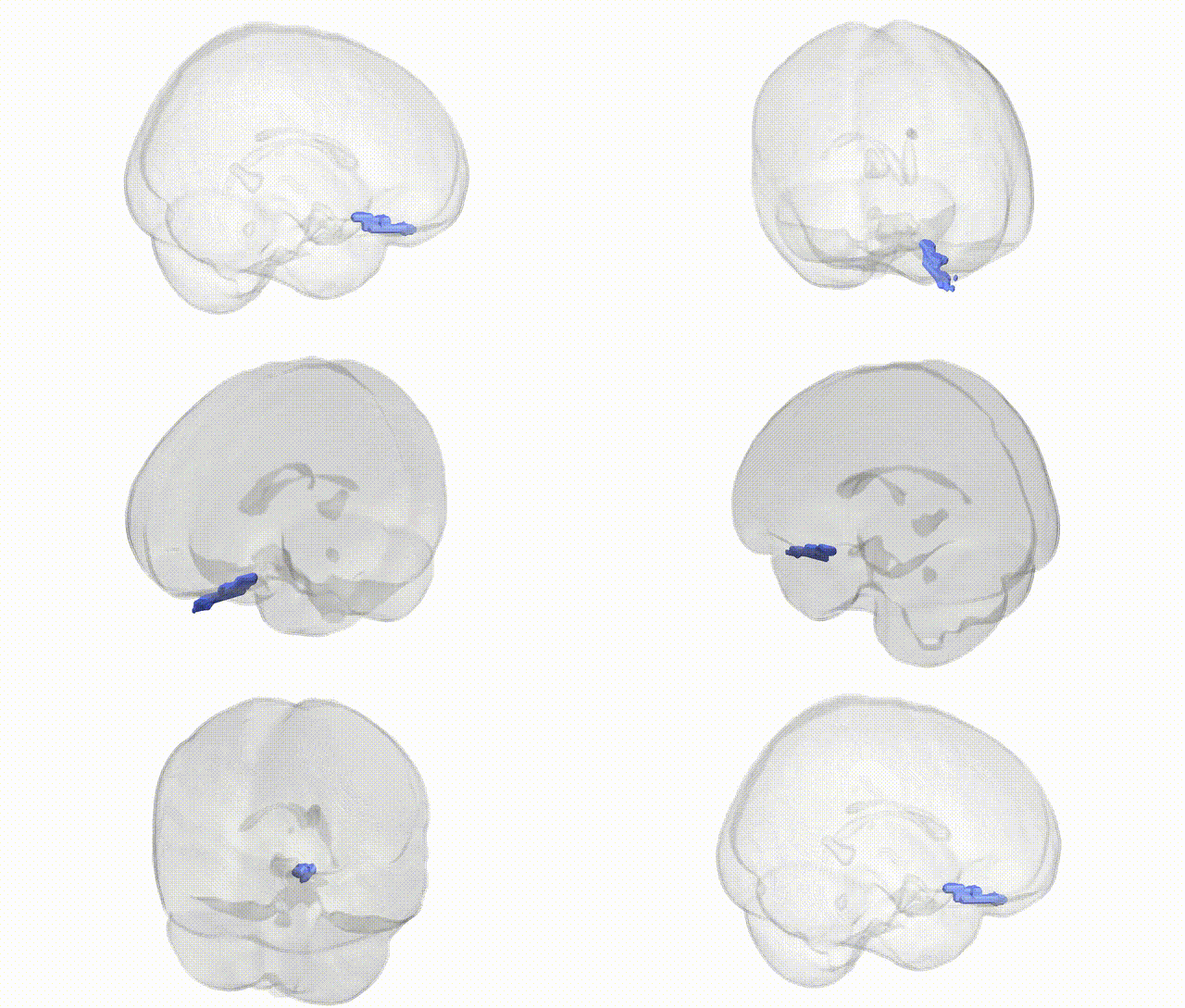
Full Quality Version: Download MP4
Wali Sidiqyar*, Gaurav Rudravaram*, Elyssa M. McMaster, Trent M. Schwartz, Adam M. Saunders, Kurt G. Schilling, Bennett A. Landman "Introducing SPINS: A Shared Public Visualization Library of Neuroanatomical Structures." Medical Imaging with Deep Learning- short paper
This resource is licensed under CC0 1.0 Universal (Public Domain).